Ali Ikhwan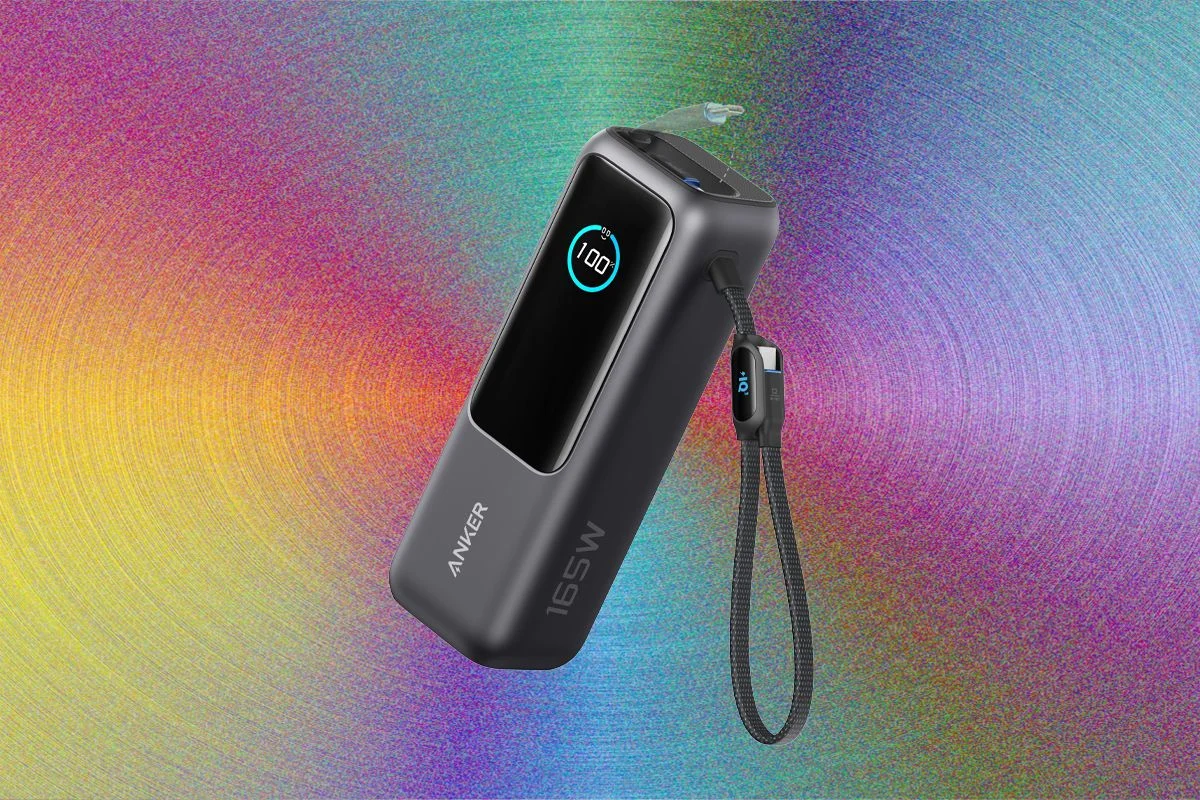
As mobile technology continues to integrate into every facet of modern life, the reliance on portable power solutions has transformed from a niche requirement for travelers into a fundamental necessity for the general public. The global portable power bank market, which was valued at approximately $17.41 billion in 2022, is projected to reach over $28 billion by 2030, driven by the increasing power consumption of high-refresh-rate displays, 5G connectivity, and the proliferation of power-hungry wearable devices. Today’s consumer landscape demands more than simple energy storage; users now prioritize charging speed, multi-device compatibility, and specialized form factors ranging from ultra-thin MagSafe units to high-output stations capable of jump-starting a vehicle or powering a laptop for a full workday.
The Evolution of Portable Charging Standards
The transition from early, bulky nickel-cadmium batteries to modern high-density lithium-ion and lithium-polymer cells has allowed manufacturers to shrink the physical footprint of power banks while exponentially increasing their output. A significant milestone in this evolution has been the standardization of USB-C Power Delivery (PD). This protocol allows for bi-directional power flow and negotiates the optimal wattage between the charger and the device, enabling a single power bank to charge everything from a low-power pair of earbuds to a high-performance MacBook Pro.
Furthermore, the introduction of the Qi2 wireless charging standard has bridged the gap between Apple’s proprietary MagSafe technology and the broader Android ecosystem. By utilizing a ring of magnets to ensure perfect alignment, Qi2 reduces energy loss through heat—a common pitfall of traditional wireless charging—and allows for faster 15-watt wireless speeds.
Leading Small-Scale Solutions: 5,000 mAh and Below
For users prioritizing portability and "emergency" top-ups, the 5,000-mAh category remains the most popular. Within this segment, the Baseus PicoGo Air (AM71) has set a new benchmark for industrial design, measuring only 0.27 inches in thickness. While its wireless charging is capped at 7.5 watts, its integrated USB-C capabilities allow for a boost up to 22.5 watts, illustrating the trend of hybrid charging methods in ultra-slim devices.
Other notable entries in this category include the Clutch Pro, which mimics the dimensions of a stack of credit cards for effortless pocket storage, and the Anker Nano Power Bank. The latter features a unique folding connector that eliminates the need for carrying extra cables, a design choice that speaks to the growing consumer desire for "all-in-one" travel solutions. For those concerned with thermal management and safety, the BMX SolidSafe Air utilizes Qi2 technology and specialized housing to mitigate fire risks associated with the high-intensity chemical reactions inherent in rapid wireless charging.
Mid-Range Versatility: 10,000 to 20,000 mAh
The mid-range segment is where capacity meets high-speed performance. The Cuktech 15 Air exemplifies this balance, offering a 15,000-mAh capacity and a 65-watt output. This is sufficient to charge most modern ultrabooks and is equipped with a color display that provides real-time telemetry on battery health and wattage flow.
Sustainability has also become a key differentiator in this market. The UK-based firm Gomi has introduced a power bank handmade from recycled plastic. According to the company, their manufacturing process results in a 50 percent reduction in carbon dioxide emissions compared to mass-produced competitors. This shift reflects a broader industry trend where environmental impact is becoming as critical to the consumer as technical specifications.

For users who frequently misplace cables, the Anker Nano Power Bank with Instacord features a built-in 2.3-foot retractable USB-C cable. This eliminates a common point of failure—cable fraying—while ensuring the charger is always ready for use at its 45-watt peak output.
High-Capacity Power Stations: 20,000 mAh and Above
Professional users and long-distance travelers require capacities that push the limits of federal aviation regulations. The Ecoflow Rapid Pro Power Bank and the Anker Prime Power Bank both offer capacities near the 27,000-mAh (100-watt-hour) limit allowed on commercial flights. These "beasts" are capable of delivering up to 300 watts of total power across multiple ports, allowing for the simultaneous charging of two laptops and a smartphone at maximum speeds.
The Aohi Starship Power Bank introduces an aesthetic inspired by science fiction, featuring a transparent casing and a high-detail LED display. Beyond its visual appeal, it delivers 240 watts of power, making it one of the few portable units capable of maintaining the power requirements of a gaming laptop under load.
Specialized Power and Ruggedized Hardware
The market has diversified to include specialized tools for extreme environments. The Elecom Nestout Rugged Power Bank features an IP67 rating, meaning it is completely dust-tight and can survive immersion in water. Its design includes screw-on caps for port protection and internal shock absorbers to withstand drops on rocky terrain.
In the automotive and outdoor sector, the Noco Boost Plus GB40 serves a dual purpose. While it functions as a standard USB power bank, its primary role is as a 1,000-amp jump starter for 12-volt lead-acid batteries. This convergence of consumer electronics and automotive tools highlights the versatile applications of modern lithium battery technology.
Technical Analysis: Understanding Capacity and Efficiency
A common point of confusion for consumers is the discrepancy between a power bank’s "rated capacity" and its "actual output." Power bank capacity is typically measured in milliampere-hours (mAh) at the internal battery’s nominal voltage, usually 3.7V. However, USB charging occurs at 5V, 9V, or higher. The process of converting the voltage and the energy lost to heat during the chemical transfer means that users typically only receive 60 to 80 percent of the stated capacity.
For example, a 10,000-mAh power bank does not actually deliver 10,000 mAh to a phone. After conversion and efficiency losses, the effective capacity may be closer to 6,500 or 7,000 mAh. High-end manufacturers like Anker and Cuktech have begun listing "Rated Capacity" on their packaging to provide a more transparent estimate of real-world performance.
-Reviewer-Photo-(no-border)-SOURCE-Simon-Hill.jpg)
Regulatory Landscape and Aviation Safety
Safety remains the primary concern for regulatory bodies like the Federal Aviation Administration (FAA) and the Transportation Security Administration (TSA). Lithium batteries are classified as "dangerous goods" because they can undergo thermal runaway if damaged or short-circuited.
As of 2025, several international airlines have updated their safety protocols. While the 100-watt-hour limit remains the standard for carry-on luggage, some carriers now require power banks to be stored specifically in under-seat luggage rather than overhead bins to ensure they are accessible in the event of a thermal incident. Travelers are strictly prohibited from placing power banks in checked luggage, as the cargo hold’s fire suppression systems are often not equipped to handle lithium-metal fires.
Consumer Guidance: Avoiding Substandard Hardware
Experts warn against the purchase of "no-name" or extremely low-cost power banks found on unverified third-party marketplaces. Cheap units often skimp on essential safety components, such as:
- Power Management Integrated Circuits (PMICs): These regulate voltage and prevent overcharging.
- Thermal Sensors: These shut down the battery if it exceeds safe operating temperatures.
- Physical Insulation: Low-cost units often lack the structural integrity to protect the volatile cells from punctures.
The 2016 Samsung Galaxy Note 7 incidents serve as a historical reminder of the volatility of lithium-ion technology when manufacturing tolerances are ignored. Journalistic testing of budget brands like Iniu and iWalk often reveals that these devices fail to meet their stated capacities or exhibit flaky firmware that misrepresents the remaining charge.
Implications and Future Trends
The future of portable power is moving toward Gallium Nitride (GaN) technology and potentially solid-state batteries. GaN components allow chargers to operate more efficiently and at higher wattages while producing less heat, which in turn allows for even smaller form factors.
As the "right to repair" movement gains traction, companies like Gomi are leading the way by designing batteries that can be serviced or recycled more easily. The transition to a circular economy in the battery sector will be essential as the global demand for lithium continues to outpace mining capabilities. For the modern consumer, the "best" power bank is no longer just the one with the most capacity, but the one that offers the safest, fastest, and most sustainable bridge between their devices and the world.