
 Ali Ikhwan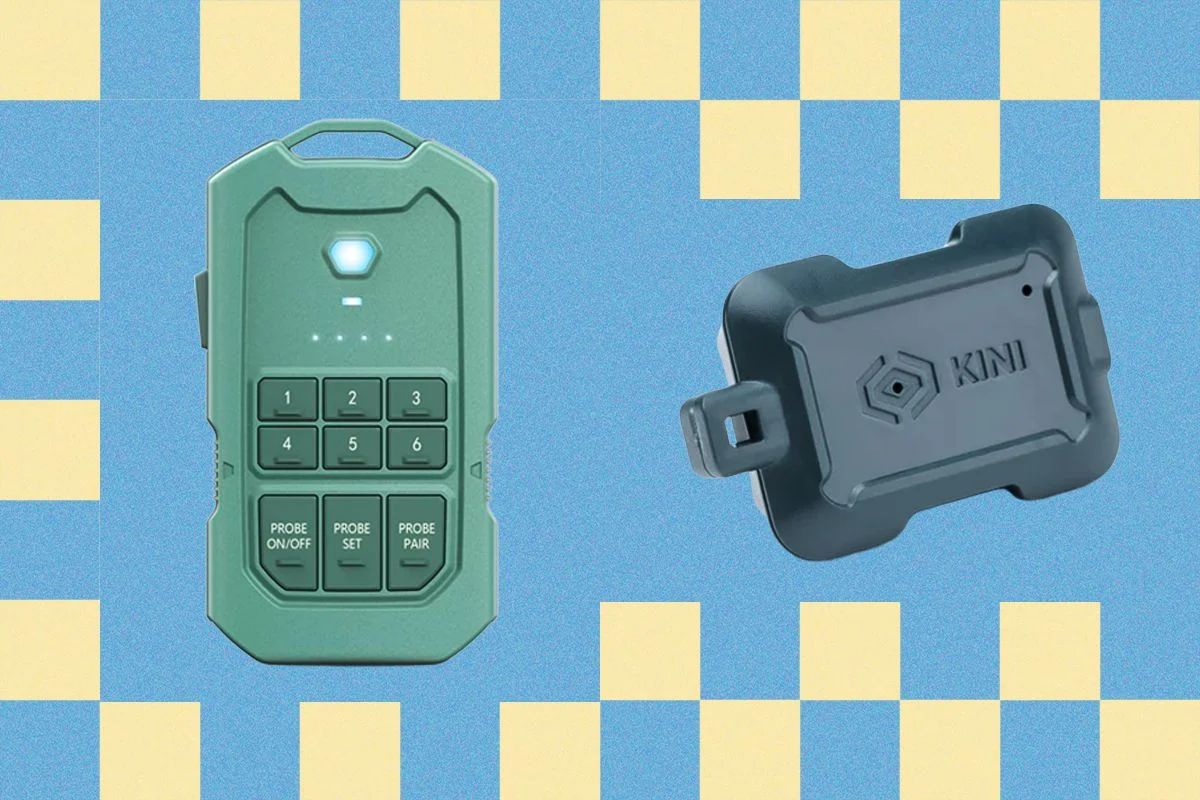
As residential security technology evolves, a growing segment of the consumer market is beginning to prioritize personal privacy over the traditional video-centric surveillance model. While high-definition security cameras have become increasingly affordable and ubiquitous, they bring a suite of digital and ethical vulnerabilities that many homeowners now find untenable. These risks range from technical flaws that expose live video feeds to the open internet to the broader societal implications of private companies sharing sensitive footage with law enforcement agencies without explicit user consent. In response to these concerns, a new generation of motion sensors and alternative detection systems has emerged, offering robust security capabilities without the invasive nature of a 24/7 video stream.
The shift toward non-visual security solutions reflects a broader trend in the smart home industry, where "presence detection" is replacing "surveillance." According to market research, the global smart home security market is projected to grow significantly through 2030, but consumer sentiment is increasingly favoring devices that do not record audio or video inside the home. This transition is driven by high-profile data breaches and the realization that powerful microphones in modern cameras can inadvertently record private conversations, creating a permanent digital record of a household’s most intimate moments.
A Chronology of the Residential Security Pivot
The history of home security has moved through several distinct eras. In the late 20th century, systems were primarily analog and reactive, relying on magnetic door contacts and loud sirens to deter intruders. The 2010s saw the "Video Revolution," sparked by the rise of companies like Ring and Nest, which integrated cloud-based video recording into everyday household objects like doorbells. However, by the early 2020s, a "Privacy Backlash" began to take shape.
This backlash was fueled by reports of unauthorized access to camera feeds and the controversial "Surveillance State" partnerships between tech giants and local police departments. By 2023, the industry saw a surge in the development of mmWave (millimeter-wave) radar and advanced PIR (Passive Infrared) sensors. These technologies allow for precise tracking of human movement and even vital signs—such as breathing and heart rate—without ever capturing an identifiable image of a person’s face. This technological evolution has paved the way for the current market of sophisticated, camera-free security alternatives.
High-Range Perimeter Protection: Radar Systems
For homeowners with larger properties or those seeking to secure the exterior of a residence without installing invasive outdoor cameras, long-range radar systems represent a significant technological leap. The Letwesaf Radar Motion Alarm System is a primary example of this "old-school meets high-tech" approach. Operating independently of Wi-Fi or mobile applications, these systems eliminate the risk of cloud-based hacking or remote data harvesting.
The system utilizes radar waves to monitor a detection zone of up to 50 feet, with a signal range that can reach up to half a mile between the detector and the receiver. Unlike traditional motion lights that are often triggered by wind-blown foliage, radar technology can be tuned to distinguish between the gait of a human or animal and the erratic movement of bushes. In technical testing, these systems have proven reliable in varied weather conditions, carrying an IP65 rating for water and dust resistance. However, the maintenance requirements for these high-power sensors are notable; with 3,000-mAh rechargeable batteries, they typically require a power refresh every five to six days, often necessitating the use of small solar panels for permanent outdoor installations.
Targeted Interior Monitoring and Asset Protection
While perimeter security handles the exterior, internal security often requires more granular data. The Kini SafeAlert Wi-Fi Motion Sensor represents a specialized category of "asset protection" devices. Rather than monitoring an entire room, these sensors are designed for high-value locations such as gun safes, medicine cabinets, or jewelry drawers.
Unlike a camera that records everything in its field of view, these sensors utilize multi-axis accelerometers to detect movement in any direction. When a protected drawer or cabinet is opened, the device triggers an alert via 2.4-GHz Wi-Fi to a mobile app, email, or text message. The privacy advantage here is twofold: no visual data is ever captured, and the logging of "events" (the opening of a door) can be entirely disabled or kept strictly local. This technology is increasingly being used in the "Stasis" mode, where the sensor alerts a user if movement does not occur within a set timeframe—a critical feature for monitoring the wellbeing of elderly relatives who may have forgotten to open a medicine cabinet.
The Rise of Presence Detection and Smart Ecosystems
In the broader smart home market, the distinction between "motion sensors" and "presence sensors" is becoming a critical technical detail for privacy-conscious consumers. Traditional PIR sensors detect the movement of heat, which can lead to "false negatives" if a person is sitting still in a room. Modern presence sensors, such as the Aqara FP2 and FP300, utilize mmWave radar technology to detect the micro-movements of a human body, such as the rise and fall of a chest during breathing.

These devices offer several advantages over cameras:
- Zonal Detection: A single sensor can divide a room into multiple zones, triggering different automations or alerts based on where a person is located.
- Multi-Person Tracking: High-end sensors can identify and track the location of multiple individuals simultaneously.
- Ecosystem Compatibility: Many of these sensors work across Apple Home, Google Home, and Amazon Alexa, allowing for integrated security without a proprietary video subscription.
However, the implementation of these sensors often requires a dedicated smart home hub. For instance, the Eve Motion Sensor, which supports the Matter protocol, provides a highly private, local-only solution, but it necessitates a centralized controller to manage alerts. Similarly, the Switchbot Presence Sensor offers an affordable entry point into this technology but may experience slight latency in reporting detections compared to more expensive, hard-wired alternatives.
Ambient Sensing: Utilizing Existing Infrastructure
One of the most innovative developments in camera-free security is "ambient sensing," which repurposes existing household signals to detect motion. Signify, the parent company of Wiz and Philips Hue, has introduced technology that uses Wi-Fi and Zigbee signal disturbances to identify movement.
In a system like Wiz SpaceSense, the Wi-Fi signals that already permeate a home act as a mesh. When a person walks through these signals, the disturbance is analyzed by an algorithm to determine if motion has occurred. This requires at least two compatible light bulbs in a room but removes the need for any dedicated security hardware. While this technology is still in its nascent stages and can suffer from lag, it represents a future where the home itself becomes a sensor, providing security through the "unseen" digital environment rather than through a lens.
Data Privacy and the Surveillance State Narrative
The push for camera-free security is not merely a matter of technical preference but a response to documented privacy infringements. In recent years, several major security camera manufacturers have admitted to allowing employees to view customer footage or providing data to law enforcement without a warrant under "emergency" circumstances.
Data from privacy advocacy groups suggests that the proliferation of video doorbells and indoor cameras has created a decentralized surveillance network that is often accessible to third parties. By contrast, motion and presence sensors generate "metadata"—simple timestamps and binary (on/off) signals—that are significantly more difficult to weaponize or use for facial recognition and behavioral profiling. For many consumers, the trade-off of not having a visual record of an event is outweighed by the guarantee that their private lives are not being uploaded to a corporate server.
Specialized Applications: Age Tech and Beyond
The implications of non-visual security extend deeply into the field of "Age Tech," which focuses on technology for the elderly. Maintaining dignity while ensuring safety is a primary challenge in senior care. Cameras in bedrooms or bathrooms are widely considered an invasion of privacy, yet these are the areas where falls are most likely to occur.
Systems like Nomo Smart Care utilize motion sensors and wearable panic buttons to provide a safety net that respects the individual’s privacy. These sensors can detect a fall based on the speed and trajectory of movement or the sudden lack of activity in a high-traffic area. This data-driven approach provides peace of mind for caregivers without the psychological burden of being watched.
Conclusion: The Future of Residential Security
The movement toward motion sensors and privacy-centric alternatives marks a maturation of the smart home market. As consumers become more literate regarding data privacy and the risks of cloud-connected video, the demand for "invisible" security is expected to rise. While cameras will likely always have a place in high-security environments, the modern home is increasingly being defined by its ability to protect its inhabitants not just from external threats, but from the prying eyes of the technology meant to keep them safe.
The current landscape of radar systems, accelerometers, and mmWave presence detectors proves that effective home security does not require a video feed. By focusing on reliable, local, and metadata-based detection, homeowners can achieve a robust security posture that preserves the sanctity and privacy of the domestic environment. As technology continues to refine these non-visual methods, the "Surveillance Home" may soon give way to the "Sensing Home," where safety and privacy are no longer mutually exclusive.







