Reynand Holland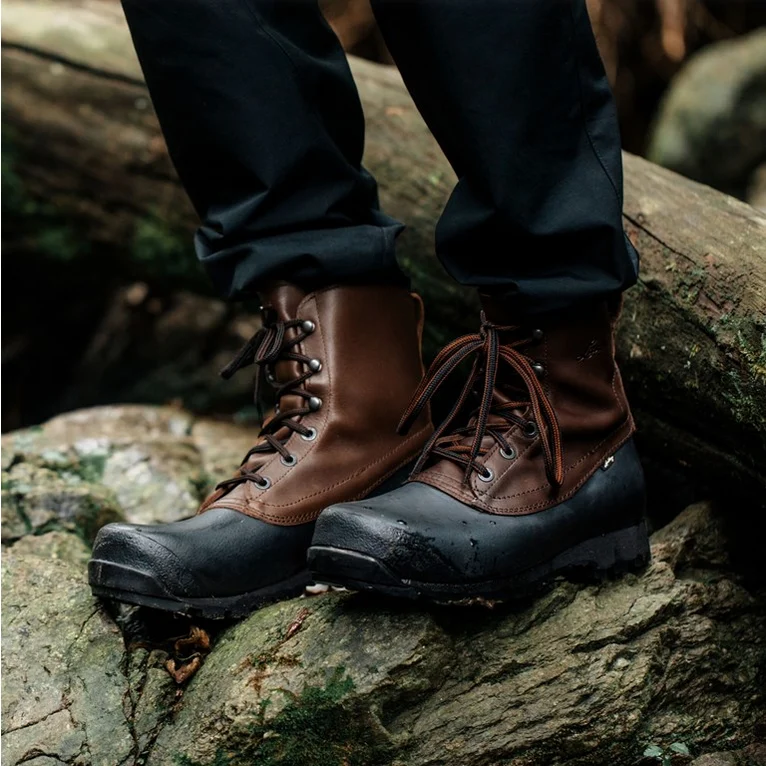
The winter season brings sub-zero temperatures, heavy snowfall, and slush-covered urban streets, driving millions of consumers to invest in reliable winter footwear. However, behind the comfort of warm, dry feet lies a pervasive environmental and public health concern that has dominated discussions in the textile and outdoor industries: the widespread use of per- and poly-fluoroalkyl substances, commonly known as PFAS. Often referred to in scientific and industrial circles as "forever chemicals," these synthetic compounds have long served as the gold standard for Durable Water Repellent (DWR) finishes. They are heavily relied upon to repel water, oil, and stains on apparel, outdoor gear, and particularly snow-proof footwear without compromising breathability.
The widespread adoption of PFAS began mid-century, stemming from their unique molecular structure featuring exceptionally strong carbon-fluorine bonds. These chemical bonds are among the most stable in organic chemistry, making them virtually indestructible under natural environmental conditions. While this durability made PFAS invaluable for industrial applications, non-stick cookware, and high-performance gear, it also gave rise to their notorious moniker. When PFAS-treated footwear is worn outdoors, microscopic chemical particles flake off from the boots into snow, mud, and urban sludge. Because these substances do not readily break down through biological, chemical, or photolytic processes, they persist indefinitely in the ecosystem. Over time, they migrate through soils, accumulate in surface and groundwater tables, and ultimately infiltrate municipal drinking water supplies.
Environmental monitoring studies conducted by agencies such as the U.S. Geological Survey and the Environmental Protection Agency have increasingly detected trace levels of PFAS in public water systems across North America and Europe. Beyond ecological accumulation, exposure to these persistent chemicals presents significant risks to human health. Toxicological evaluations by federal health agencies have linked cumulative PFAS exposure to a myriad of adverse health outcomes, including elevated risks of certain cancers, decreased fertility, developmental delays in children, and compromised immune system functionality. Furthermore, volatile chemical migration means that boots stored in residential hallways or mudrooms can shed particles into indoor dust, directly exposing household occupants.
Recognizing these severe implications, regulatory bodies, environmental advocates, and consumers have pressured the fashion and outdoor industries to overhaul their supply chains. The transition away from fluorinated chemicals has evolved from a niche sustainability initiative into a mainstream industry movement. For consumers navigating the winter footwear market, distinguishing genuinely safe products requires careful scrutiny, as many legacy brands continue to use fluorinated treatments unless explicitly stated otherwise. To address this consumer challenge, environmental analysts have established rigorous evaluation criteria focusing on safe materials, supply chain transparency, and product longevity to identify truly sustainable, PFAS-free winter boots.
Understanding the Criteria for Sustainable Winter Footwear
Navigating the winter boot market with health and environmental consciousness requires looking beyond simple waterproof claims. Sustainable winter footwear must harmonize weather resistance with ethical manufacturing, transparent material sourcing, and end-of-life durability. Industry watchdogs evaluate sustainable footwear through three foundational pillars: safe and sustainable materials, transparent supply chains, and robust after-market repair services.
Material safety forms the primary line of defense against toxic exposure. When shopping for naturally water-resistant alternatives, consumers frequently turn to leather. However, conventional leather processing involves heavy metals like chromium, which present environmental hazards of their own. To ensure responsible sourcing, experts recommend looking for certifications from the Leather Working Group (LWG), an international multi-stakeholder organization responsible for assessing the environmental compliance and performance capabilities of tanneries. For synthetic and vegan options, verifying the presence of recycled materials through certifications such as the Global Recycled Standard (GRS) ensures that post-consumer waste is accurately tracked and verified. Additionally, adherence to strict chemical management protocols—such as bluesign standards or comprehensive restricted substances lists—guarantees that hazardous inputs are systematically eliminated during manufacturing.
Supply chain transparency is equally critical in assessing a brand’s corporate responsibility. Ethical manufacturing ensures that the protection of the consumer does not come at the expense of garment workers and marginalized communities. Conscious brands map their supply chains down to raw material extraction, partner with organizations like the Fair Wear Foundation, and publicly disclose factory locations and codes of conduct. Finally, product longevity remains a cornerstone of sustainability. Winter boots engineered to last for decades significantly reduce overall consumption and textile waste. Leading brands distinguish themselves by designing for durability, offering replacement parts, providing maintenance guidance, and operating dedicated repair facilities to extend the operational lifespan of their products.
Leading Brands Championing PFAS-Free Winter Boots
1. Keen
As a pioneer in the outdoor footwear sector, Keen achieved a significant milestone by becoming the first major outdoor brand to completely eliminate PFAS from its product lines. Rather than keeping its technological transition proprietary, Keen publicly shared its chemical substitution process to assist other industry players in eradicating forever chemicals from their supply chains. The brand offers an extensive range of lifestyle and heavy-duty winter boots utilizing advanced, PFAS-free Durable Water Repellent finishes. Keen enforces strict sourcing guidelines, partnering exclusively with LWG-certified tanneries for its leather goods and maintaining a rigorous restricted substances list. Demonstrating a commitment to localized production and worker welfare, Keen manufactures at least one-third of its footwear in its own facilities while comprehensively auditing Tier 1 and Tier 2 supply chain partners. Price ranges span from $115 to $250, with direct availability across the United States and global distribution channels via partner dealers.
2. Jack Wolfskin
European outdoor giant Jack Wolfskin has positioned itself at the forefront of technical sustainability by engineering high-performance winter gear completely free of fluorinated chemicals. The brand relies on its proprietary, custom-developed Texapore membrane technology, which delivers robust windproof and waterproof protection without the environmental toxicity of traditional DWR coatings. Jack Wolfskin maintains exceptional supply chain transparency, publicly listing all manufacturing partners. The entirety of its supplier network is either bluesign-approved or operates strictly without hazardous chemical inputs. Furthermore, the company dispatches independent third-party inspectors to regularly audit factories, ensuring that fair, safe, and ethical working conditions are strictly upheld. Priced between $120 and $230, Jack Wolfskin winter boots are widely available across most European markets.
3. Lundhags
Operating out of Sweden since 1932, heritage brand Lundhags combines traditional craftsmanship with rigorous modern environmental standards. Specializing in durable shell construction, single-layer, and multi-layer winter boots, Lundhags manufactures its footwear entirely within Europe using premium raw materials sourced from a localized tannery in Germany, thereby minimizing transportation emissions and supply chain opacity. Recognizing that true sustainability requires longevity, Lundhags operates an in-house shoemaker repair shop, offering comprehensive after-market services designed to repair, maintain, and dramatically extend the operational lifespan of its footwear. Factory working conditions are regulated under the stringent Brav code of conduct. Positioned in a higher price bracket ranging from $217 to $597, Lundhags boots are primarily available throughout European distribution networks.
4. Vaude
German outdoor apparel and footwear manufacturer Vaude implements strict ecological guidelines across its entire production ecosystem. Vaude winter boots feature innovative water- and windproof membranes constructed from PFAS-free recycled polyester, paired with leather uppers sourced from local German tanneries to ensure complete traceability. The brand provides granular transparency, allowing consumers to verify the exact manufacturing origin of each individual product directly on its website. Vaude places a heavy emphasis on circularity and product repairability, offering cost-effective replacement components and full-service factory repairs to combat fast-fashion obsolescence. Retailing between $200 and $263, Vaude products are readily available throughout Canada and most European nations.
5. Forsake
Specializing in hybrid footwear that bridges the gap between urban aesthetics and outdoor utility, Forsake offers a diverse collection of LWG-certified waterproof winter boots, ranging from technical sneaker-boots to insulated, heeled hiking designs. The brand operates under a corporate parent group that enforces a standardized supplier code of conduct supported by routine third-party compliance audits. While Forsake excels in leather certification and supply chain governance, consumers seeking absolute material transparency should note that the specific sourcing origins of the brand’s memory foam insoles remain ambiguous. Retailing affordably between $145 and $160, Forsake products are primarily distributed within the United States market.
6. EcoAlf
Certified B-Corporation EcoAlf champions circular economy principles by manufacturing vegan, PFAS-free winter boots utilizing GRS-certified recycled polyester derived from ocean plastics alongside virgin and recycled rubber blends. EcoAlf demonstrates a commendable commitment to supply chain transparency by successfully mapping its operational tiers down to Tier 3. However, similar to several of its industry peers, the brand exhibits minor transparency gaps regarding the precise primary extraction points of its raw material inputs. With prices ranging from $145 to $299, EcoAlf boots enjoy broad international availability across the United States, South America, Europe, and select Asian markets.
7. Will’s Vegan Store
For consumers seeking strictly cruelty-free alternatives, Will’s Vegan Store produces an extensive collection of waterproof winter boots manufactured in ethical artisan workshops across Italy and Portugal. The footwear incorporates innovative bio-based leather alternatives and recycled polyester thermal insulation, with select waterproof models featuring certified PFAS-free uppers. The brand traces every tier of its manufacturing process to guarantee ethical labor standards and minimal environmental impact. Nevertheless, buyers should exercise caution: the majority of the brand’s footwear utilizes unspecified synthetic vegan leathers, which are fundamentally plastic-derived, and not all waterproof models are explicitly guaranteed PFAS-free, necessitating careful review of individual product specifications. Retailing between $134 and $190, Will’s Vegan Store offers global shipping to all international destinations.
8. Poppy Barley
Canadian brand Poppy Barley specializes in artisan-crafted, water-resistant ankle and tall winter boots utilizing premium LWG-certified leathers. Production takes place in rigorously audited manufacturing facilities located in Europe and Mexico, ensuring fair wages and safe working environments. While the brand maintains high standards for its core collections, shoppers should note that not every boot style carries explicit LWG certification, requiring customers to verify material specifications on individual product pages prior to purchase. Priced between $293 and $480, Poppy Barley footwear is distributed across the continental United States, Canada, Mexico, and Australia.
9. REI Used Gear
For budget-conscious consumers looking to minimize their carbon footprint through circular consumption, the REI Used platform offers an extensive secondary marketplace for buying, selling, and trading pre-owned outdoor gear, including winter boots from prominent sustainable brands. While retail giant REI maintains aggressive corporate sustainability targets aimed at phasing out PFAS from all private-label and vendor inventories, shoppers utilizing the used platform must carefully inspect individual product listings. Because the marketplace features secondhand items from varied brands and production years, older inventory may still contain legacy chemical treatments, making independent product verification essential prior to purchase. Offering significant discounts with prices ranging from $22 to $149.50, the platform is available exclusively within the United States.
Implications and Future Outlook for the Footwear Industry
The rapid transition away from per- and poly-fluoroalkyl substances in winter footwear marks a pivotal turning point for the apparel and outdoor sectors. For decades, manufacturers prioritized chemical permanence and weatherproofing performance without adequate regard for the long-term toxicological and ecological consequences. As scientific documentation of groundwater contamination and bioaccumulation mounts, regulatory frameworks across North America and the European Union are tightening restrictions on the manufacture and importation of PFAS-laden consumer goods.
This regulatory pressure, coupled with shifting consumer demands for radical transparency and non-toxic materials, has forced brands to innovate alternative waterproofing technologies. Innovations such as bio-based membranes, advanced mechanical weaves, and non-fluorinated DWR finishes demonstrate that high-performance winter gear can be achieved without compromising environmental integrity or human health. However, challenges remain. Supply chain transparency is not yet universal, and minor components—such as adhesives, insoles, and synthetic linings—frequently lack the rigorous traceability seen in primary uppers.
Ultimately, the evolution of the sustainable winter boot market underscores a broader paradigm shift within global commerce. The growing emphasis on LWG-certified tanneries, GRS-verified recycled materials, bluesign chemical management, and extended producer responsibility through repair services signals that durability and circularity are replacing disposability as the core metrics of quality. As more companies follow the lead of pioneers like Keen, Jack Wolfskin, and Lundhags, the outdoor industry moves steadily toward a future where conquering winter elements no longer requires leaving a permanent toxic legacy on the planet.