Ali Ikhwan
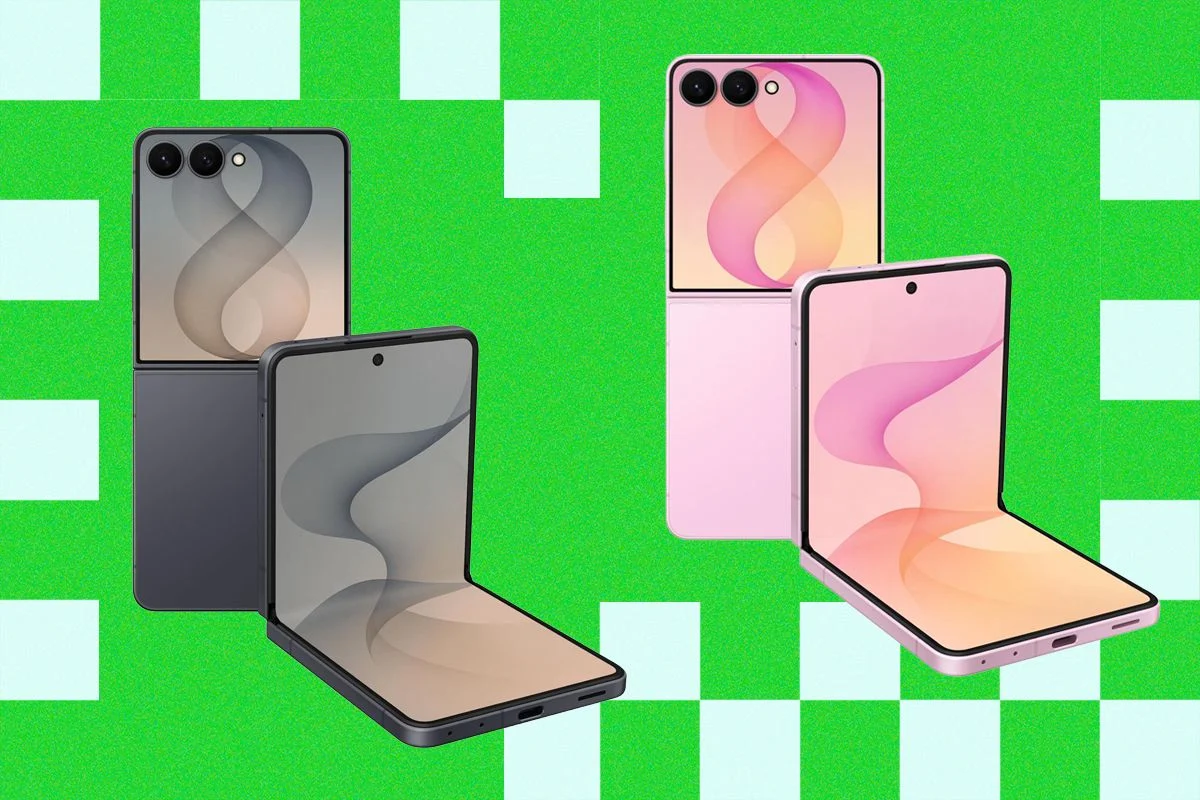
The release of the Samsung Galaxy Z Flip8 represents the latest iteration in a long-standing effort to refine the foldable smartphone form factor. Since the debut of the original Galaxy Z Flip in 2020, Samsung has maintained a dominant market position, utilizing its vertical integration to iterate on display technology, hinge durability, and software optimization. The Z Flip8 arrives as a mature product, yet it highlights the persistent tension between the aesthetic appeal of a compact, folding device and the practical demands of modern power users who require longevity and performance.
A Chronology of the Flip Evolution
To understand the position of the Z Flip8, one must examine the progression of the series. The initial 2020 launch was largely considered a proof-of-concept, addressing the skepticism surrounding the fragility of early foldable screens. The Z Flip3, released in 2021, introduced water resistance and a more usable cover screen, signaling a shift toward mass-market appeal. Subsequent iterations, including the Z Flip4, 5, and 7, focused on closing the "gap" when the device is closed, enhancing the hinge mechanism, and expanding the utility of the external FlexWindow.
The Z Flip8 continues this trajectory, incorporating a 4,300-mAh silicon-carbon battery. This chemistry, which offers higher energy density than traditional lithium-ion cells, is a necessary response to the physical constraints of the phone’s chassis. However, while the technology represents an upgrade in battery engineering, the real-world performance remains tethered to the device’s compact nature.

Hardware Specifications and Power Constraints
The decision to utilize a 4,300-mAh battery highlights the primary trade-off inherent in the Z Flip8’s design. While sufficient for moderate, intermittent usage—such as checking emails, navigating via GPS, and occasional social media browsing—the device struggles under heavy computational loads. For users whose daily routines involve high-intensity gaming, prolonged video streaming, or intensive multitasking, the battery life necessitates the support of external power banks.
Furthermore, the charging ecosystem surrounding the device has drawn technical criticism. The Z Flip8 supports 25-watt wired charging and 15-watt wireless charging. In an industry where competitors are increasingly adopting 60-watt to 120-watt fast-charging standards, these figures are notably conservative. Of particular note is the absence of Qi2 magnetic wireless charging integration. Qi2, which incorporates a magnetic power profile (MPP) similar to Apple’s MagSafe, allows for more efficient alignment and consistent power delivery. The exclusion of this standard in a premium-tier device in 2024 represents a missed opportunity for cross-ecosystem compatibility and convenience.
Photographic Capabilities and Optical Performance
The imaging system on the Z Flip8 is a study in calculated utility. The primary shooter is a 50-megapixel sensor that performs reliably across a spectrum of lighting conditions. For the average consumer, the color reproduction, dynamic range, and focus speed are more than adequate for daily documentation. However, professional photographers or those seeking high-end optical versatility will find the hardware lacking.
The absence of a dedicated telephoto lens is a significant omission for a device at this price point. Samsung compensates for this through software-driven cropping, which maintains image integrity at 2X magnification. While results up to 10X are described as passable, they lack the clarity and depth of hardware-based optical zoom systems found in traditional flagship slab phones. The 12-megapixel ultrawide lens serves its purpose for group photography and landscape shots but exhibits a marked decrease in image fidelity compared to the primary sensor, particularly in low-light environments.

A distinct advantage of the foldable design is the integration of the FlexWindow for selfie photography. By utilizing the primary camera for self-portraits, the device bypasses the technical limitations of the internal 10-megapixel punch-hole selfie camera, which is better suited for video conferencing. Additionally, features such as "Horizon Lock" provide an electronic stabilization layer that keeps video orientation steady, regardless of the physical rotation of the device—a feature that highlights Samsung’s commitment to software-based creative tools.
Artificial Intelligence Integration: The Software Frontier
Samsung has leaned heavily into AI-driven features to differentiate the Z Flip8 in a crowded marketplace. The introduction of "My FanCam" allows users to select a specific subject in a group video, with the software dynamically reframing the shot to keep that subject centered. This feature, which can be applied to both live recording and legacy video files, demonstrates the increasing role of generative AI in mobile videography.
Additional productivity tools include "Now Brief" and "Now Nudge." The former serves as a centralized notification hub for calendar events, weather updates, and reminders, while the latter utilizes natural language processing to extract relevant information from text messages, such as dates or locations, and automatically suggests calendar entries or location-sharing options. These features are part of a broader industry trend toward proactive, context-aware mobile computing, where the OS anticipates user intent rather than simply responding to manual inputs.
The FlexWindow and the Bloatware Debate
The FlexWindow, while expanded in functionality, remains a point of friction. While the list of supported applications—including native Samsung apps, YouTube, Netflix, and Google Maps—has grown, the ecosystem remains walled off. Accessing third-party applications not explicitly optimized for the cover screen requires a convoluted process involving the "Good Lock" suite and the "MultiStar" plug-in.

Industry analysts have pointed to the user-experience friction this creates. Requiring users to navigate a secondary app store or install specific plugins to unlock the full potential of their hardware is increasingly viewed as an outdated approach. Compounding this frustration is the presence of pre-installed third-party applications—often categorized as "bloatware"—such as Facebook, Spotify, and Instagram. At a premium price point, consumers have increasingly voiced their preference for a "clean" OS experience, free from pre-installed software that they did not explicitly select.
Market Context and Future Implications
The Z Flip8 exists in a segment of the market defined by style and form factor as much as technical prowess. Samsung’s primary challenge is to maintain the allure of the folding screen while addressing the hardware bottlenecks that alienate power users.
From an economic perspective, the foldable market is reaching a plateau of early adoption. Future iterations will likely need to address three critical areas to capture a broader demographic:
- Charging Standardization: Universal adoption of Qi2 and higher wattage charging thresholds.
- Optical Parity: The inclusion of telephoto hardware that matches the quality of non-foldable flagship devices.
- Software Openness: A more streamlined approach to the cover screen interface that removes the necessity for "Good Lock" workarounds.
Official statements from Samsung regarding the device have focused on the durability of the "Flex Hinge" and the integration of Galaxy AI. By prioritizing these elements, the company is betting that the unique form factor and software value-adds will continue to outweigh the hardware trade-offs for the average consumer.

Conclusion
The Samsung Galaxy Z Flip8 is a testament to the engineering feats achieved in the last five years. It is a functional, capable, and undeniably impressive device that brings the foldable concept to a high level of polish. However, the device is held back by a refusal to embrace emerging charging standards and a persistent reliance on software workarounds for its cover screen interface. For the consumer, the Z Flip8 is not just a phone; it is a choice between the utility of a traditional flagship and the aesthetic and functional novelty of the foldable experience. Whether that trade-off is justified remains a personal decision, contingent upon the user’s priority for design over raw, uncompromised performance. As the market for foldables continues to mature, Samsung will likely face increased pressure to refine these final, critical hardware edges to maintain its leadership position.