Muhammad Hendra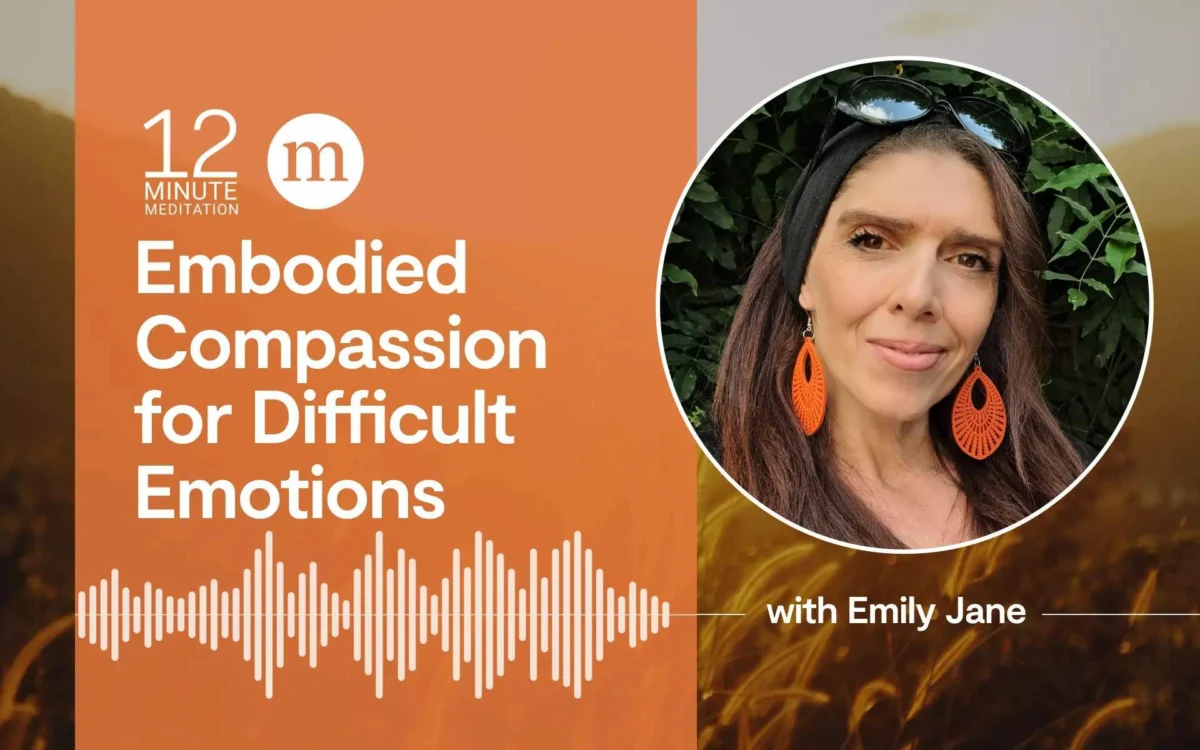
In an increasingly complex world where emotional resilience is paramount, recovery coach and author Emily Jane has introduced a guided meditation designed to help individuals confront and accept challenging emotions with courage and compassion. This practice offers a vital tool for those who typically feel overwhelmed or instinctively resort to resisting or repressing painful, confusing, or distressing internal states. The meditation underscores a core principle of mindfulness: that accepting, rather than resisting, our emotions can lead to greater peace and reduced suffering, a concept that often feels counterintuitive when facing intense emotional discomfort.
The Foundational Principle: Embracing Emotional Acceptance
At the heart of Emily Jane’s methodology is the mindfulness tenet that emotional acceptance is a more effective strategy than resistance. For many, the natural inclination when confronted with difficult emotions—be they fear, sadness, anger, or anxiety—is to push them away, distract from them, or even deny their existence. This resistance, however, often exacerbates the emotional experience, leading to increased internal conflict, prolonged distress, and sometimes the development of maladaptive coping mechanisms such as substance abuse, compulsive behaviors, or emotional eating.
Psychological research consistently supports the notion that emotional suppression can have detrimental long-term effects on mental and physical health. Studies indicate that individuals who frequently suppress their emotions report higher levels of anxiety, depression, and stress. Furthermore, chronic emotional suppression has been linked to compromised immune function and cardiovascular issues. In contrast, emotional acceptance, characterized by a willingness to experience emotions without judgment or an attempt to change them, is associated with greater psychological flexibility, improved well-being, and reduced symptom severity across a range of mental health conditions. This paradigm shift from avoidance to acceptance forms the bedrock of modern mindfulness-based interventions.
Emily Jane: A Synthesis of Lived Experience and Professional Expertise
Emily Jane’s approach to emotional well-being is deeply informed by both her extensive professional training and a profound personal journey. With a background in social work, she brings a robust understanding of human behavior, systemic challenges, and therapeutic interventions. Beyond her academic and professional credentials, Emily Jane is a certified Embodied Processing (EP) practitioner, a specialization that emphasizes the connection between mind and body in processing trauma and emotional experiences. This somatic approach recognizes that emotions are not just cognitive phenomena but are also deeply felt within the physical body, and healing often involves engaging with these bodily sensations.
Crucially, Emily Jane’s professional life is illuminated by her lived experience of recovery. Having navigated two decades of active addiction, she has been in recovery for over eight years. This personal history is not merely a biographical detail but a foundational element of her coaching philosophy. It provides her with a unique empathy and credibility, allowing her to connect with clients on a level that purely theoretical knowledge cannot achieve. Her journey through addiction and into sustained recovery fuels her passion for helping others heal, making her an authentic guide in the often-challenging terrain of emotional and psychological recovery.
This blend of personal insight and professional expertise is further articulated in her book, Beyond Addiction: A Mindful Guide to Recovery. In this work, Emily Jane shares her trauma-informed, compassionate approach, integrating mindfulness, coaching, trauma therapy, and somatic tools. The core aim of her work, as presented on her platform Holistic Recovery, is to help individuals reconnect with their bodies, fostering a sense of safety, peace, and empowerment crucial for their recovery journey. Her methodology posits that true healing involves not just addressing symptoms but cultivating a deeper, more compassionate relationship with oneself and one’s internal experiences.
Deconstructing the Embodied Compassion Meditation
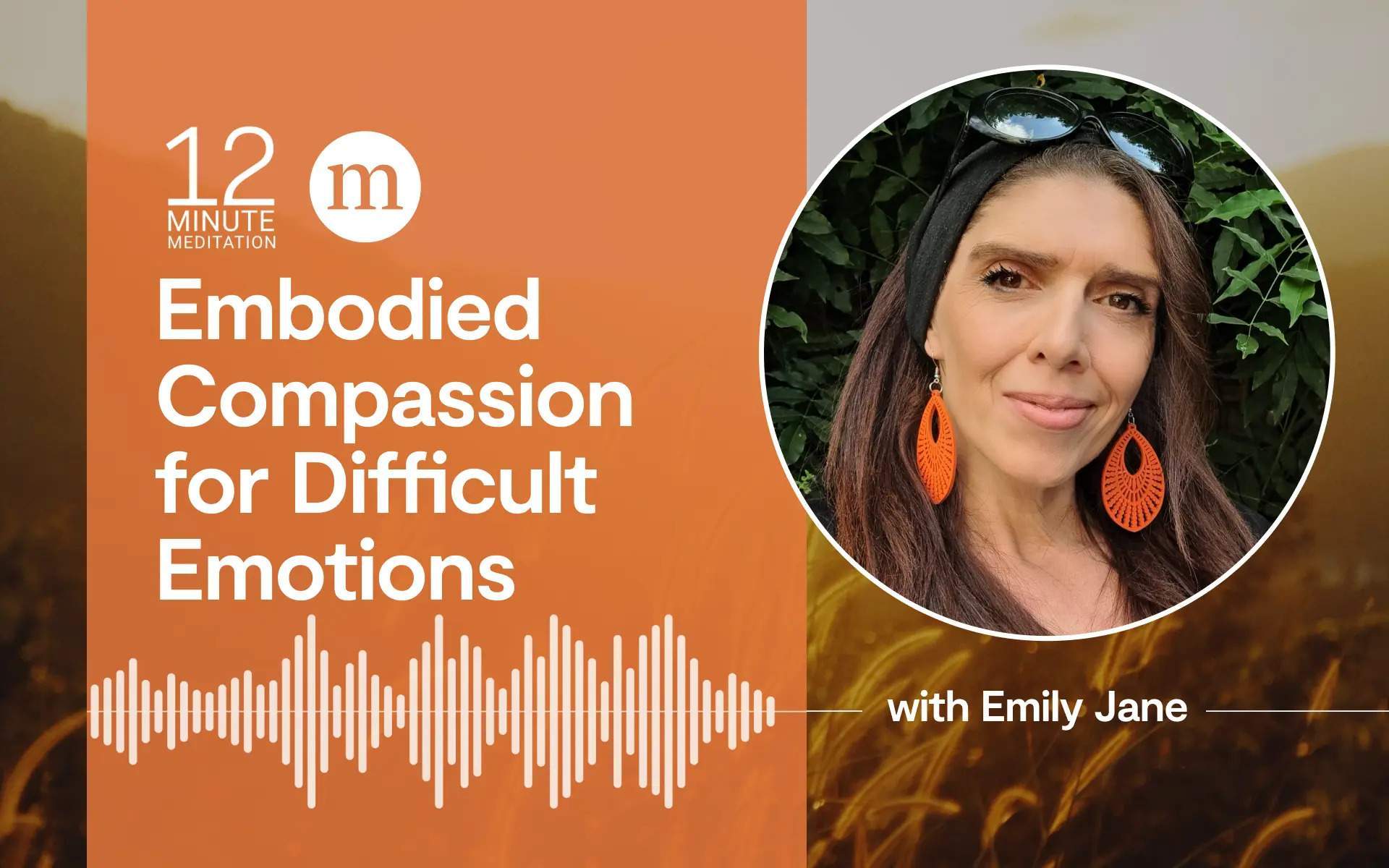
Emily Jane’s "Embodied Compassion for Difficult Emotions" meditation is designed as a practical, accessible tool for immediate use when individuals find themselves overwhelmed. The practice aims to gently shift one’s relationship with uncomfortable emotions, moving away from the default settings of repression or resistance towards one of mindful acceptance and curiosity.
The meditation begins with a phase of mindful awareness, encouraging participants to ground themselves in the present moment. This initial step typically involves focusing on the breath or bodily sensations, which helps to anchor attention and create a sense of presence before turning towards the emotional landscape. This mindful grounding serves as a preparatory step, building a stable foundation from which to approach potentially unsettling feelings.
Following this initial awareness phase, the practice guides individuals to deliberately turn towards the emotions, sensations, and parts of themselves that they might instinctively avoid. This is where the core work of "creating space" for uncomfortable emotions takes place. Instead of pushing these feelings away, participants are invited to acknowledge their presence, observing them without judgment. Emily Jane likens this process to "inviting them in and sit with them with compassion, like an old friend." This metaphor is powerful, suggesting that even the most challenging emotions, when approached with kindness and understanding, can be seen as messengers rather than adversaries. It reframes the internal experience from a battle to a gentle encounter, fostering a sense of inner safety.
The methodology emphasizes curiosity and courage. Curiosity encourages an investigative stance towards emotions: What does this feeling feel like in my body? Where does it reside? What is its texture, its intensity? Courage is required to stay present with these sensations, especially when they are unpleasant, rather than reverting to old patterns of avoidance. By doing so, individuals can begin to unravel the patterns of resistance that often amplify suffering. The practice cultivates a capacity to tolerate discomfort, recognizing that emotions are transient and do not define one’s entire being.
The Broader Landscape: Mindfulness in Mental Health and Recovery
The emergence and increasing acceptance of practices like Emily Jane’s meditation are part of a larger global trend towards integrating mindfulness and compassion into mainstream mental health and recovery paradigms. Mindfulness-Based Interventions (MBIs), such as Mindfulness-Based Stress Reduction (MBSR) developed by Jon Kabat-Zinn, and Mindfulness-Based Cognitive Therapy (MBCT), have garnered substantial empirical support over the past four decades.
Research has demonstrated the efficacy of MBIs in reducing symptoms of anxiety, depression, and chronic pain. For instance, meta-analyses have shown that mindfulness practices can significantly reduce relapse rates in individuals with recurrent depression, and improve emotional regulation skills in various populations. In the realm of addiction recovery, mindfulness has proven to be particularly valuable. It helps individuals recognize cravings and urges without immediately acting on them, fosters greater self-awareness regarding triggers, and supports the development of healthier coping strategies. The ability to observe internal states without judgment, a cornerstone of mindfulness, empowers individuals to make conscious choices rather than react impulsively to discomfort.
The integration of somatic tools, as practiced by Emily Jane, further enhances the effectiveness of these interventions. Trauma research has increasingly highlighted that traumatic experiences are stored not just in memory but also in the body. Somatic practices facilitate the release of this stored tension and help individuals re-establish a sense of safety and agency within their physical selves. This holistic approach recognizes that mental, emotional, and physical well-being are inextricably linked.
The Critical Role of Compassion and Self-Kindness
While mindfulness provides the framework for non-judgmental awareness, compassion injects the element of kindness and care, particularly when facing difficult emotions. Self-compassion, as championed by researchers like Dr. Kristin Neff, involves treating oneself with the same kindness, concern, and understanding that one would offer a good friend. This is distinct from self-pity, which can lead to rumination and self-absorption. Instead, self-compassion acknowledges suffering as a universal human experience and responds with warmth rather than harsh self-criticism.
For individuals in recovery, especially those with a history of trauma or addiction, self-criticism can be a pervasive and destructive force. The cultivation of self-compassion directly counters this, fostering a more benevolent internal environment conducive to healing and growth. When individuals can sit with their pain "like an old friend," they are practicing radical self-acceptance, building resilience, and laying the groundwork for sustainable well-being. This shift in internal dialogue and relationship is often a pivotal moment in the recovery process, allowing individuals to move beyond cycles of shame and self-blame.
Implications for Holistic Well-being and Accessible Support
Emily Jane’s contribution through this embodied compassion meditation carries significant implications for the broader landscape of mental health and accessible support. In an era where mental health challenges are widespread—with statistics from organizations like the World Health Organization indicating rising rates of anxiety and depression globally—accessible, self-guided tools are more crucial than ever. The ability to access a professionally guided practice, whether through a written script or audio, empowers individuals to engage in self-care proactively, without the immediate need for a therapist or specialist.
This move towards democratizing mental health tools aligns with a growing recognition that well-being is not solely the domain of clinical intervention but also involves daily practices and self-management strategies. Online platforms and coaches like Emily Jane play a vital role in bridging the gap between clinical settings and everyday life, making sophisticated therapeutic concepts digestible and applicable for a wider audience. Her approach emphasizes empowerment, guiding individuals to become their own compassionate witnesses and internal guides, fostering a sense of agency over their emotional lives.
The integration of mindfulness, somatic awareness, and compassion represents a holistic shift, moving beyond models that focus solely on symptom reduction. Instead, it aims to cultivate a deeper, more integrated sense of self, capable of navigating life’s inevitable challenges with grace and resilience. By helping people reconnect with their bodies and find safety within themselves, Emily Jane’s work contributes to a preventative mental health strategy, equipping individuals with the tools to manage stress, process past experiences, and build a foundation for enduring peace and empowerment. Her work exemplifies how personal recovery can transform into a powerful force for collective healing, offering a beacon of hope and practical guidance for anyone seeking to live a more present, courageous, and compassionate life.