Hanik Kholidah
Entering a commercial fitness facility for the first time presents a documented psychological hurdle characterized by spatial unfamiliarity, performance anxiety, and informational overload. For the novice patron, rows of specialized resistance machines, complex free-weight stations, and seasoned athletes operating with established routines can transform a standard health environment into an intimidating landscape. However, sports science research, physical therapy evaluations, and behavioral studies indicate that overcoming initial gym anxiety is a predictable, systematic process rooted in structured programming, physiological adaptation, and adherence to established facility etiquette.
Context and Behavioral Science of Initial Fitness Adoption
The seasonal surge of new gym memberships typically peaks in January and September, driven by lifestyle resets and personal health resolutions. Despite high initial enthusiasm, industry retention data compiled by international fitness associations reveals that approximately 50 percent of new members discontinue their facility memberships within the first six months of enrollment. Sports psychologists attribute this high attrition rate not to a lack of physical capability, but to early-stage decision fatigue, unstructured workouts, and the absence of a progressive acclimation roadmap.
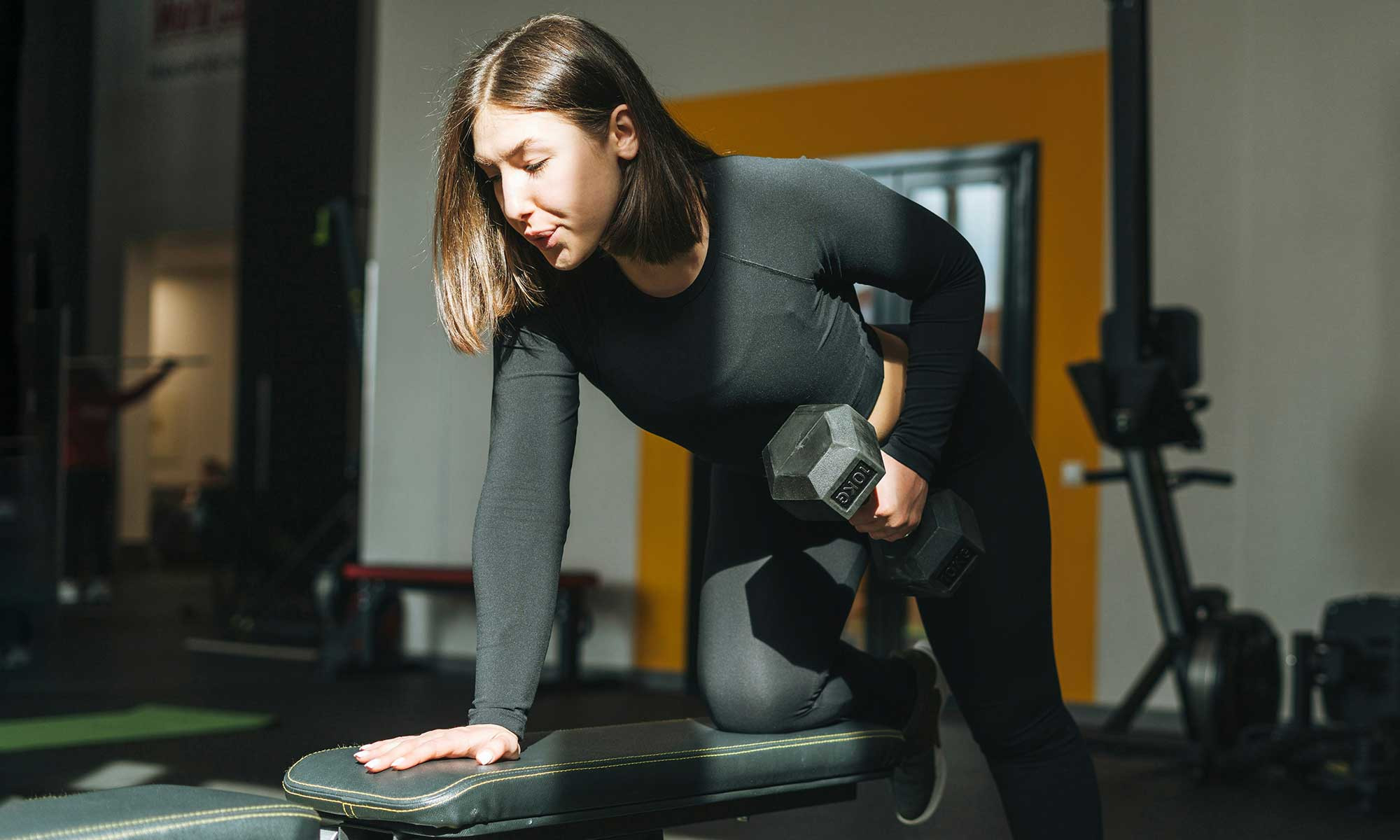
Behavioral analysis demonstrates that individuals who enter a training environment without a predefined regimen are significantly more prone to frustration, injury, and subsequent dropout. Conversely, adherence models heavily favor structured exercise protocols. A structured routine eliminates the cognitive burden of determining daily movements, replacing hesitation with targeted execution. Public health researchers tracking long-term physical activity note that sustainable habit formation relies on incremental progress—a concept known in exercise science as progressive overload—wherein the body adapts to gradually increasing mechanical demands rather than erratic, high-intensity exertion.
Establishing Foundational Training Architecture
Sports medicine professionals emphasize that successful entry into resistance training requires mastering basic human movement patterns before incorporating complex, multi-joint variations. Rather than attempting advanced athletic maneuvers or copying advanced lifters, beginners achieve optimal safety and strength gains by focusing on four fundamental movement categories:
- Squat (dominant lower-body knee flexion)
- Hinge (posterior chain hip extension)
- Push (horizontal and vertical upper-body pressing mechanics)
- Pull (horizontal and vertical upper-body pulling mechanics)
By organizing workouts around these foundational movements, practitioners stimulate major muscle groups uniformly while reinforcing neuromuscular coordination. Furthermore, exercise physiologists consistently recommend initiating resistance routines two to four times per week. This frequency provides an optimal balance between mechanical stimulus and recovery time, mitigating excessive delayed-onset muscle soreness (DOMS) that frequently derails beginner consistency.

Demystifying the Gym Floor: Machines Versus Free Weights
A primary point of friction for novice gym-goers is choosing between selectorized resistance machines and free weights (dumbbells and barbells). Industry experts advocate for a pragmatic approach that leverages the distinct advantages of both training modalities based on experience level.
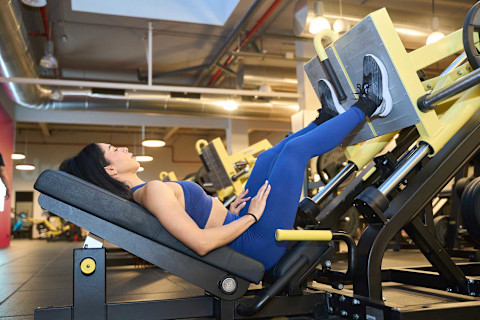
Selectorized and plate-loaded machines provide structural guidance, fixed ranges of motion, and enhanced stability. For beginners, machines isolate target muscle groups without demanding advanced core stabilization or high grip strength. Three primary beginner-friendly apparatuses dominate commercial facilities:
- The Leg Press: Engages the quadriceps, glutes, and hamstrings while supporting the lower back against a padded backrest, minimizing spinal shear forces.
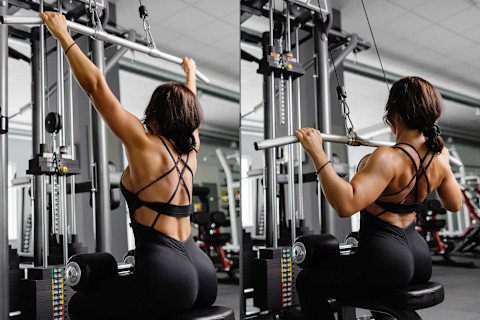
- The Lat Pulldown: Targets the latissimus dorsi and upper back muscles, developing the pulling strength necessary for future bodyweight movements like pull-ups.
- The Chest Press: Replicates the biomechanics of a horizontal push-up with adjustable resistance, allowing controlled eccentric and concentric muscular contractions.
As neuromuscular coordination improves and users develop baseline stability, transitioning to free weights expands the physical toolkit. Free weights require the body to stabilize loads independently, thereby recruiting supportive secondary and tertiary stabilizer muscles. However, sports performance specialists stress that machines are not inferior training tools; elite athletes frequently utilize machines for targeted hypertrophy and safe mechanical failure long after mastering free weights.
The Critical Role of Warm-Up Protocols and Recovery Mechanics
Physiological research underscores the necessity of a structured warm-up prior to high-effort resistance training. Neglecting preparation phases reduces joint lubrication, decreases neuromuscular signaling efficiency, and elevates acute injury risk. An effective five-to-ten-minute warm-up generally incorporates light cardiovascular activity to elevate core body temperature, followed by dynamic mobility drills tailored to the day’s targeted movement patterns.
Equally vital to long-term progress is the management of recovery parameters. Muscle hypertrophy and strength gains do not occur inside the gym during active exertion; rather, adaptation takes place during subsequent rest intervals when physiological repair mechanisms rebuild micro-tears in muscle fibers. Industry analysts and physical therapists frequently emphasize that sleep hygiene, caloric intake, adequate hydration, and scheduled rest days are integral components of any successful fitness program. Overtraining—characterized by persistent fatigue, prolonged soreness, and diminished performance—often stems from an aggressive initial mindset that prioritizes relentless intensity over measured recovery.
Practical Logistics and Unwritten Facility Etiquette
Beyond physiological considerations, successful gym integration involves understanding the operational logistics and social norms of shared fitness spaces. Experienced facility managers and personal trainers recommend standardizing preparation through practical habits:
- Preparation and Attire: Arriving with a concise, pre-written workout plan, a filled water bottle, a small sweat towel, and supportive, flat-soled athletic footwear minimizes wandering and indecision.
- Hygiene and Equipment Care: Standard facility etiquette mandates wiping down equipment surfaces with designated antimicrobial sprays and paper towels immediately after use.
- Re-racking Weights: Returning dumbbells, weight plates, and attachments to their proper storage racks maintains floor safety and demonstrates consideration for other patrons.
- Navigating Congestion: During peak operational hours, users sharing crowded equipment are expected to communicate respectfully, often asking to "work in" by alternating sets or inquiring about remaining time.
Industry Implications and Expert Consensus
The broader implications of easing the transition for new gym members extend into public health domains. As chronic sedentary behavior remains a leading contributor to preventable metabolic disorders, lowering the psychological and physical barriers to entry in commercial fitness spaces is a public health priority.
Public health officials, certified strength and conditioning specialists (CSCS), and fitness industry executives uniformly advocate for educational initiatives that demystify resistance training. By framing the initial months of exercise as a period of exploration, education, and neuromuscular adaptation rather than a test of maximum capability, facilities can foster sustainable, lifelong health habits. Ultimately, industry consensus reinforces a singular guiding principle for every new patron crossing the threshold: long-term success is achieved through consistency, patience, and the fundamental willingness to begin.