The modern digital advertising landscape requires precision, strategic foresight, and an intricate understanding of algorithmic distribution systems. For many digital marketers and enterprise brand managers, opening Meta Ads Manager for the first time presents a daunting interface filled with complex parameters, nested drop-down menus, and multi-layered configurations. However, mastering this powerful engine is essential for organizations seeking to leverage the combined reach of Facebook and Instagram, two platforms commanding a cumulative user base exceeding three billion active global participants.

Successful deployment of paid media campaigns on Meta infrastructure hinges upon a structured, sequential methodology. Rather than viewing the interface as an impenetrable maze of buttons and options, media buyers can break down the architecture into three fundamental pillars: campaigns, ad sets, and individual advertisements. By understanding the underlying mechanics of ad auctions, artificial intelligence integration, and rigorous audience targeting, brands can transcend the limitations of organic social media reach and build scalable, high-converting digital acquisition funnels.
The Strategic Imperative of Paid Social Advertising
To comprehend the necessity of paid social advertising, one must examine the shifting dynamics of algorithmic content delivery across major social media networks. Organic visibility on platforms like Facebook and Instagram is heavily restricted by proprietary algorithms designed to prioritize user-to-user interactions over brand broadcasts. Consequently, organizations can no longer rely solely on organic posting schedules to capture market share or drive transactional growth. Paid advertising bypasses these organic constraints, granting brands guaranteed distribution to targeted consumer segments.
The primary competitive advantage of the Meta advertising ecosystem lies in its sophisticated data architecture. Unlike traditional search or display networks that rely predominantly on immediate query intent, Meta enables hyper-granular audience segmentation based on rich behavioral indicators. Advertisers can curate target demographics not merely by age, gender, and geographic location, but by complex lifestyle parameters, including historical purchase behavior, occupational milestones, life events, and specific consumer interests.
Furthermore, the integration between Facebook and Instagram allows media buyers to deploy simultaneous cross-platform campaigns through a unified management interface. This interoperability ensures maximum asset efficiency, allowing brands to capture user attention across diverse digital environments without building entirely separate operational workflows for each individual channel.
Foundational Prerequisites and Account Architecture
Before initiating a campaign within Meta Ads Manager, organizations must establish a compliant and properly configured account infrastructure. At the core of this setup is an active Facebook Page, which serves as the public identity for the business and the foundational anchor for all associated ad creatives. Additionally, advertisers must configure a verified, institutional payment method capable of supporting daily or lifetime billing increments.
For single-entity operations, a personal ad account—accessible via a default user identification number—may suffice for initial testing phases. However, growing enterprises and agencies managing multiple brands must utilize a Meta Business Manager account. Business Manager provides centralized administrative control, enabling executives to assign granular user roles—such as administrators, editors, or specialized advertisers—while maintaining strict security protocols across multiple ad accounts and asset repositories.
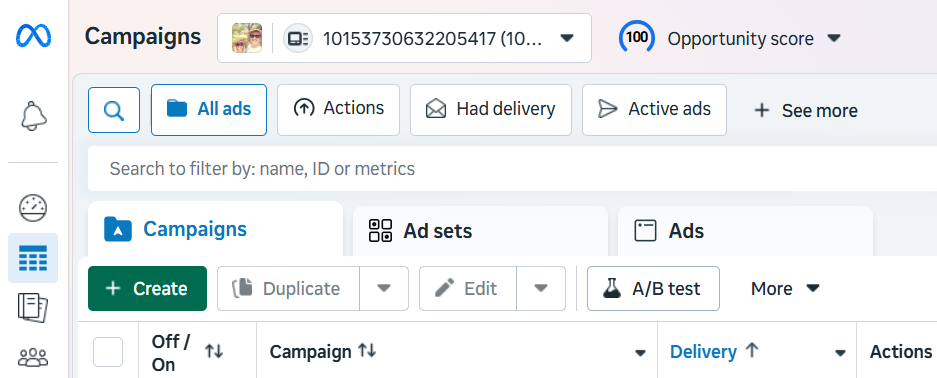
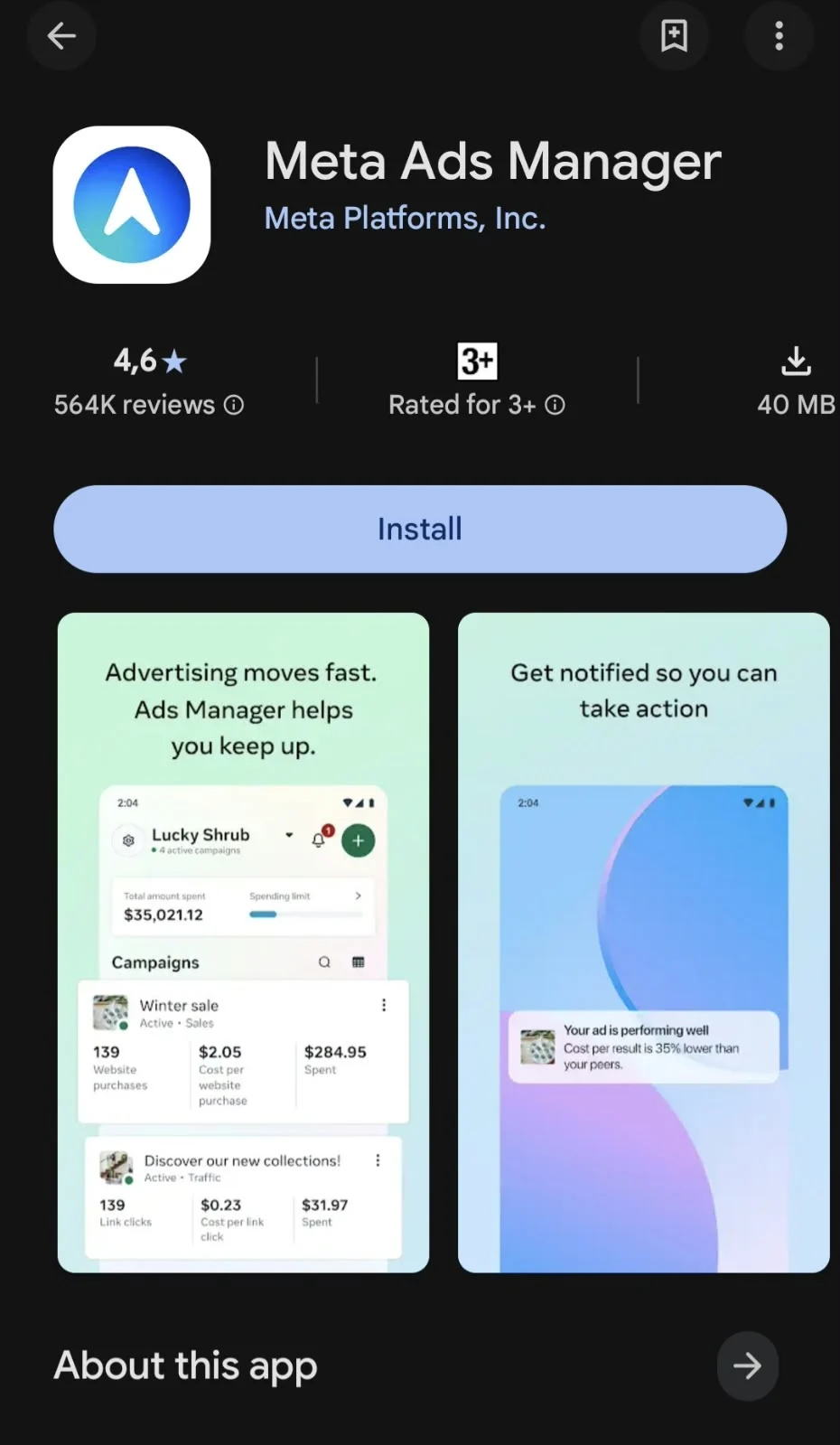
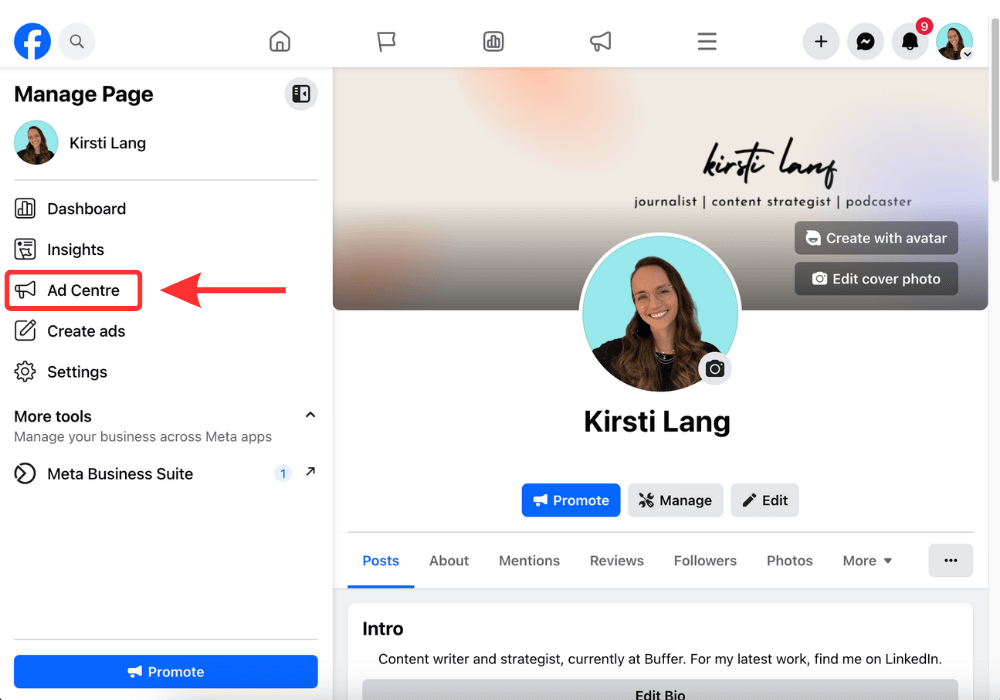
To streamline daily operations, marketing teams frequently bookmark the direct Meta Ads Manager portal or navigate through the Business Suite navigation sidebar by accessing the Ad Center drop-down menu and selecting Ads Manager. Mobile management is also supported via dedicated iOS and Android applications, allowing media buyers to monitor performance metrics, pause underperforming campaigns, and adjust active budgets while away from the desktop environment.
The Chronological Setup Sequence: Campaigns, Ad Sets, and Ads
Executing a successful campaign requires strict adherence to a multi-stage configuration sequence. Meta Ads Manager structures this process hierarchically, moving from macro-level strategic goals down to micro-level creative assets.
Stage One: Campaign Configuration and Buying Types
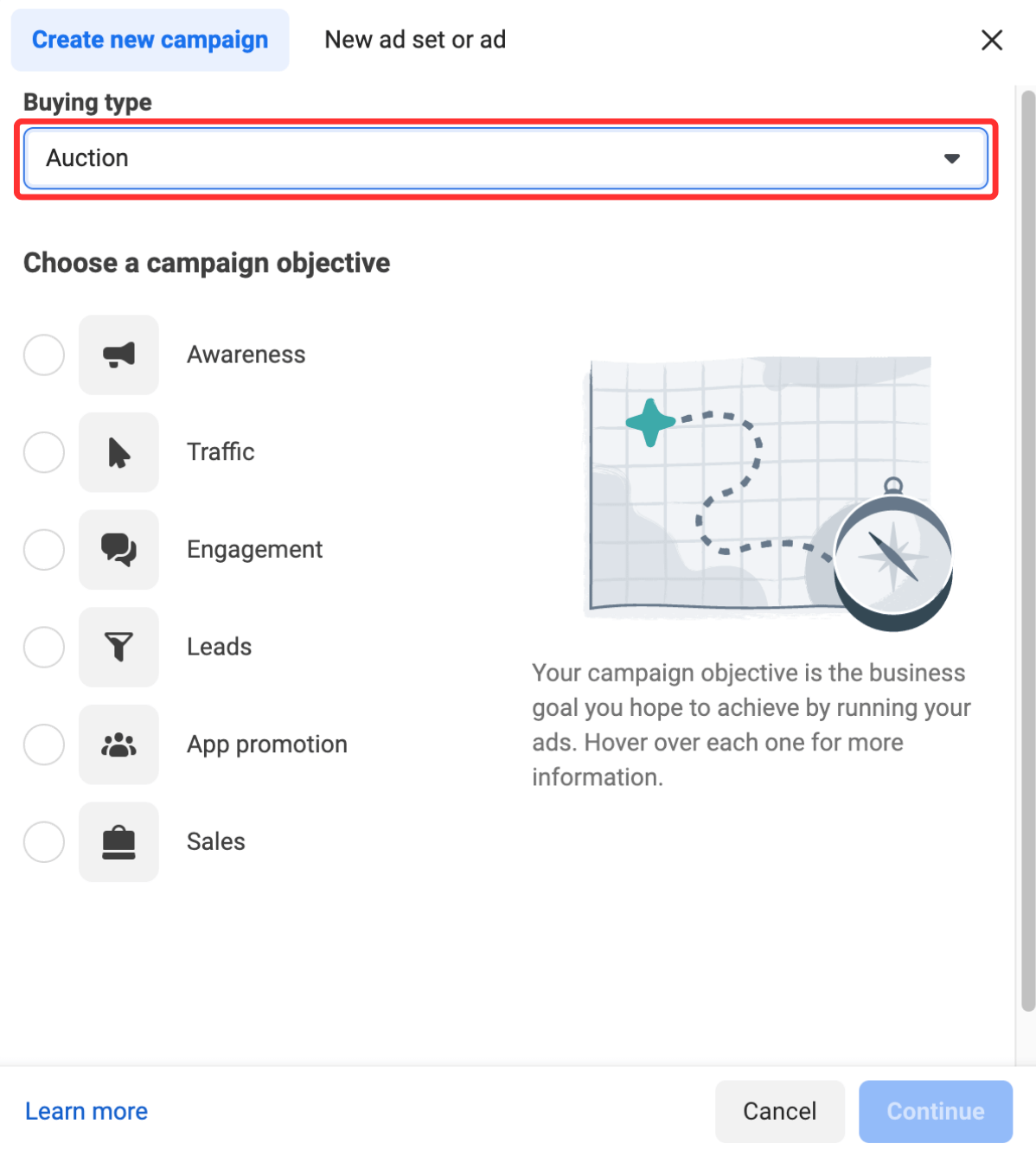
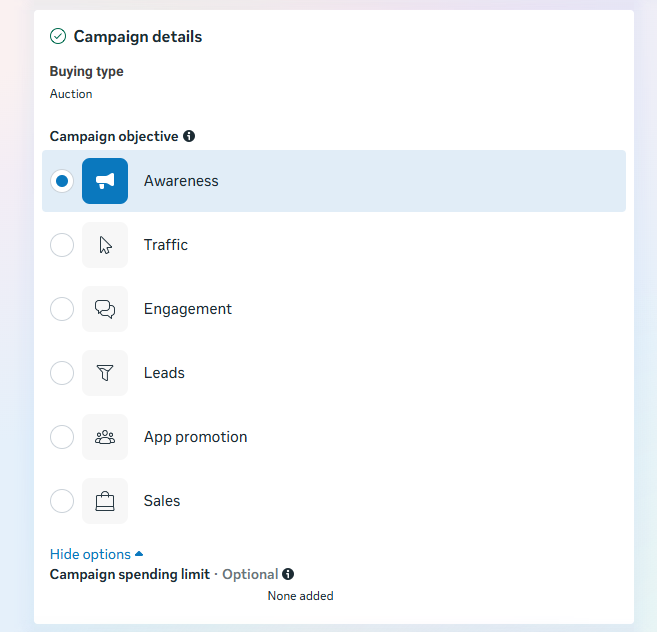
The campaign level establishes the overarching parameters of the advertising initiative. Upon clicking the green "Create" button within Ads Manager, administrators must first select a buying type: Auction or Reservation.
The Auction buying model offers maximum strategic flexibility, dynamic optimization, and access to all available campaign objectives across the Facebook, Messenger, Instagram, and Meta Audience Network placements. Conversely, the Reservation model is engineered for predictable delivery and strict frequency control, making it ideal for large-scale brand awareness initiatives, though it is restricted primarily to awareness and engagement objectives on Facebook and Instagram.
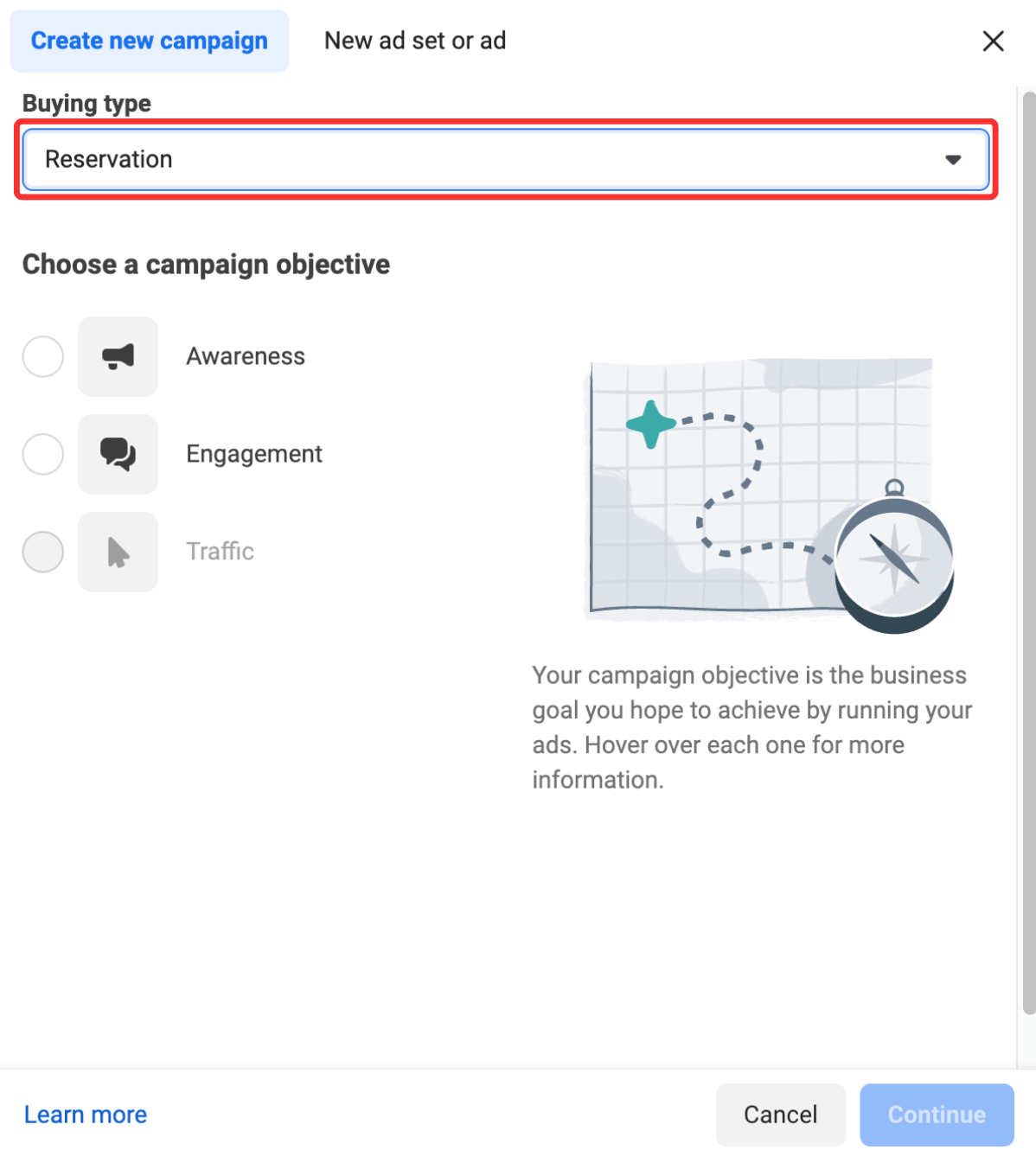
Following the buying type selection, advertisers must designate one of six core campaign objectives aligned with their broader marketing strategy:
- Awareness: Optimized for maximizing reach, brand recall, and video views among broad audiences.
- Traffic: Designed to drive click-throughs to specific destination URLs, landing pages, or inbound phone calls.
- Engagement: Focused on fostering meaningful interactions, including messaging conversations, post comments, page likes, and in-app video consumption.
- Leads: Geared toward capturing prospective customer information via instant form submissions, conversions, or direct inquiries.
- App Promotion: Tailored to drive software installations and in-app engagement events.
- Sales: Engineered to maximize transactional conversions, catalog sales, and revenue generation.
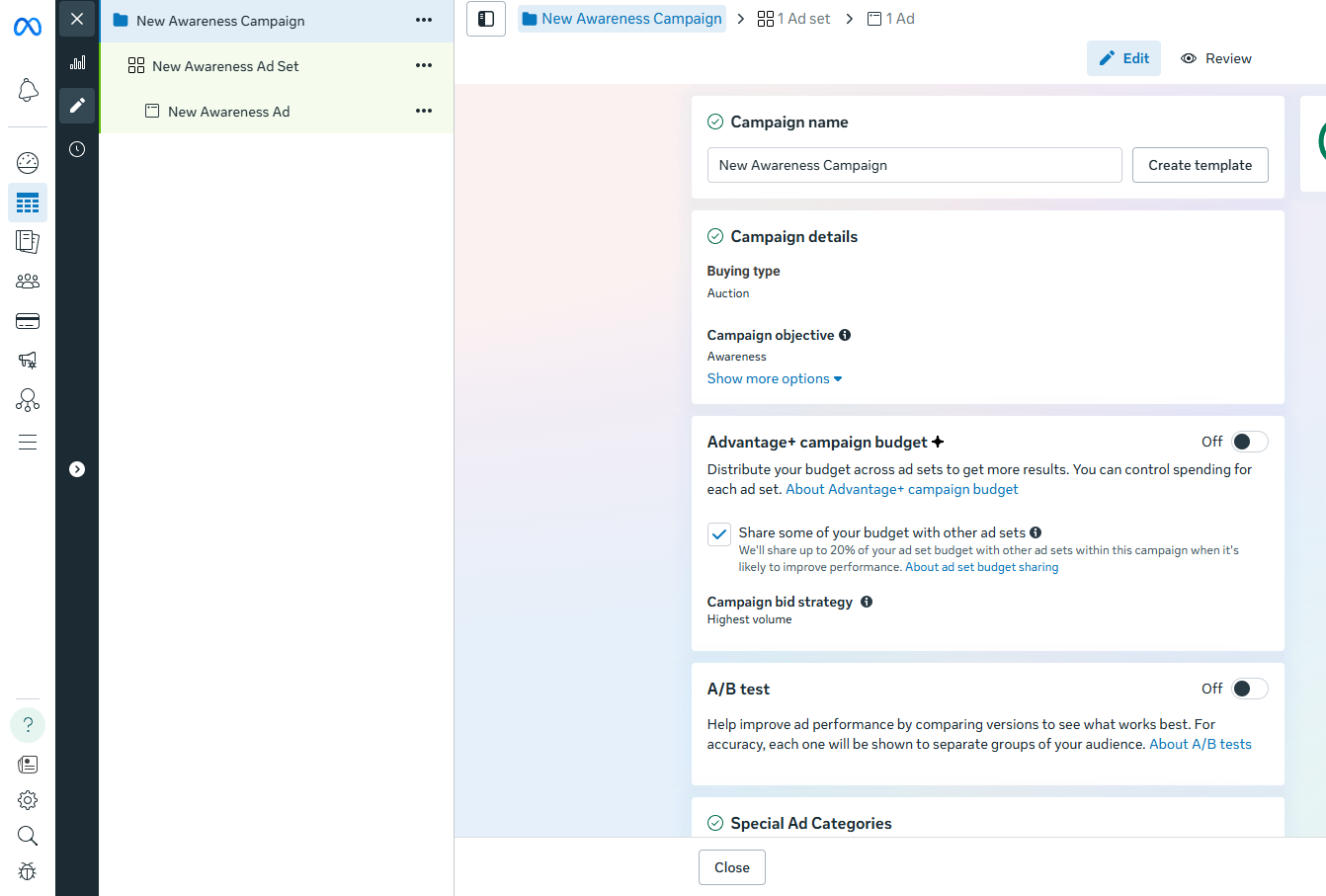
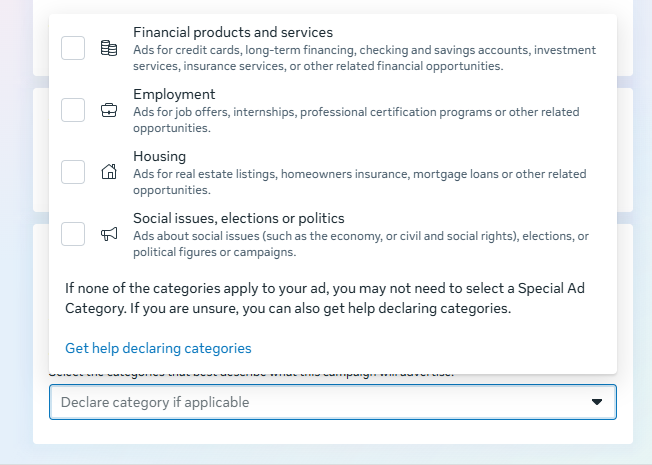
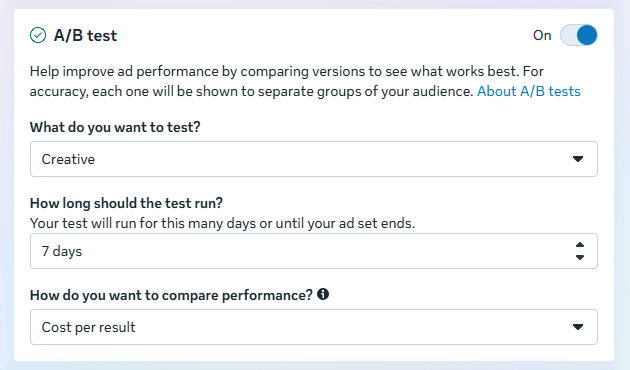
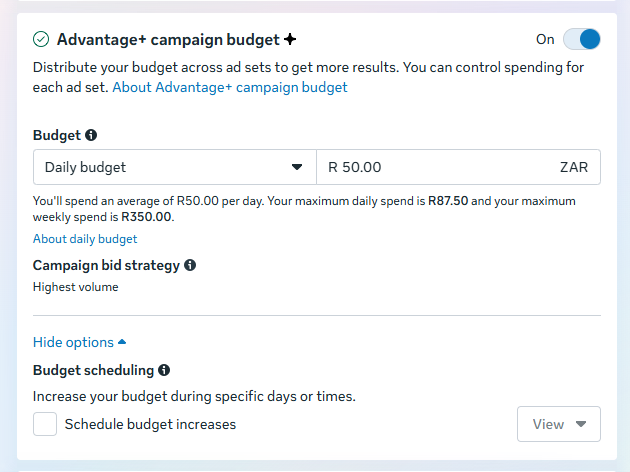
Once the objective is locked in, administrators name the campaign, declare any Special Ad Categories (such as credit, employment, housing, or political issues to ensure regulatory compliance), and determine whether to implement A/B split testing or the Advantage+ campaign budget. The Advantage+ campaign budget automatically distributes financial resources across multiple ad sets in real time, identifying high-performing opportunities to maximize overall return on ad spend.
Stage Two: Ad Set Parameters, Budgeting, and Audience Targeting
The ad set level dictates how, when, and where the advertisements will run. Advertisers must first establish financial boundaries by setting either a daily budget (representing the maximum average spend per 24-hour period) or a lifetime budget (the total expenditure allocated for the entire duration of the campaign).
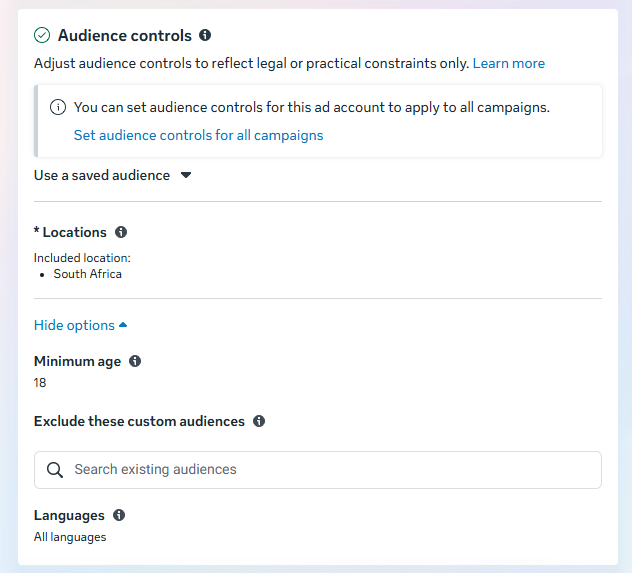
Audience customization represents one of the most critical phases of ad deployment. Meta Ads Manager provides three core audience controls by default: geographic location, age parameters, and language preferences. However, detailed demographic, interest, and behavioral segmentation are managed through advanced audience frameworks. Advertisers can construct three primary audience types:
- Core Audiences: Built manually using specific demographic, geographic, and psychographic criteria.
- Custom Audiences: Formed by uploading proprietary customer data, such as email lists, or by tracking website visitors via the Meta Pixel.
- Lookalike Audiences: Generated by Meta’s algorithmic modeling to identify new users who share characteristics with an organization’s existing high-value customer base.
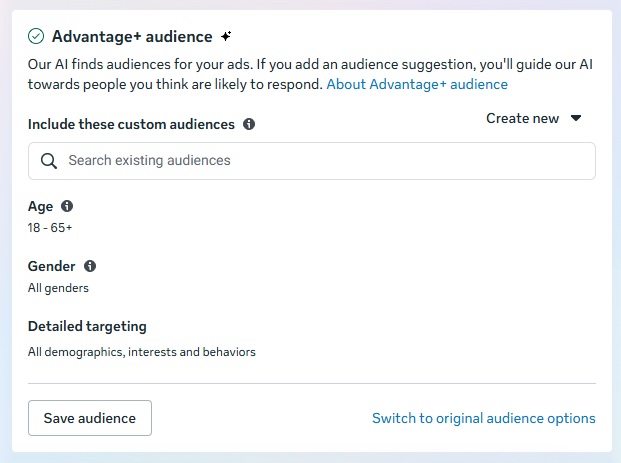
To further streamline performance, media buyers can activate the Meta Advantage+ audience feature. This AI-driven tool continuously analyzes real-time user signals to dynamically adjust targeting parameters, identifying individuals most likely to complete the desired conversion action without requiring manual micro-management.
Ad placement configurations follow a similar dichotomy between automated intelligence and manual control. Advantage+ placements allow Meta’s algorithms to distribute ads dynamically across feeds, stories, reels, search results, and marketplace environments based on where they are most likely to yield optimal performance. Alternatively, media buyers can select manual placements to restrict visibility to specific formats or platforms across the Meta ecosystem.
Stage Three: Ad Creation, Creative Formats, and Destination Setup
The final tier involves building the creative asset itself. Advertisers select their authorized Facebook Page and Instagram profile identities, then choose from several foundational ad formats:
- Single Image or Video: The most common format, utilizing clean visual assets and concise copywriting.
- Carousel: Displays multiple swipeable images or videos within a single ad unit, ideal for showcasing product catalogs or sequential storytelling.
- Collection: Features a primary hero image or video accompanied by a grid of smaller products, opening a fast-loading immersive instant experience on mobile devices.
Media buyers must ensure that all uploaded creative assets strictly adhere to platform-specific dimension and resolution guidelines to prevent cropping or pixelation. Accompanying the visuals, primary text, headlines, and call-to-action (CTA) buttons must be configured to drive immediate user comprehension.
Finally, advertisers designate the conversion destination. Options include external website URLs (enhanced with UTM tracking parameters for granular analytics), Meta Instant Experiences (fast-loading mobile landing pages hosted within the app), direct messaging threads via Messenger, Instagram Direct, or WhatsApp, and direct phone call integration.
Review, Publication, and Algorithmic Learning
Upon finalizing all parameters, administrators submit the campaign by clicking the "Publish" button. This action initiates Meta’s automated and manual ad review process. The platform evaluates the submitted creative and associated copy against established community standards and advertising policies. This review typically concludes within 24 hours, after which the advertiser receives an email notification confirming activation.
Once live, campaigns enter the critical "learning phase." During this initial window, Meta’s algorithms systematically test the ad across various audience segments to gather performance data and stabilize delivery costs. Industry experts strongly advise against making major budget or creative adjustments during the first three to seven days of a campaign’s lifecycle, as premature alterations reset the algorithmic learning process and impair long-term optimization.
Financial Benchmarks and Cost Analysis
Advertising expenditures on Meta vary widely depending on industry verticals, audience competitiveness, and campaign objectives. While the platform permits nominal budgets starting at $1 per day per ad set, sustainable acquisition typically requires a more substantial financial commitment to clear the algorithmic learning phase effectively.
Market research indicates that the average cost-per-click (CPC) across all global industries hovers around $1.72, though vertical-specific averages fluctuate significantly. High-competition sectors such as finance and insurance experience average CPCs approaching $3.77, whereas consumer services and home improvement range near $3.08 and $2.93, respectively. Conversely, retail, apparel, and travel sectors benefit from lower acquisition costs, frequently seeing average CPCs ranging from $0.45 to $0.70.
Strategic Optimization and Performance Measurement
Sustaining long-term success with Meta advertising requires continuous performance monitoring and iterative optimization. Advertisers must leverage the Meta Pixel—a foundational snippet of website code—and the Conversions API to accurately track user behavior, monitor post-click conversions, and build sophisticated retargeting funnels.
A/B split testing remains an invaluable methodology for refining campaign efficiency. By pitting two distinct variables—such as contrasting ad imagery, alternative copywriting angles, or divergent audience segments—against one another in a controlled environment, marketers can isolate high-performing elements and reallocate capital accordingly.
Ultimately, while the initial complexity of Meta Ads Manager can be intimidating for new users, mastering its structured architecture unlocks an unparalleled engine for brand growth, precise customer acquisition, and measurable return on investment in the digital age.