Muhammad Hendra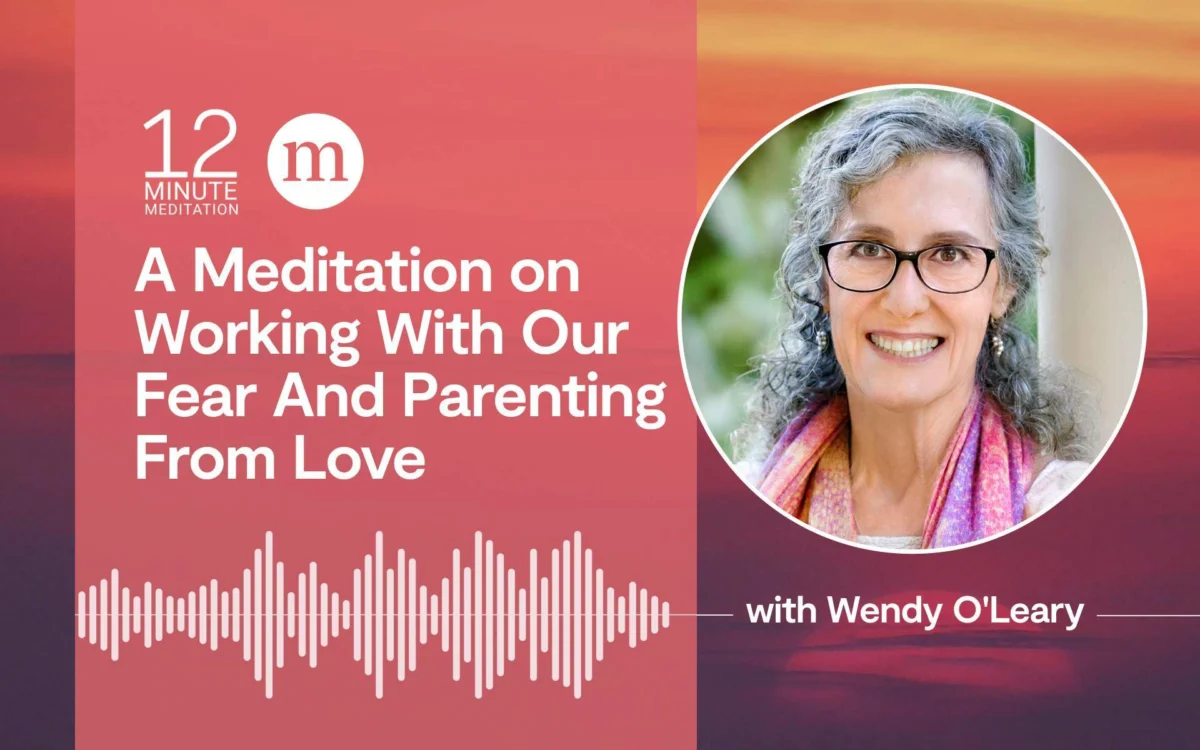
In an era characterized by unprecedented demands on caregivers, many parents find themselves navigating a "season of struggle" with their children, often feeling isolated in their challenges. A growing body of research and expert consensus points to the critical role of parental well-being in fostering healthy family dynamics. Central to this emerging understanding is the practice of mindfulness and self-compassion, offering a pathway for parents to reconnect with an intrinsic sense of steadiness and to parent from a place of love, rather than fear or worry. Wendy O’Leary, M.Ed., a certified mindfulness teacher and parent educator, advocates for a gentle practice designed to help parents recenter themselves, particularly during difficult moments. Her approach emphasizes the importance of acknowledging the underlying love that often gets obscured by stress and concern, providing a tangible method for parents to access compassionate wisdom.
The Modern Parental Landscape: Navigating Unprecedented Pressures
The contemporary parenting experience is significantly more complex than in previous generations. Parents today grapple with a confluence of factors, including the constant demands of a digital world, intense societal pressures to raise "perfect" children, economic anxieties, and the persistent challenge of balancing career aspirations with family responsibilities. A 2021 study published in the journal Pediatrics found that parental burnout is a significant and growing concern, affecting an estimated 8% of parents in the United States. This burnout is characterized by exhaustion, emotional detachment from children, and a sense of ineffectiveness in one’s parenting role. Furthermore, research from the American Psychological Association indicates that parents consistently report higher stress levels than non-parents, with worries about their children’s future, academic performance, and mental health frequently cited as major stressors.
This heightened state of stress and concern often manifests as fear and worry, which, while rooted in a desire for a child’s well-being, can inadvertently lead to reactive rather than responsive parenting. When operating from a place of fear, parents may become overly controlling, critical, or emotionally distant, inadvertently creating tension and distance in the parent-child relationship. The challenge, as O’Leary and other experts highlight, is not to eliminate concern but to transform the response to it, ensuring that parenting actions are guided by love and wisdom rather than anxiety.
The Neurobiology of Parental Stress and Its Impact
Understanding the physiological underpinnings of parental stress provides crucial context for the efficacy of mindfulness practices. When parents experience stress or fear, their autonomic nervous system activates the "fight, flight, or freeze" response. This involves the release of stress hormones like cortisol and adrenaline, which can hijack the prefrontal cortex—the part of the brain responsible for executive functions like rational thought, emotional regulation, and thoughtful decision-making. In such a state, parents may find themselves reacting impulsively, speaking harshly, or struggling to empathize with their child’s perspective.
Conversely, practices like mindfulness and self-compassion can activate the parasympathetic nervous system, promoting a "rest and digest" state. This shift allows the prefrontal cortex to regain control, enabling parents to respond to challenging situations with greater calm, clarity, and compassion. Studies utilizing neuroimaging techniques have shown that mindfulness meditation can lead to structural and functional changes in the brain, including increased gray matter density in areas associated with emotional regulation, empathy, and perspective-taking. For parents, this translates into an enhanced capacity to manage their own emotions, understand their children’s needs more deeply, and respond in ways that foster connection and resilience.
The Evolution of Mindful Parenting: A Chronological Overview
The integration of mindfulness into parenting strategies is a relatively recent development, building upon decades of research into mindfulness-based interventions. The modern mindfulness movement gained significant traction in the Western world with the pioneering work of Dr. Jon Kabat-Zinn, who founded the Mindfulness-Based Stress Reduction (MBSR) program at the University of Massachusetts Medical School in the late 1970s. Initially designed for patients with chronic pain and stress, MBSR demonstrated the profound benefits of cultivating present-moment awareness and non-judgmental acceptance.
Over the subsequent decades, researchers and practitioners began adapting mindfulness principles for specific populations and contexts. By the early 2000s, the concept of "mindful parenting" began to emerge as a distinct field of study and practice. Early pioneers in this area, such as Susan Bögels and Shauna Shapiro, started developing programs specifically tailored to address the unique challenges and opportunities of raising children with intentional awareness. These programs integrated core mindfulness practices—such as focused attention, open awareness, and self-compassion—with established parenting techniques.
Wendy O’Leary’s work, including her books and guided practices, stands firmly within this tradition. Her contributions reflect the ongoing refinement of these methods, making them accessible and practical for everyday parental use. Her focus on reconnecting with "the ground of our love and the wish for our children to be happy and well" encapsulates the essence of mindful parenting—to cultivate an internal anchor that allows parents to navigate the turbulent waters of child-rearing with greater grace and wisdom. Her upcoming publication, a card deck for children titled "Let’s Grow Happiness," further demonstrates the extension of these principles to directly empower children with emotional resilience tools.
Wendy O’Leary’s Practice: A Pause for Compassionate Wisdom
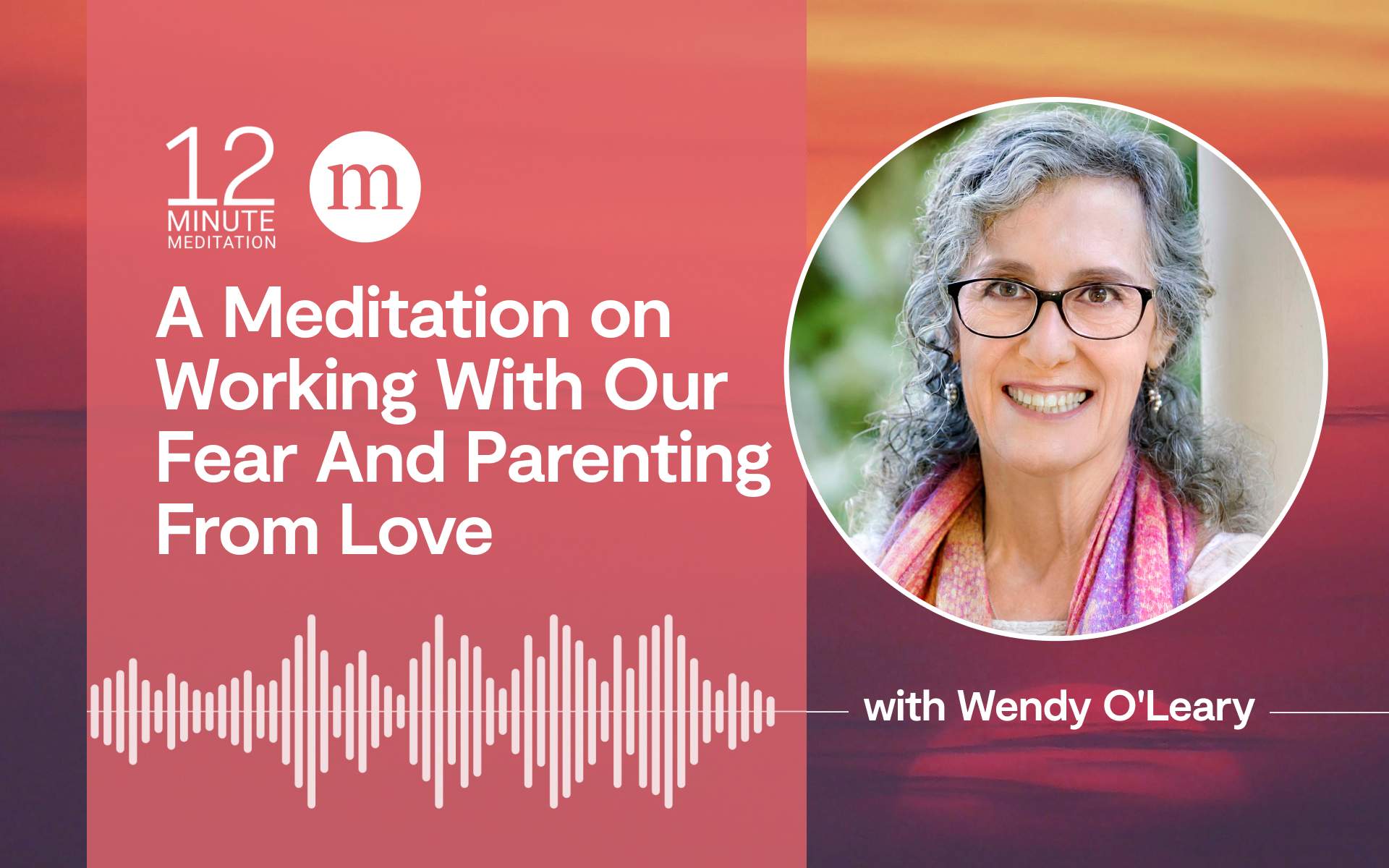
O’Leary’s core offering is a simple yet profound practice: a mindful pause. This pause is not about disengaging but rather about creating a deliberate moment for internal recalibration. It’s an invitation to step back from the immediate surge of emotion—be it frustration, anger, or anxiety—and intentionally reconnect with the deeper intention of love that underpins most parental concern. By doing so, parents can shift their response from an automatic, often reactive, pattern to a conscious, compassionate choice.
The practice typically involves:
- Acknowledging the Struggle: Recognizing that a moment of difficulty is occurring, without judgment. This validates the parent’s experience and reduces feelings of isolation.
- Noticing the Physical Sensations: Becoming aware of how fear or worry manifests in the body (e.g., tension in the shoulders, a knot in the stomach). This helps to ground the experience in the present moment.
- Connecting with the Intention of Love: Deliberately recalling the foundational love for the child and the genuine wish for their happiness and well-being. This reorients the parent towards their deepest values.
- Cultivating Self-Compassion: Offering kindness and understanding to oneself for experiencing difficulty, recognizing that parenting is inherently challenging. This reduces self-criticism and builds emotional resilience.
- Choosing a Response: From this more grounded and compassionate space, deciding how to proceed, allowing love and wisdom to guide the interaction.
This "pause of support and encouragement" serves as an accessible tool that can be deployed anytime, anywhere, allowing parents to consistently return to their core values even amidst chaos. O’Leary’s expertise as a health educator and self-compassion advocate further strengthens the practical applicability of her methods, ensuring they are not just theoretical but deeply rooted in actionable strategies for emotional resilience.
Empirical Evidence: The Transformative Impact of Mindful Parenting
The benefits of mindful parenting are not merely anecdotal; they are increasingly supported by robust scientific evidence. Numerous studies have demonstrated positive outcomes for both parents and children:
- Reduced Parental Stress and Burnout: A meta-analysis published in Mindfulness (2019) found that mindfulness-based interventions significantly reduce parental stress, anxiety, and depressive symptoms. Parents who practice mindfulness report feeling less overwhelmed and more capable of managing daily stressors.
- Improved Parent-Child Relationships: Research indicates that mindful parenting fosters warmer, more responsive, and less reactive parent-child interactions. Parents become better listeners, more attuned to their children’s emotional states, and more effective in conflict resolution. This leads to stronger bonds and improved communication.
- Enhanced Child Well-being: Children of mindful parents often exhibit better emotional regulation skills, reduced anxiety and aggression, and improved social competence. When parents model mindfulness and self-compassion, children learn these crucial life skills by observation and direct teaching.
- Increased Parental Self-Compassion: Mindful parenting practices inherently cultivate self-compassion, helping parents to be kinder to themselves when they make mistakes or feel inadequate. This reduces self-criticism and promotes a more resilient, sustainable approach to parenting.
- Better Emotional Regulation: Both parents and children develop improved capacity to understand and manage their emotions, leading to fewer meltdowns, more constructive problem-solving, and a more peaceful home environment.
For instance, a study in the Journal of Child and Family Studies found that parents who participated in a mindful parenting program reported a 30% reduction in parenting-related stress and a significant increase in their ability to respond calmly to challenging child behaviors. These findings underscore the profound and multifaceted impact of integrating mindfulness into family life.
Expert and Organizational Perspectives on Mindful Parenting
Across the fields of psychology, child development, and public health, there is a growing consensus regarding the vital importance of parental mental well-being and the efficacy of mindfulness as a supportive practice.
Dr. Kristin Neff, a leading researcher in self-compassion, consistently emphasizes that self-compassion is not self-indulgence but a crucial resource for parents. "Parents are constantly giving, and if their own well isn’t full, they can’t continue to give sustainably," Neff often states, underscoring the necessity of practices like O’Leary’s for parental resilience. Child development specialists, such as those at the American Academy of Pediatrics, increasingly advocate for approaches that equip parents with tools for emotional regulation, recognizing that a calm and regulated parent is better able to provide a stable and nurturing environment for their child’s development.
Organizations like Mindful.org, which published the original insights from Wendy O’Leary, play a crucial role in disseminating these practices to a wider audience. Their mission to make mindfulness accessible aligns perfectly with the need for practical, evidence-based strategies for parents. Educational institutions and community health programs are also increasingly integrating mindful parenting workshops and resources into their offerings, acknowledging the societal benefits of fostering emotionally intelligent and resilient families. This widespread endorsement from various professional bodies validates the importance and effectiveness of practices that help parents reconnect with their compassionate core.
Broader Societal Implications: Cultivating a More Compassionate Future
The implications of widespread adoption of mindful parenting extend far beyond individual families. A generation of parents equipped with tools to navigate stress from a place of love and steadiness could have a transformative impact on society.
- Reduced Mental Health Burdens: By fostering emotional resilience in both parents and children, mindful parenting can contribute to a reduction in rates of anxiety, depression, and behavioral issues across the population.
- Stronger Communities: Families are the building blocks of communities. When families are more harmonious and resilient, the communities they inhabit tend to be more stable, empathetic, and supportive.
- Intergenerational Well-being: The skills learned through mindful parenting are often passed down through generations. Children who experience mindful parenting are more likely to become mindful parents themselves, creating a positive ripple effect that can span decades.
- More Empathetic Citizens: Learning empathy and compassion within the family unit helps individuals develop these traits in their interactions with the wider world, potentially leading to a more understanding and compassionate society.
In essence, the gentle practice of reconnecting with love and steadiness, as championed by experts like Wendy O’Leary, is not merely a self-help strategy but a vital component of a broader societal movement towards greater well-being, emotional intelligence, and human connection. It offers a powerful counter-narrative to the pervasive stress of modern life, reminding parents—and indeed all individuals—of the profound capacity for love and wisdom that resides within, waiting to be rediscovered and applied.