Muhammad Hendra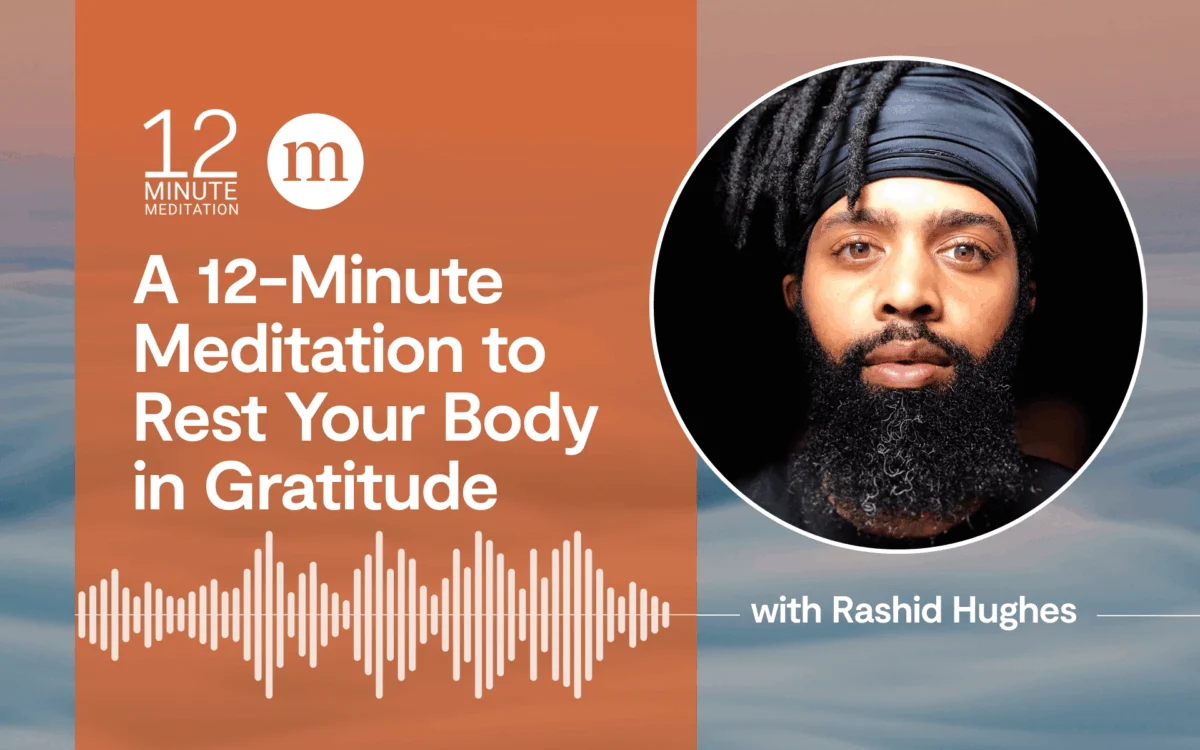
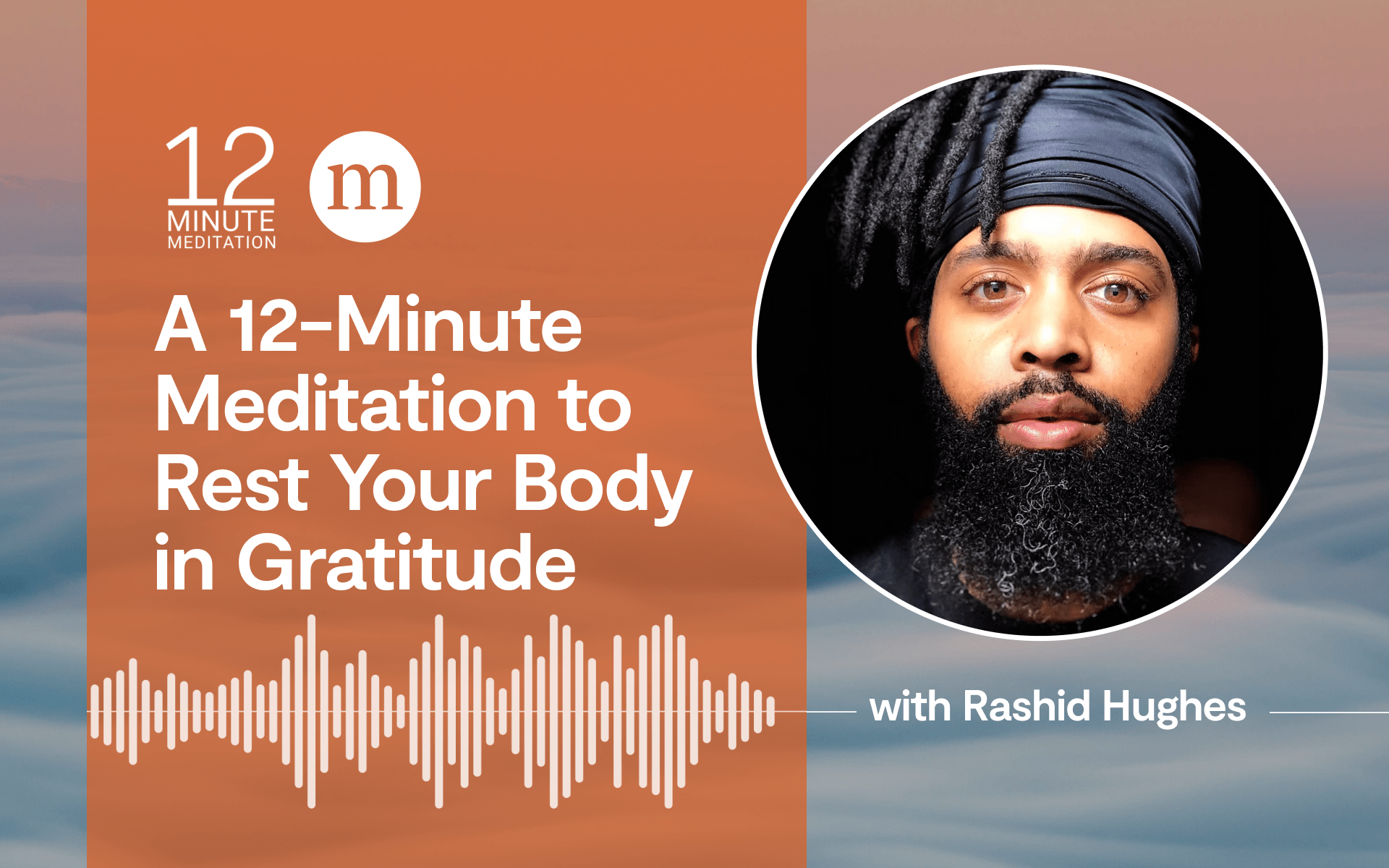
The concept of taking a restorative moment to release tension and cultivate deep gratitude for one’s body, exemplified by practices like the 12-minute guided meditation featured on Mindful.org by Rashid Hughes, represents a significant current in the broader movement towards holistic well-being and stress reduction. This specific meditation encourages individuals to pause with the intention of allowing their bodies to "rest in awareness," fostering a sense of restoration and renewal. The practice is designed to counter the prevalent modern phenomenon of overworked and often ignored bodily signals, inviting participants to appreciate the "beauty and mystery" of their physical selves through mindful gratitude. This seemingly simple practice is, in fact, indicative of a larger societal shift towards integrating contemplative practices into daily life, driven by mounting evidence of their psychological, physiological, and even societal benefits.
The Growing Imperative for Rest and Awareness
In an increasingly demanding and fast-paced world, the human body is frequently subjected to chronic stress, long working hours, and constant digital stimulation, leading to widespread issues such as burnout, anxiety, and various stress-related physical ailments. The World Health Organization (WHO) recognized burnout as an occupational phenomenon in its International Classification of Diseases (ICD-11) in 2019, underscoring the severity of this modern challenge. Statistics from various sources consistently highlight this crisis: a 2023 report by the American Psychological Association found that a significant percentage of adults experience high levels of stress, impacting their mental and physical health. The economic cost of stress and mental health issues is staggering, with billions lost annually in productivity and healthcare expenditures globally.
Against this backdrop, practices that promote intentional rest, self-compassion, and gratitude have emerged as vital tools for individual and collective resilience. The core tenet of the meditation — to acknowledge and appreciate the hard-working body — directly addresses this deficit of self-care and mindful presence. It posits that by consciously pausing and tuning into the body’s sensations with gratitude, individuals can activate the parasympathetic nervous system, responsible for the "rest and digest" response, thereby mitigating the detrimental effects of chronic stress.
A Brief Chronology of Mindfulness Integration
The journey of mindfulness from ancient spiritual traditions to mainstream secular application has been a gradual yet profound one. Its roots lie in Buddhist meditation practices, dating back thousands of years, emphasizing present-moment awareness and non-judgmental observation.
- 1970s: The secularization of mindfulness gained significant traction in the Western world with the pioneering work of Jon Kabat-Zinn. In 1979, Kabat-Zinn, a molecular biologist, founded the Stress Reduction Clinic at the University of Massachusetts Medical School, developing the Mindfulness-Based Stress Reduction (MBSR) program. This program stripped mindfulness of its religious connotations, presenting it as a practical method for coping with stress, pain, and illness.
- 1980s-1990s: MBSR began to be adopted in hospitals and medical centers, primarily for chronic pain management and stress reduction. Research into its efficacy slowly began to accumulate, laying the groundwork for broader acceptance.
- 2000s: Mindfulness research accelerated dramatically. Universities across the globe established mindfulness centers and research initiatives. The development of Mindfulness-Based Cognitive Therapy (MBCT) for preventing relapse in depression further solidified its clinical credibility. Publications like Mindful magazine (founded in 2013, though its origins as Shambhala Sun predate it) and numerous books brought mindfulness into public discourse.
- 2010s-Present: Mindfulness experienced an explosion in popularity, fueled by technology and a growing public appetite for mental wellness tools. Meditation apps like Calm and Headspace garnered millions of users, making guided practices readily accessible. Corporations began implementing mindfulness programs for employee well-being, and educational institutions introduced mindfulness curricula for students. Figures like Rashid Hughes, with his background in meditation teaching and restorative justice, represent the contemporary evolution of this movement, bringing these practices to diverse communities and addressing specific needs, such as those within Black, Indigenous, and People of Color (BIPOC) communities through initiatives like the Heart Refuge Mindfulness Community.
Scientific Underpinnings and Supporting Data
The shift from ancient wisdom to modern therapeutic intervention has been largely propelled by a burgeoning body of scientific research validating the benefits of mindfulness and gratitude practices. Neuroscientific studies, utilizing advanced imaging techniques like fMRI, have revealed tangible changes in the brain structures and functions of regular meditators.
- Brain Plasticity: Research indicates that mindfulness meditation can lead to increased gray matter density in brain regions associated with learning, memory, emotion regulation, and self-awareness, such as the hippocampus and the temporo-parietal junction. Conversely, studies have shown reductions in the amygdala, the brain’s "fear center," suggesting a decreased reactivity to stressors.
- Stress Reduction: A meta-analysis published in JAMA Internal Medicine in 2014 reviewed over 47 trials and found that mindfulness meditation programs showed moderate evidence of improving anxiety, depression, and pain. Other studies have demonstrated reduced levels of cortisol, the primary stress hormone, in individuals practicing mindfulness.
- Emotional Regulation: Mindful practices enhance emotional regulation by improving the ability to observe thoughts and feelings without being overwhelmed by them, fostering a greater sense of psychological distance and choice in response.
- Physical Health: Beyond mental well-being, mindfulness has been linked to improved cardiovascular health, enhanced immune function, better sleep quality, and even slower cellular aging. Gratitude practices, specifically, have been shown to correlate with lower blood pressure, improved sleep, and reduced symptoms of depression. A study by Dr. Robert A. Emmons, a leading researcher on gratitude, consistently demonstrates that individuals who regularly practice gratitude report higher levels of positive emotions, alertness, enthusiasm, and determination.
- The Wellness Economy: The widespread adoption of these practices has fueled a massive wellness industry. The Global Wellness Institute reported that the global wellness economy was valued at over $4.4 trillion in 2020, with sectors like "Mindful Movement" (yoga, Pilates, etc.) and "Mental Wellness" (including meditation and mindfulness apps) experiencing substantial growth. The meditation app market alone is projected to reach billions of dollars in valuation in the coming years.
Official Responses and Institutional Integration
The recognition of mindfulness and gratitude as valuable tools extends beyond individual practice, permeating various institutional sectors.
- Healthcare: Medical professionals are increasingly incorporating mindfulness into treatment protocols. Hospitals offer MBSR programs for patients dealing with chronic pain, cancer, and other severe illnesses. Mental health professionals frequently recommend mindfulness-based therapies for anxiety disorders, depression, and post-traumatic stress disorder (PTSD). Some insurance providers are beginning to cover these interventions, signaling a growing acceptance within conventional medicine.
- Corporate Sector: Major corporations, including Google, Apple, and General Mills, have implemented internal mindfulness programs, recognizing the link between employee well-being, productivity, and retention. These programs often include guided meditations, workshops on stress management, and dedicated quiet spaces. A 2018 survey by Willis Towers Watson found that nearly one-third of employers offered mindfulness training to their employees. The rationale is clear: a less stressed workforce is a more focused, creative, and resilient one.
- Education: Schools from kindergarten to university level are integrating mindfulness into their curricula. Programs aim to enhance students’ focus, reduce stress, improve emotional intelligence, and cultivate empathy. Teachers report improved classroom environments and better academic performance among students who practice mindfulness. Universities often provide meditation spaces and workshops for students and faculty to manage academic pressures.
- Public Health and Government Initiatives: While less widespread than in other sectors, some public health bodies and local governments are exploring mindfulness as a public health intervention. Initiatives might include community-based stress reduction programs or mental wellness campaigns. For instance, in the UK, the Mindfulness All-Party Parliamentary Group has advocated for greater access to mindfulness-based interventions in health, education, and criminal justice settings. These efforts underscore a growing recognition of mindfulness as a preventative and ameliorative tool for population-level well-being.
Broader Impact and Implications
The widespread adoption and scientific validation of practices like the 12-minute gratitude meditation carry significant broader implications for society.
- Public Health Transformation: By promoting self-care and stress reduction at an individual level, mindfulness and gratitude practices have the potential to shift public health paradigms from reactive treatment of illness to proactive promotion of well-being. If more individuals regularly engage in these practices, it could lead to a reduction in chronic stress-related diseases, lower healthcare costs, and a healthier population overall.
- Enhanced Social Cohesion: The cultivation of gratitude and empathy, often a byproduct of mindfulness, can foster stronger interpersonal relationships and more compassionate communities. When individuals are more attuned to their own well-being and less reactive to stress, they are often better equipped to engage constructively with others, potentially leading to reductions in conflict and an increase in prosocial behaviors. The work of facilitators like Rashid Hughes, who specifically address the needs of marginalized communities, exemplifies how these practices can be tailored to foster healing and empowerment within specific social contexts, promoting community resilience and social justice.
- Economic Productivity and Innovation: A workforce that is less stressed, more focused, and emotionally resilient is inherently more productive and innovative. The investment by corporations in mindfulness programs is a testament to this understanding. As more organizations embrace these practices, the economic benefits could be substantial, contributing to more sustainable and humane work environments.
- Ethical Considerations and "McMindfulness": As mindfulness has gained popularity, it has also faced scrutiny. Critics have raised concerns about "McMindfulness," suggesting that the secularization and commodification of these practices risk diluting their transformative potential, reducing them to mere stress-reduction techniques without their deeper ethical and contemplative dimensions. The commercialization through apps and corporate programs sometimes overshadows the profound personal and societal transformation that traditional practices aim to inspire. There are also debates about the qualifications of teachers and the potential for harm if practices are not taught responsibly.
- Future Directions: The future of mindfulness and gratitude practices likely involves further integration into diverse sectors, continued scientific research to refine understanding and application, and a greater emphasis on ethical teaching and accessibility. There is a growing recognition that these practices are not a panacea but a powerful set of tools that, when applied thoughtfully and consistently, can significantly enhance individual and collective well-being. The challenge lies in ensuring that as these practices become more mainstream, their core integrity and potential for deep transformation are preserved.
In conclusion, the simple invitation to take a 12-minute pause to rest the body in gratitude, as offered by Rashid Hughes through Mindful.org, is far more than a fleeting suggestion for personal solace. It stands as a microcosm of a much larger, global movement towards reclaiming well-being in an increasingly complex world. Supported by a robust and expanding body of scientific evidence, integrated into diverse institutional settings, and addressing critical societal needs, mindfulness and gratitude practices are carving out an indispensable role in contemporary life, promising a path towards greater resilience, compassion, and holistic health for individuals and communities alike.