Cintya Tara Annisa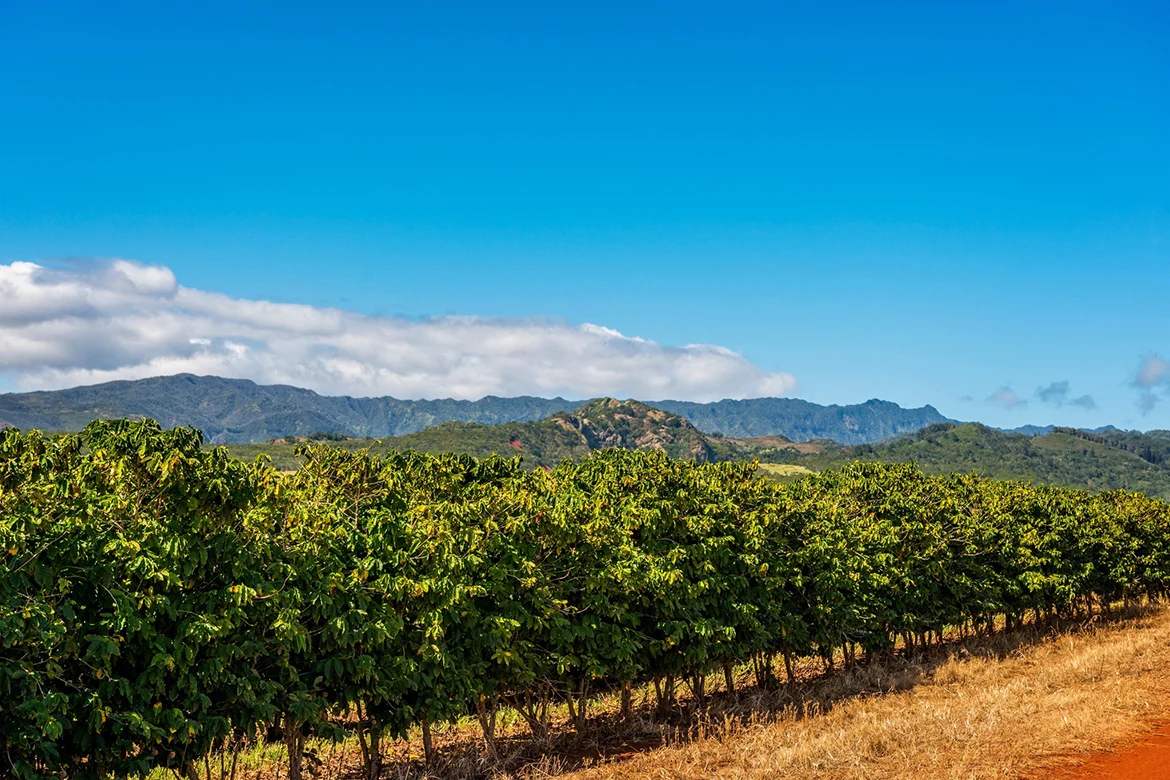
The resolution of the land lease negotiations for the Kauai Coffee Estate marks a significant turning point for the Hawaiian agricultural sector, providing stability to the largest coffee-growing operation in the United States. Kauai Coffee Company, a subsidiary of Massimo Zanetti Beverage USA (MZB), has officially finalized an agreement to continue its operations on the 3,100-acre estate located on the "Garden Isle" of Kauai. This announcement concludes a period of profound uncertainty that began earlier this year when the future of the estate was cast into doubt following the land being put up for public sale. The preservation of this estate ensures the continued employment of over 140 staff members and safeguards an agricultural output that represents approximately 25 percent of the total coffee production in the United States.
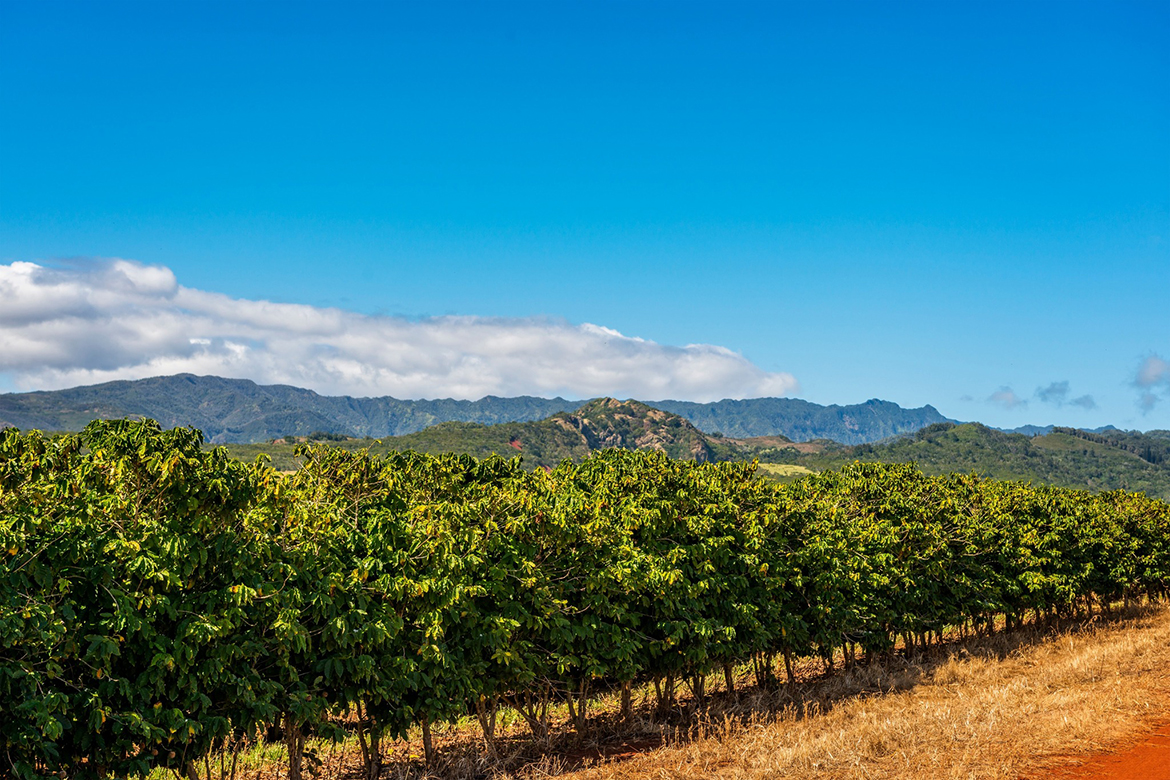
The Kauai Coffee Estate is an agricultural powerhouse, home to more than four million coffee trees. Its annual yield, ranging between one and two million pounds of green coffee, makes it a cornerstone of the domestic coffee industry. Unlike the smaller, high-altitude boutique farms found in the Kona district of the Big Island, Kauai Coffee operates on a massive scale, utilizing mechanical harvesting and sophisticated processing techniques to supply both domestic and international markets. The finalization of the lease ensures that this vital supply chain remains uninterrupted, a development that has been met with relief by industry analysts and the local community alike.
The 2024 Lease Crisis: A Chronology of Uncertainty
The crisis surrounding the Kauai Coffee Estate began to take shape in early 2024. While Kauai Coffee and its parent company, Massimo Zanetti Beverage USA, manage the day-to-day operations and own the brand, they do not own the underlying land. Since 2022, the 3,100-acre parcel has been owned by a Colorado-based investment firm. In January 2024, it was revealed that the investment group had decided to put the land lease up for public sale, a move that potentially opened the door for developers or other agricultural interests to displace the coffee operation.
At the time, the investment firm stated that it had been "engaging constructively and in good faith" with Massimo Zanetti Beverage, yet the decision to open the lease to the public market created a high-stakes environment for the coffee producer. The original lease agreement was set to expire at the end of March 2024. As that deadline approached, the 141 employees of the estate faced a state of professional limbo, unsure if their positions would exist by the second quarter of the year. Furthermore, the Kauai Coffee visitor center, a major tourism draw for the island, faced potential closure.
The negotiation period was characterized by a groundswell of local support for the company. Community leaders and residents expressed concern that the loss of Kauai Coffee would not only hurt the island’s economy but also erase a significant portion of Kauai’s agricultural heritage. The successful finalization of the lease, although the specific financial terms and the exact duration of the contract remain confidential, effectively restores "business as usual" for the estate. This includes the full reopening of the visitor center and the resumption of long-term agricultural planning that had been paused during the negotiations.
The Broader Context of Hawaiian Coffee Industry Challenges
The relief felt following the Kauai Coffee lease agreement is magnified by the series of setbacks that have plagued the Hawaiian coffee industry over the past decade. Hawaii is the only state in the U.S. with a significant commercial coffee industry, and its producers have faced an unprecedented combination of biological, geological, and socio-political hurdles.
One of the most persistent threats has been the Coffee Borer Beetle (Hypothenemus hampei). First detected on the Big Island in 2010 and subsequently found on Kauai and Maui, this invasive pest burrows into the coffee cherry to lay eggs, destroying the bean from the inside. The infestation has forced farmers to adopt expensive integrated pest management strategies, including the use of fungal sprays and, more recently, the experimental introduction of parasitic wasps to biological control the beetle population.
In addition to pests, the industry has grappled with Coffee Leaf Rust (Hemileia vastatrix), a devastating fungal disease discovered in Hawaii in late 2020. This fungus causes leaves to drop, weakening the trees and eventually killing them if left untreated. For a large-scale operation like Kauai Coffee, managing such a disease across 3,100 acres requires massive capital investment and constant vigilance.
Geological disasters have also played a role in destabilizing production. In late 2021, a magnitude 6.2 earthquake struck off the coast of the Big Island, causing significant damage to the intricate water and irrigation systems that Kona coffee farms rely on. Many small-scale farmers found themselves without the infrastructure necessary to process their harvests, leading to substantial crop losses.
Furthermore, the industry has faced labor challenges. Recent immigration crackdowns and shifting labor policies have disproportionately affected Kona coffee farms, which rely heavily on seasonal manual labor for harvesting on steep volcanic slopes. In contrast, while Kauai Coffee uses mechanical harvesters, the company still requires a large, stable workforce for processing, maintenance, and administrative operations. The threat of the lease expiration added a layer of corporate instability to an already fragile agricultural landscape.
Economic and Social Implications of the Lease Finalization
The stabilization of Kauai Coffee has immediate positive implications for the economy of the Garden Isle. As one of the largest private employers on the island, the company provides a livelihood for 141 families. The loss of these jobs would have had a cascading effect on the local economy, reducing consumer spending and potentially leading to out-migration.
The visitor center also plays a critical role in the island’s tourism sector. As a "working farm" destination, it provides tourists with an educational experience regarding the "seed-to-cup" process. This form of agritourism is increasingly vital for Hawaii as the state seeks to diversify its tourism offerings and promote sustainable, land-based attractions. By securing the lease, Kauai Coffee ensures that this revenue stream—and the educational value it provides—remains intact.
Brian Kubicki, the General Manager of Kauai Coffee Company, emphasized the deep connection between the farm and the local community in a statement following the lease finalization. He noted that the company has always "belonged to the people of Kauai" and expressed profound gratitude for the "overwhelming outpouring of support and aloha" from the community during the period of uncertainty. Kubicki’s statement also highlighted a shift from a defensive posture to a growth-oriented one, stating that the company is "actively looking forward to bringing even more job opportunities to our local community."

Agricultural Data and Production Analysis
To understand the scale of this development, one must look at the production data. The United States consumes more coffee than almost any other nation, yet domestic production remains a tiny fraction of total consumption. Hawaii and Puerto Rico are the primary contributors to this domestic supply.
Kauai Coffee’s output of one to two million pounds annually is staggering when compared to the average Hawaiian farm. Most coffee farms in the Kona or Ka’u districts are small, family-owned plots of 5 to 10 acres. Kauai Coffee, by contrast, manages a contiguous 3,100-acre estate. This allows for economies of scale that are unique in the American coffee industry. The estate utilizes a variety of cultivars, including Yellow Catuai, Red Catuai, Typica, Blue Mountain, and Mundo Novo.
The security of the land lease allows the company to continue its investments in sustainable farming practices. Kauai Coffee has been a leader in the industry for its "orchard-to-cup" traceability and its commitment to environmental stewardship. This includes large-scale composting programs, efficient irrigation systems that minimize water waste, and the maintenance of a massive carbon sink provided by the four million trees on the property. Without a long-term lease, the incentive to invest in these multi-year sustainability projects would have vanished.
Future Outlook for American Coffee
The successful lease negotiation for Kauai Coffee provides a rare piece of positive news in a global coffee market currently characterized by volatility. Global coffee prices have been impacted by climate change, shipping disruptions, and rising labor costs in traditional growing regions like Brazil and Vietnam. Maintaining a robust domestic production capability is increasingly seen as a matter of agricultural security.
With the lease finalized, Kauai Coffee is positioned to continue its role as a leader in the U.S. market. The company’s parent organization, Massimo Zanetti Beverage USA, is part of one of the largest coffee groups in the world, which provides the financial backing necessary to navigate the high costs of Hawaiian agriculture. The synergy between local Hawaiian land management and global corporate resources appears to have found a stable middle ground.
As the 2024 harvest season approaches, the focus at the estate has shifted from legal and real estate concerns back to the health of the trees and the quality of the bean. For the 141 employees who faced an uncertain future just months ago, the news is more than just a corporate update—it is a guarantee of continued stability. For the state of Hawaii, it represents the preservation of a vital industry that defines the cultural and economic identity of the islands. The "Garden Isle" will continue to be a primary source of American-grown coffee, ensuring that the legacy of the 3,100-acre estate continues for the next generation of coffee drinkers and agricultural workers.