Michael Sholeh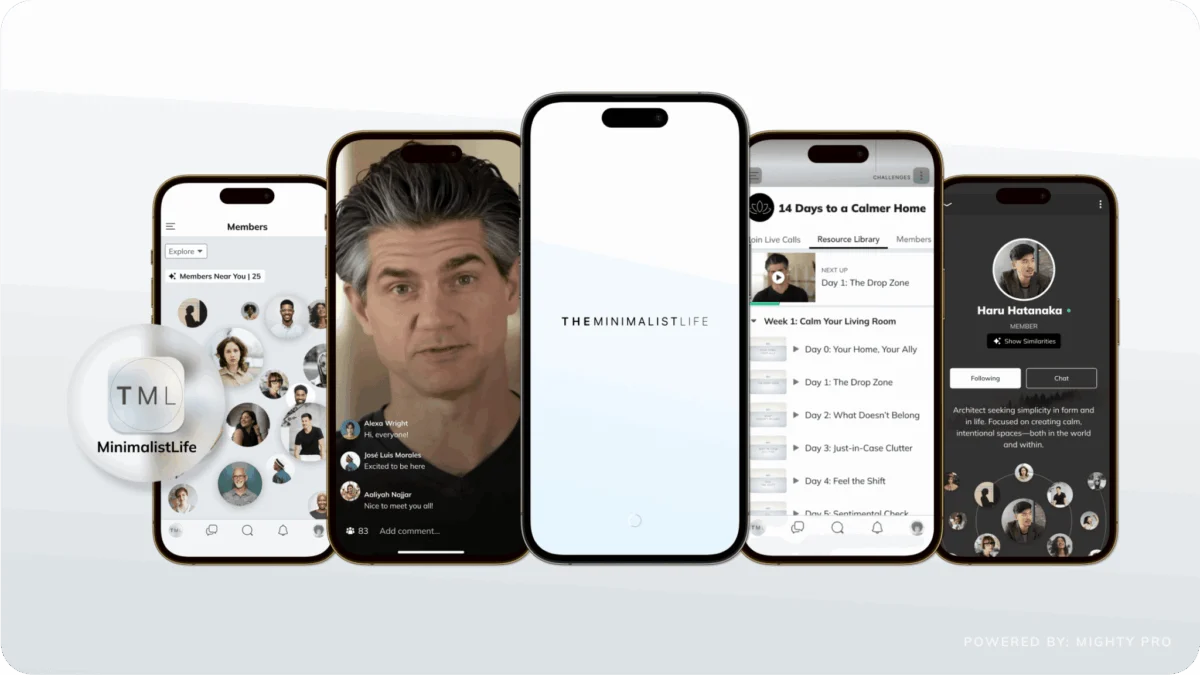
The launch comes at a time when the minimalist movement is transitioning from a niche aesthetic trend into a broader psychological and economic philosophy. Becker’s decision to move into community-based support addresses a recurring challenge reported by his audience: the difficulty of maintaining minimalist principles after the initial enthusiasm of a "decluttering" phase fades. By offering a platform focused on ongoing interaction rather than static information, Becker aims to bridge the gap between temporary domestic organization and a permanent shift in life philosophy.
The Evolution of the Minimalist Movement
To understand the significance of Becker’s new offering, it is necessary to examine the trajectory of the minimalist movement over the last 17 years. The modern interest in minimalism gained substantial traction during the Great Recession of 2008. As global markets faced instability, a segment of the population began to question the sustainability of consumer-driven lifestyles. Joshua Becker was among the early digital pioneers of this era, documenting his family’s journey of removing non-essential items from their suburban home in Vermont.
Over the subsequent decade, the movement expanded through various media. Becker’s own contributions include over 1,700 articles and 400 videos, alongside several best-selling books such as The More of Less and The Minimalist Home. His "Uncluttered" course, a structured program for home organization, has reportedly seen enrollment from over 90,000 individuals. This period also saw the rise of other influential figures, such as Marie Kondo and "The Minimalists" (Joshua Fields Millburn and Ryan Nicodemus), who helped bring the concept into the cultural mainstream through Netflix specials and international speaking tours.
However, industry analysts note that the "minimalism boom" of the mid-2010s, which focused heavily on the aesthetic of white walls and empty shelves, has matured. Current trends indicate a shift toward "Essentialism" and "Slow Living," where the focus is less on the number of items owned and more on the intentionality of time, finances, and digital consumption. Becker’s "The Minimalist Life" community is positioned to capitalize on this maturation by focusing on these broader life categories.
Chronology of Development and Outreach
The development of "The Minimalist Life" is the culmination of a 17-year timeline of content creation and community feedback. Becker’s career can be categorized into four distinct phases:
- The Foundational Phase (2008–2012): Becker launched Becoming Minimalist as a blog. During this time, the focus was primarily on the personal narrative of a family of four choosing to live with fewer possessions.
- The Publication Phase (2013–2018): Becker transitioned into a best-selling author. This period established his credibility as a thought leader, moving his message from a blog format to a global audience.
- The Digital Education Phase (2016–2023): The launch of the "Uncluttered" course and a dedicated YouTube channel allowed for more structured, pedagogical approaches to minimalism. This phase provided the data necessary to understand where students struggled most: the long-term "maintenance" of the lifestyle.
- The Community Integration Phase (2024–Present): Recognizing that "education alone is insufficient for lasting change," Becker has spent the last year developing a private community model. This phase prioritizes human interaction over AI-generated content or static video modules.
Supporting Data: The Economics of Minimalist Living
The move toward a membership model is supported by broader economic and social data. The global home organization market was valued at approximately $12 billion in 2023 and is projected to grow as urban living spaces become smaller and more expensive. Simultaneously, the "Self-Improvement" market, which includes life coaching and personal development apps, has seen a steady annual growth rate of nearly 5%.
According to consumer research, the average American household contains roughly 300,000 items. Studies from institutions like UCLA have linked high levels of physical clutter in the home to increased cortisol levels, a primary stress hormone. Furthermore, a 2021 survey by the American Psychological Association found that a significant percentage of adults feel overwhelmed by the number of daily decisions they face. Becker’s program seeks to address these issues by applying minimalist principles to decision-making, digital habits, and financial management.
The pricing structure of the new community—$18 per month or $180 per year—reflects a "Founding Member" strategy common in the subscription economy. This model ensures a recurring revenue stream that supports the ongoing production of original content and live interaction, moving away from the "one-and-done" revenue model of traditional book sales.

Program Architecture and Methodology
"The Minimalist Life" is structured around monthly thematic focuses. While traditional minimalism programs often begin and end with the closet or the kitchen, Becker’s new framework extends into several non-physical domains:
- Financial Intentionality: Applying minimalist principles to budgeting and debt reduction.
- Digital Wellness: Managing screen time, social media consumption, and digital clutter.
- Schedule and Time Management: Learning to say "no" to non-essential commitments to reclaim time for personal priorities.
- Relationship Health: Evaluating social circles and focusing on deep, meaningful connections rather than superficial interactions.
- Habit Formation: Utilizing behavioral science to ensure that the changes made during the program become permanent.
A key differentiator emphasized by Becker is the rejection of AI-generated content. In an era where digital platforms are increasingly saturated with automated advice, "The Minimalist Life" is marketed as a "human-first" experience. This includes direct interaction with Becker and peer-to-peer support, which psychological studies suggest is a critical component of successful behavioral modification.
Market Implications and Industry Response
The launch of this community has significant implications for the wellness and lifestyle industry. Experts suggest that the "Information Age" is giving way to the "Implementation Age." Consumers no longer lack access to information; rather, they lack the accountability and community required to act on that information.
Industry analysts expect that other influencers in the productivity and wellness space may follow Becker’s lead. The transition from "content creator" to "community leader" allows for a more sustainable business model while potentially providing higher value to the end-user. By focusing on a "private" community, Becker also circumvents the volatility of social media algorithms, which often prioritize sensationalism over steady, long-term personal growth.
While the response from Becker’s core audience has been largely positive, some critics of the subscription model in the self-help space argue that it can create a dependency on the leader. However, Becker’s stated goal is the opposite: to equip members with the internal tools necessary to live intentionally without constant external prompts.
Broader Impact on Personal Development
The introduction of "The Minimalist Life" reflects a broader cultural shift toward "essentialism." As the world becomes increasingly complex and digital-heavy, the demand for simplicity is no longer just about aesthetics; it is about mental health and cognitive load management.
The "Founding Member" rate, available until June 30th, is a tactical move to build a robust initial cohort. This group will likely serve as the "beta testers" for the community’s long-term features. Becker’s 17-year track record provides a level of trust and authority that few other figures in the space can match, making this one of the most significant launches in the minimalist sector in recent years.
As society continues to grapple with the effects of overconsumption—both physical and digital—programs that offer a structured path toward "owning less and living more" are expected to play an increasingly vital role in the personal development landscape. Becker’s shift toward a community-centric model may well set the standard for how lifestyle philosophies are taught and maintained in the mid-2020s and beyond.
The doors to the community are now open, inviting individuals to move beyond the theory of minimalism and into its practical, daily application. For Becker, this represents the fulfillment of nearly two decades of work—a transition from telling people how to change to walking alongside them as they do.