Cintya Tara Annisa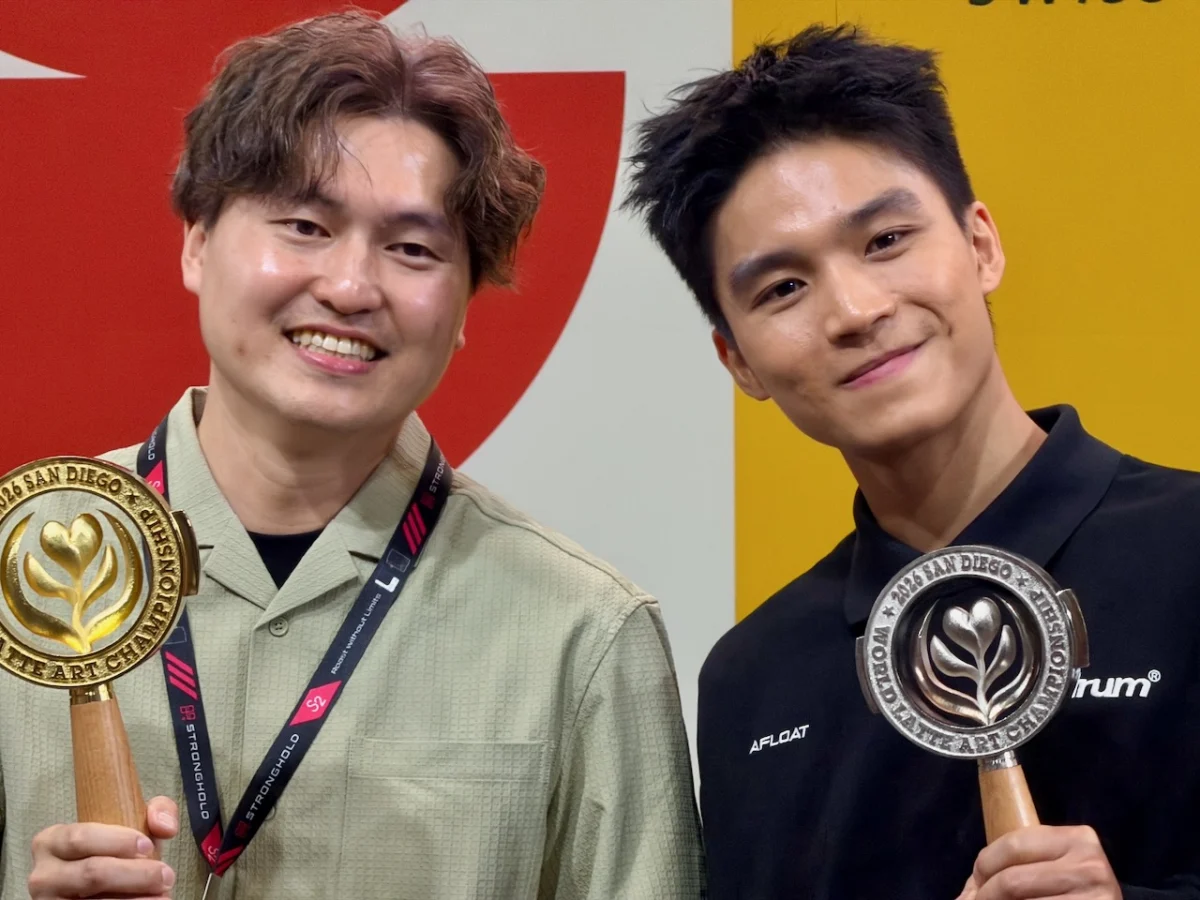
The global specialty coffee industry converged on the San Diego Convention Center for World of Coffee 2026, a premier international trade show that showcased the latest advancements in brewing technology, sustainable sourcing, and competitive excellence. This three-day event, organized by the Specialty Coffee Association (SCA), served as a critical nexus for thousands of coffee professionals, roasters, equipment manufacturers, and baristas from across the globe. Against the backdrop of Southern California’s vibrant coffee scene, the 2026 edition of World of Coffee (WOC) emphasized the industry’s shift toward technological precision, ethical supply chains, and the rising influence of Asian coffee markets on the global stage.
The 2026 World Latte Art Championship: A Historic Victory for Taiwan
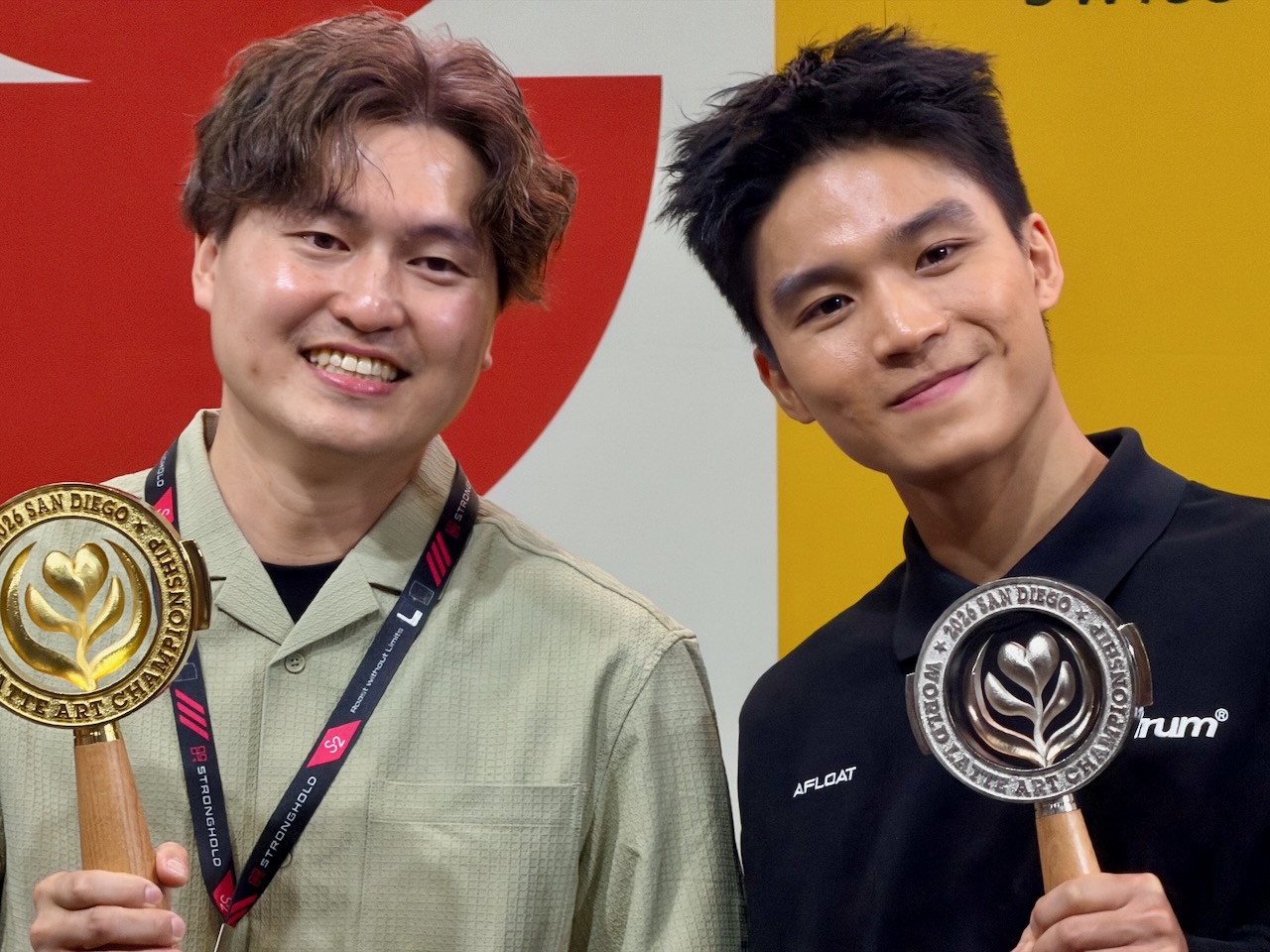
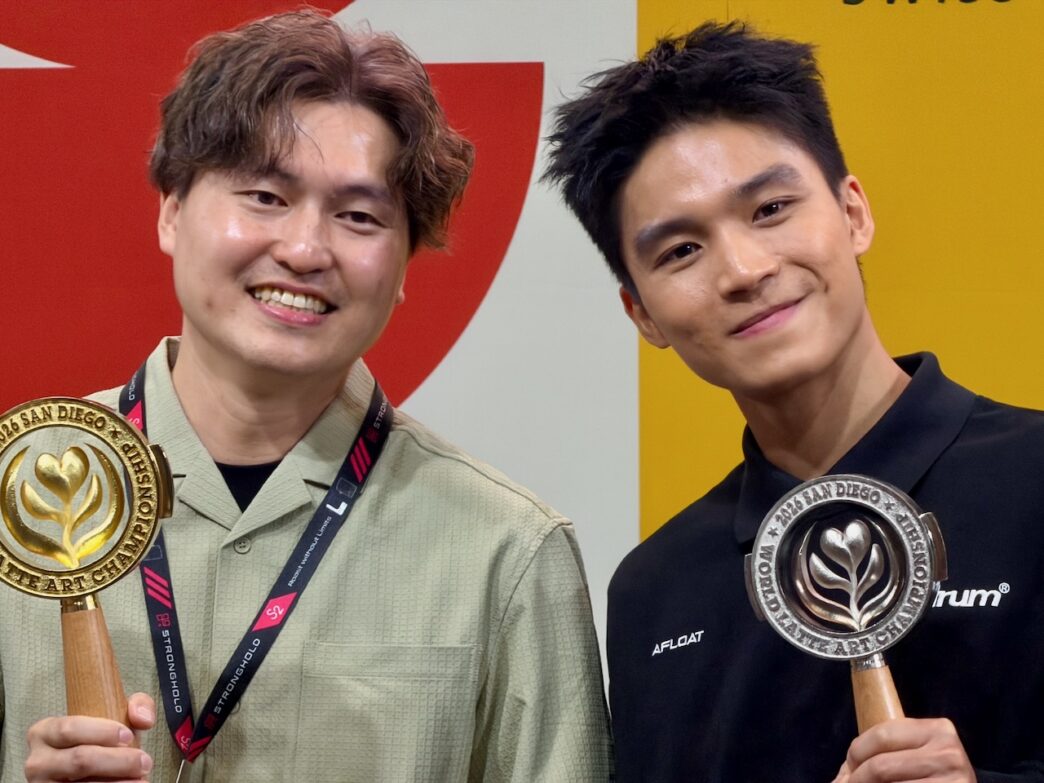
The centerpiece of the event was the World Latte Art Championship (WLAC), a high-stakes competition where baristas are judged on their technical skills, visual creativity, and the ability to replicate complex designs under intense pressure. After several rounds of rigorous competition, Bala, representing Taiwan, was crowned the 2026 World Latte Art Champion. The victory solidifies Taiwan’s position as a dominant force in the global coffee competition circuit, following a decade of consistent high-level performances in various SCA-sanctioned events.
Bala’s winning routine was characterized by a combination of intricate free-pour techniques and etched details that pushed the boundaries of traditional latte art. Judges noted the exceptional clarity, contrast, and symmetry of the designs, which were produced using standardized equipment provided by event sponsors such as La Marzocco. Jacky Chang of Malaysia secured a prestigious podium finish, highlighting the incredible depth of talent emerging from the Southeast Asian specialty coffee sector.
The WLAC judging criteria are notoriously stringent. Competitors must produce two identical free-pour lattes and two identical designer lattes. Scores are awarded based on visual attributes—including color definition and the complexity of the pattern—as well as the barista’s professional performance and hygiene. The 2026 finals demonstrated a trend toward "hyper-realistic" imagery, with competitors moving beyond traditional rosettas and tulips to create narrative-driven art in the cup.
Chronology of World of Coffee 2026: Three Days of Innovation
World of Coffee San Diego followed a structured three-day itinerary designed to maximize networking, education, and commercial exchange.
Day One: Opening Ceremonies and Preliminary Heats
The event commenced with an opening ceremony led by SCA leadership, highlighting the growth of the specialty coffee market in North America. The first day was defined by the opening of the massive exhibition hall, featuring hundreds of booths from green coffee importers to espresso machine innovators. Preliminary rounds for the World Latte Art Championship began on the main stage, while the "Best New Product" awards saw early contenders showcasing energy-efficient roasters and AI-integrated brewing systems.
Day Two: Educational Seminars and Semi-Finals
The second day shifted focus toward the SCA’s educational mission. Dozens of lectures and workshops were held, covering topics such as the impact of climate change on Arabica production, the economics of direct trade, and the evolving science of water chemistry in coffee extraction. In the competition arena, the field of latte artists was narrowed down to the finalists, with the tension in the convention center reaching a peak as the top performers were announced.
Day Three: The Finals and Industry Reflections
The final day was dedicated to the championship conclusions and the "Coffee Design Awards." Following the crowning of Bala as the World Latte Art Champion, the event concluded with a series of wrap-up sessions where industry leaders discussed the "San Diego Declaration," a set of informal goals focused on increasing transparency in the coffee value chain.
Technological Advancements: Precision and Automation
A major theme of the 2026 show was the integration of automation into the specialty workflow without sacrificing quality. One of the most talked-about innovations on the show floor was the Titan ET58 by Cera+. This device represents a new generation of automatic tamping technology, designed to provide consistent, level pressure in the palm of a barista’s hand. As labor costs and the demand for high-speed service increase in urban coffee markets, tools like the ET58 are becoming essential for maintaining extraction consistency across multiple shifts.
Beyond tamping, the exhibition showcased significant leaps in "smart" espresso machines. Several manufacturers debuted prototypes featuring real-time flow profiling and thermal stability sensors that can be monitored via cloud-based platforms. These advancements allow cafe owners to track brew quality and equipment health remotely, ensuring that the precision seen on the competition stage can be replicated in a commercial environment.
Market Data and Economic Implications
The specialty coffee industry continues to show robust growth, even amidst global economic fluctuations. According to data discussed during the WOC symposiums, the global specialty coffee market is projected to grow at a compound annual growth rate (CAGR) of over 12% through 2030. The 2026 San Diego event reflected this trajectory, with record-breaking attendance numbers estimated to exceed 15,000 unique visitors.
The economic impact of the event on the host city was also substantial. San Diego’s hospitality sector saw a significant influx of international travelers, with the SCA reporting attendees from over 80 different countries. This geographic diversity underscores the "World" in World of Coffee, as the event serves as the primary gateway for coffee producers from Central America, Africa, and Asia to connect with North American buyers.
Official Responses and Industry Perspectives
In a statement following the event, the Specialty Coffee Association emphasized the importance of community and the pursuit of excellence. "World of Coffee San Diego 2026 has been a testament to the resilience and creativity of our global community," said an SCA spokesperson. "The level of skill demonstrated by Bala and all the competitors in the World Latte Art Championship sets a new benchmark for the industry. We are also encouraged by the technological breakthroughs showcased this year, which aim to make specialty coffee more accessible and sustainable for everyone involved."
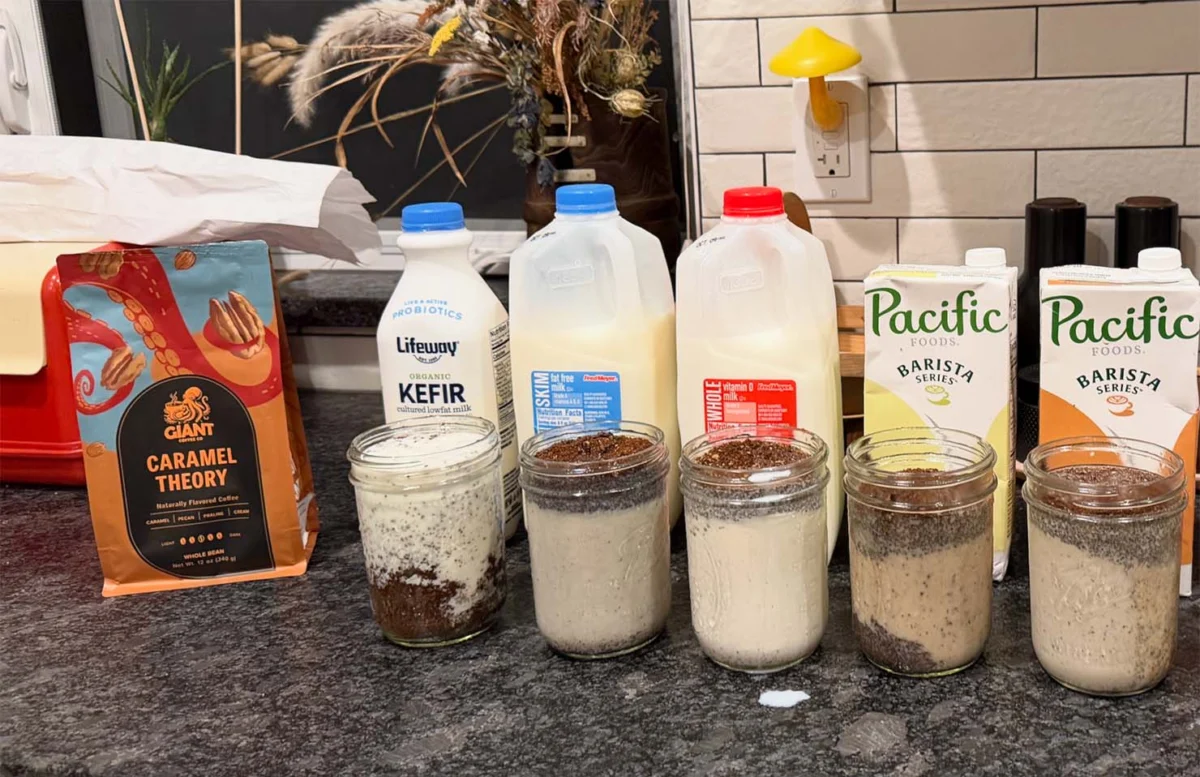
Sponsors such as La Marzocco and Pacific Barista Series also expressed their commitment to supporting the competitive landscape. For these companies, WOC is not just a marketing opportunity but a testing ground for their latest products. The feedback loop between the world’s best baristas and the engineers designing the equipment is a critical driver of innovation within the sector.
Broader Impact: The Global Shift Toward Quality
The success of Taiwanese and Malaysian baristas in San Diego is indicative of a broader shift in the coffee world. While traditional markets in Europe and North America remain central to the trade, the "center of gravity" for coffee consumption and technical expertise is increasingly moving toward the Asia-Pacific region. This shift is influencing everything from roast profiles—with a growing preference for lighter, tea-like extractions—to the design of cafes, which are becoming more minimalist and tech-forward.
Furthermore, the focus on sustainability at WOC 2026 was more than just rhetoric. The presence of companies like "noissue" and "Dona" highlighted a move toward plastic-free packaging and ethically sourced concentrates. The industry is moving toward a holistic definition of "specialty," where the quality of the cup is inextricably linked to the environmental and social footprint of the entire production process.
Conclusion and Future Outlook
As World of Coffee 2026 San Diego comes to a close, the industry looks forward to the next cycle of innovation and competition. The event successfully balanced the celebratory "bacchanal" of coffee culture with the serious business of global trade. The victory of Bala from Taiwan will likely inspire a new generation of baristas in Asia, while the technological trends debuted in San Diego will begin to filter into local coffee shops over the coming year.
The Sprudge Media Network, through its live coverage and the Coffee Sprudgecast hosted by Jordan Michelman and Zachary Carlsen, provided an immersive look at these developments. As the industry reflects on the highlights of San Diego, the focus remains on how to maintain the "immaculate vibes" of the specialty community while addressing the systemic challenges of climate change and economic equity in the coffee-growing regions of the world. The 2026 show proved that while the technology and the faces of the champions may change, the global passion for the perfect cup of coffee remains stronger than ever.