Angie Faith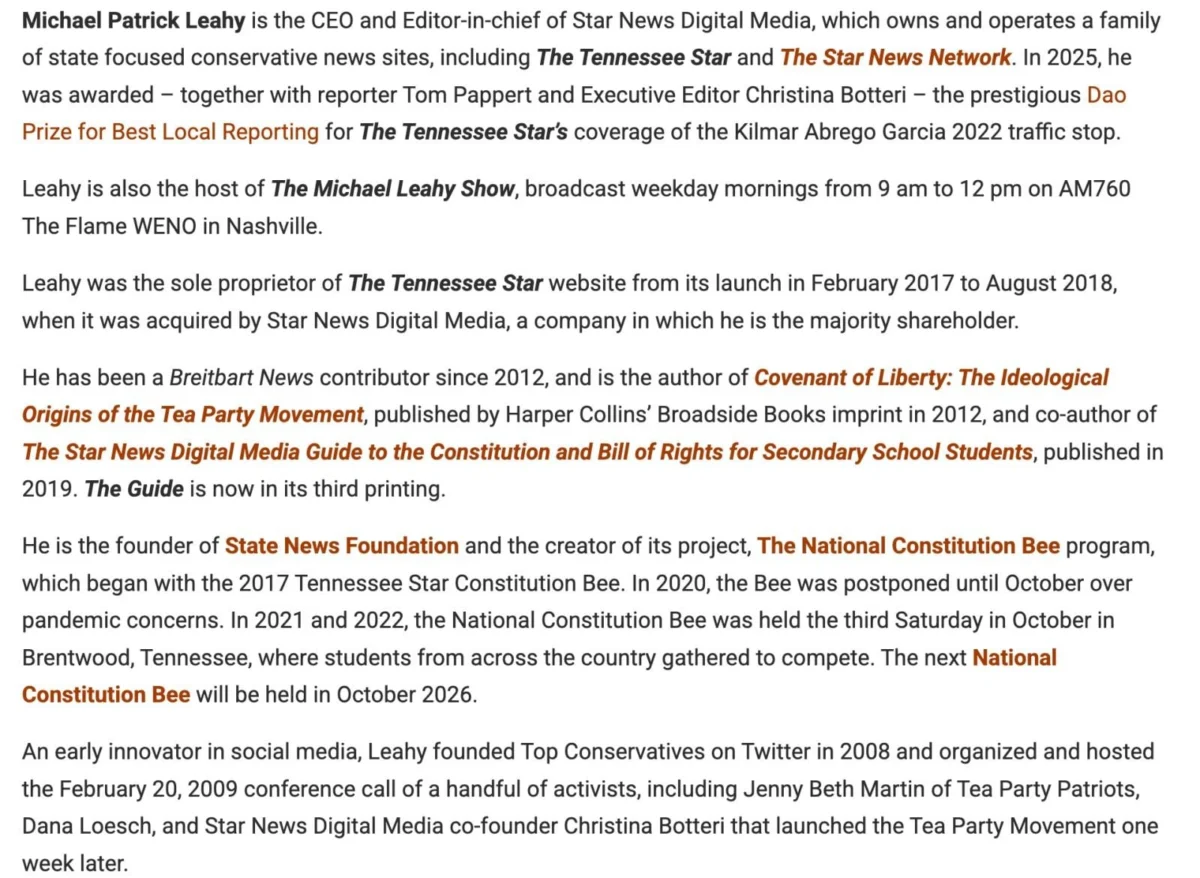
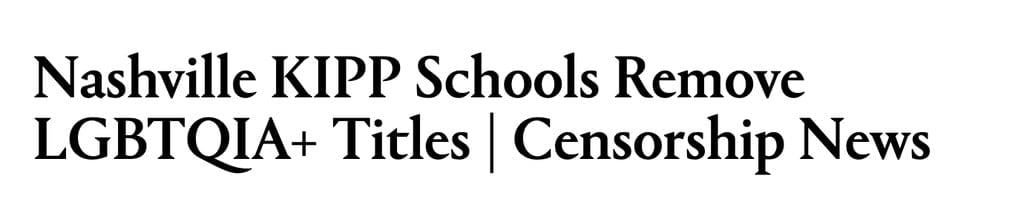
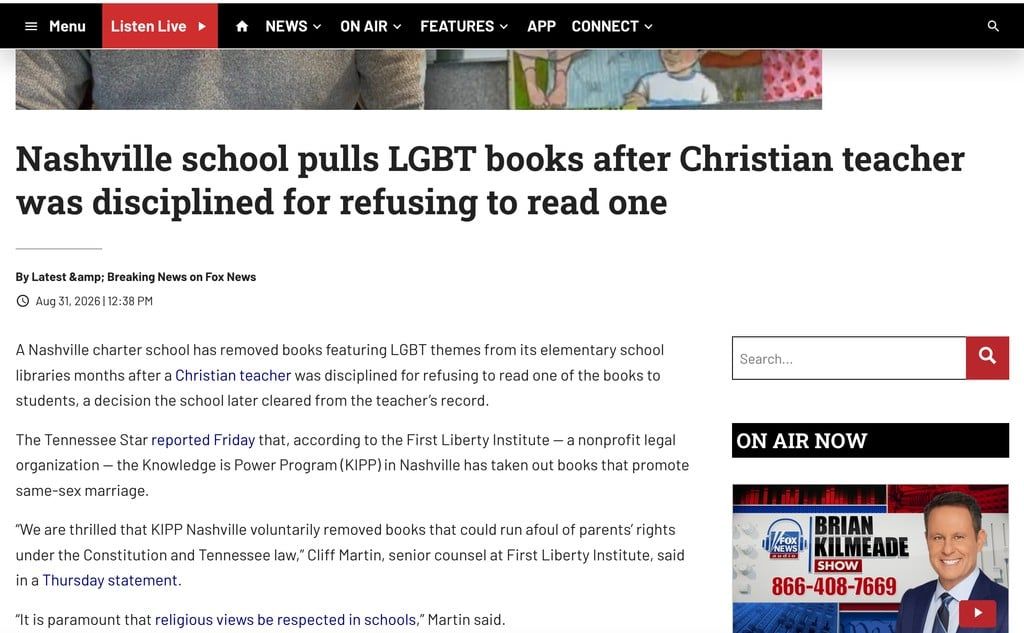
The landscape of modern educational journalism faces profound challenges in the digital age, particularly regarding the propagation and verification of stories concerning book bans and curriculum changes. On August 28, 2026, a narrative began circulating across various conservative and regional news outlets claiming that Knowledge is Power Program (KIPP) public charter schools in Nashville, Tennessee, had removed LGBTQ+-themed books from their elementary school libraries.

However, a granular examination of the available documentation, original legal filings, and media ecosystems reveals a significant distortion of facts. The story did not originate from traditional investigative reporting, but rather from a targeted press release issued by a conservative legal organization. This event underscores the systemic difficulties faced by major institutions—such as PEN America, the American Library Association, and independent newsgatherers—in maintaining accurate databases of censorship events amidst a pervasive environment of political polarization and unverified syndication.
The Origin of the Narrative and the Chronology of Events
The chronology of the Nashville KIPP controversy traces back to an employment dispute earlier in the year. Eric Rivera, a teacher at a KIPP Nashville elementary school, objected to reading specific children’s literature featuring same-sex marriage and parenting to his class, citing his sincerely held religious beliefs. Following his refusal, school administrators disciplined Rivera, issuing a final warning letter.
In response, Rivera retained the services of the First Liberty Institute, a prominent national legal organization specializing in religious liberty defense. Legal correspondence and subsequent negotiations between the firm and KIPP Nashville ensued. By March 2026, the public charter school reached an agreement with the legal team to accommodate the teacher’s religious objections and clear his personnel record.
Months later, on August 28, 2026, the First Liberty Institute published a formal press release announcing the resolution of the case. The release introduced a broader claim: that KIPP Nashville had proactively informed the Tennessee Attorney General’s Office of the removal of certain controversial materials—specifically curriculum books that could conflict with Tennessee laws regarding parental consent in education.

From Curriculum Adjustments to Library Bans: The Distortion of Facts
The critical turning point in the misrepresentation of this event occurred during syndication by regional outlets and partisan news aggregators. Local and national websites, including The Tennessee Star and subsequent pickups syndicated through platforms like Fox News and radio affiliates, recast the scope of the administrative actions.
While the initial legal press release indicated the removal of specific materials from the school’s instructional curriculum to comply with state statutes on parental notification for sexual orientation and gender identity instruction, subsequent reporting erroneously conflated the curriculum adjustments with sweeping library book bans.
This distinction is operationally and journalistically vital. School curricula dictate mandatory instructional materials, reading lists, and direct classroom instruction, whereas school libraries function as independent repositories offering voluntary, supplemental reading resources. Shifting the narrative from curriculum modifications to library purges served to align the story with existing national talking points surrounding institutional censorship, thereby maximizing public engagement and ideological resonance. Furthermore, comprehensive searches across reputable local newspapers and official school district documentation yielded no corroborating evidence, specific title inventories, or official library catalog removals to substantiate claims of widespread library book seizures across the 10 KIPP campuses in Nashville.
Institutional Challenges in Tracking Censorship
The propagation of the Nashville KIPP narrative highlights the structural vulnerabilities inherent in contemporary media monitoring. Organizations tasked with documenting intellectual freedom challenges rely heavily on local reporting, press releases, and digital tracking tools. However, the rise of hyper-local digital publications with explicit ideological alignments complicates data collection.
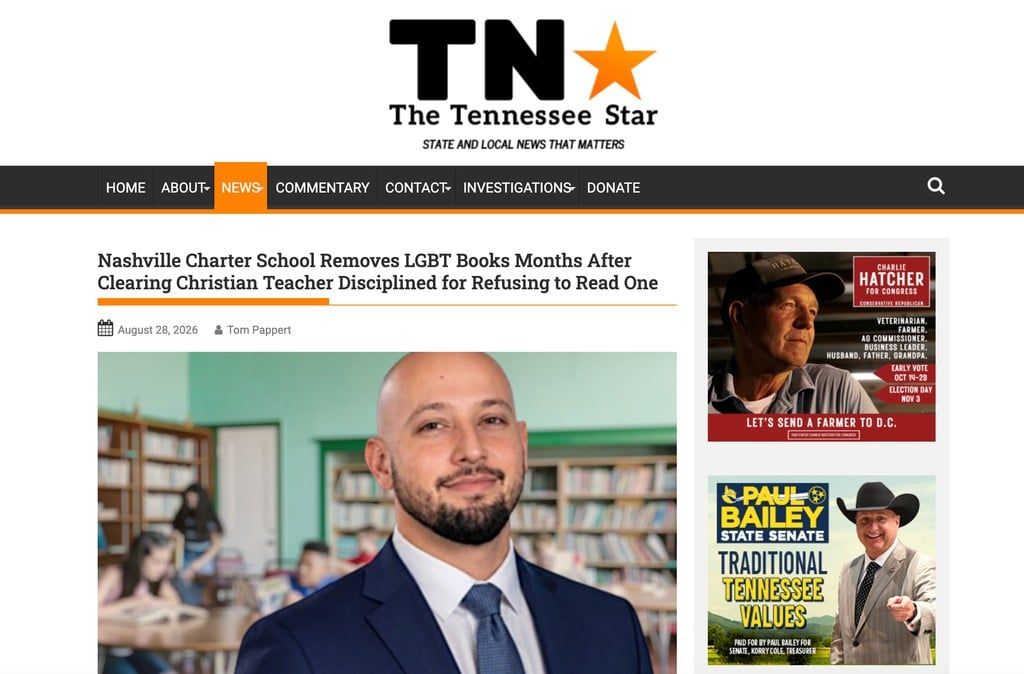
The Tennessee Star, cited as the primary source for the initial claims, operates within a network of state-focused digital news sites managed by Star News Digital Media. The outlet’s leadership has documented ties to conservative advocacy movements, including the founding of organizations associated with the Tea Party movement and alignment with traditional values advocacy. When national aggregators pick up stories from such partisan sources without independent verification, the original framing is normalized and amplified across mainstream feeds.
Compounding these verification challenges are state-specific administrative hurdles. In Tennessee, public records access laws place restrictions on out-of-state requesters, limiting the capacity of national watchdogs and external journalists to independently audit public charter school records, inventory lists, and administrative communications without local partnership. Consequently, unverified claims can persist in the public sphere indefinitely, insulated from standard fact-checking workflows.

Broader Implications for Educational Governance and Media Literacy
The trajectory of the KIPP Nashville story illustrates the broader weaponization of administrative adjustments for political signaling. Public charter schools, while publicly funded, operate with distinct governance structures that make them frequent test cases for legislative mandates concerning parental rights and religious accommodations.
The involvement of the First Liberty Institute and the tacit acknowledgement by state legal officials reflect a coordinated effort by religious liberty organizations to establish legal precedents regarding educator autonomy and parental oversight. By framing administrative compromises as sweeping ideological victories, advocacy groups can effectively shape the public narrative around educational institutions, casting public schools as battlegrounds for cultural preservation.
For media consumers and information professionals, the incident serves as a case study in critical news evaluation. As professional journalism contracts and digital aggregation models prioritize speed and engagement over deep-dive investigative sourcing, the burden of media literacy falls increasingly on the reader. Differentiating between curriculum adjustments and library restrictions, identifying institutional biases within source material, and recognizing the strategic intent behind advocacy press releases remain essential competencies in navigating modern information ecosystems. Without rigorous verification, administrative resolutions risk being magnified into manufactured controversies that obscure factual reality in favor of ideological narrative-building.