Muhammad Hendra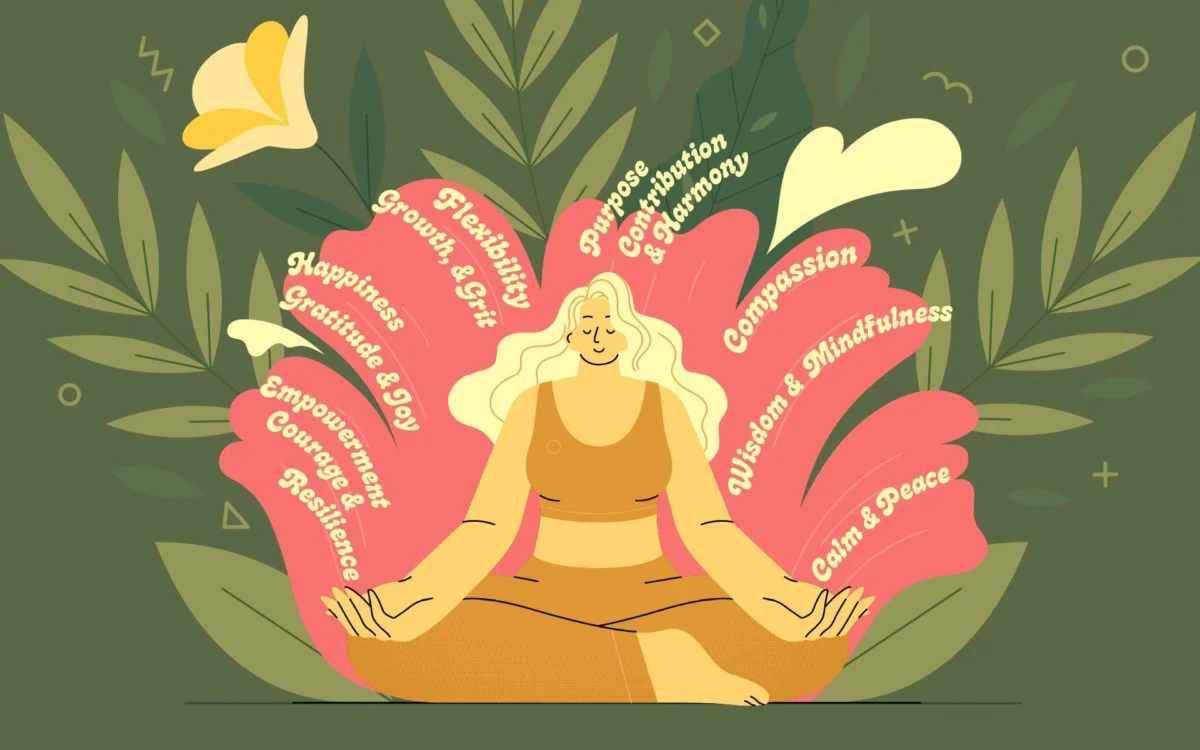
In an increasingly complex and rapidly evolving global landscape, marked by constant information flow, urgent demands, and persistent uncertainty, a pivotal question emerges for many individuals: "What kind of person do I need to be to live well in today’s world?" This profound inquiry, far from being an abstract philosophical exercise, is increasingly recognized as a central challenge of our contemporary era. The world is not poised to decelerate, nor are its inherent complexities expected to untangle neatly, nor will global uncertainties resolve without sustained effort. Against this backdrop, a major global initiative, "The Seven Strengths," has been announced, aiming to equip individuals with the inner resources necessary to navigate modern life with resilience, purpose, and peace.
Scheduled to take place from May 13 to May 19, 2026, this free, seven-day online global event will bring together some of the most respected teachers and thought leaders in mindfulness and personal development. Hosted by Mindfulness.com in collaboration with Sounds True and DailyOM, the initiative is designed not merely as a passive educational summit but as a structured, daily practice challenge. Its overarching goal is to cultivate a set of core inner strengths that empower individuals not just to cope with adversity, but to genuinely grow and flourish from it. All proceeds from the event will support the Global Compassion Coalition, underscoring its dual commitment to personal growth and collective societal well-being.
The Modern Predicament: A Call for Inner Fortification
The genesis of this movement stems from a pervasive modern experience: the relentless barrage of news, demands, and personal obligations that often confront individuals even before the start of their day. The scenario of waking to distressing news, urgent emails, and demanding messages before even a first cup of tea has become emblematic of a society grappling with unprecedented levels of stress and digital saturation. Research consistently highlights rising rates of anxiety, depression, and professional burnout across various demographics, with global events further exacerbating feelings of overwhelm and helplessness. The World Health Organization, among other bodies, has frequently underscored the growing mental health crisis, advocating for accessible tools and strategies for well-being. In this environment, the conventional approaches to problem-solving often fall short, as the issues are deeply systemic and personal.
The prevailing understanding is that significant change is not solely an external phenomenon, contingent upon political leaders or ideal circumstances. Instead, true transformation, and the capacity for sustained well-being, is increasingly understood to begin within each individual. This shift in perspective champions the idea that cultivating internal qualities is not a retreat from global problems, but rather the foundational work required to effectively address them.
Scientific Foundations: Strengths are Grown, Not Born
For generations, there has been a common misconception that qualities such as calmness, resilience, or compassion are inherent personality traits—either one is born with them or not. However, cutting-edge neuroscience, coupled with thousands of years of contemplative traditions, presents a compellingly different narrative. The human brain is remarkably "neuroplastic," meaning it possesses the profound ability to change, adapt, and reorganize itself through repeated experience. This scientific understanding dismantles the notion of fixed traits, revealing that mental and emotional capacities are akin to muscles that can be strengthened through consistent practice.
Every conscious decision, from pausing before a reactive outburst to choosing gratitude over complaint, or extending compassion instead of judgment, actively reshapes neural pathways. This process literally reconfigures the brain’s architecture, reinforcing desirable behaviors and thought patterns. Studies in neurobiology have consistently demonstrated how practices like mindfulness and meditation can lead to measurable changes in brain regions associated with emotion regulation, attention, and self-awareness. This neuroplasticity provides a robust scientific basis for the assertion that inner strengths are not immutable characteristics but cultivable capacities, much like seeds that, with regular "watering," can grow into vibrant, transformative qualities.
The Seven Strengths: A Comprehensive Framework for Flourishing
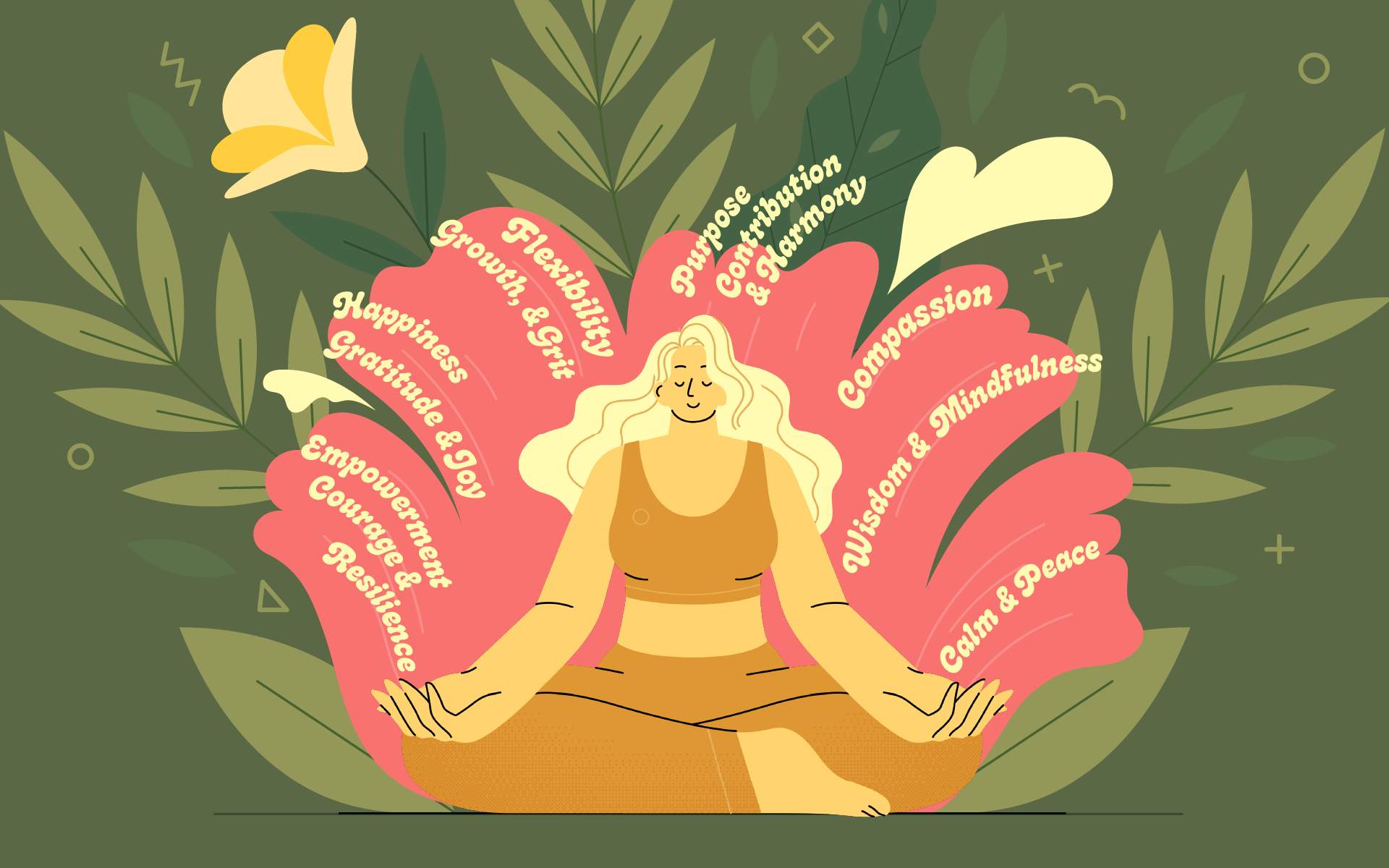
The "Seven Strengths" framework offers a holistic approach to personal development, identifying key inner qualities that, when nurtured, enhance an individual’s capacity for well-being and positive engagement with the world. These strengths are presented not as distant ideals, but as actionable capacities that can be developed through consistent, even brief, daily practices.
1. Compassion: The Foundation of Connection
Often perceived as an outward-directed emotion—caring for strangers or relatives—compassion’s most critical aspect, supported by extensive research in psychology and neuroscience, is its inward application: self-compassion. Treating oneself with the same warmth, understanding, and kindness one would offer a dear friend in distress is not an act of selfishness, but a fundamental prerequisite for sustainable altruism. When individuals are caught in cycles of self-criticism, their inner resources deplete, making it challenging to extend genuine kindness to others. Self-compassion, therefore, becomes the wellspring from which broader empathy and care for the world can flow, creating a robust foundation for all other forms of compassionate action.
2. Flexibility, Growth, and Grit: Adapting to Change
Life is inherently unpredictable, a truth starkly highlighted by recent global events such as the pandemic. The ability to navigate unexpected setbacks is not about resisting change but about developing the adaptability of a willow tree that bends without breaking. This strength encompasses flexibility, which allows for graceful pivots in the face of unforeseen circumstances; a growth mindset, which views challenges as opportunities for learning and development rather than insurmountable obstacles; and grit, the perseverance and passion for long-term goals despite adversity. Cultivating these qualities transforms moments of difficulty into valuable data points for growth, fostering an understanding that abilities and circumstances are not fixed but dynamic and amenable to change.
3. Purpose, Contribution, and Harmony: Navigating with Intention
In a world that often emphasizes immediate tasks and short-term gains, many individuals find themselves disconnected from a deeper sense of meaning. The strength of purpose acts as an inner compass, providing direction and clarity amidst overwhelming complexity. Purpose does not necessarily require grand gestures; it often manifests in small, daily acts of genuine presence, creative expression, or alleviating others’ pain. When individuals understand their "why," the "how" of daily challenges becomes significantly less daunting. This strength fosters a sense of contribution, connecting personal efforts to a larger whole, and promotes harmony within oneself and with one’s environment, aligning actions with core values.
4. Happiness, Gratitude, and Joy: Fuel for Resilience
In a world inundated with distressing news, the pursuit of joy can sometimes feel inappropriate or even irresponsible. However, this perspective misconstrues the nature of joy. Joy is not a denial of suffering; rather, it is the profound capacity to remain open to beauty, connection, and warm-heartedness even while simultaneously acknowledging and holding the weight of hardship. Gratitude, a close companion to joy, functions as a powerful mental muscle. The deliberate practice of noticing and appreciating what is good in one’s life retrains the nervous system to orient naturally towards positivity. Far from being a luxury, joy serves as essential fuel, preventing burnout in activists, caregivers, educators, and anyone engaged in demanding roles, ensuring their continued capacity for positive impact. Studies on positive psychology consistently demonstrate the link between gratitude practices and increased overall well-being and resilience.
5. Wisdom and Mindfulness: Seeing Clearly
Mindfulness is frequently framed as a tool for stress relief, offering moments of calm amidst busy schedules. While it reliably provides these benefits, its deeper contribution lies in cultivating the capacity for clear seeing. Much human suffering arises not from circumstances themselves, but from the narratives and judgments layered upon them ("This always happens to me," "They don’t respect me," "Things will never get better"). Mindfulness creates a crucial gap between stimulus and response, offering a moment of pause. In this space, wisdom emerges—the opportunity to choose a meaningful, intentional action rather than reacting automatically in an unhelpful or destructive manner. This clarity of perception allows individuals to disengage from habitual thought patterns and respond to situations with greater insight and effectiveness.
6. Empowerment, Courage, and Resilience: Rising to Challenges
This strength embodies a particular kind of courage that is distinct from the absence of fear. It is the willingness to act consciously and ethically, even when fear is most pronounced, particularly when the easy path diverges from the right path. Resilience is not the ability to avoid being knocked down, but rather the hard-won knowledge and trust that one possesses the capacity to get back up, time and again. Every encounter with difficulty, however messy the navigation, builds this inner knowing. Empowerment organically follows, fostering a growing conviction that one has the inner resources and fortitude to meet whatever challenges life presents.
7. Calm and Peace: The Still Center
Calm and peace are often mistaken for passivity, indifference, or the absence of emotion. However, inner peace is best understood as the still center of a spinning wheel: while everything may move rapidly around it, the core remains unshaken. When individuals cultivate this inner calm, they enhance their ability to listen more attentively, think more clearly, and respond more thoughtfully. Furthermore, the physiological and psychological research on co-regulation demonstrates that one grounded nervous system can literally soothe another. Thus, inner calm is not merely a personal comfort; it is a profound gift that positively impacts every person within one’s presence, creating a ripple effect of tranquility.
An Ecosystem of Interconnected Strengths
A critical insight gained from years of mindfulness teaching and practical application is that these seven strengths do not operate in isolation; rather, they form an intricate ecosystem. They are like instruments in an orchestra, each distinct in its contribution, yet capable of creating a far richer, more harmonious whole when played in concert. For instance, calm directly supports compassion, enabling individuals to witness others’ pain without becoming overwhelmed. Compassion, in turn, deepens purpose, as caring for others naturally draws one towards acts of contribution. Purpose fuels courage, providing the motivation to act on what truly matters, even in the face of difficulty. Gratitude, by fostering an open and less defended mind, feeds wisdom. This interconnectedness means that deepening any one strength gently pulls the others into greater prominence, allowing individuals to begin their cultivation journey from whichever strength resonates most deeply.
The Seven Strengths Global Event: A Call to Collective Action
The upcoming "Seven Strengths Global Event" embodies the vision of the Global Compassion Coalition: the understanding that a more compassionate and resilient world is not built through a single, monumental gesture, but through the cumulative effect of millions of ordinary human beings choosing, day by day, to cultivate these essential inner qualities.
The event is designed to be highly accessible and impactful. Each of the seven days, from May 13 to May 19, 2026, will feature a prominent teacher focusing on one specific strength. The format includes a concise teaching session and a guided meditation, specifically crafted to be integrated even into the busiest of lives. This deliberate structure encourages active participation and daily practice, making it a genuine challenge rather than a passive viewing experience.
The esteemed faculty for this inaugural event includes luminaries such as Sharon Salzberg, a pioneer in mindfulness and loving-kindness meditation; Rick Hanson, a renowned psychologist and author focusing on the neuroscience of well-being; Kristen Neff, a leading researcher in self-compassion; Tami Simon, founder of Sounds True; Mamphela Ramphele, a distinguished South African anti-apartheid activist and former World Bank managing director; and Melli O’Brien, a co-founder of The Seven Strengths. Shamash Alidina, the mindfulness teacher whose personal reflection forms the narrative spine of this framework, will guide the practice on "Calm and Peace" on Day 7, emphasizing its foundational role in supporting all other strengths.
The collaboration between Mindfulness.com, Sounds True, and DailyOM brings together significant platforms dedicated to well-being, ensuring broad reach and high-quality content delivery. The commitment to donating all proceeds to the Global Compassion Coalition highlights the event’s dual mission: empowering individuals while simultaneously funding initiatives that foster global compassion and resilience. Participants are thus invited to engage in an act of profound personal growth that simultaneously contributes to a broader movement for collective good.
Inner Work is World Work: Broader Implications
There is a persistent misconception that inner work, such as cultivating mindfulness and compassion, is a self-absorbed endeavor, a privileged retreat from the urgent problems of the world. However, experience and observation consistently refute this. Individuals who attempt to effect external change without first engaging in inner cultivation frequently face burnout, project their unprocessed anger onto allies, and inadvertently replicate the very dynamics they seek to dismantle. The escalating rates of professional burnout in advocacy and caregiving professions underscore the urgent need for such inner resources.
Conversely, the individual who cultivates inner peace brings a palpable calm into every relationship and interaction. A person who practices self-compassion naturally extends more humanity and understanding to colleagues and strangers. Self-compassion invariably spills over into a deeper, more sustainable compassion for others. Those who have identified and aligned with their purpose act with a consistency and groundedness that serves as a powerful form of leadership, inspiring others through their example. Inner work is not a detour from external change; it is its essential prerequisite. It equips individuals with the stamina, clarity, and emotional intelligence required to contribute meaningfully and sustainably to a more just and compassionate world.
The Global Compassion Coalition’s initiative, therefore, represents a timely and vital response to the challenges of our age. It posits that the world’s urgent need is not for more anxious, exhausted individuals struggling to maintain control, but for calmer, wiser, and more compassionate human beings who choose to show up, day after day, drawing from a wellspring of genuine inner strength. This event offers a tangible pathway for individuals worldwide to embark on this transformative journey, fostering personal well-being while simultaneously contributing to the collective resilience of humanity.