 Indra Kusuma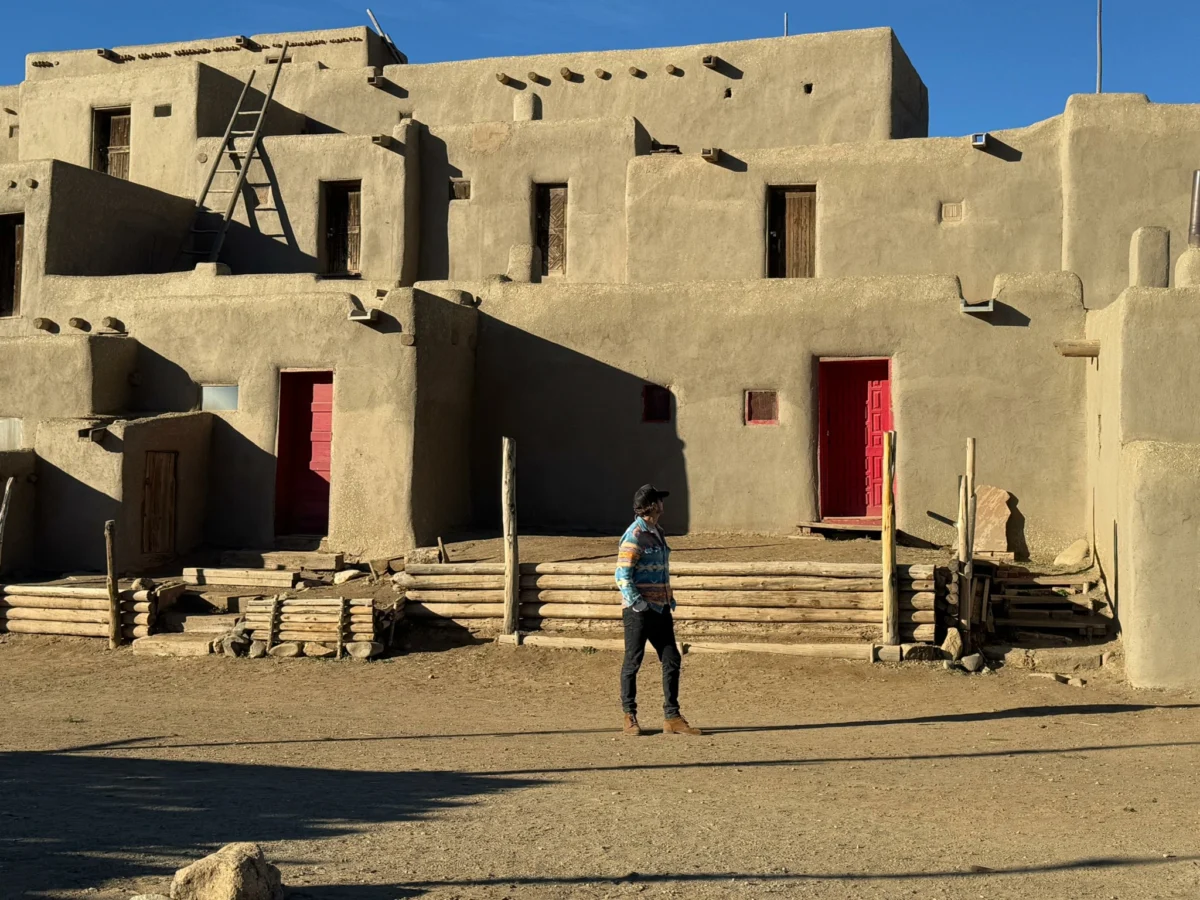
The trajectory of international design firm MAWD (March and White Design) began not in a corporate boardroom, but in a classroom at the University of Edinburgh. For founders Elliot March and James White, a shared academic experience—specifically, arriving late to the same lecture—served as the catalyst for a partnership that would eventually redefine luxury interior aesthetics across hospitality, residential, and maritime sectors. Since the firm’s formal inception in 2010, MAWD has transitioned from a boutique British practice into a globally recognized studio with a significant footprint in the North American market, particularly in New York and Florida.
The Foundation and Evolution of MAWD
Following their time at the University of Edinburgh, both March and White gained foundational experience at larger architectural firms. During this period, the duo observed a disconnect in how interior spaces were often treated as secondary to the structural envelope. White, in particular, developed a focus on the experiential nature of interiors, seeking to understand how the built environment dictates the day-to-day rhythm of its inhabitants.
In 2010, the pair established MAWD with the explicit goal of practicing a more holistic approach to design. By integrating architecture and interiors from the onset of a project, the firm sought to move away from the "applied aesthetic" model common in the early 2000s. Over the subsequent 14 years, the firm’s portfolio expanded from high-end residential work to include complex hospitality ventures and luxury yacht interiors. This diversification required a rigorous approach to material selection and spatial planning, elements that would become the hallmark of the firm’s brand.
A Methodology of Contextualism
Elliot March, who has spearheaded the firm’s international expansion, emphasizes that his design process eschews the imposition of a pre-existing "signature look." Instead, he employs a strategy of environmental responsiveness. By prioritizing the specific topography, light quality, and cultural history of a site, March argues that a project achieves a state of "belonging."
Data from the firm’s recent projects suggests that this contextual approach is a response to a shifting market demand. Modern clients, particularly in the luxury residential sector, are increasingly favoring "bespoke regionalism"—a design language that feels authentic to its geography rather than globally homogenous. This shift has necessitated a deeper reliance on local material sourcing, such as the use of regional stone and timber in their California and Florida projects, which contributes to both sustainability metrics and a more cohesive aesthetic identity.
Chronology of Expansion
- 2010: Founding of March and White Design (MAWD) in London.
- Mid-2010s: Expansion into luxury superyacht design, a sector that introduced the firm to high-precision engineering and space-optimization techniques.
- 2020-2022: Strategic expansion into the United States, marked by the opening of a New York City headquarters following the commission for The Greenwich.
- 2023-2026: Focused growth in the Florida luxury market, with major projects in Wynwood, Tampa, and West Palm Beach.
Case Studies in Design Integration
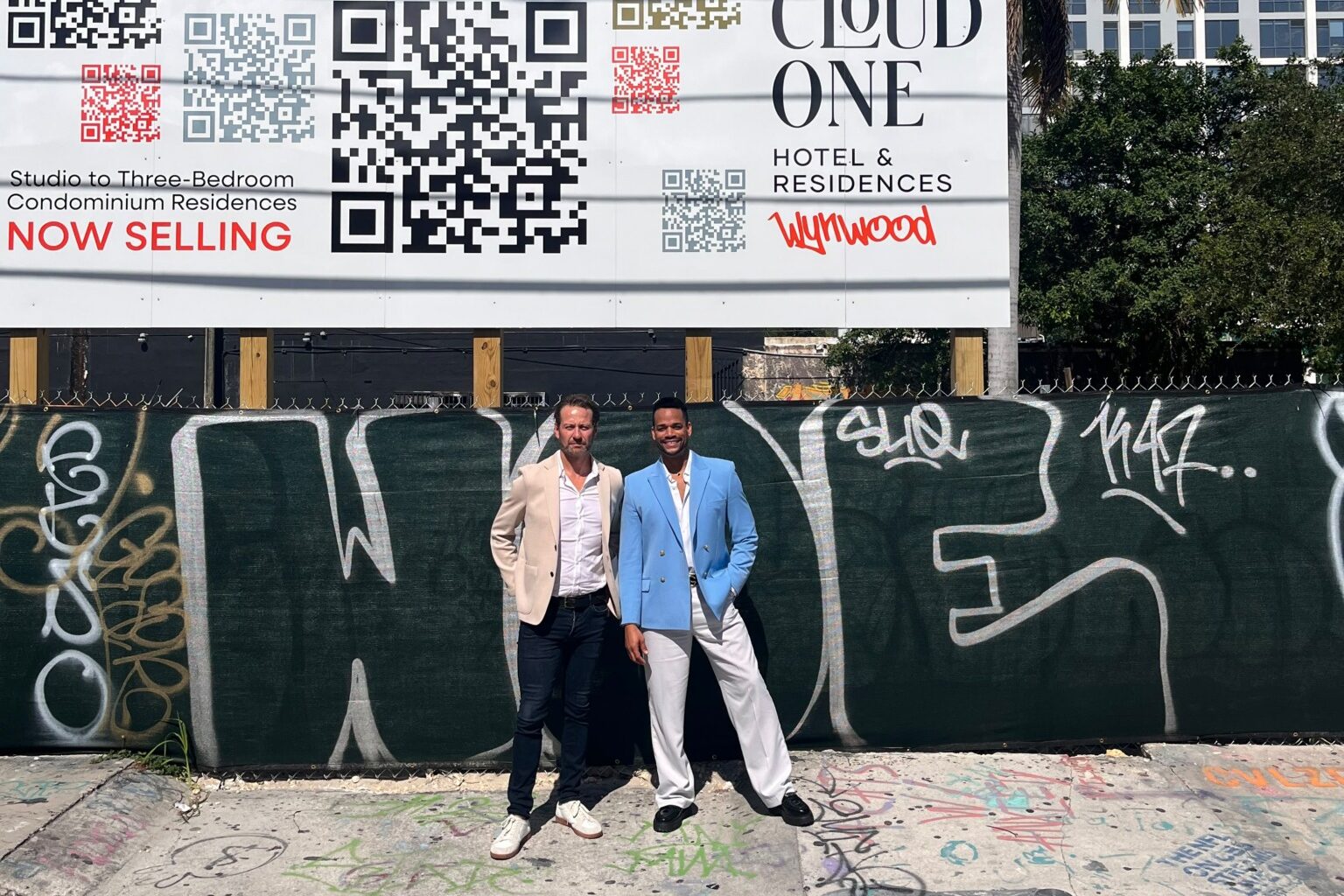
The firm’s work on The Cloud One Hotel & Residences in Miami’s Wynwood district serves as a primary example of their philosophy in practice. By analyzing the area’s transition from an industrial garment district to a global hub for mural art, the team utilized exposed concrete and bronze to mirror the neighborhood’s grit while incorporating soft, natural elements to ensure inhabitant comfort.
In Manhattan, the project at The Greenwich, designed by the late Rafael Viñoly, represented a pivot for the firm. The commission required a sophisticated interplay between the building’s ultra-modern architecture and a refined, nautical-inspired interior. The use of bookmatched Noir Saint Laurent marble is often cited by industry analysts as a technical highlight, demonstrating the firm’s ability to bridge high-concept architecture with human-scale luxury.
Inspirations and the Creative Process
For March, the creative process is frequently informed by travel and direct observation of historic sites. His "Friday Five" inspirations highlight a consistent interest in architecture that has evolved organically:
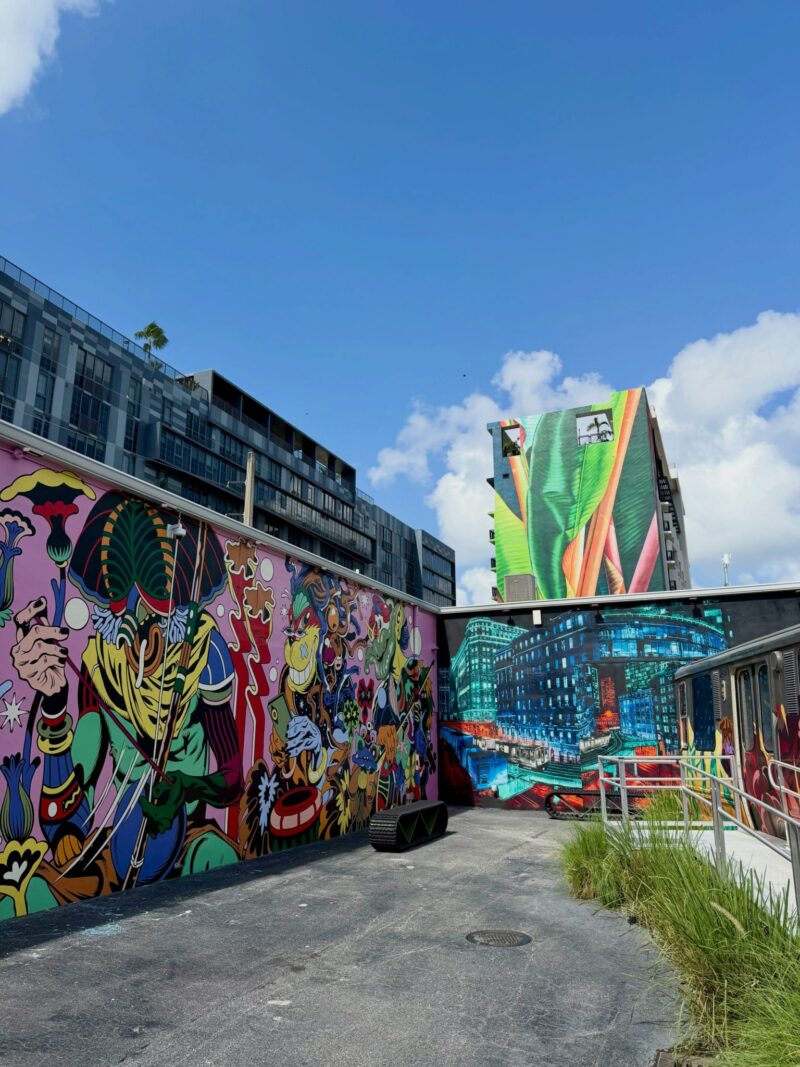
- Wynwood Walls, Miami: A study in the tension between industrial infrastructure and expressive art.
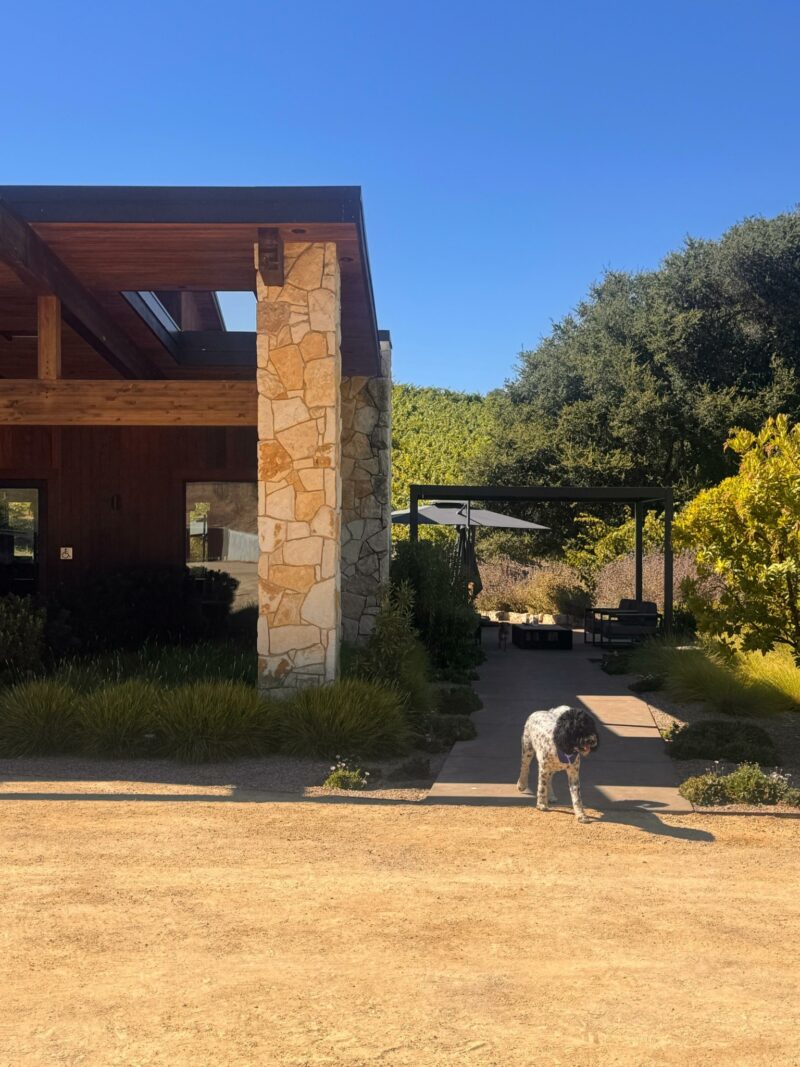
- Paso Robles Wineries, California: An exploration of how architecture can function as a "quiet" participant in a natural landscape.
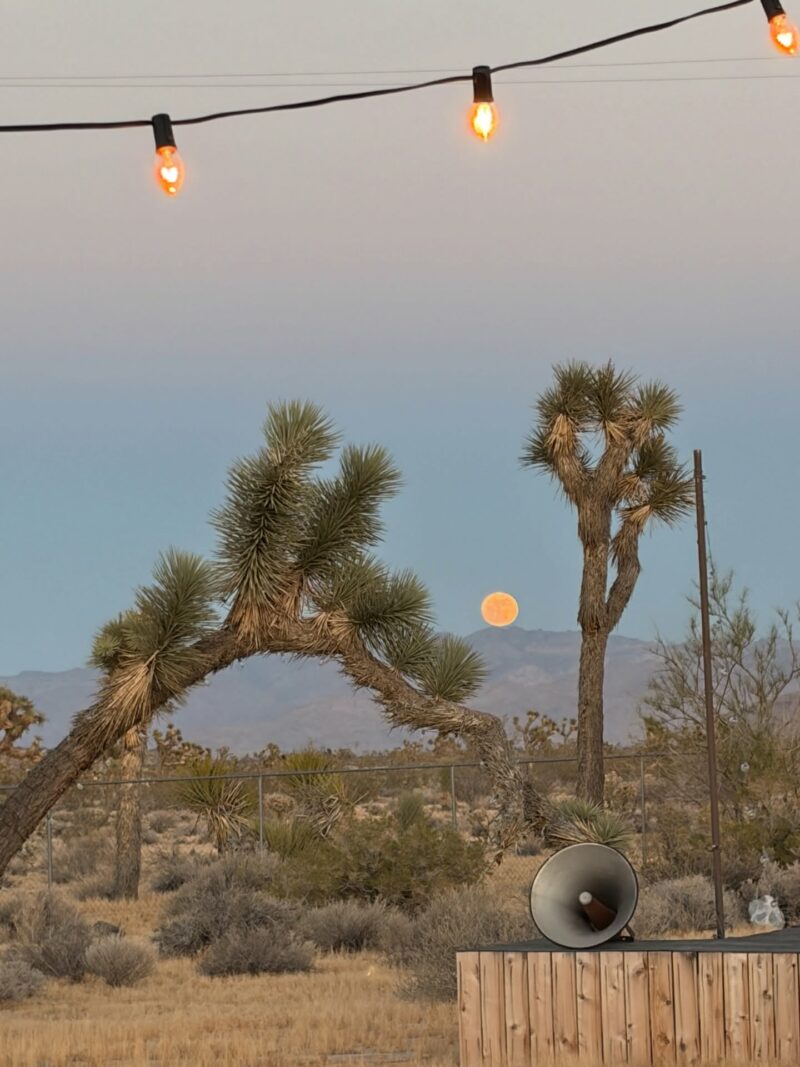
- Yucca Valley, California: A lesson in the importance of light and temporal change in defining the atmosphere of a space.
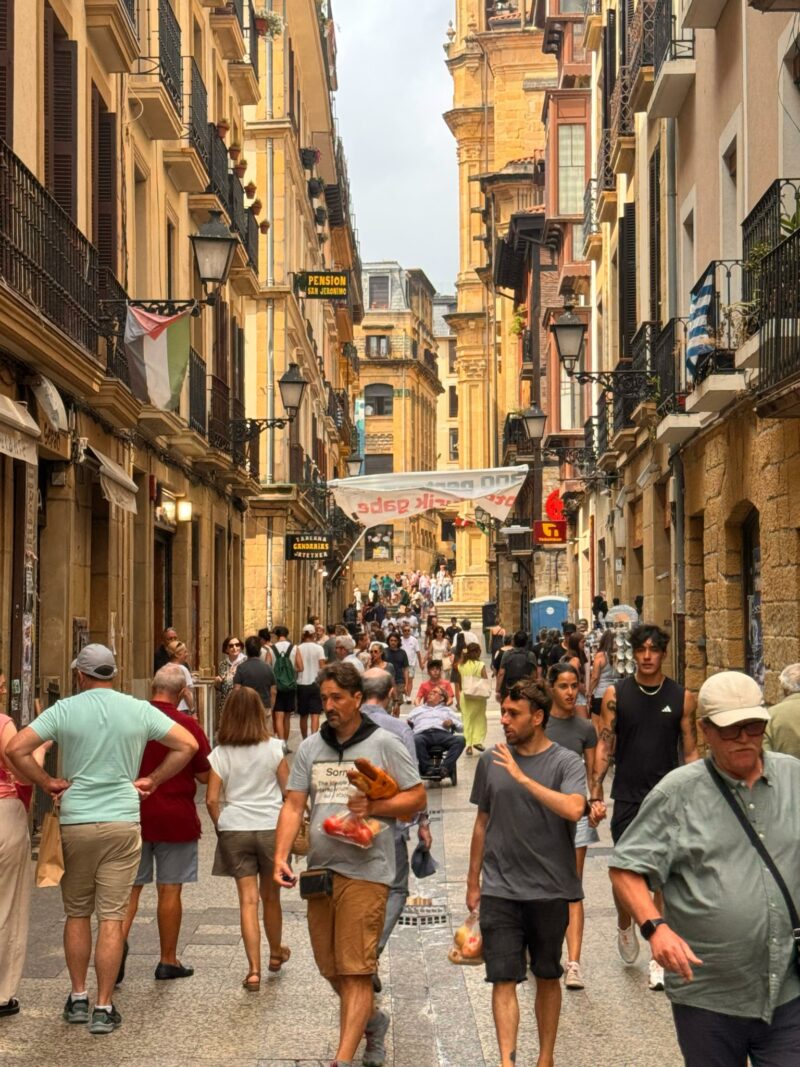
- Parte Vieja, San Sebastián, Spain: A masterclass in organic urban development where layers of history coexist without intentional homogenization.
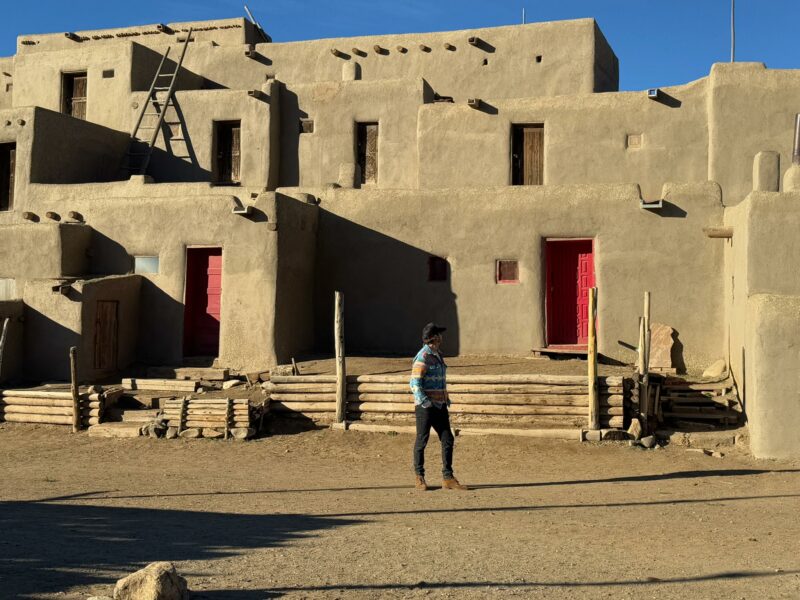
- Taos Pueblo, New Mexico: A reflection on the necessity of environmental alignment, where materials and form grow directly from the earth and the culture it supports.
Industry Implications and Future Outlook
The success of MAWD’s approach—balancing artistic narrative with commercial viability—reflects a broader trend in architecture and design. As cities become increasingly dense, the demand for "retreat-style" interiors within urban environments is rising. By focusing on sensory elements such as texture, light, and material weight, the firm is effectively addressing the psychological needs of residents in high-stress, high-density environments.
Furthermore, the firm’s involvement in large-scale urban regeneration projects, such as the Water Street development in Tampa, illustrates their influence on city planning. Developers are increasingly relying on firms like MAWD to create "lived-in" environments that encourage community interaction and long-term occupancy. This represents a shift from speculative real estate development to "lifestyle-centric" development, where the interior experience is a primary factor in the project’s long-term valuation.
Analysis of the "Contextualist" Approach
From an architectural standpoint, the "contextualist" methodology favored by March provides a buffer against the rapid obsolescence of design trends. While high-gloss, trend-based design often requires renovation within a decade, projects rooted in local materials and site-specific history tend to retain their relevance longer. This longevity is a critical factor for investors in the hospitality and residential sectors, who must ensure that their assets remain competitive in a shifting global market.
By leveraging their background in yacht design—a field defined by extreme space constraints and high-performance materials—MAWD brings a level of technical precision to residential and hotel projects that is rarely found in traditional interior design firms. This cross-pollination of industries has allowed them to solve complex spatial problems while maintaining an aesthetic that feels organic and, above all, purposeful.
As MAWD continues to scale its operations across the United States and beyond, the firm’s ability to maintain its design integrity remains a subject of interest for industry observers. The challenge, as noted in their recent work, lies in scaling a boutique philosophy into large-scale developments without losing the "hand-crafted" quality that defines their brand. So far, the firm’s reliance on deep contextual research appears to be an effective strategy for navigating this transition, ensuring that every project, regardless of its scale, remains tethered to the unique identity of its location.