 Hanik Kholidah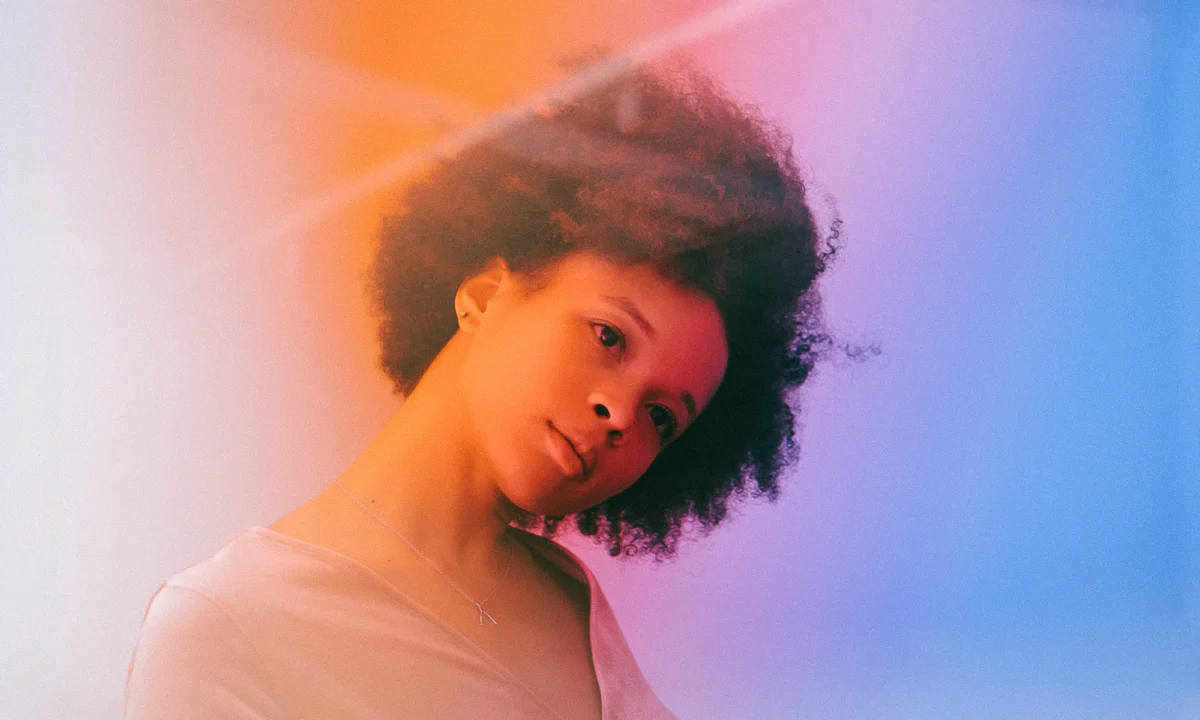
The Science and Philosophy of Aura-Based Selection
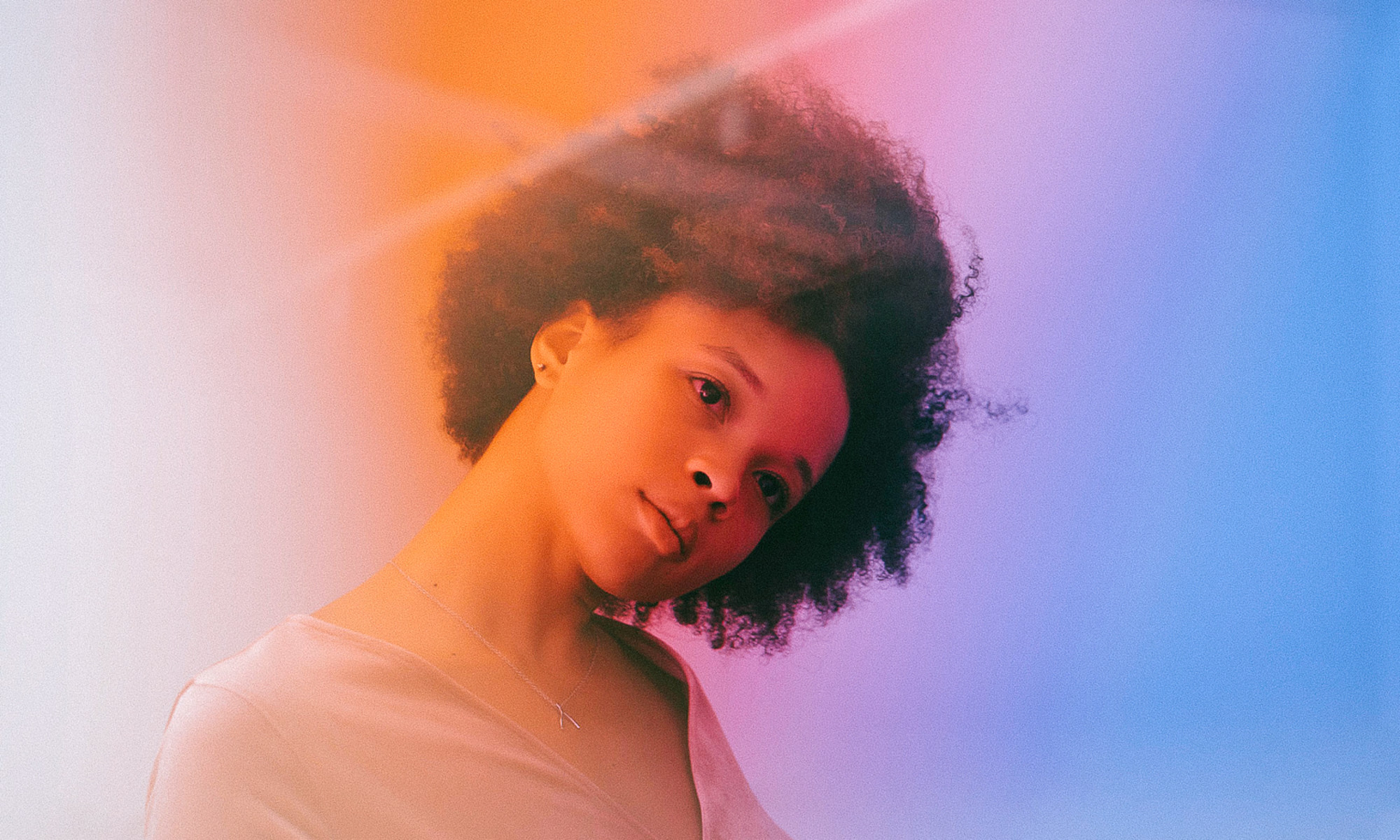
An aura is traditionally defined in holistic wellness circles as a field of colorful energy surrounding the physical body, reflecting a person’s emotional state, temperament, and spiritual health. While often dismissed by the strictly empirical, the concept has been integrated into modern "psychographic" marketing, where travel agencies use personality profiles to match clients with destinations. Different colors—ranging from the high-intensity red to the introspective purple—correspond to specific psychological needs.
Industry analysts suggest that this trend is a reaction to the "over-tourism" of the early 2020s. Travelers are no longer satisfied with merely visiting a landmark; they seek a "vibrational match" that facilitates personal growth. This shift is supported by data from the Global Wellness Institute (GWI), which indicates that wellness travelers spend approximately 130% more than the average international tourist, prioritizing experiences that offer mental clarity and emotional equilibrium.
Red Energy: The Call of the Eternal City
For those whose aura is dominated by red—a color associated with vitality, passion, and grounded physical energy—Rome, Italy, remains the preeminent destination. Historically characterized by its "fiery" temperament, Rome offers a high-intensity environment that mirrors the red aura’s need for stimulation and historical depth.
Rome’s tourism infrastructure has recently undergone a modernization phase ahead of the 2025 Jubilee, resulting in improved accessibility to its ancient core. For the red-aura traveler, the city’s blend of chaotic energy and monumental permanence provides a necessary outlet for their inherent intensity. Statistics from the Italian National Institute of Statistics (ISTAT) show a 15% increase in "adventure-cultural" bookings, where travelers engage in high-energy activities such as urban trekking through the Trastevere district or intensive culinary workshops, aligning with the red aura’s proactive nature.
Orange Energy: Adventure and Social Vitality in Tulum
Orange auras are characterized by a thirst for adventure, social connection, and creative expression. However, those with this hue often struggle with "switching off," leading to burnout. Tulum, Mexico, has emerged as the ideal therapeutic landscape for this demographic. Once a quiet fishing village, Tulum has evolved into a global hub for the "bohemian-chic" traveler.
The destination provides a dualistic experience: the high-vibration social scene of the Beach Road caters to the orange aura’s extroversion, while the serene cenotes and jungle spas offer the necessary "cool down" periods. Despite concerns regarding environmental sustainability and the impact of the newly completed Tulum International Airport (TQO), the region continues to attract those seeking a balance between high-octane social life and spiritual grounding. Tourism officials in Quintana Roo have noted that "vibe-based" marketing has seen a 22% higher conversion rate among travelers aged 25–45 compared to traditional sun-and-sand advertising.
Yellow Energy: Charisma and Optimism in Negril
Yellow is the color of the sun, intellect, and unbridled optimism. Those with yellow auras are often described as charismatic and confident. Negril, Jamaica, often referred to as the "Capital of Casual," provides a setting that matches this radiant energy.
The Seven Mile Beach and the rugged cliffs of the West End offer an environment where the yellow aura’s need for freedom and light is met. Jamaica’s Ministry of Tourism has focused heavily on "community-based tourism," which resonates with the yellow aura’s friendly and outgoing nature. Unlike the high-pressure luxury of other Caribbean islands, Negril’s "no problem" philosophy allows the confident yellow traveler to engage authentically with locals. Economic reports from the Caribbean Tourism Organization indicate that Jamaica’s repeat-visitor rate is among the highest in the region, a testament to the "magnetic" pull that charismatic travelers feel toward the island.
Green Energy: Harmony and Sustainability in Costa Rica
The green aura signifies a person who is nurturing, harmonious, and deeply connected to the natural world. For these individuals, Costa Rica serves as a global sanctuary. As one of the most biodiverse nations on Earth, containing nearly 6% of the world’s species, Costa Rica aligns with the green aura’s intrinsic need for ecological balance.
Costa Rica’s commitment to becoming a carbon-neutral nation by 2050 has made it a flagship for the "regenerative travel" movement. Travelers with green auras are drawn to the country’s diverse microclimates—from the cool cloud forests of Monteverde to the tropical rainforests of the Osa Peninsula. Data from the Costa Rican Tourism Board (ICT) reveals that 70% of international tourists cite "nature and wellness" as their primary reason for visiting. For the green aura, the practice of "forest bathing" (Shinrin-yoku) in the Costa Rican jungle is not merely a vacation activity but a vital energetic recalibration.
Blue Energy: Creativity and Fluidity in Lisbon
Blue auras represent individuals who are expressive, confident in their individuality, and creatively driven. Lisbon, the coastal capital of Portugal, mirrors this energy through its vibrant street art, historical "azulejo" tiles, and its location at the edge of the Atlantic Ocean.
Lisbon has recently seen a surge in its "creative economy," attracting digital nomads and artists from across the globe. For the blue aura, who may sometimes struggle with rigid structures, the Portuguese concept of "desenrascanço"—the ability to find a solution at the last minute or to go with the flow—provides a valuable life lesson. The city’s geography, defined by its seven hills and expansive riverfront, encourages a wandering, improvisational style of travel. According to the Portuguese Tourism Authority (Turismo de Portugal), the "creative tourism" sector has grown by 18% annually since 2023, driven by travelers seeking workshops in traditional fado music or ceramic painting.
Purple Energy: Intuition and Introspection in Montauk
Those with purple auras are often the deep thinkers of the world—introverted, intuitive, and highly sensitive. They require environments that allow for quiet contemplation but also provide enough "grounding" to prevent them from becoming lost in their own thoughts. Montauk, New York, located at the easternmost tip of Long Island, offers this specific equilibrium.

Known as "The End," Montauk’s landscape of rugged cliffs and Atlantic surf provides a dramatic backdrop for introspection. During the off-peak seasons, the town offers the solitude that purple auras crave. Conversely, the summer months provide a "social safety net" where the traveler can dip into a lively scene if they feel the need to emerge from their shell. This balance between the "Hamptons luxury" and "fisherman grit" makes Montauk a unique energetic crossroads. Real estate and hospitality data from Suffolk County show a marked increase in "wellness retreats" and "silent stays" in the Montauk area, catering to a demographic that values privacy over publicity.
Chronology of the Personalized Travel Movement
The shift toward aura-based travel can be traced through several key milestones in the tourism industry over the last decade:
- 2016–2019: The Rise of the "Instagrammable" Destination. Travelers prioritized aesthetics, leading to a surge in visits to visually striking but often spiritually shallow locations.
- 2020–2022: The Great Re-evaluation. The global pandemic forced a hiatus in travel, leading many to question the purpose of their journeys. "Intentional travel" became a buzzword.
- 2023–2024: Integration of Personality Assessments. Major travel platforms began experimenting with AI-driven recommendations based on MBTI (Myers-Briggs Type Indicator) and Enneagram profiles.
- 2025–Present: The Energetic Frontier. Aura photography and energy mapping have become mainstream tools in luxury travel planning, with high-end resorts offering "aura-cleansing" itineraries.
Broader Impact and Industry Implications
The trend of matching travel to one’s aura has significant implications for destination management and marketing. Experts suggest that as travelers become more discerning about the "vibe" of a location, destinations will need to work harder to preserve their unique cultural and energetic identities.
"We are moving into an era of ‘vibrational tourism,’" says Dr. Helena Thorne, a travel psychologist specializing in consumer behavior. "People are no longer traveling to see things; they are traveling to feel things. If a destination becomes too commercialized, it loses its ‘aura,’ and the modern traveler will sense that dissonance immediately."
From an economic perspective, this trend encourages the decentralization of tourism. Instead of everyone flocking to the same "Top 10" landmarks, aura-based travel distributes tourists across various regions based on their personal needs. This could potentially alleviate the pressures of over-tourism in cities like Venice or Barcelona, as travelers seek out lesser-known spots that offer a specific energetic match.
As the travel industry continues to evolve, the integration of wellness, psychology, and spirituality appears to be more than a passing fad. Whether one believes in the literal existence of auras or views them as a metaphor for personality, the result is the same: a more thoughtful, deliberate, and rewarding way to explore the world. The "aura quiz" is merely the first step in a journey that prioritizes the internal landscape as much as the external one, ensuring that the next getaway is not just a change of scenery, but a transformation of self.