Ali Ikhwan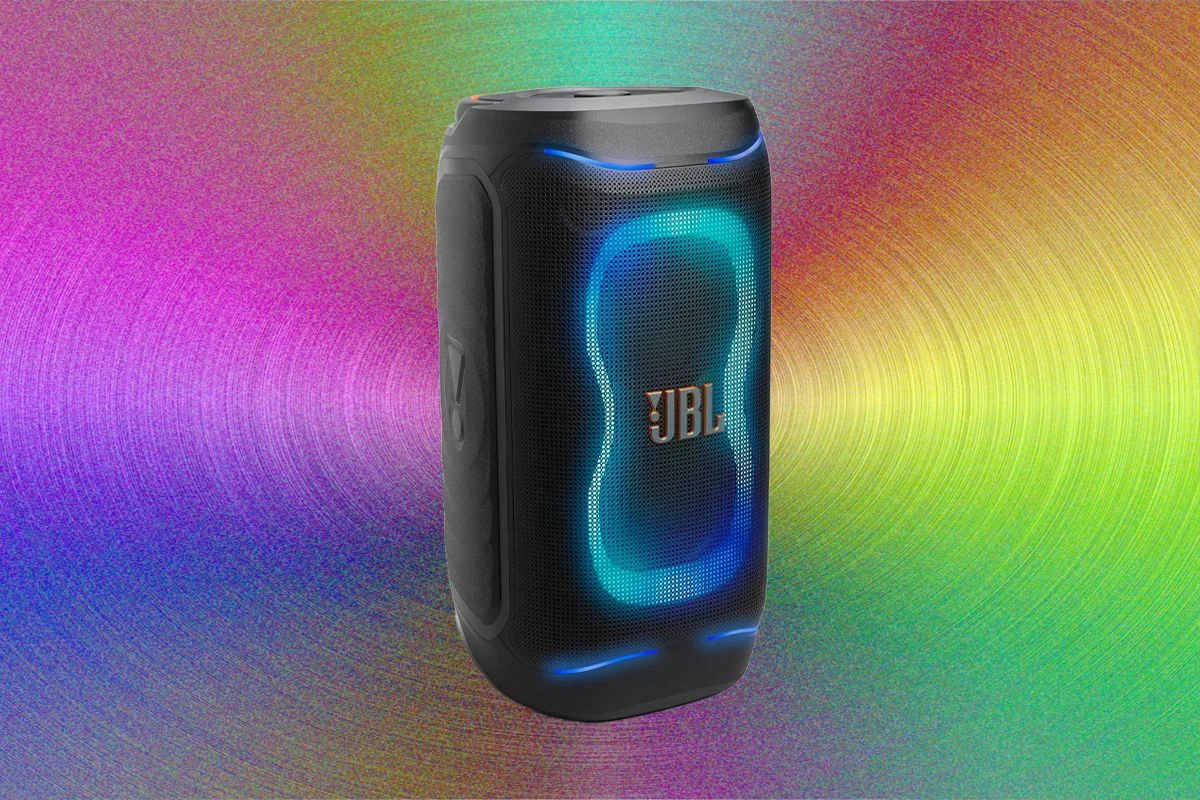
The Evolution of the At-Home Social Scene
The rise of the high-output party speaker is directly correlated with shifting economic and social behaviors among younger demographics. According to a July 2026 report by The Harris Poll, 68 percent of US Gen Z adults identify the rising costs of traditional nightlife—specifically bars and nightclubs—as a primary deterrent to going out. This economic reality has fueled a "home-body" revolution, where social capital is increasingly generated within private residences or outdoor communal spaces rather than commercial venues.
Supporting this trend, data from Attest indicates a substantial migration in alcohol consumption habits: 64 percent of Gen Z respondents now report drinking primarily at home, a significant increase from 42 percent just one year prior. This "nesting" trend has created an urgent demand for audio equipment capable of replicating the immersive, bass-heavy atmosphere of a nightclub in a living room, backyard, or park setting. While standard Bluetooth speakers offer convenience and clarity, they lack the physical presence and decibel ceiling required to sustain the energy of a crowded social event. Modern party speakers fill this void by integrating robust power, sophisticated digital signal processing (DSP), and visual elements like LED light arrays.
Defining the Modern Party Speaker
Technologically, today’s party speakers are distinct from consumer wireless audio. They are designed as self-contained, battery-powered ecosystems that prioritize output density. Current market offerings range from 100 to over 800 watts, providing a versatile range of options depending on the scale of the event. Beyond mere wattage, these units are engineered for endurance; standard battery life spans 12 to 25 hours, with many high-end models featuring swappable battery packs to ensure non-stop operation.
Key features defining this category include:

- Acoustic Architecture: Large-diameter drivers paired with passive radiators to produce visceral, bass-forward sound profiles.
- Connectivity and Integration: The inclusion of XLR, RCA, and quarter-inch inputs allows these speakers to interface with professional DJ controllers, mixers, and musical instruments, moving them beyond simple Bluetooth playback.
- Interactive DSP: Partner applications provide users with granular control over EQ settings, lighting synchronization, and AI-driven vocal effects, effectively turning the user into a mobile DJ.
- Durability and Mobility: Industrial design has shifted toward ruggedization, with many models incorporating IP-rated water resistance, reinforced handles, and mobility wheels to accommodate outdoor environments.
The Rise of Karaoke and Interactive Audio
A significant driver in the market is the integration of karaoke functionality. Devices such as the Soundcore Rave 3S have pushed this segment forward by including real-time AI vocal removal, which strips vocals from streaming audio to create backing tracks on the fly. This capability has transformed the speaker from a playback device into an interactive performance tool. Industry analysts note that this feature set mirrors the "experience economy," where consumers prioritize products that facilitate participation rather than passive listening.
Analytical Overview of Market Leaders
The current market landscape is dominated by a few key players who have balanced technical performance with consumer-friendly interfaces.
The LG Xboom Stage 501
Developed in collaboration with artist and tech entrepreneur will.i.am, the Stage 501 represents the current high-water mark for home-entertainment audio. With 160 watts of battery-powered output (rising to 220 watts when tethered to AC power), it delivers a sound profile that maintains clarity even at high volumes. Its success lies in its balanced audio signature, which avoids the common "muddy" bass often found in large-format speakers, making it suitable for both high-energy parties and casual listening.
The JBL PartyBox 130
The PartyBox 130 occupies a critical middle ground, offering a 200-watt output in a frame that is portable yet sufficiently powerful for medium-sized gatherings. JBL has leaned heavily into AI-driven sound optimization, utilizing DSP to prevent harmonic distortion as the volume peaks. Its integration with the "Auracast" standard allows users to daisy-chain multiple units, a feature that has become standard for users looking to scale their audio setup for larger venues.
The Marshall Bromley 450
Representing the premium tier, the Marshall Bromley 450 leans into the brand’s rock-and-roll heritage. By utilizing a 360-degree driver arrangement and 400 watts of power, it delivers a spatial audio experience that is less directional than its competitors. Its focus on physical control knobs and an aesthetic that mimics vintage guitar amplifiers appeals to a demographic that values tactile feedback over digital-only controls.

The Sony ULT Series
Sony’s ULT Tower 7 stands as the premier choice for aspiring DJs. With its 420-watt output and dedicated balanced XLR inputs, it is designed for professionals and semi-professionals who require low-latency audio transmission. Its inclusion of a 360-degree driver configuration ensures that the sound stage is expansive, minimizing the "boxed-in" sensation common with high-output speakers.
The Soundboks Rider
For outdoor and high-impact environments, the Soundboks Rider provides a ruggedized, minimalist solution. Eschewing flashy LEDs in favor of a steel grille and reinforced corners, it is built to withstand physical trauma that would destroy consumer-grade electronics. Its 118 dB output is notable for its clarity, and its ability to charge via USB-C addresses a common pain point in the portable speaker market.
Future Implications and Technological Trajectories
The trajectory of the party speaker market points toward greater interoperability. The emergence of proprietary, low-latency wireless protocols—such as those used by the Aiaiai Unit-4—is expected to eventually replace the standard Bluetooth connection for high-end speakers, allowing for true wireless DJing without the latency issues that currently plague the industry.
Furthermore, as the cost of AI integration continues to decline, we can expect "smart" features—such as automatic room-acoustics correction and voice-activated song requests—to become standard even in entry-level models. The environmental impact of these devices is also coming under scrutiny, leading to a shift toward replaceable battery designs, which extend the lifecycle of the units and reduce electronic waste.
Conclusion: A New Standard for Social Audio
The party speaker phenomenon is not a temporary trend but a permanent adjustment in consumer electronics. As younger generations continue to shift their social lives away from traditional venues, the home-audio market will likely continue to prioritize high-output, versatile, and interactive hardware. By combining the portability of modern Bluetooth tech with the sonic authority of a stage-ready PA system, these manufacturers have successfully captured the zeitgeist of a generation that prefers to host its own revolution, one track at a time. The transition toward high-fidelity, high-durability, and highly interactive audio equipment underscores a broader shift: the modern consumer is no longer just a listener, but an active participant in their own curated social experience.