Cintya Tara Annisa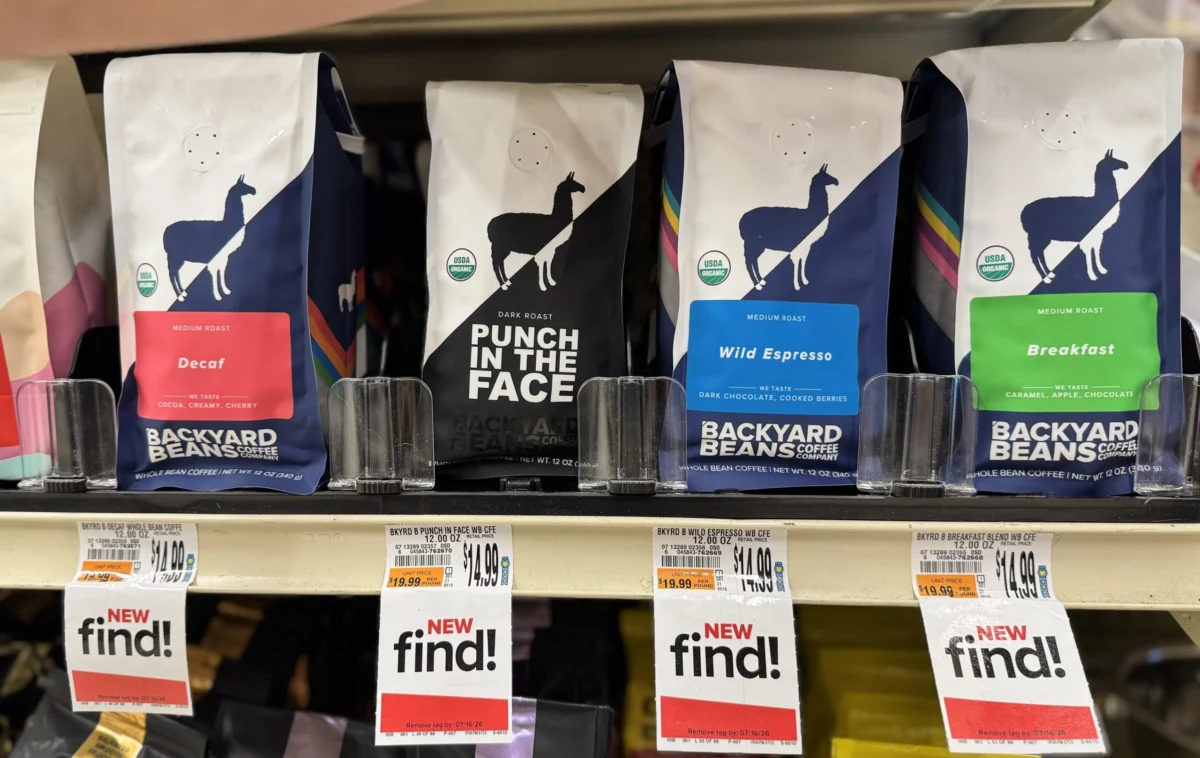
The landscape of the Mid-Atlantic specialty coffee market underwent a significant shift this week as Backyard Beans Coffee Company, a Lansdale-based specialty roaster and Certified B Corporation, officially launched its premium product line in 188 GIANT Company stores. This strategic expansion marks a pivotal moment for the independent roaster, bringing its USDA Organic whole bean coffees to a vast consumer base spanning Pennsylvania, Maryland, Virginia, and West Virginia. By securing shelf space in one of the region’s most prominent supermarket chains, Backyard Beans is transitioning from a beloved local craft brand to a major regional competitor, all while maintaining the rigorous sustainability standards that define its corporate identity.
The partnership with The GIANT Company represents more than just a retail contract; it is a validation of the growing consumer demand for ethically sourced, high-quality coffee in the traditional grocery aisle. As shoppers increasingly prioritize transparency and environmental stewardship, the presence of a B Corp-certified brand like Backyard Beans provides a specialized alternative to mass-market coffee brands. The rollout includes several of the company’s signature 12-ounce whole bean varieties, specifically curated to appeal to the "specialty-curious" grocery shopper who seeks the freshness of a local cafe experience within the convenience of their weekly shopping trip.
A Decade of Growth: From Roasting in a Backyard to Regional Distribution
The journey of Backyard Beans Coffee Company is a quintessential story of American entrepreneurship rooted in quality and community. Founded in 2013 by Matt and Laura Adams, the company began as a literal "backyard" operation. The founders’ initial mission was simple: to roast coffee that they enjoyed and to share it with their local community. Over the last eleven years, that mission has scaled significantly without losing its foundational focus on the craft.
The company’s early years were defined by its presence at local farmers markets and small independent co-ops. These venues allowed the Adamses to build a loyal following and refine their roasting profiles based on direct customer feedback. By 2013, the brand had established enough momentum to open its first flagship cafe in Lansdale, Pennsylvania, followed later by a second location in Ambler. These cafes served as testing grounds for new blends and established Backyard Beans as a community hub, a reputation that has been instrumental in their ability to scale to larger retail environments.
The timeline of the company’s evolution took a formal turn toward corporate responsibility in 2023, when Backyard Beans achieved Certified B Corporation status. This certification is granted to companies that meet high standards of verified social and environmental performance, public transparency, and legal accountability to balance profit and purpose. In an industry often criticized for opaque supply chains and exploitative labor practices, the B Corp designation served as a formal promise to consumers that Backyard Beans’ growth would not come at the expense of its ethical standards.
Strategic Synergy: The Role of The GIANT Company
The GIANT Company, headquartered in Carlisle, Pennsylvania, is a dominant force in the Mid-Atlantic grocery sector. Operating nearly 200 stores, along with pharmacies and fuel stations, it is a primary subsidiary of Ahold Delhaize, a global leader in grocery retail. For a regional roaster like Backyard Beans, partnering with GIANT offers an unparalleled logistics network and a massive customer demographic.
GIANT has historically shown a commitment to supporting local Pennsylvania-based brands, often featuring regional dairy, produce, and specialty goods under its "local" initiatives. By integrating Backyard Beans into 188 of its locations, GIANT is capitalizing on the "premiumization" trend in the coffee category. Industry data suggests that while overall coffee consumption remains steady, the "specialty" segment is growing at a faster rate as consumers move away from instant and pre-ground options in favor of whole bean, organic, and single-origin products.
The expansion into Maryland, Virginia, and West Virginia is particularly noteworthy. It signals that Backyard Beans is no longer confined to its suburban Philadelphia roots. This four-state reach positions the brand to compete with other regional specialty heavyweights while leveraging its unique B Corp status as a competitive advantage.
Sustainability and Sourcing: The B Corp Advantage
At the heart of the Backyard Beans brand is a commitment to "responsibly sourced" coffee. In the specialty coffee world, this term carries specific weight. It implies that the roaster is paying "fair producer premiums"—prices that often significantly exceed the C-market (commodity) price for coffee. These premiums are essential for ensuring that coffee farmers can invest in their land, pay their workers fair wages, and maintain organic farming practices.
The USDA Organic certification of the beans sold at GIANT stores further reinforces this commitment. Organic certification ensures that the coffee is grown without synthetic fertilizers or pesticides, promoting soil health and biodiversity in coffee-growing regions such as Central and South America, Africa, and Southeast Asia. For Backyard Beans, the organic label is not merely a marketing tool but a reflection of a supply chain that prioritizes the long-term health of the environment.
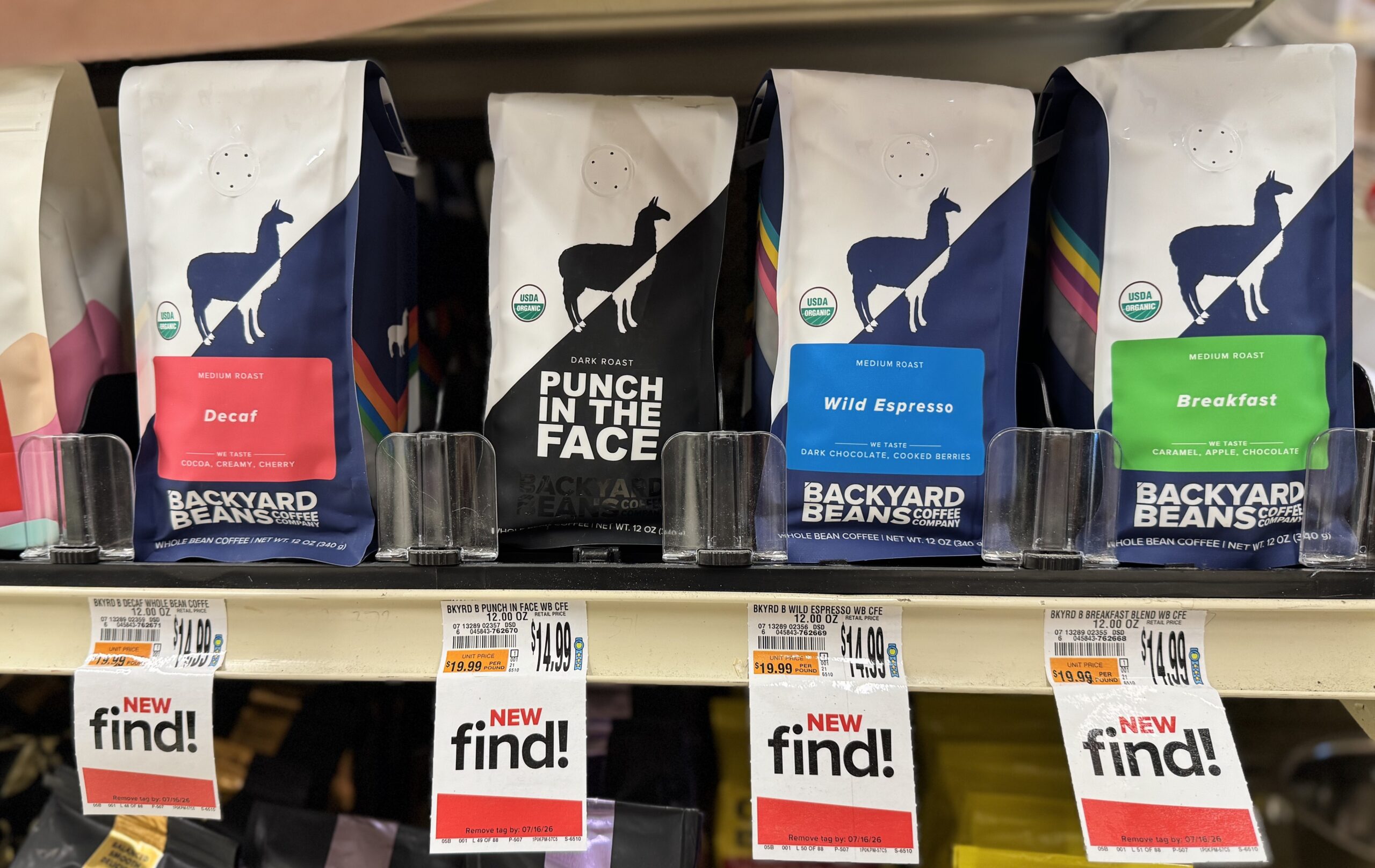
Laura Adams, co-owner of Backyard Beans, emphasized the meticulous nature of their process during the announcement. “We’re proud of what we’re putting on shelves,” Adams stated. “A lot of care goes into every step, and it means a lot to see it reach more people.” This sentiment reflects the company’s philosophy that growth should be used to expand access to high-quality products rather than simply maximizing volume.
Market Analysis: The Shift Toward Specialty Coffee in Grocery
The partnership between Backyard Beans and The GIANT Company occurs against the backdrop of a changing global coffee market. According to the National Coffee Association (NCA), specialty coffee consumption has reached record highs, with more than half of American coffee drinkers reporting that they consumed a specialty beverage within the past week.
Furthermore, the "at-home" coffee experience has been elevated since the COVID-19 pandemic. Consumers who previously relied on high-end cafes for their specialty fix began investing in home grinding and brewing equipment. This shift created a vacuum in the grocery aisle, where consumers were looking for cafe-quality whole beans but often found only mass-produced, stale options. Backyard Beans is directly filling this gap. By offering 12-ounce whole bean bags, they are targeting the "prosumer" who values the aromatic and flavor benefits of grinding beans immediately before brewing.
The inclusion of environmentally mindful packaging is another critical factor in this rollout. Modern consumers are increasingly wary of the plastic waste associated with coffee packaging. Backyard Beans’ focus on sustainable packaging aligns with the broader ESG (Environmental, Social, and Governance) goals of parent companies like Ahold Delhaize, which has committed to reducing its carbon footprint and waste across its global operations.
Broader Implications for the Regional Economy
The expansion of Backyard Beans into 188 retail locations has ripple effects beyond the coffee cup. As a Pennsylvania-based company, its growth contributes to the local economy through job creation in roasting, packaging, logistics, and corporate management. The ability of a small-town roaster to scale into a multi-state retail presence serves as a blueprint for other craft producers in the region.
From a competitive standpoint, this move puts pressure on other regional grocery chains to diversify their coffee offerings. As GIANT secures a reputation for carrying high-end, ethical brands like Backyard Beans, competitors may feel the need to seek out similar partnerships with local B Corps to retain their market share among younger, socially conscious demographics.
The "direct relationship" model touted by Backyard Beans also ensures that more of the consumer’s dollar stays within the value chain of the producer and the roaster, rather than being lost to various middle-men in the commodity market. This transparency is a hallmark of the "Third Wave" coffee movement, which treats coffee as an artisanal foodstuff rather than a commodity.
Conclusion and Future Outlook
As Backyard Beans Coffee Company settles into its new home on the shelves of 188 GIANT stores, the focus will likely shift to maintaining quality at scale. Scaling a roasting operation while maintaining the nuances of specialty-grade beans is a significant logistical challenge. However, the company’s track record over the last decade suggests a methodical and cautious approach to growth.
For the residents of Pennsylvania, Maryland, Virginia, and West Virginia, the arrival of Backyard Beans at their local GIANT represents a new level of accessibility. No longer do consumers need to visit a boutique cafe or wait for a shipping delivery to enjoy B Corp-certified, USDA Organic specialty coffee. The "backyard" has officially grown to encompass the entire Mid-Atlantic region, proving that ethical business practices and commercial success can indeed roast in the same pot.
With the continued support of its foundational communities in Lansdale and Ambler, and a new partnership with a retail giant, Backyard Beans is well-positioned to lead the next generation of specialty coffee roasters who prove that transparency and quality are the most important ingredients in every cup. For more information on their sourcing practices and product availability, the company remains active on its digital platforms, maintaining the open dialogue with customers that first began in a suburban Pennsylvania backyard over ten years ago.