Muhammad Hendra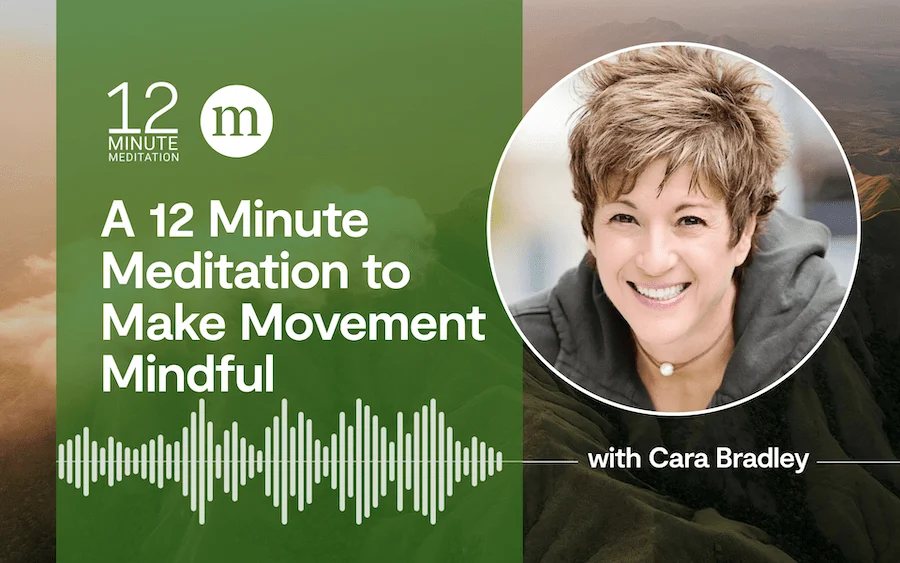
The human experience is characterized by an immense spectrum of physical forms, interests, skills, and inherent abilities. Yet, as renowned mindfulness teacher Cara Bradley emphasizes, the fundamental act of movement, irrespective of its scale—from the most subtle shift of gaze to the most rigorous athletic endeavor—possesses the profound potential to be a practice in mindfulness. This observation underscores a growing global appreciation for integrating conscious awareness into every facet of daily life, positioning movement not merely as a physical action but as a gateway to deeper self-connection and appreciation for the sheer act of being alive. This principle forms the cornerstone of a simple yet powerful meditation designed to cultivate a celebratory relationship with one’s physicality, fostering practices that intricately link breath and body, expand personal awareness, and ultimately, reinforce gratitude for the invaluable gift of existence.
The Dawn of Mindful Movement: A Growing Imperative
In an era increasingly defined by sedentary lifestyles and a pervasive disconnect between mind and body, the concept of mindful movement emerges as a vital counter-narrative. Modern society, with its technological advancements and demanding professional landscapes, often inadvertently encourages a detachment from the body’s innate wisdom and its capacity for conscious experience. Long hours spent in static postures, coupled with the mental burden of constant digital stimulation, contribute to widespread issues such as chronic stress, anxiety, and a diminished sense of physical well-being. It is within this context that the teachings of figures like Cara Bradley resonate deeply, offering practical pathways to reclaim a harmonious relationship with our physical selves.
Bradley’s approach, centered on making every movement an opportunity for mindfulness, transcends traditional notions of meditation confined to a cushion. It democratizes the practice, making it accessible to individuals regardless of their physical condition, age, or prior experience with meditative techniques. By shifting focus from performance or outcome to the present-moment experience of movement itself, individuals can unlock a deeper appreciation for their bodies’ capabilities and inherent resilience. This perspective encourages a compassionate self-observation, transforming routine actions into intentional engagements that nourish both mental and physical health.
Bridging Ancient Wisdom with Modern Living
The concept of mindful movement, while gaining contemporary traction, is deeply rooted in ancient contemplative traditions. Practices such as Yoga, Tai Chi, Qigong, and various forms of walking meditation have for millennia served as vehicles for spiritual insight and physical well-being. These disciplines inherently integrate breath, posture, and attention, guiding practitioners towards a heightened state of awareness and internal harmony. The modern mindfulness movement, largely popularized in the West by figures like Jon Kabat-Zinn and the development of Mindfulness-Based Stress Reduction (MBSR) in the late 1970s, initially emphasized sitting meditation. However, its evolution has seen a significant expansion to incorporate movement as a core component, recognizing the synergistic relationship between physical engagement and mental clarity.
Cara Bradley’s teachings represent a continuation and contemporary adaptation of this rich lineage. Her insights bridge the gap between abstract meditative principles and tangible, everyday actions. She champions the idea that mindfulness is not an exclusive practice but a way of being that can permeate all aspects of life, particularly those involving the body. This holistic view challenges the prevailing dualistic perception of mind and body, advocating for an integrated approach where physical sensation becomes a primary anchor for present-moment awareness, thereby enhancing emotional regulation, cognitive function, and overall life satisfaction.
The Science Behind the Stillness and the Motion
The benefits of mindfulness, particularly when integrated with physical activity, are increasingly substantiated by rigorous scientific research. Neuroimaging studies have revealed that regular mindfulness practice can lead to measurable changes in brain structure and function, including increased gray matter density in areas associated with learning, memory, emotion regulation, and self-awareness (such as the hippocampus and prefrontal cortex), and decreased density in the amygdala, which plays a role in fear and stress.
Neurological and Psychological Benefits
When movement is practiced mindfully, these neurological benefits are amplified. The intentional focus on bodily sensations—the stretch of a muscle, the rhythm of breath, the shifting balance—activates neural pathways that enhance proprioception (the sense of self-movement and body position) and interoception (the sense of the internal state of the body). This heightened bodily awareness is crucial for developing emotional intelligence and resilience. Studies published in journals like Psychological Science and Frontiers in Human Neuroscience indicate that individuals who practice mindful movement exhibit reduced levels of cortisol (the stress hormone), lower blood pressure, and improved mood states. The act of bringing non-judgmental attention to physical sensations can help to break cycles of rumination and worry, offering a direct and immediate pathway to calm and presence. Furthermore, mindful movement has shown promise in mitigating symptoms of anxiety, depression, and chronic pain, by altering an individual’s relationship with discomfort and promoting a sense of agency over their internal experience.
Physical Well-being and Body Awareness
Beyond the mental and emotional spheres, mindful movement yields significant physical advantages. It encourages a more intuitive and less ego-driven approach to physical activity, which can lead to sustainable fitness habits. For instance, rather than pushing through pain or discomfort in pursuit of a specific fitness goal, mindful movers learn to listen to their bodies, respecting their limits while gently exploring their capacities. This can prevent injuries and foster a healthier, more compassionate self-relationship. Research on practices like mindful walking or mindful yoga highlights improvements in balance, flexibility, cardiovascular health, and even immune function. For older adults, practices like Tai Chi, a form of mindful movement, have been shown to significantly reduce the risk of falls by improving balance and coordination. The emphasis on breath-body connection also enhances respiratory efficiency, which in turn can improve stamina and reduce physical tension.
A Chronology of Consciousness: Mindfulness’s Trajectory
The journey of mindfulness from ancient Eastern spiritual practices to a globally recognized wellness phenomenon is a compelling narrative of cultural exchange and scientific validation.
From Clinical Settings to Mainstream Acceptance
- 1970s: Jon Kabat-Zinn, a molecular biologist, establishes the Stress Reduction Clinic at the University of Massachusetts Medical Center, developing the Mindfulness-Based Stress Reduction (MBSR) program. This marks a pivotal moment, secularizing mindfulness and integrating it into a medical context. Early programs focused on sitting meditation and body scans.
- 1980s-1990s: MBSR gains recognition, leading to its adoption in various hospitals and clinics across the United States and Europe. Research begins to accumulate, demonstrating its efficacy in managing chronic pain, stress, and anxiety. During this period, gentle yoga and walking meditations are often incorporated as supplementary practices within MBSR.
- 2000s: The mindfulness movement expands beyond clinical settings, entering mainstream culture. Mindfulness-Based Cognitive Therapy (MBCT) is developed for preventing relapse in depression. Interest in mindful movement practices like yoga and Tai Chi surges, with millions participating worldwide. Academic interest grows, leading to more sophisticated neuroscientific studies.
- 2010s-Present: Mindfulness permeates diverse sectors, including corporate wellness programs, education systems, sports psychology, and even military training. Technology plays a role, with numerous apps and online platforms making mindfulness more accessible. Experts like Cara Bradley emerge, further refining and popularizing specific applications, such as integrating mindfulness into all forms of daily movement, making it less about formal practice and more about a continuous state of awareness. This period emphasizes inclusivity, recognizing that mindfulness is beneficial for all body types and abilities, shifting away from performance-oriented views of physical activity.
Voices from the Field: Expert Perspectives and Practitioner Experiences
The rising prominence of mindful movement is not merely a trend but a testament to its tangible benefits, echoed by both scientific experts and individuals who have integrated it into their lives.
Experts Weigh In
"The beauty of mindful movement lies in its universal applicability," states Dr. Elena Petrova, a neuroscientist specializing in contemplative practices. "It doesn’t require specialized equipment or a particular physical prowess. It simply asks for attention. By consciously connecting with our bodies through movement, we activate neural circuits that promote self-regulation, reduce reactivity, and enhance overall cognitive flexibility. This makes it an incredibly powerful tool for public health, especially in addressing the mental health challenges prevalent today." Dr. Marcus Thorne, a sports psychologist, adds, "For athletes, mindful movement isn’t just about injury prevention; it’s about peak performance. By cultivating a deeper awareness of their bodies, athletes can fine-tune their mechanics, manage performance anxiety, and recover more effectively. It transforms training from a purely physical grind into a holistic practice of mind-body mastery."
Cara Bradley herself elaborates on her philosophy: "Our bodies are incredible instruments, capable of expressing so much. Mindful movement is about tuning into that instrument, not to judge it or push it, but to listen to its subtle cues, to celebrate its strength, and to honor its need for rest. It’s about recognizing that every breath, every step, every gesture is a living meditation, a chance to come home to ourselves and appreciate the sheer wonder of being alive in this physical form."
Testimonials of Transformation
Individuals from diverse backgrounds report profound shifts after adopting mindful movement practices. Sarah L., a 45-year-old marketing executive who struggled with chronic stress, shares, "I used to view exercise as another chore, something I had to do to stay healthy. After incorporating Cara Bradley’s principles, my walks have become moments of profound peace. I’m no longer just putting one foot in front of the other; I’m feeling the ground beneath me, the air on my skin, the rhythm of my breath. It’s transformed my relationship with my body and significantly reduced my anxiety levels." Michael R., a 62-year-old retiree dealing with early-stage arthritis, notes, "I thought my days of active movement were behind me. But practicing gentle, mindful movements has allowed me to appreciate what my body can still do. It’s not about being pain-free, but about moving with the pain, acknowledging it without letting it consume me. It’s given me back a sense of control and joy in movement." These testimonials underscore the accessibility and efficacy of mindful movement as a tool for personal empowerment and enhanced well-being across the lifespan.
Broader Implications: Reshaping Health, Education, and Performance
The burgeoning field of mindful movement carries significant implications for various societal sectors, promising to reshape approaches to health, education, and human performance.
Public Health and Wellness Programs
From a public health perspective, the emphasis on inclusive and accessible mindful movement could revolutionize wellness initiatives. Instead of promoting high-intensity, often intimidating fitness regimes, public health campaigns could champion the integration of mindful awareness into everyday activities. This approach could appeal to a broader demographic, including those who are intimidated by traditional exercise or have physical limitations. Corporate wellness programs, for instance, are increasingly incorporating mindful movement breaks and workshops, recognizing their potential to reduce employee stress, improve focus, and enhance overall productivity. The simplicity and universality of the practice make it a cost-effective and sustainable strategy for fostering a healthier, more resilient populace.
Enhancing Athletic and Cognitive Performance
In the realm of sports and high-performance environments, mindful movement offers a competitive edge beyond physical conditioning. Athletes who practice mindfulness report improved focus, better emotional regulation under pressure, and enhanced body awareness that translates into superior technique and injury prevention. The ability to stay present and calm amidst intense competition can be the differentiator between success and failure. Similarly, in educational settings, integrating mindful movement into daily routines can help students improve concentration, manage test anxiety, and develop greater self-awareness, laying a foundation for holistic development. The tactile and kinesthetic learning aspects of mindful movement can also support diverse learning styles, making education more engaging and effective.
Fostering Inclusivity and Self-Acceptance
Perhaps one of the most profound implications of mindful movement is its capacity to foster inclusivity and self-acceptance. In a society often plagued by unrealistic body ideals and body shaming, this practice encourages individuals to connect with their bodies from a place of non-judgmental awareness and compassion. It celebrates the body as it is, in all its varieties, acknowledging that true well-being stems not from conforming to external standards but from cultivating an internal sense of respect and appreciation. This approach can be particularly empowering for individuals with chronic illnesses, disabilities, or those recovering from injury, offering a gentle yet powerful means to reconnect with their physical selves and appreciate the "gift of being alive" regardless of physical limitations.
The Path Forward: Embracing Mindful Movement Daily
The principles championed by Cara Bradley and supported by a growing body of evidence suggest a promising path forward for individuals and society at large. The guided meditation script or audio practices associated with her teachings serve as a practical entry point, encouraging participants to pause, connect with their breath and body, expand their awareness, and ultimately, appreciate the profound gift of being alive. This shift in perspective transforms the mundane into the sacred, the routine into the profound. By embracing mindful movement, we are not just exercising our bodies; we are cultivating a deeper connection to ourselves, fostering resilience, and enhancing our capacity for joy and presence in every moment. As the understanding and application of mindful movement continue to evolve, its potential to enrich lives and contribute to a more conscious, compassionate world appears limitless.