
 Ali Ikhwan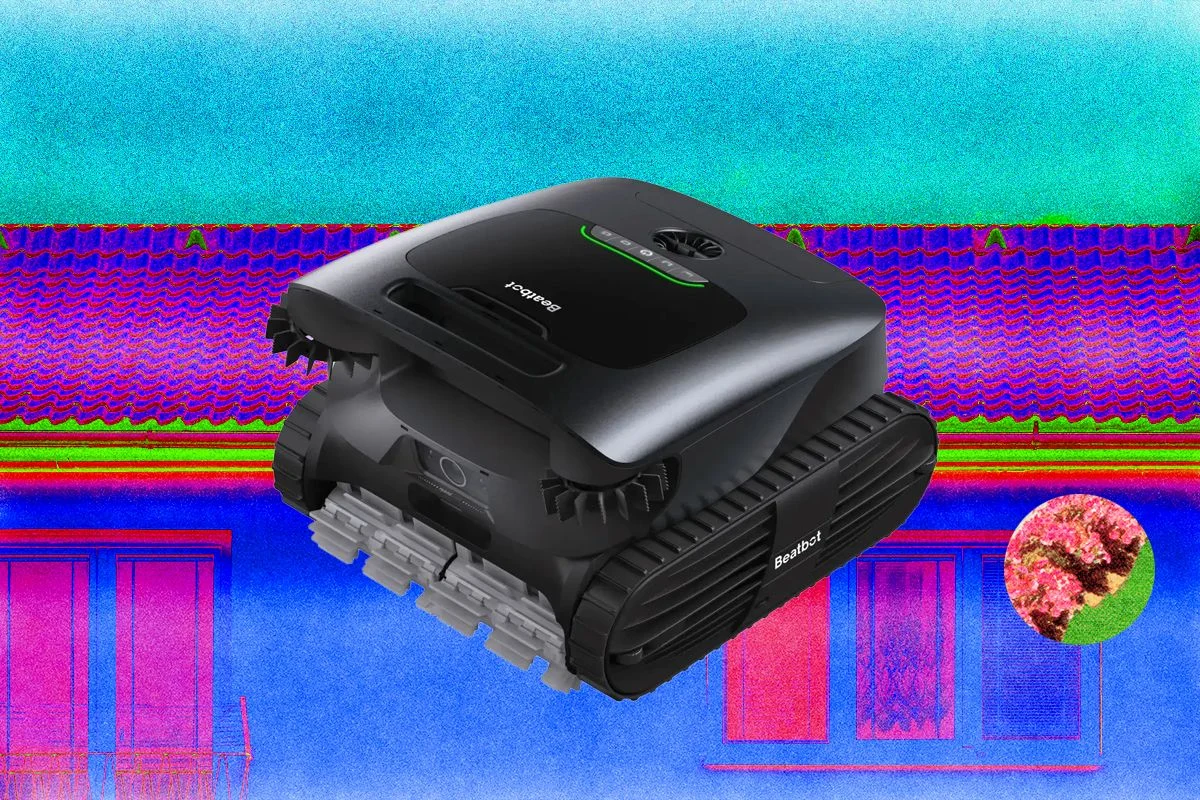
The landscape of residential pool maintenance has undergone a radical transformation over the last four decades, shifting from labor-intensive manual skimming to sophisticated, AI-driven autonomous systems. For homeowners in high-heat regions such as the American Sunbelt, pool ownership represents both a luxury and a significant maintenance burden. Traditional methods of cleaning—scooping debris with nets or utilizing pressure-side cleaners—are increasingly being replaced by electronic, battery-powered robots that operate independently of the pool’s primary filtration pump. This transition reflects a broader trend in home automation, where the objective is to minimize human intervention while maximizing cleaning efficiency through sensor-based navigation and high-density lithium-ion power.
The Evolution of Pool Cleaning Technology
To understand the current market, it is necessary to examine the chronological progression of pool cleaning hardware. In the 1980s, the industry was dominated by pressure-side cleaners. These units, which remain in use today, attach to a dedicated return line or a booster pump on the pool deck. They utilize water pressure to move across the floor and walls, pushing debris into a bag. While reliable, they are tethered by long, buoyant hoses that clutter the water and require the pool’s main pump system to run at high speeds, increasing energy consumption.
The second generation of cleaners introduced corded electronic models. These units operate on low-voltage electricity delivered through a long waterproof cable connected to a power transformer. While more energy-efficient than pressure-side cleaners, the cables are prone to tangling and limit the robot’s range in complex pool geometries.
The current, third generation represents the "cordless revolution." By integrating high-capacity lithium-ion batteries and brushless motors directly into the chassis, manufacturers have eliminated the need for external hoses or power lines. This allows the robot to be removed easily from the water, leaving the pool unencumbered for swimmers. According to industry data, the demand for cordless robotic cleaners has grown by over 30% annually as battery technology has become more affordable and reliable.

Market Leaders and Premium Performance
At the pinnacle of the current market is the Beatbot AquaSense 2 Ultra. This model represents the high-end segment, where price is secondary to comprehensive feature sets. Professionally tested over hundreds of cycles, the Ultra is recognized for its "near-perfect" cleaning capabilities, which encompass the floor, walls, and the critical waterline area where algae and "scum lines" tend to form.
Technical specifications for the AquaSense 2 Ultra include a powerful battery capable of six hours of continuous operation and an AI-powered debris detection system. A notable innovation in this model is its ability to transition from floor scrubbing to surface skimming, effectively performing two maintenance tasks with a single device. Upon completion of its cycle, the unit is programmed to float to the surface for easy retrieval from the pool deck. However, this level of performance comes with a significant physical and financial cost; the unit weighs 29 pounds and carries a retail price of approximately $3,000, making it one of the most expensive consumer-grade robots currently available.
For consumers seeking a similarly advanced but more specialized option, the Beatbot AquaSense X offers a unique self-cleaning proposition. This system includes the 42-pound AstroRinse base station, which handles both charging and debris evacuation. While it represents the future of "zero-intervention" maintenance, early market feedback suggests that the base station’s tendency to collect standing water can be a drawback in regions prone to mosquito breeding.
Extended Endurance and the iGarden Series
A significant pain point for pool owners is the frequency with which a robot must be retrieved and recharged. Most standard models provide enough power for a single thorough cleaning, typically lasting 90 to 150 minutes. The iGarden M1-AI 90 has addressed this by integrating a massive 12,500 mAh battery. This allows for up to nine hours of operation in floor-only mode, enabling the device to remain in the water for up to a week on a repeating schedule.
The iGarden series utilizes AI-powered cameras and algorithms to map the pool environment. Unlike "dumb" cleaners that move in random patterns, the M1-AI follows a systematic S-shaped path to ensure total coverage. For users with even larger pools or those who prefer monthly rather than weekly charging cycles, the iGarden Pool Cleaner K Pro offers an industry-leading 15 hours of battery life.

Economic Disruption in the Entry-Level and Midrange Segments
As the technology matures, significant price adjustments have made high-quality robotics accessible to a broader demographic. The Dreame Z1 Pro serves as a primary example of this market volatility. Originally launched with a list price of $1,499, the unit has seen dramatic price reductions, often retailing for as low as $499.
The Z1 Pro features onboard sensors that can graphically map a pool within a mobile application. While its cleaning speed is slower than premium competitors, it utilizes a magnetic, plug-free charging system that mitigates the risk of water ingress into the electronics—a common failure point for cheaper cordless models. This price correction reflects a highly competitive environment where manufacturers are willing to sacrifice margins to capture market share from established legacy brands.
Beatbot has also tiered its offerings to capture different budget segments. The Sora 70, priced at $1,499, provides many of the features of the Ultra line at half the cost, while the Sora 10, priced at $699, offers a basic but effective solution for smaller pools. A key feature of the Beatbot entry-level line is the "waterline parking" function, which ensures the robot is always accessible at the end of its cycle, eliminating the need for a retrieval hook.
Specialized Surface Skimmers and Solar Integration
While many robots focus on the pool floor, surface debris remains a primary cause of water quality degradation. Floating leaves and insects eventually sink, where they decompose and fuel algae growth. Robotic surface skimmers, such as the Beatbot iSkim Ultra, operate as a preventative measure.
These units are almost universally solar-powered, allowing them to remain in the water indefinitely. The iSkim Ultra distinguishes itself through the use of front-mounted sensors that prevent it from colliding with pool walls, a common issue that causes mechanical wear in "blind" skimmers. However, even high-end skimmers face design challenges; testers have noted that certain pool shapes can trigger external buttons on the device, occasionally causing the debris basket to eject prematurely.

For those on a stricter budget, the Bublue Vortex V5 offers a unique approach by creating a localized whirlpool to draw in debris. However, its lack of solar charging and limited four-hour runtime make it less of a "set and forget" solution compared to the iSkim Ultra.
Technical Analysis: Key Features and Buyer Considerations
When evaluating robotic pool cleaners, several technical metrics determine the long-term value of the investment:
- Cleaning Envelope: High-performance models must address the floor, walls, and waterline. Waterline scrubbing is particularly vital as it prevents the calcification of oils and organic matter on pool tiles.
- Filtration Density: Modern baskets should include fine-mesh filters capable of capturing sand and silt, not just large leaves.
- Maneuverability and Weight: A robot’s effectiveness is often tied to its weight. Heavier robots generally have better traction for climbing walls but are more difficult for the average homeowner to lift out of the water once saturated.
- Automation and Connectivity: Wi-Fi and Bluetooth integration allow for firmware updates and remote scheduling. Some models, like the Fanttik Aero X, even utilize floating antennas to maintain a connection while submerged.
Testing Methodology and Data Validation
The data supporting these recommendations is derived from rigorous real-world testing. Standardized tests often involve the distribution of 100 synthetic silk leaves across a 468-square-foot in-ground pool with varying depths (4 to 7 feet). This quantifiable approach allows for a "capture percentage" to be calculated for each robot. Qualitative assessments are also conducted on app stability, filter cleaning ease, and the reliability of the unit’s "return-to-surface" programming.
In testing scenarios, it has been observed that manufacturer-quoted "maximum pool sizes" are often optimistic. A robot rated for a 2,000-square-foot pool may only provide a thorough, single-pass clean for a 1,000-square-foot area. Therefore, consumers are advised to over-specify their needs when selecting a battery-powered model.
Broader Impact and Industry Implications
The shift toward autonomous pool care has significant implications for the professional pool service industry. While robots cannot yet balance water chemistry or perform complex filter backwashing, they can reduce the required frequency of professional visits. This allows pool service companies to pivot toward more technical maintenance roles rather than manual labor.

Furthermore, the environmental impact of robotic cleaners is positive. By utilizing low-voltage DC motors and operating independently of the main pool pump, these robots can save homeowners hundreds of dollars in annual energy costs. As solar-powered skimmers and high-efficiency batteries become the standard, the carbon footprint of maintaining a backyard pool continues to shrink.
In conclusion, the robotic pool cleaner market of 2025 is defined by a move toward total autonomy, AI-driven efficiency, and a broadening of price points. Whether a homeowner chooses a $3,000 all-in-one system or a $500 budget-friendly workhorse, the technology has reached a level of maturity where "manual cleaning" is becoming an obsolete concept in modern property management.







