Reynand Holland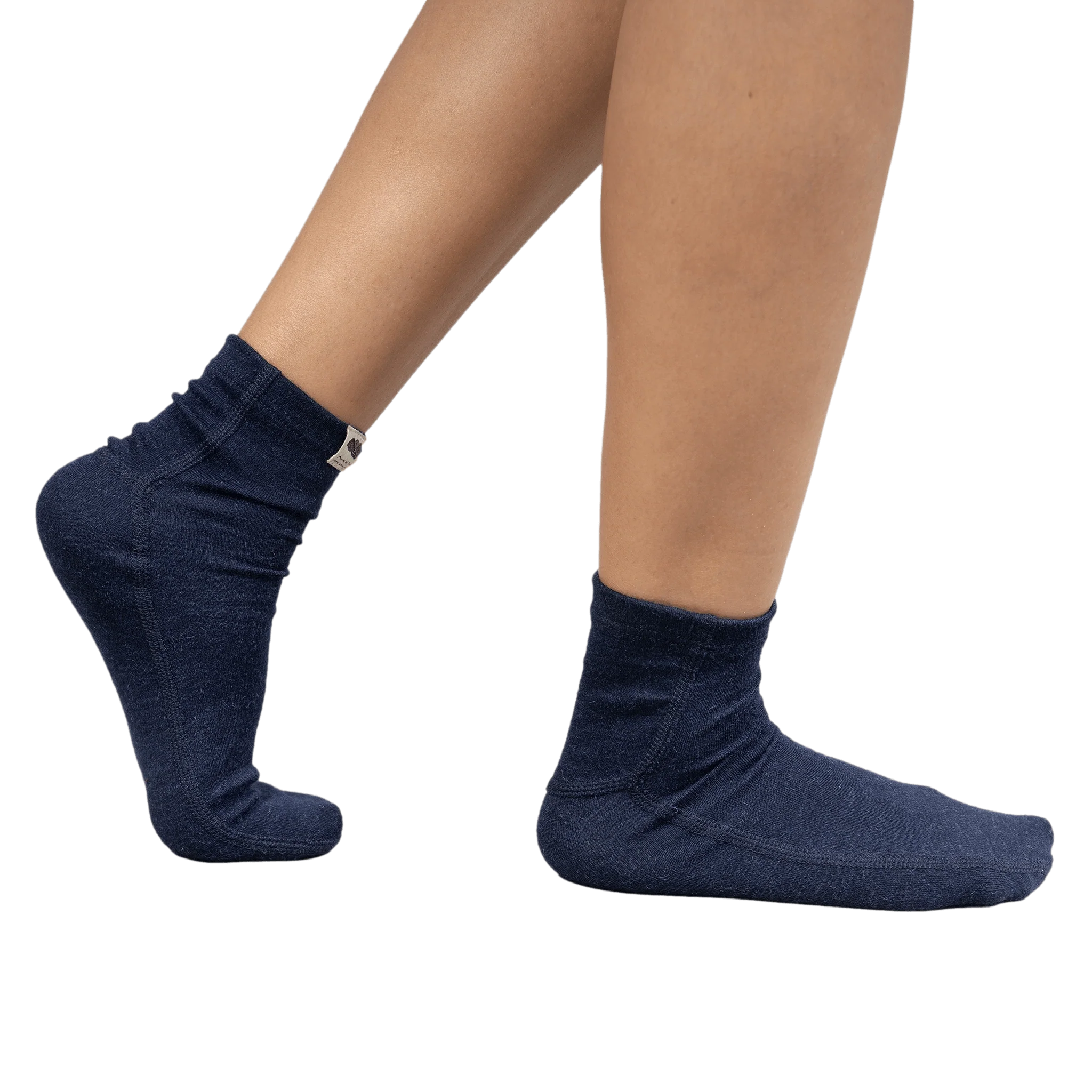
Socks, often overlooked as a mundane wardrobe staple, can significantly impact daily comfort and even pose health risks if not chosen carefully. The prevalence of synthetic materials and certain dyes in conventional socks has raised concerns among dermatologists and environmental advocates alike, prompting a closer examination of what truly lies next to our skin. Research indicates that synthetic socks can trap odors and harbor bacteria, while the azo-benzene disperse dyes commonly used on polyester have been identified as potential skin sensitizers and, in some cases, carcinogenic when absorbed through the skin, a process exacerbated by sweat. This underscores the growing importance of opting for socks crafted from natural fibers and utilizing skin-safe, non-toxic dyes.
The Unseen Impact of Synthetic Materials and Dyes
The seemingly innocuous sock can be a vector for discomfort and potential health issues. Plastic-based materials, while often cost-effective, contribute to poor breathability, leading to increased moisture and odor retention. More concerning is the chemical composition of many synthetic socks. Azo-benzene disperse dyes, frequently employed to achieve vibrant colors on polyester, are a particular point of contention. Studies have linked these dyes to allergic contact dermatitis, a common skin sensitivity. Furthermore, the European Chemicals Agency (ECHA) has flagged certain azo dyes as carcinogenic, raising alarms about their potential absorption through the skin, especially in areas with higher perspiration rates like the feet. This absorption pathway is a critical concern given the direct and prolonged contact socks have with the skin.
The environmental toll of synthetic sock production is also substantial. The reliance on petrochemicals for polyester and nylon contributes to the depletion of fossil fuels and generates greenhouse gas emissions during manufacturing. The dyeing process, particularly with conventional dyes, can lead to water pollution if not managed responsibly, releasing harmful chemicals into waterways. This cumulative impact highlights the need for a more sustainable and health-conscious approach to sock manufacturing.
A Shift Towards Natural Fibers and Safer Dyes
Fortunately, consumers seeking healthier and more sustainable alternatives have an increasing number of options. The movement towards natural fibers like organic cotton, merino wool, alpaca wool, Tencel, linen, and bamboo viscose offers a compelling solution. These materials are inherently breathable, moisture-wicking, and hypoallergenic, providing superior comfort and reducing the likelihood of skin irritation.
When selecting wool-based socks, look for certifications like the Responsible Wool Standard (RWS). The RWS ensures that the wool is sourced from farms that practice responsible land management and adhere to strict animal welfare standards, prohibiting painful procedures such as mulesing. Similarly, for cotton, opting for GOTS (Global Organic Textile Standard) certified organic cotton guarantees that the material is grown without synthetic pesticides and fertilizers, and processed with minimal environmental impact. Tencel, derived from sustainably sourced wood pulp, is known for its softness and breathability, while linen and bamboo viscose offer their own unique benefits in terms of comfort and durability.
The concern extends beyond the base material to the dyes and finishes used. Certifications like Oeko-Tex Standard 100 and bluesign® provide assurance that textiles have been tested for harmful substances and produced with minimal environmental impact. Oeko-Tex Standard 100 certifies that a product has been tested for a wide range of harmful chemicals and is safe for human health. The bluesign® system goes a step further, focusing on sustainable production processes throughout the entire textile supply chain, from raw material to finished product, aiming to reduce water consumption, energy usage, and chemical emissions. Brands that publicly disclose their Restricted Substances Lists (RSLs) also demonstrate a commitment to chemical safety and responsible manufacturing practices.
Transparency and Ethical Production: Key Considerations
Beyond materials and dyes, the ethical and environmental footprint of a sock brand is increasingly important to consumers. Transparency in the supply chain is a crucial indicator of a brand’s commitment to responsible practices. Brands that openly share information about their manufacturing partners, sourcing locations, and labor conditions build trust and allow consumers to make informed choices. Certifications such as Fair Trade, Worldwide Responsible Accredited Production (WRAP), and B Corporation status offer further validation of a company’s dedication to ethical treatment of workers and sustainable business operations.
The journey of a sock from raw material to a consumer’s drawer often involves multiple stages and global partners. A B Corp certification, for instance, signifies that a company has met rigorous standards of social and environmental performance, accountability, and transparency. Fair Trade certification ensures that farmers and workers receive fair wages and work under safe conditions. WRAP certification independently assesses facilities to ensure they are operating ethically and legally, adhering to international labor standards.
Sustainable Packaging: A Final Frontier
Even the packaging of socks can contribute to environmental waste. Many brands still rely on excessive plastic packaging, which can end up in landfills or pollute oceans. Consumers are increasingly seeking out brands that utilize compostable, biodegradable, or recycled and recyclable packaging materials. Certifications from the Forest Stewardship Council (FSC) indicate that paper and cardboard products are sourced from responsibly managed forests, further contributing to environmental preservation.
Leading Brands in Non-Toxic and Sustainable Sock Production
Several brands are at the forefront of offering socks that prioritize both skin health and environmental responsibility. These companies are setting a new standard for the industry by investing in natural materials, non-toxic dyes, ethical production, and sustainable packaging.
Harvest & Mill: Dye-Free American Craftsmanship
Harvest & Mill stands out for its commitment to producing dye-free organic cotton socks, grown, spun, and knit entirely in the U.S. This localized approach significantly shortens the supply chain, reducing carbon emissions and supporting domestic agriculture. The brand’s dedication to sustainability is further evidenced by its practice of repurposing or recycling all fabric scraps and its use of compostable packaging. Their socks are naturally colored, reflecting the inherent hues of the cotton, and have been lauded by sensitive skin testers for their cozy, breathable feel. The crew-style socks offer ample coverage and comfort without constricting cuffs.
- What we love: Dye-free, organic cotton grown, spun, and knit in the U.S.; compostable packaging; fabric scrap repurposing.
- Price Range: $11-$12 for single pairs, $33-$66 for packs.
- Availability: Most countries.
Subset (Formerly Knickey): Certified Comfort for Sensitive Skin
Brooklyn-based Subset, formerly known as Knickey, is a PFAS-free brand offering Fair Trade and Oeko-Tex-certified organic cotton socks. Their cotton is sourced from an organic farm in India, where the entire production process, from ginning to sewing, takes place. This integrated approach ensures greater control over quality and sustainability. While some testers noted the thinness of Subset socks, they are ideal for pairing with fitted shoes and offer a dressier feel. The embedded elastic in the cuffs is designed to prevent skin contact, a crucial feature for those with sensitivities. It is important to note that Subset socks contain approximately 24% synthetics.
- What we love: PFAS-free, Fair Trade and Oeko-Tex-certified organic cotton; integrated production in India.
- Watch out for: Contains 24% synthetics.
- Price Range: $12 per pair.
- Availability: U.S., Australia, Canada, and most European countries.
Paka: Ethical Alpaca Wool Blends for All Climates
Paka, a certified B Corp, crafts durable yet lightweight socks using a blend of alpaca wool and Tencel. These socks are naturally odor-resistant and moisture-wicking, making them ideal for both everyday wear and outdoor activities. They are dyed with Oeko-Tex-certified dyes and spun by Peruvian artisans, supporting local craftsmanship. Paka utilizes biodegradable and compostable packaging. While highly praised for warmth and comfort, especially in colder climates, some users may experience mild itchiness due to the natural texture of alpaca wool, which is generally not an allergic reaction but a physical sensation. Paka socks can contain up to 50% recycled synthetics.
- What we love: Certified B Corp; majority alpaca wool and Tencel blend; Oeko-Tex-certified dyes; biodegradable and compostable packaging; supports Peruvian artisans.
- Watch out for: Contains up to 50% recycled synthetics.
- Price Range: $20-$24 for single pairs, $48-$96 for bundles.
- Availability: Worldwide.
Arms of Andes: Pure Alpaca, No Synthetics
Arms of Andes is a standout brand for its commitment to producing 100% alpaca fiber socks, completely free of synthetic materials. Sourced from free-range alpacas in the Andes, these Oeko-Tex-certified socks are lightweight yet exceptionally insulating, soft, and moisture-wicking. The brand fosters close relationships with co-op farmers in the Andes, ensuring ethical sourcing and production from fiber to finished garment. Their orders are shipped in compostable packaging.
- What we love: 100% alpaca fiber; no synthetics; Oeko-Tex-certified; ethical sourcing from Andean co-op farmers; compostable packaging.
- Price Range: $20-$25 for single pairs, $65 for packs.
- Availability: U.S., EU, and UK.
Cottonique: Allergy-Free Cotton for the Most Sensitive Skin
Cottonique is a pioneer in allergy-free apparel, specializing in completely synthetic-free socks. Their 100% cotton socks are latex-free, bleach-free, and hypoallergenic, featuring covered seams to prevent irritation. The brand collaborates closely with dermatologists to ensure product safety. Sourced from organic cotton farms in India and manufactured in the Philippines, Cottonique uses compostable packaging. Their commitment to pure, unadulterated cotton makes them an excellent choice for individuals with extreme skin sensitivities.
- What we love: Completely synthetic-free; 100% organic cotton; latex-free, bleach-free, hypoallergenic; dermatologically tested; compostable packaging.
- Price Range: $16 for single pairs of thigh highs, $16-$21 for packs.
- Availability: Most countries.
Boody: Sustainable Bamboo and Organic Cotton Essentials
Sydney-based Boody offers a versatile range of socks made from Oeko-Tex-certified organic bamboo viscose, organic cotton, and recycled nylon. Their socks cater to various needs, from loungewear to active pursuits. Boody adheres to a strict code of conduct and partners with WRAP-certified facilities in China, Vietnam, and India, ensuring ethical manufacturing practices.
- What we love: Oeko-Tex-certified organic bamboo viscose and organic cotton; recycled nylon options; WRAP-certified facilities; ethical code of conduct.
- Price Range: $9.95-$17.95 for singles, $54 for bundles.
- Availability: U.S. and Canada.
Kotn: Direct Trade Egyptian Cotton with Traceability
Kotn, a certified B Corp, prioritizes direct trade relationships with cotton farmers in Egypt, ensuring fair prices and fostering long-term partnerships. Their socks are crafted from organic cotton and dyed with Oeko-Tex-certified dyes. Kotn offers complete supply chain traceability and uses recycled and recyclable packaging, demonstrating a strong commitment to sustainability and ethical sourcing. Some Kotn pairs may contain up to 20% synthetics.
- What we love: Certified B Corp; direct trade Egyptian cotton; organic cotton; Oeko-Tex-certified dyes; traceable supply chain; recycled and recyclable packaging.
- Watch out for: Some pairs contain up to 20% synthetics.
- Price Range: $10-$18 for single pairs.
- Availability: Most countries.
Quinn: Eczema-Friendly Designs with Ethical Manufacturing
Quinn designs durable garments specifically for individuals with eczema, including a selection of organic cotton non-toxic socks. They offer dye-free, lightweight, and mid-weight options. Designed in Canada, their socks are ethically produced in Oeko-Tex-certified factories in Portugal and Sri Lanka. While their cotton is GOTS-certified, the sourcing location is not always specified. Some Quinn socks may contain up to 20% synthetics. The brand’s merino wool socks feature a particularly warm and cozy thick heel.
- What we love: Eczema-friendly design; organic cotton; dye-free options; Oeko-Tex-certified factories; mid-weight merino wool options.
- Watch out for: Sourcing of GOTS-certified cotton is unclear; some pairs contain up to 20% synthetics.
- Price Range: $15 for singles up to $75 for packs.
- Availability: Most countries.
Cariloha: Hypoallergenic Bamboo Viscose Comfort
This certified B Corp specializes in hypoallergenic socks made from a blend of bamboo viscose and organic cotton. Their bamboo is sourced from China and is Oeko-Tex and Fair Trade-certified. Cariloha uses FSC-certified paper packaging for its products. While their commitment to sustainable materials is evident, the specific manufacturing locations are not always disclosed.
- What we love: Certified B Corp; hypoallergenic bamboo viscose and organic cotton; Oeko-Tex and Fair Trade-certified bamboo; FSC-certified paper packaging.
- Watch out for: Manufacturing locations are unclear.
- Price Range: $10-$15 for singles, $30-$45 for bundles.
- Availability: U.S., Australia, and Canada.
Dedicated: Bold Patterns with Fair Trade Ethics
Dedicated creates Fair Trade organic cotton socks featuring vibrant and eye-catching patterns. Their cotton suppliers are WRAP-certified, and the brand provides transparency by indicating the manufacturing location for each pair on its product pages. It’s worth noting that Dedicated’s socks typically contain up to 25% elastane for stretch.
- What we love: Fair Trade organic cotton; bold patterns; WRAP-certified suppliers; transparent manufacturing information.
- Watch out for: Contains up to 25% elastane.
- Price Range: $9-$59.
- Availability: Worldwide.
Darn Tough: Durable Merino Wool with Responsible Sourcing
Darn Tough crafts highly durable and comfortable socks in Vermont at its family-owned mills. Made with RWS-certified merino wool and featuring fun, colorful designs, these socks are built to last. They utilize Oeko-Tex-certified materials and rigorously test for hazardous substances, adhering to their own restricted substances list. Darn Tough’s commitment to sustainability extends to their packaging, which includes FSC-certified recycled paper, compostable bags, and vegetable-based inks. A significant portion of their socks, up to 50%, can be synthetics.
- What we love: RWS-certified merino wool; durable and comfortable; Oeko-Tex-certified materials; responsible packaging; made in Vermont.
- Watch out for: Contains up to 50% synthetics.
- Price Range: $15-$35 for singles, up to $84 for packs.
- Availability: U.S., UK, and EU.
Nisolo: Upcycled Materials and Living Wages
Nisolo, a certified B Corp, known for its leather goods, also offers a line of comfortable and stylish socks. These socks are produced in a family-owned mill in North Carolina using upcycled cotton, linen, wool, and recycled polyester. Nisolo is dedicated to supply chain transparency and strives to ensure all workers in its supply chain receive a living wage. Their packaging is made from recycled materials. A notable aspect of Nisolo socks is their higher synthetic content, which can reach up to 70%.
- What we love: Certified B Corp; upcycled materials; living wage commitment; supply chain transparency; recycled packaging.
- Watch out for: Contains up to 70% synthetics.
- Price Range: $15-$20 for single pairs.
- Availability: U.S., Australia, Canada, and most European countries.
Swedish Stockings: Sustainable Hosiery with a Conscious
Swedish Stockings offers a range of knee-high and ankle socks made in Italy from Oeko-Tex-certified materials, including bamboo viscose, organic cotton, organic wool, recycled polyester, and elastane. They provide options for classic, supportive, colorful, and patterned styles. While they incorporate sustainable materials, some of their socks are entirely synthetic.
- What we love: Oeko-Tex-certified materials; variety of styles including knee-highs and ankle socks; made in Italy.
- Watch out for: Some socks are fully synthetic.
- Price Range: $19 for ankle sock bundles, $22-$45 for single knee highs, and $50-$90 for knee-high bundles.
- Availability: Most countries.
The growing awareness of the link between our clothing choices, personal health, and environmental impact is a positive trend. By understanding the materials, dyes, and ethical considerations involved in sock production, consumers can make informed decisions that benefit both their well-being and the planet. The brands highlighted demonstrate that comfort, style, and sustainability can indeed go hand-in-hand, even in the most fundamental elements of our wardrobe.