
 Ali Ikhwan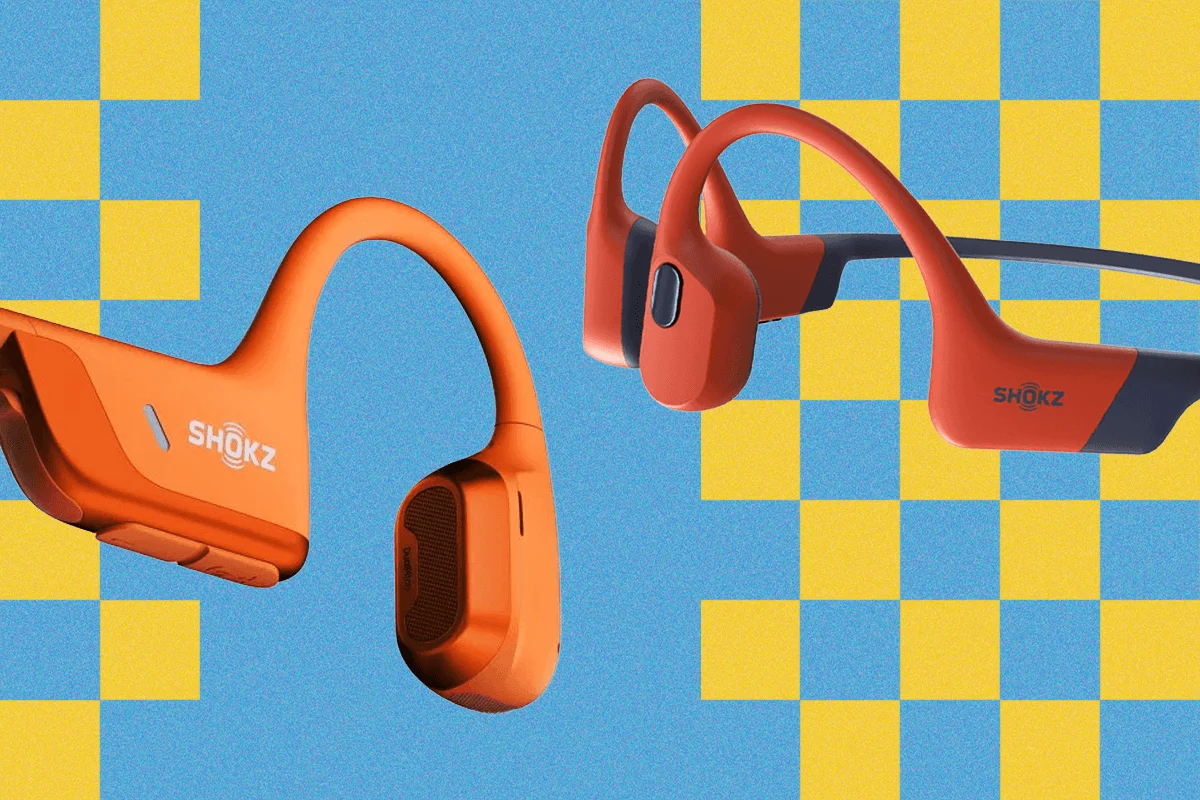
Bone conduction technology, once a niche application reserved for clinical audiology and specialized military communications, has undergone a profound transformation over the last two decades to become a cornerstone of the consumer fitness audio market. In its early iterations, consumer-grade bone conduction headphones were frequently criticized for significant technical shortcomings, including intrusive physical vibrations that caused discomfort to the user and a lack of acoustic fidelity that rendered music playback substandard. However, iterative advancements in transducer engineering and digital signal processing have effectively addressed these historical limitations, positioning these devices as a preferred choice for athletes and safety-conscious commuters.
The Technical Foundations of Bone Conduction
To understand the evolution of this technology, it is necessary to examine the biological and mechanical processes involved. Traditional headphones utilize air conduction, where sound waves travel through the ear canal to vibrate the eardrum (tympanic membrane). These vibrations are then transmitted to the cochlea in the inner ear. In contrast, bone conduction headphones bypass the eardrum entirely. They employ electromechanical transducers that convert audio signals into mechanical vibrations. These vibrations are transmitted through the user’s cheekbones (maxilla and temporal bones) directly to the cochlea.
This "open-ear" design allows the ear canal to remain unobstructed, enabling the user to maintain full situational awareness. In the early 2000s, the primary challenge for engineers was the "mass-spring" effect of the transducers. To produce audible low-frequency sounds (bass), the devices required high-amplitude vibrations. Because the transducers were pressed against the skin, these vibrations often resulted in a "tickling" or "buzzing" sensation that many users found intolerable during extended use. Furthermore, because the transducers were not sealed within an ear cup, sound leakage was a persistent issue, often broadcasting the user’s audio to anyone in the immediate vicinity.
A Chronological History of Bone Conduction Development
The history of bone conduction dates back significantly further than its entry into the consumer electronics space. The principles were documented as early as the 16th century, but the 20th century saw the first practical applications.
- 1923 – The Osophone: Hugo Gernsback, a pioneer in science fiction and electronics, developed the Osophone, a device intended to help the hearing impaired by transmitting sound through the teeth.
- 1970s – Clinical Integration: Bone-anchored hearing aids (BAHA) became a medical standard for patients with conductive hearing loss or chronic ear infections, utilizing a titanium implant to fuse the device with the skull.
- 1990s – Military and Tactical Use: Special operations forces began utilizing bone conduction headsets to allow for radio communication while keeping the ears open for environmental sounds, such as footsteps or gunfire.
- 2011 – The Consumer Pivot: Companies like AfterShokz (now Shokz) were founded with the specific goal of bringing this military-grade technology to the general public, targeting the burgeoning "marathon and triathlon" demographic.
- 2018–Present – Refinement and Mainstream Adoption: The introduction of "PremiumPitch" and "LeakSlayer" technologies marked a turning point. Engineers managed to angle the transducers to minimize vibration while using phase-canceling sound waves to reduce audio leakage.
Market Analysis and Supporting Data
The global bone conduction headphone market has seen a compound annual growth rate (CAGR) that exceeds that of traditional wired headphones. According to market research data, the global open-ear audio market was valued at approximately $240 million in 2017 and is projected to exceed $1.2 billion by 2028.
Several factors contribute to this growth:
- The Fitness Boom: The rise of outdoor activities, including long-distance running and cycling, has created a demand for hardware that balances entertainment with safety.
- Safety Regulations: Many organized races and marathons have banned traditional "in-ear" or "over-ear" headphones to ensure participants can hear marshal instructions and emergency vehicles. Bone conduction devices are often the only exception to these rules.
- Hearing Health Awareness: Audiologists have increasingly pointed to the risks of Noise-Induced Hearing Loss (NIHL) caused by high-volume air conduction earbuds. By bypassing the eardrum, bone conduction is perceived by some consumers as a "safer" alternative, although experts note that excessive volume at the cochlea level can still cause damage.
Data from consumer electronics retailers indicates that the "return rate" for bone conduction headphones dropped by 40% between 2015 and 2023. This decline is attributed to the improved "out-of-box" experience, where the vibration-to-sound ratio has finally reached a level of parity with consumer expectations for mid-range audio equipment.
Addressing the Performance Gap
The most significant hurdle in the enrichment of this technology has been frequency response. Traditional headphones can easily reproduce a range from 20Hz to 20kHz. Bone conduction inherently struggles with sub-bass frequencies (20Hz–100Hz) because bone is a much denser medium than air, requiring more energy to vibrate.

Recent innovations have utilized dual-pitch technology. For example, some high-end models now combine a bone conduction transducer for mid-to-high frequencies with a secondary "air-direction" speaker that targets the ear canal with low-frequency pressure without sealing it. This hybrid approach has allowed manufacturers to market these devices not just as "utility tools" for safety, but as "lifestyle products" capable of delivering a rich musical experience.
Furthermore, the integration of titanium frames has revolutionized the ergonomics of the devices. Early models were made of heavy plastics that lacked flexibility, leading to "pressure points" behind the ears. Modern iterations utilize nickel-titanium (Nitinol) alloys, which provide a "memory metal" property. This allows the headset to maintain a secure grip for athletic movement without exerting excessive force on the temporal bone.
Industry Responses and Competitive Landscape
The success of early pioneers has led to an influx of established audio brands into the open-ear space. Companies such as Suunto, known for GPS watches, and Philips, a giant in consumer electronics, have recently launched dedicated bone conduction lines.
A spokesperson for a leading audio engineering firm stated in a recent industry white paper: "The objective is no longer just about making the technology work; it is about making it invisible. The user should feel the music, not the hardware. We are seeing a shift where bone conduction is being integrated into smart eyewear and helmets, suggesting that the transducer is becoming a component rather than just a standalone product."
In the professional sports world, reactions have been largely positive. Cycling safety advocates have praised the technology for reducing "auditory masking," a phenomenon where headphone music prevents a cyclist from hearing a vehicle approaching from the blind spot. In response to this, several insurance providers in European markets have begun discussing premium discounts or safety certifications for commuters who utilize open-ear technology.
Broader Implications and Future Outlook
The implications of bone conduction technology extend beyond the gym or the running trail. There is a growing movement toward "augmented audio," where digital assistants (such as Siri, Alexa, or Google Assistant) provide a constant layer of information over the real world. Bone conduction is the ideal delivery mechanism for this "audio AR" (Augmented Reality) because it does not isolate the user from their social environment.
In the corporate sector, "office-ready" bone conduction headsets with boom microphones have seen increased adoption. These devices allow employees to engage in high-fidelity video calls while remaining aware of office surroundings or domestic sounds (such as a doorbell or a child) when working from home.
As the technology continues to mature, three key areas of development are expected:
- Micro-Transducers: Shrinking the vibrating elements to fit inside the frames of standard prescription eyeglasses.
- Extended Battery Life: Moving toward 12-to-15-hour continuous playtimes through more efficient energy conversion in the transducers.
- Underwater Performance: Improving the "Inductive Charging" and internal storage capabilities to make bone conduction the gold standard for competitive swimming, where air conduction is physically impossible.
In conclusion, the journey of bone conduction headphones from a "tickling" novelty to a sophisticated audio category reflects a broader trend in consumer electronics: the prioritization of situational awareness and long-term comfort over total isolation. While they may not yet satisfy the exacting demands of high-fidelity audiophiles in a controlled studio environment, their utility in the "active" world is now undisputed. The technical progress achieved over the last twenty years has turned a flawed concept into a vital tool for the modern, mobile individual.







