Cintya Tara Annisa
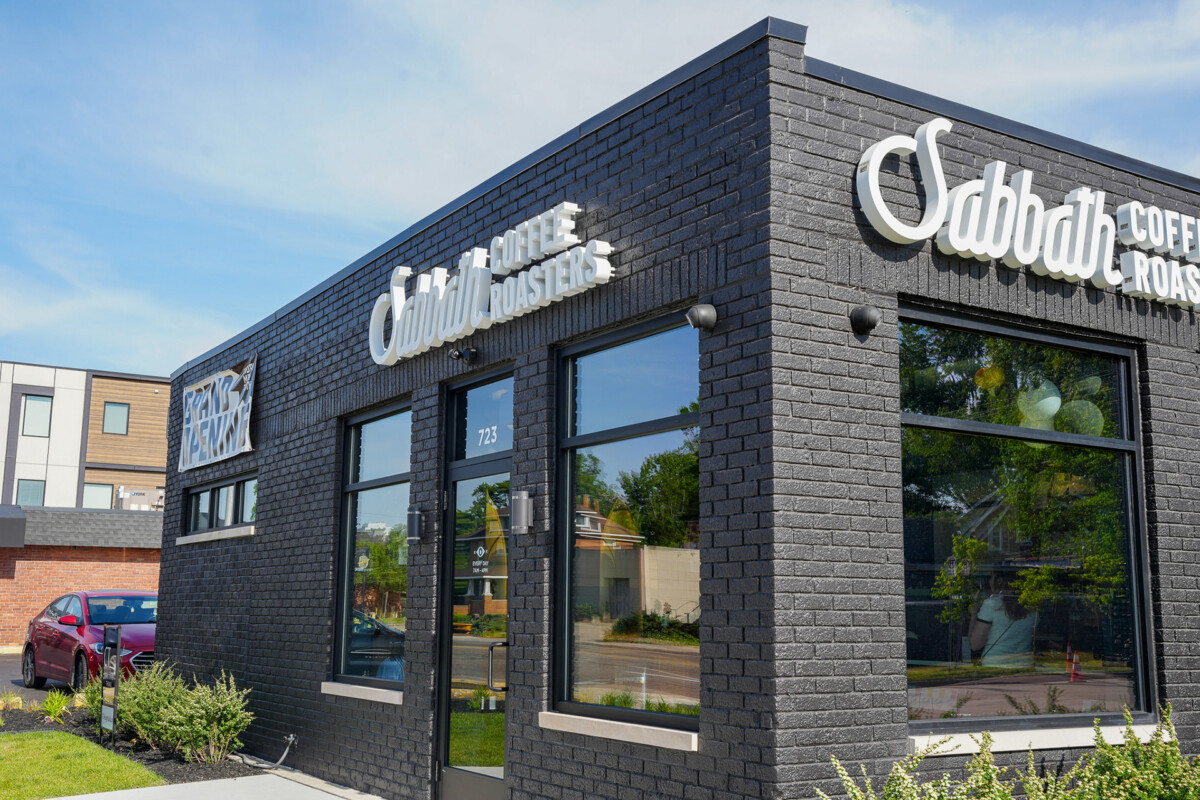
Sabbath Coffee Roasters, a family-owned specialty coffee company based in the Detroit metropolitan area, has officially inaugurated its second location, marking a significant milestone in its decade-long evolution from a home-based hobby to a regional industry leader. The new facility, situated in Royal Oak, Michigan, integrates a high-efficiency production roastery with a streamlined to-go cafe and a dedicated training laboratory. This expansion reflects a broader trend in the specialty coffee sector toward decentralized production and specialized retail models that prioritize both technical precision and consumer accessibility. Since its inception in 2015, Sabbath Coffee Roasters has navigated the competitive landscape of the Michigan coffee scene by focusing on a versatile flavor profile and a community-centric business model. The May 2026 opening of the new site signifies the company’s transition into a larger-scale operation, equipped with state-of-the-art technology designed to enhance roast consistency and environmental sustainability.
The Evolution of a Family-Owned Roastery: 2015–2026
The trajectory of Sabbath Coffee Roasters serves as a case study in the organic growth of American micro-roasteries. The company’s origins date back to 2015, when the founders began roasting small batches of coffee within their residence. During this period, the focus was on perfecting roast profiles and establishing a local identity through small-scale distribution. This phase lasted five years, during which the brand built a loyal following in the suburban Detroit area.
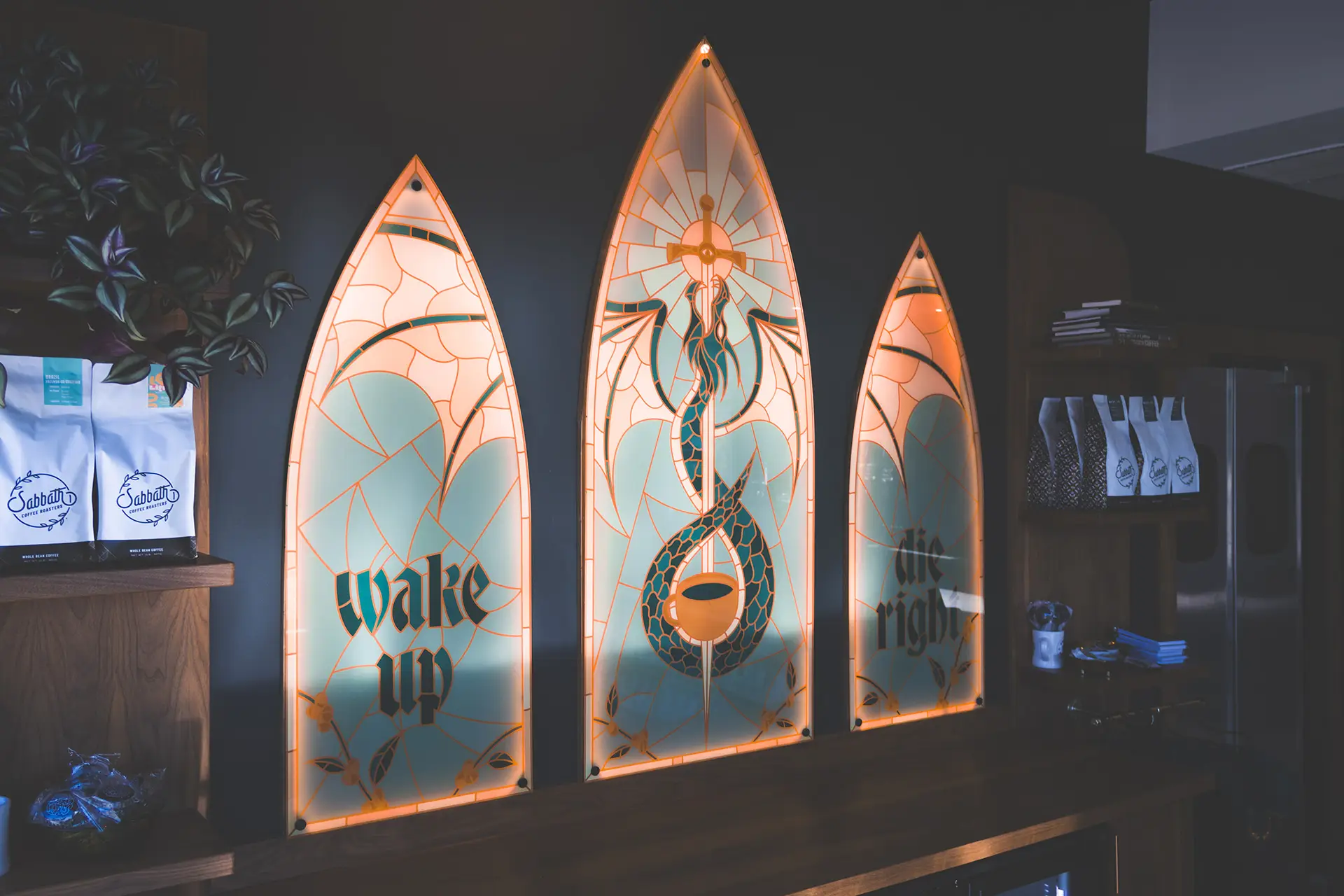
In 2020, amidst a global shift in the hospitality and retail landscapes, Sabbath Coffee Roasters transitioned into its first physical storefront and roasting facility. This move allowed the company to control the entire value chain, from green bean procurement to the final pull of espresso. The success of the initial shop provided the capital and proof-of-concept necessary for the ambitious 2026 expansion. The decision to open a second location just a few miles from the original site suggests a strategic "cluster" approach, allowing the brand to saturate the local market while streamlining logistics between the two facilities.
The May 29, 2026, launch date was the culmination of months of planning and construction. This new phase is characterized by a significant increase in production capacity, moving the core of the roasting operations to a 1,400-square-foot dedicated space. By separating the primary roasting functions from the main retail hub, the company has created a more efficient workflow that supports both its own retail needs and its growing wholesale partnerships.
Technical Specifications of the New Production Facility
The centerpiece of the 2026 expansion is the sophisticated suite of roasting and processing equipment housed in the new Royal Oak facility. At the heart of the production line is a Loring S15 Falcon roaster. The Loring system is widely regarded in the specialty industry for its convection-based roasting technology, which offers unparalleled control over the thermal profile of the beans. Unlike traditional drum roasters, the Loring S15 utilizes a closed-loop system that recirculates heat, significantly reducing the energy required for each batch.
Complementing the Loring roaster is a Sovda Lift and a Precision Fill Mini. Sovda’s technology focuses on the post-roast phase, providing automated sorting and packaging solutions that minimize manual labor and reduce the risk of bean breakage. The Precision Fill Mini allows for highly accurate weight measurements during the bagging process, ensuring that wholesale and retail customers receive consistent product volumes. This level of automation is rare for family-owned operations of this size and indicates a commitment to professional-grade standards usually reserved for much larger industrial roasters.
In addition to the roasting floor, the facility includes a specialized cupping and training lab. This space is designed for quality control (QC) and the ongoing education of staff and wholesale partners. In the specialty coffee world, a dedicated lab is essential for evaluating "co-fermented" lots and experimental processing methods, which are central to Sabbath’s "A Cup for Everyone" philosophy. The lab provides a controlled environment where the sensory characteristics of various origins can be analyzed without the distractions of a busy cafe.
Retail Strategy: The To-Go Cafe Model
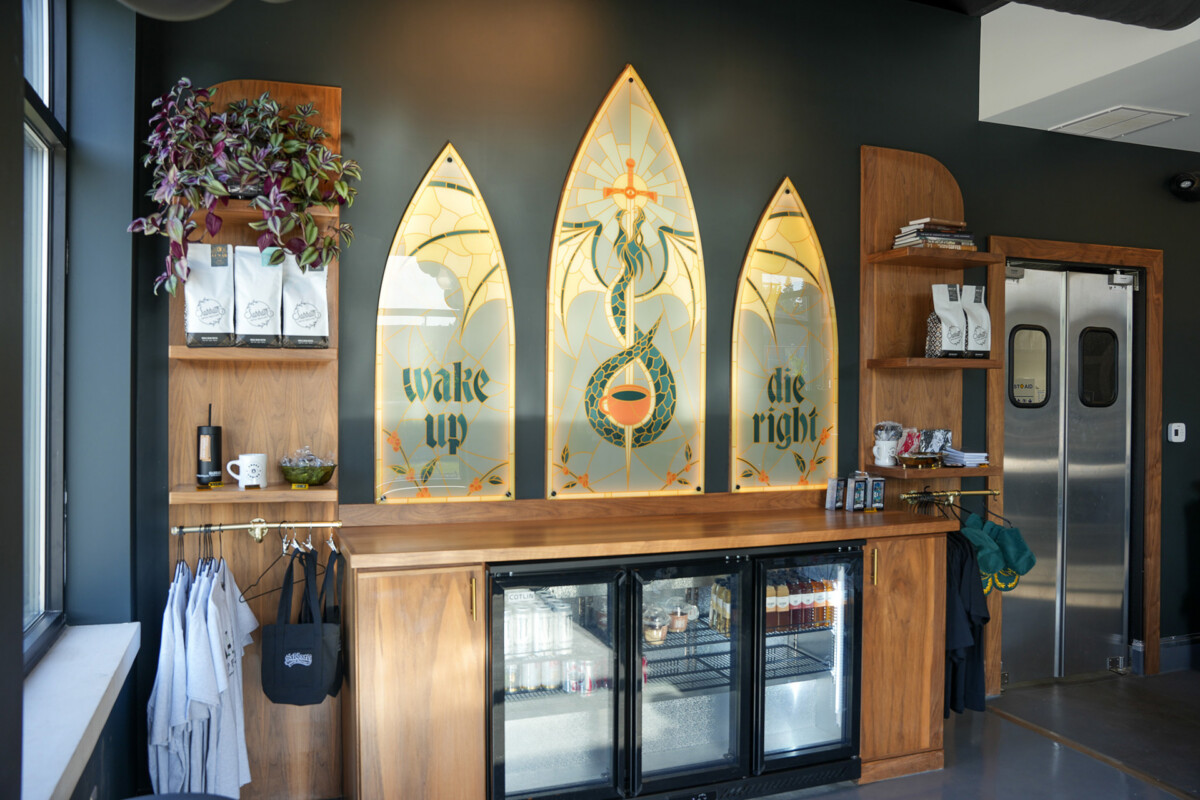
The retail component of the new location is specifically designed as a "to-go" cafe. This strategic choice reflects changing consumer behaviors in suburban markets, where speed and convenience are often prioritized without a willingness to sacrifice quality. The cafe features a streamlined menu that highlights the roastery’s capabilities while maintaining a high throughput.
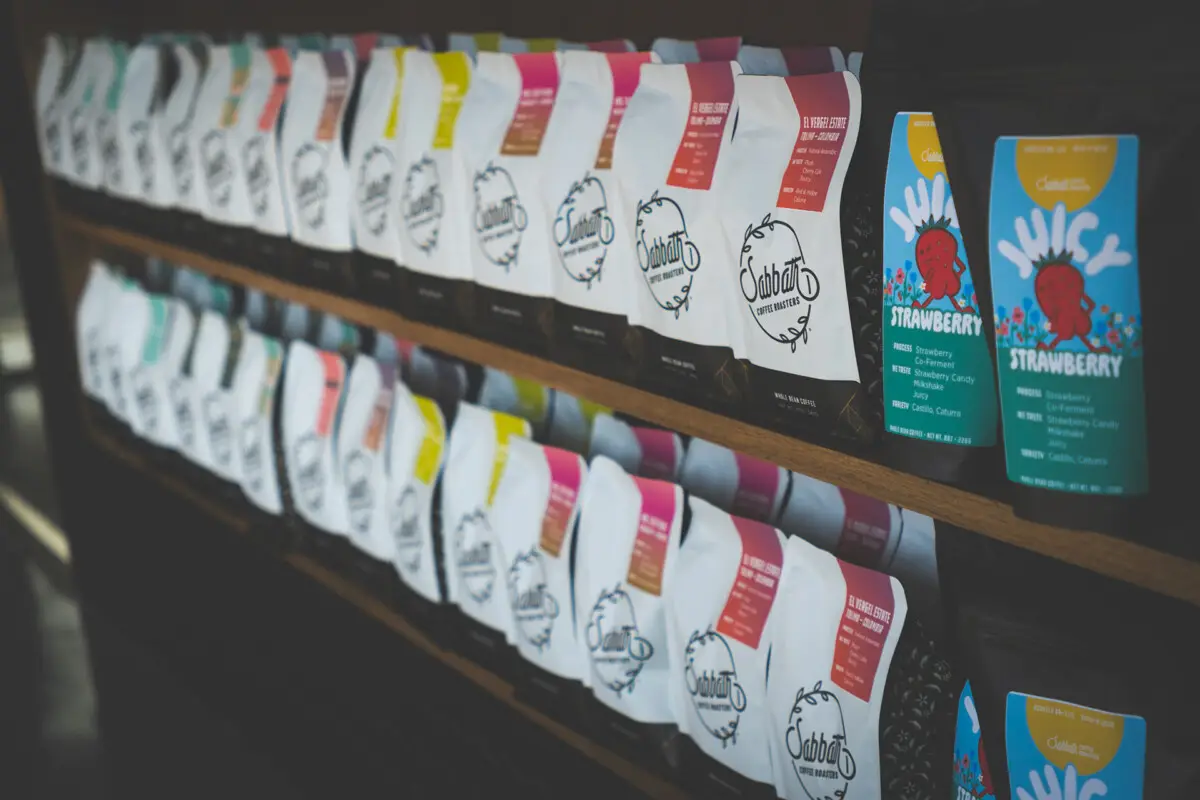
Key equipment in the cafe includes a custom-powder-coated La Marzocco PB two-group espresso machine. The Linea PB is known for its reliability and its ability to handle high-volume periods with precise temperature stability. The custom finish aligns with the brand’s aesthetic, bridging the gap between industrial utility and modern design. The beverage program is further supported by FETCO batch brewers, which provide high-quality drip coffee for commuters, and Brood nitro dispensers for cold-brew offerings.
One of the more unique elements of the Sabbath menu is the inclusion of "famous frozen lattes." While many specialty roasters shy away from blended or frozen beverages, Sabbath has embraced them as a way to fulfill their motto of inclusivity. By utilizing high-end frozen drink machines and quality coffee bases, they provide an entry point for consumers who may not yet be interested in the complexities of a light-roast single-origin pour-over. This "inclusive specialty" approach is a significant factor in the brand’s ability to maintain a broad customer base.
Design, Construction, and Local Collaboration
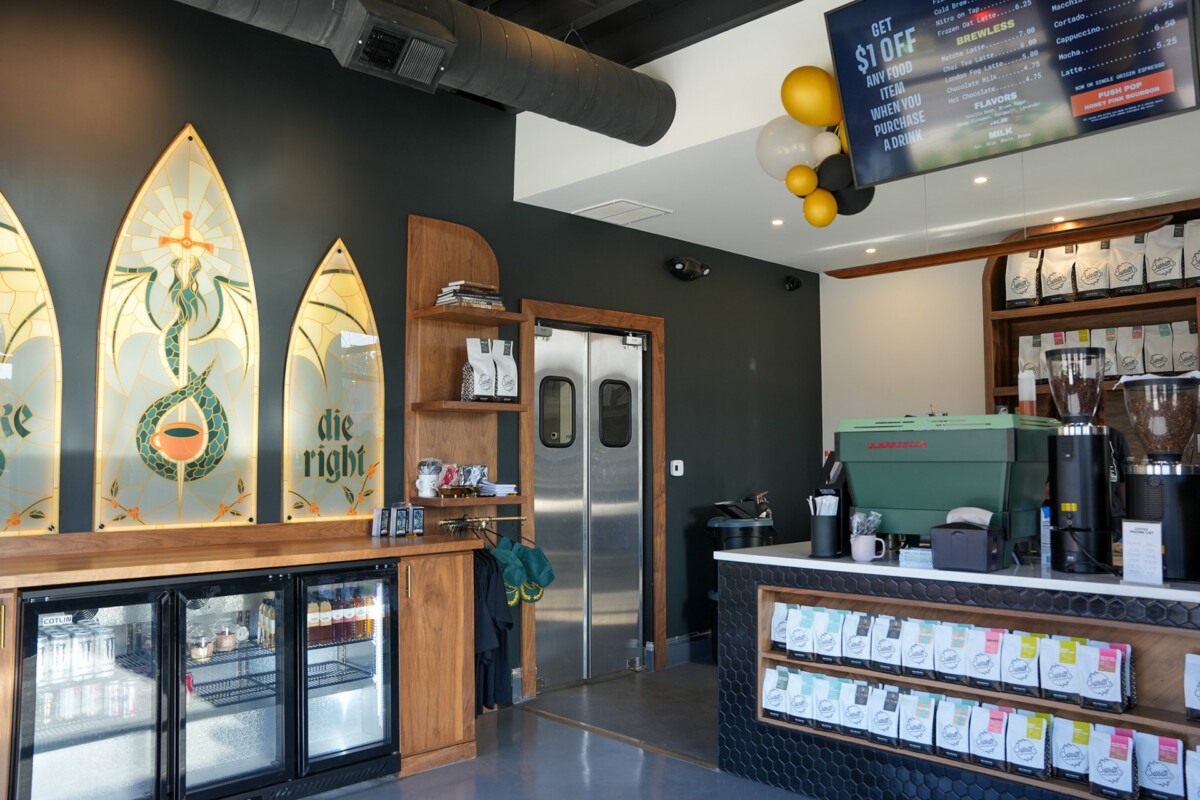
The physical environment of the new Sabbath Coffee Roasters location was the result of an internal creative collaboration. The project was designed by owner Trevor Graham, who oversaw the integration of the production and retail spaces. The interior design was a collective effort by Megan Weidman, Miranda Graham, and Brittne Saenz. Their goal was to create a space that felt both functional and welcoming, utilizing an aesthetic that complements the industrial nature of a roasting facility while maintaining the warmth of a community cafe.
The construction phase was managed by Christopher Thomas Construction, a local firm tasked with the complex installation of the roasting ventilation and the specialized plumbing required for high-end espresso equipment. The project serves as an example of how small businesses can stimulate the local economy by partnering with regional contractors and designers. By keeping the design and construction "in-house" or local, the owners ensured that the final product remained true to the brand’s identity.
Sustainability and Sourcing Philosophy
Sustainability at Sabbath Coffee Roasters is addressed through a dual-lens approach: global responsibility and local impact. On the global scale, the company works with specialized green coffee importers who prioritize ethical supply chains and provide transparent data on farm-gate prices. This ensures that the producers at origin are compensated fairly, which is vital for the long-term viability of the specialty coffee industry.
On the local scale, the company focuses on reducing its carbon footprint through the use of high-efficiency technology like the Loring roaster. Convection roasting is inherently more sustainable than traditional methods, as it emits fewer greenhouse gases and consumes less fuel. Furthermore, the company’s commitment to working with local and stateside manufacturers for its equipment and supplies reduces the environmental costs associated with long-distance shipping and logistics.
Regional Impact and the Michigan Coffee Landscape
The expansion of Sabbath Coffee Roasters is a significant development for the Metro Detroit coffee scene. Michigan has seen a surge in specialty coffee interest over the last decade, with Detroit and its suburbs becoming a hub for "Third Wave" coffee culture. Small roasters like Sabbath play a crucial role in this ecosystem, providing an alternative to national chains and fostering a culture of appreciation for high-quality, craft products.
The "A Cup for Everyone" motto is particularly relevant in a diverse market like Royal Oak. By offering everything from "daily driver" blends to avant-garde co-fermented coffees, Sabbath is positioning itself as a bridge between the traditional coffee drinker and the connoisseur. This approach not only builds a larger customer base but also elevates the general public’s understanding of coffee as a complex agricultural product.
Future Implications and Analysis
The opening of this second location and large-scale roasting facility suggests that Sabbath Coffee Roasters is preparing for a significant increase in its wholesale presence. With the capacity of the Loring S15, the company can now supply numerous cafes, restaurants, and grocery stores throughout the Midwest. This move shifts the company from a local cafe to a regional roasting powerhouse.
Furthermore, the inclusion of a training lab indicates a long-term investment in the professionalization of their staff. As the specialty coffee industry becomes more technical, the ability to train baristas in-house on high-end equipment like the La Marzocco PB and various brewing technologies will give Sabbath a competitive edge in quality control.
In conclusion, the 2026 expansion of Sabbath Coffee Roasters represents a sophisticated evolution of a family business. By balancing high-tech production capabilities with an inclusive retail philosophy, the company has secured its place in the future of Michigan’s specialty coffee industry. As they move forward, the combination of technical precision, sustainable practices, and community engagement will likely serve as a model for other micro-roasters looking to scale their operations without losing their artisanal roots.