
 Indra Kusuma
Benoist F. Drut, the discerning owner of Maison Gerard, stands as a pivotal figure in the world of decorative arts, renowned for his innovative curatorial vision that seamlessly blends historic and contemporary design. His recent participation in the "Friday Five" series offers a unique glimpse into the personal influences and aesthetic sensibilities that have shaped his illustrious career, revealing a deep appreciation for craftsmanship, beauty, and the enduring power of design across eras. This feature not only highlights Drut’s individual taste but also underscores Maison Gerard’s commitment to fostering a dynamic dialogue between diverse artistic expressions, solidifying its position as a leading gallery on the global stage.
A Foundation Forged in French Heritage and Early Mentorship
Drut’s journey into the intricate world of antiques and design began in the idyllic, historically rich landscape northwest of Paris. Growing up amidst lily ponds and ancient castles, his innate eye for beauty was meticulously honed from a young age. This formative environment provided a backdrop for a pivotal encounter during his teenage years with Thierry Millerand, a respected expert in 18th-century French furniture. Millerand’s counsel—that the most profound education in antiques comes through direct, hands-on experience—left an indelible mark on the young Drut, even as his parents encouraged him to pursue a more traditional academic path, leading to a law degree. "That advice fueled my passion, and it was Thierry who first opened my eyes to the world in which I would eventually build my career," Drut reflects, acknowledging the foundational impact of this early mentorship. This period illustrates the nascent stages of a passion that would ultimately redefine his professional trajectory, bridging academic rigor with a profound, practical understanding of art and objects.
Establishing a Curatorial Legacy in New York
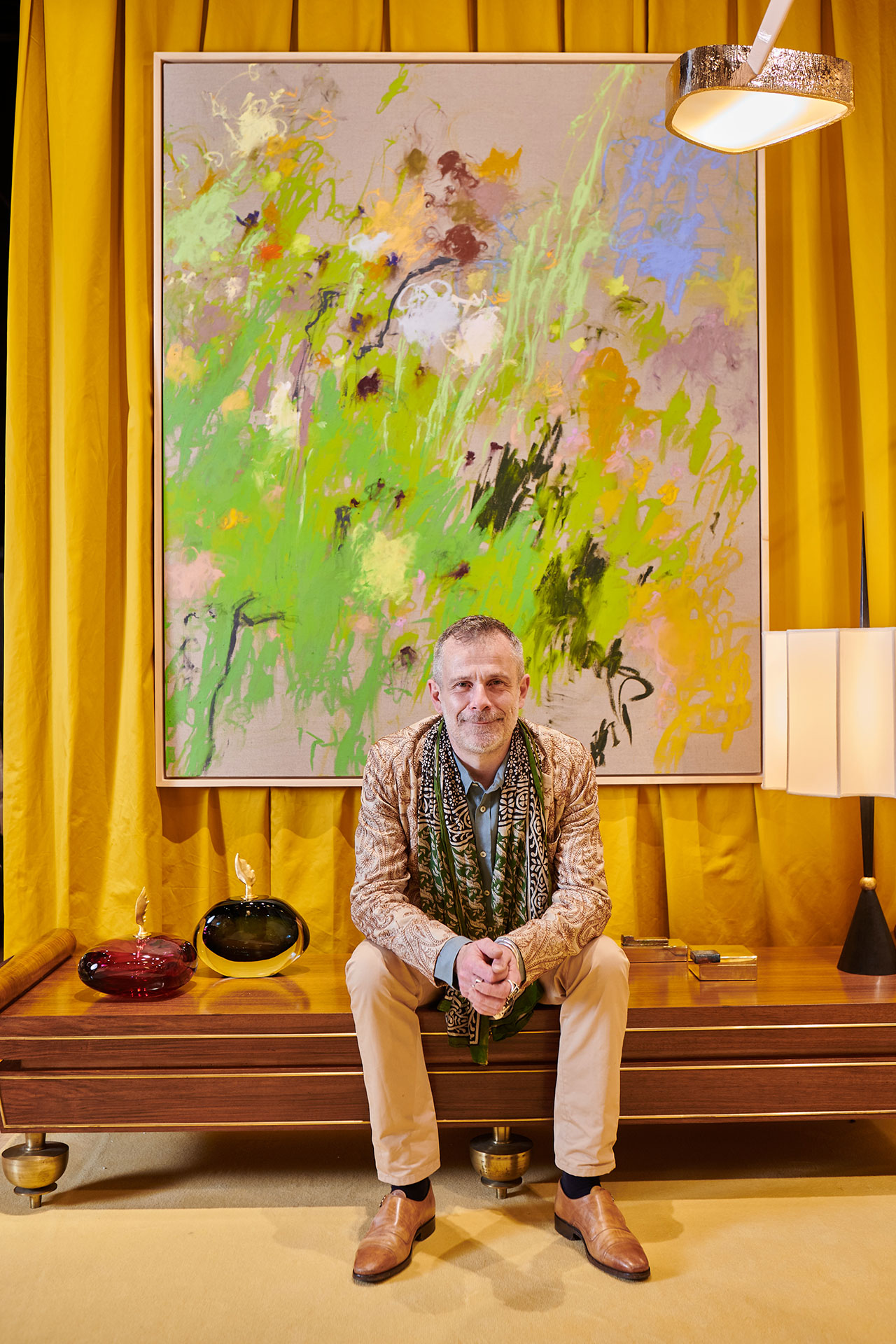
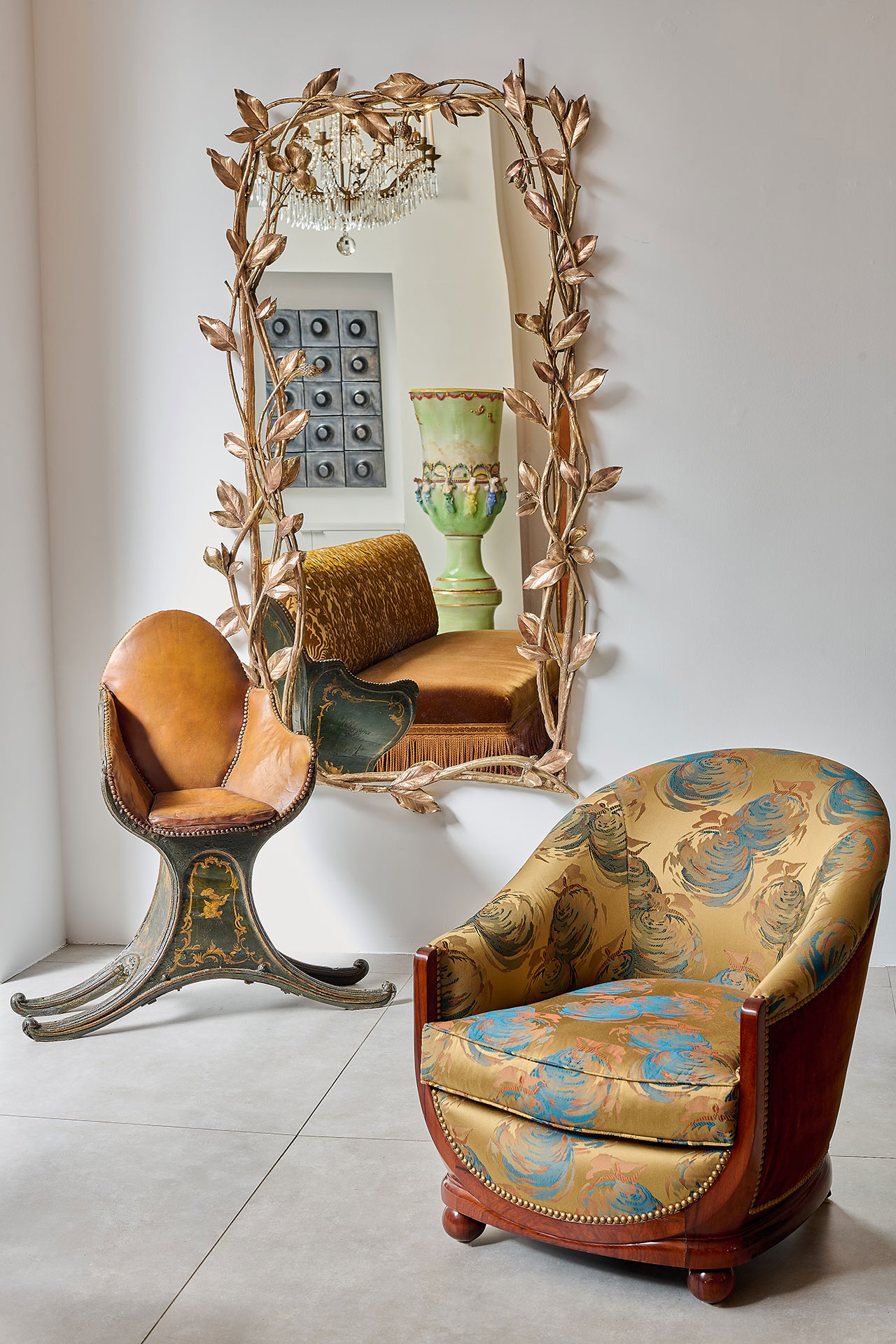
The allure of the art world proved irresistible, leading Drut to diverge from his legal training and relocate to New York. Here, he apprenticed with Roger Prigent, a multifaceted figure who transitioned from fashion photography to art dealing, providing Drut with invaluable exposure to the dynamic American art market. This experience was a crucial stepping stone, culminating in his partnership with Maison Gerard in 1998. Founded with a mission to showcase exceptional French decorative arts, Maison Gerard under Drut’s leadership has evolved dramatically. Now the sole owner, Drut has become synonymous with gallery presentations that are celebrated for their thoughtful juxtaposition of historic and modern pieces. This curatorial approach transcends mere display; it meticulously creates "meaningful dialogues" between the refined elegance of French Deco and the bold expressions of contemporary design, effectively bringing together disparate cultures, historical periods, and artistic perspectives under one roof. His exhibitions are not just collections of objects but carefully constructed narratives that illuminate the connections and contrasts across the centuries.

Championing New Voices and Redefining the Gallery Experience
Beyond his innovative curation of established works, Drut has actively championed a new generation of artistic talent. His advocacy has been instrumental in elevating the work of artists such as Ayala Serfaty, Niamh Barry, and Kiko Lopez, helping to establish their distinctive oeuvres on a global platform. This commitment to nurturing contemporary creativity while honoring historical craftsmanship is a hallmark of Maison Gerard’s ethos and Drut’s personal philosophy. The gallery, under his guidance, has become more than a commercial space; it is a cultural institution that challenges conventional notions of art presentation, fostering an environment where design, history, and innovation converge.
Drut’s appreciation for architectural ingenuity is another facet of his multifaceted aesthetic. Le Corbusier’s iconic Villa Savoye resonates deeply with him, representing the pinnacle of architectural thought and execution. "I could see myself becoming an architect because I am always fascinated by how buildings are conceived and constructed," he notes, hinting at a latent ambition. "Who knows? One day I may pull out a set of sharpened pencils and start sketching structures of my own." This statement reveals a mind perpetually engaged with the principles of design and construction, whether applied to a minimalist villa or an ornate Louis XV armchair.
Insights into a Collector’s Heart: The Friday Five Selections
In a recent "Friday Five" feature, Benoist F. Drut shared five personal objects and passions that offer profound insight into the influences shaping his professional eye and personal aesthetic. These selections are not merely possessions but touchstones that illuminate his deep connection to history, beauty, and craftsmanship.
1. The 1976 Mercedes-Benz 450SL Convertible: A Timeless Classic
Drut’s 1976 Mercedes-Benz 450SL convertible, affectionately dubbed "Black Beauty" (or "BB," a playful homage to Brigitte Bardot and the French word for baby, "bébé"), embodies his appreciation for enduring design and engineering excellence. This iconic German roadster, nearly fifty years old, continues to deliver remarkable power and grace, a testament to its timeless appeal. The car represents a childhood dream realized, a tangible link to a cherished toy model. Its acquisition, a serendipitous discovery in upstate New York, highlights Drut’s keen eye for value and his persistence in securing objects of desire. The ongoing meticulous maintenance reflects a broader philosophy of preserving and appreciating quality, a principle that underpins his work at Maison Gerard. This classic car, with its blend of elegance and performance, mirrors Drut’s professional practice of honoring enduring design while ensuring its relevance in the contemporary landscape.
2. The Louis XV Armchair by Jean-René Nadal l’Aîné: A Deep Dive into History
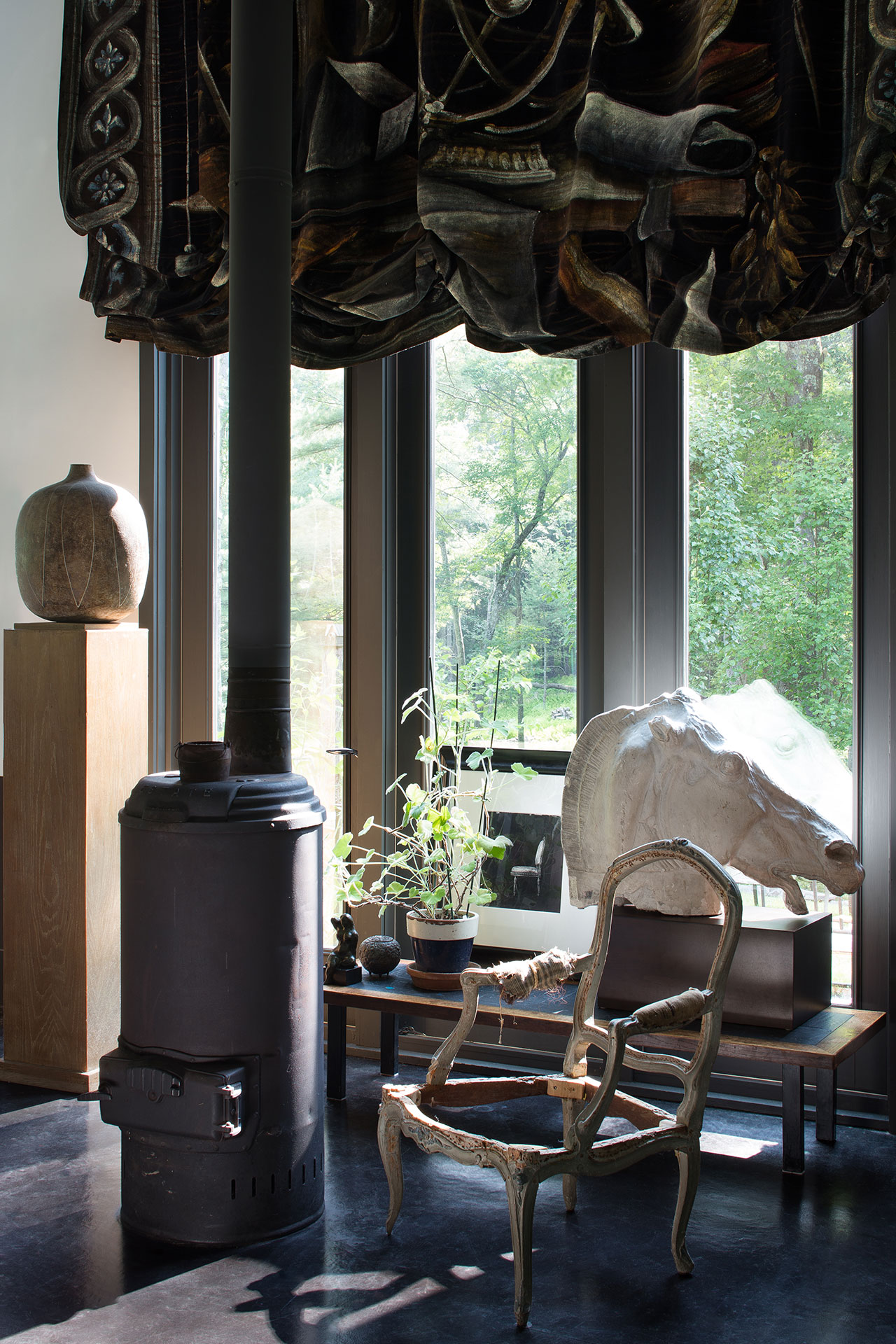
Eighteenth-century French furniture represents Drut’s "first love," a passion ignited in his youth. The acquisition of a Louis XV armchair by Jean-René Nadal l’Aîné was particularly significant. Nadal, a renowned menuisier (cabinetmaker) of the period, is celebrated for his exquisite craftsmanship and elegant forms. The chair’s remarkable preservation, retaining its original polychrome finish despite the fading effects of time, offers a rare glimpse into the vibrant aesthetic of the era. The visible traces of painted flowers and ornamentation speak volumes about the chair’s original splendor. Even with the absence of its original upholstery and damage to a cabriole leg, Drut perceives it as a "sculpture in its own right—a beautiful expression of elegant curves and intricate carving." The discovery of Nadal’s stamp evoked powerful memories of his youth, when he would meticulously search for makers’ marks in auction houses—a habit he maintains today, emphasizing his dedication to authenticity and provenance. This armchair serves as a tangible link to the rich heritage of French decorative arts that first captivated him.
3. Peonies: Ephemeral Beauty and Anticipation
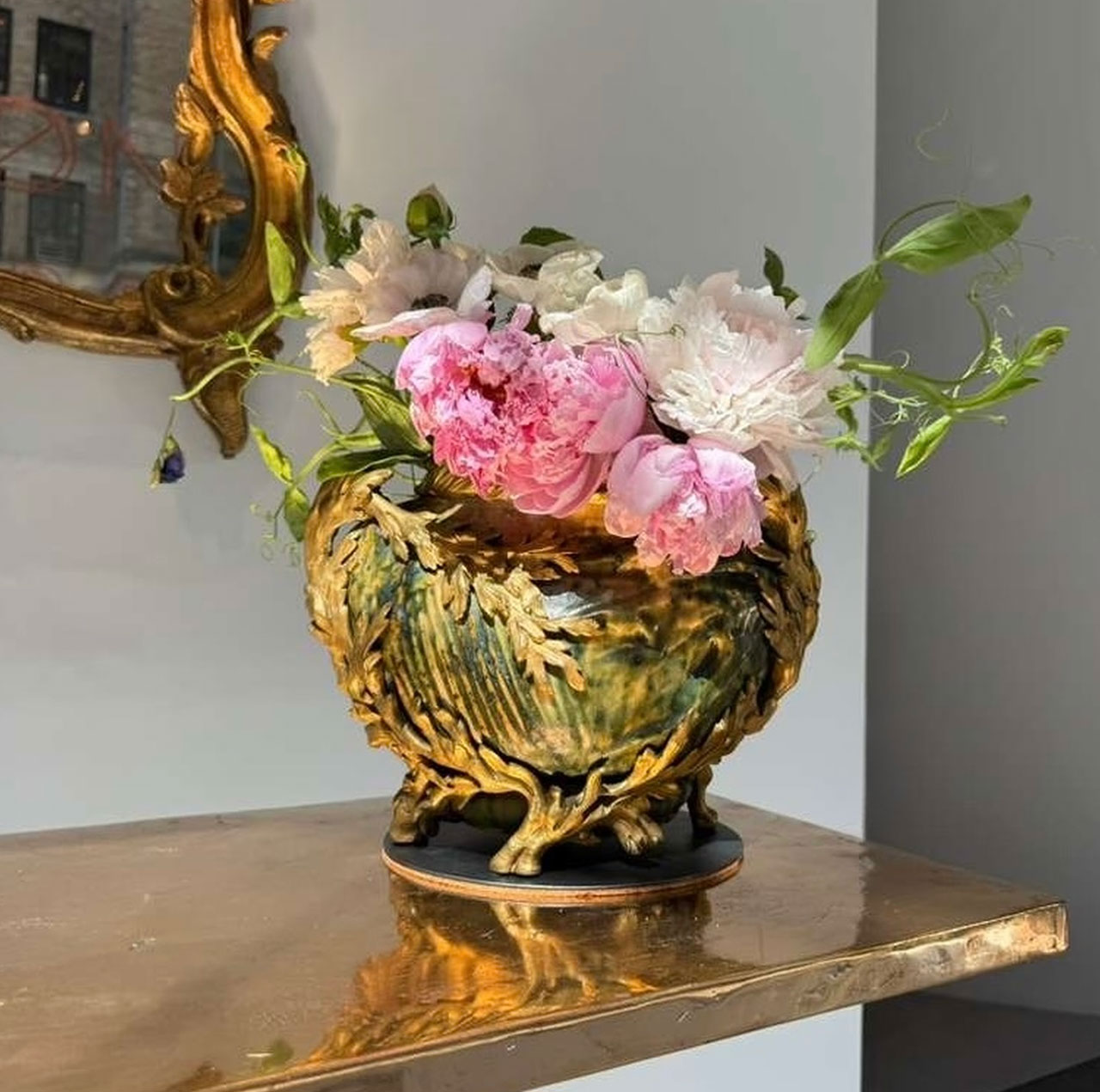
Drut’s profound appreciation for nature is evident in his choice of peonies as a favorite flower. Once his upstate property’s gardens were established, planting peonies was a top priority. Their fleeting season, lasting only two to three weeks each year, is perhaps what lends them their unique magic. Drut describes the annual anticipation, watching the tight buds swell before bursting into "glorious blooms of soft blush pink and creamy white." For a brief period, they inundate his garden with beauty and an "intoxicating scent," their lush, rounded shape making them, in his view, "the most romantic of flowers." This deep connection to the ephemeral beauty of nature stands in contrast to the enduring permanence of the art and antiques he collects, offering a balanced perspective on beauty’s diverse manifestations. It underscores a sensitivity that extends beyond the gallery walls into the natural world.
4. The Napoleon III Musician’s Armchair: Functional Elegance and Historical Resonance
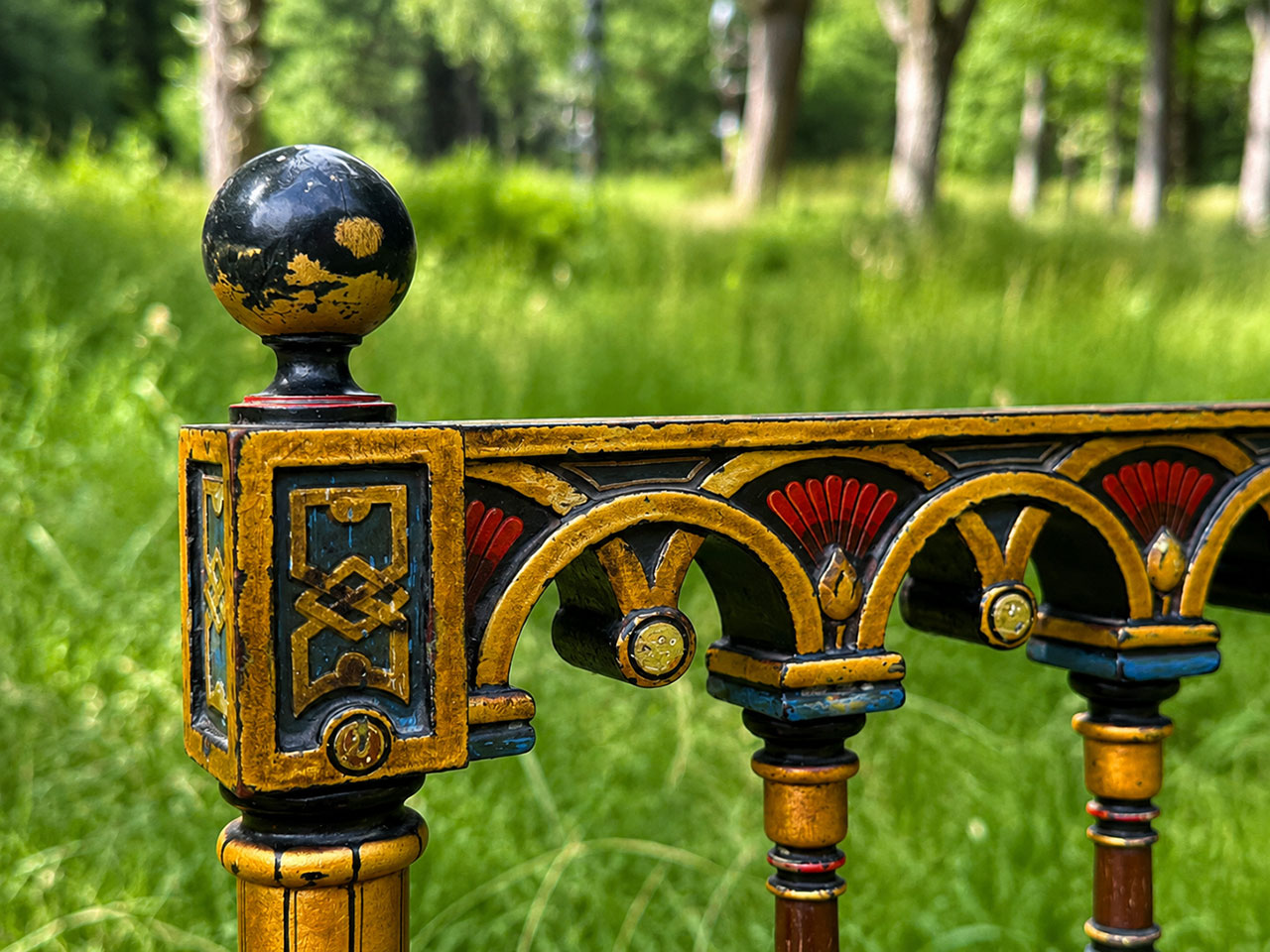
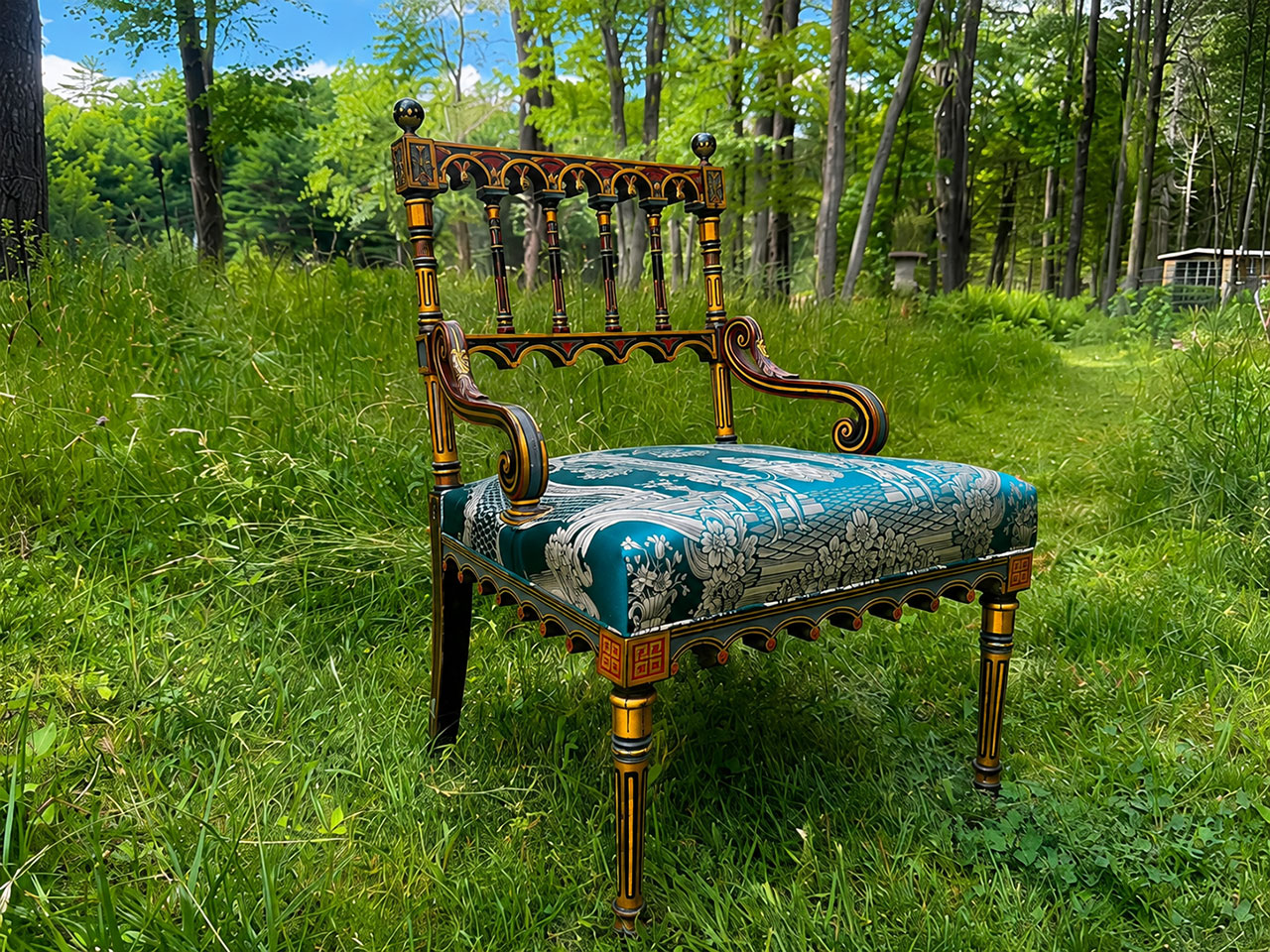
The ornate Napoleon III musician’s armchair is another piece that speaks to Drut’s sophisticated taste. Originally designed for music rooms or salons, its unusually low arms allowed musicians, such as cellists or violinists, to play comfortably—a testament to its blend of aesthetic beauty and practical functionality. Drut was immediately drawn to its remarkably preserved original polychrome finish. The chair also evoked the spirit of Madeleine Castaing, the legendary French decorator and antiquarian, celebrated for her pioneering advocacy of furniture from the Biedermeier, Empire, and Napoleon III periods. Drut vividly recalls a thrilling encounter with Madame Castaing herself in her Rue Jacob gallery, adjusting her wig, a memory that underscores the personal connection he draws between historical figures and the objects they cherished. Reupholstered in a period-appropriate Prelle fabric, the chair is a homage to both its historical context and the enduring influence of design luminaries like Castaing.
5. The Eiffel Tower Sculpture: A Symbol of Paris and Lasting Memories
A cherished gift from his dear friend Linda Chase, the Eiffel Tower sculpture in Drut’s garden is a powerful reminder of Paris and their shared appreciation for beauty and craftsmanship. Paris holds a special place in Drut’s heart, as the city that fundamentally shaped his eye as a collector and dealer. His childhood visits to the Biennale, auction houses, and galleries instilled in him an early understanding of beauty, craftsmanship, and history. Later, as a university student, his independent explorations of the city’s museums, galleries, and antique shops refined his ability "to truly look at objects and understand what makes them special." The sculpture, therefore, symbolizes not only his profound connection to the city but also the lasting bond of friendship. Its presence evokes the poignant line from Casablanca, "We’ll always have Paris," serving as a constant reminder of Linda, Paris, and the enduring power of beautiful memories.

Maison Gerard: A Platform for Visionary Artists
Beyond Drut’s personal selections, Maison Gerard continues to be a vibrant hub for artists who push the boundaries of design and material. The gallery’s roster reflects Drut’s commitment to showcasing diverse talents whose work resonates with his curatorial philosophy.
Ayala Serfaty: Sculptural Explorations in Materiality
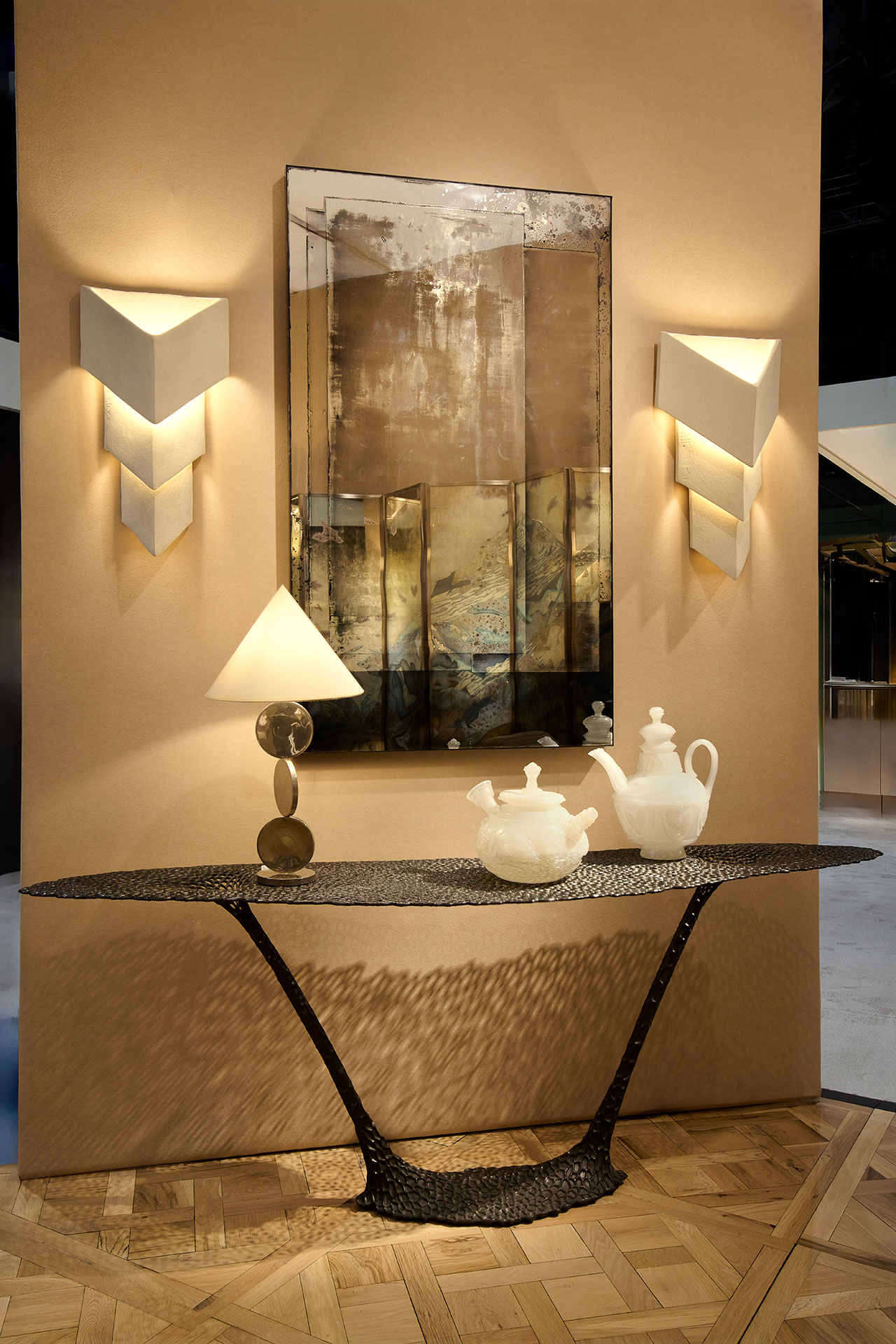
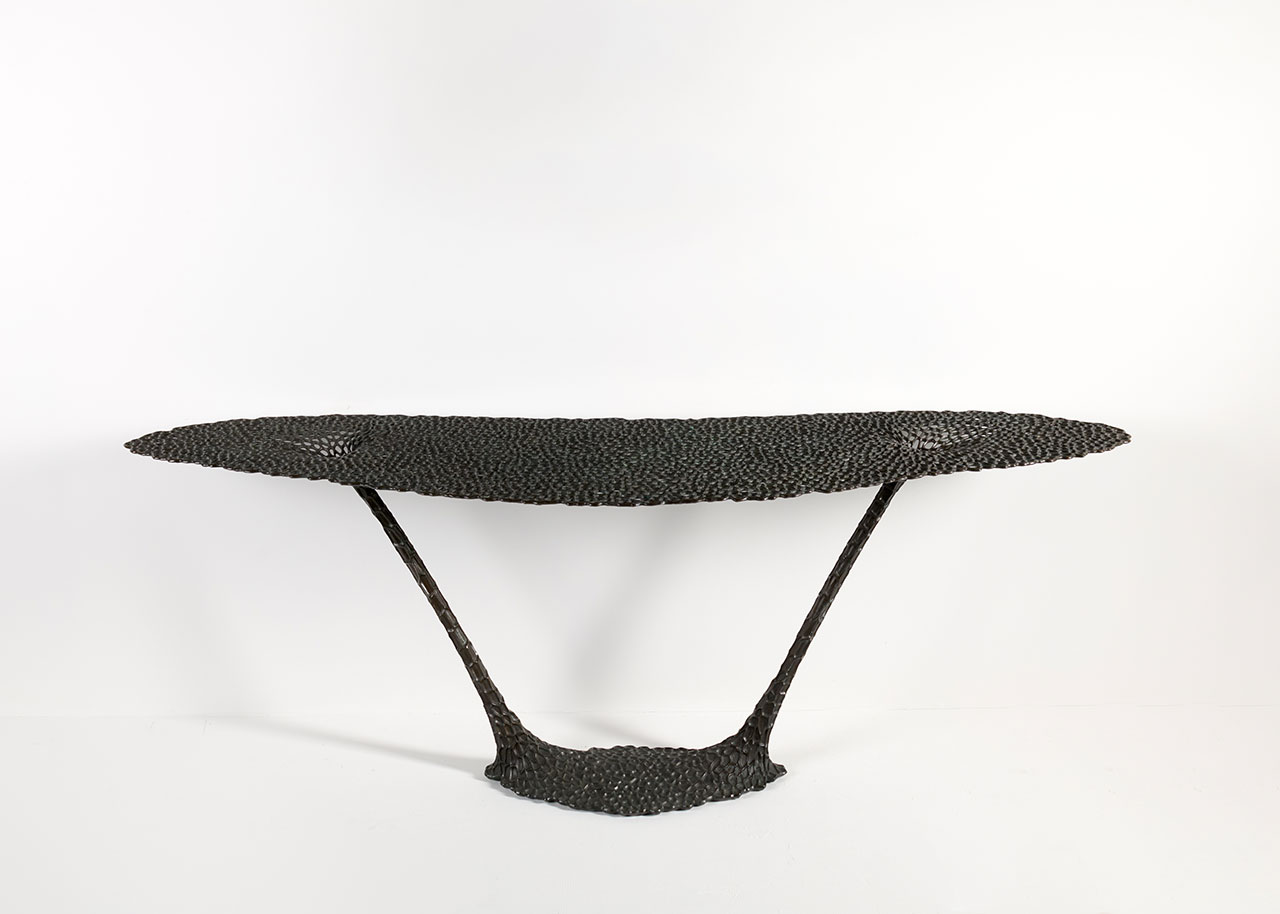
Ayala Serfaty, an artist known for her profound explorations of cellular structures and organic abstraction, represents the innovative spirit championed by Maison Gerard. Serfaty initially gained acclaim for her sculptural lighting, characterized by interconnected glass rods encased in a translucent polymer skin, evoking ethereal, luminous clouds. Her artistic evolution led her to create seating from handmade felt, crafting pieces that resemble intricate paintings with bespoke colors, textures, and patterns. Serfaty’s relentless pursuit of artistic innovation culminated in her ambitious venture into furniture crafted entirely from glass. After extensive research, a pivot to bronze, combining advanced 3D modeling with ancient lost-wax casting, yielded breathtaking results. Her bronze tables feature delicate cellular structures akin to lace, with her Consola being a prime example of this mastery. Drut notes the magical way light interacts with its intricate surface, projecting captivating shadows. Serfaty’s work is globally recognized, held in the permanent collections of prestigious institutions such as the Musées des Arts Décoratifs in Paris, the Metropolitan Museum of Art, and the Museum of Fine Arts in Boston, underscoring her significant contributions to contemporary design.
Osanna Visconti: Nature Transformed into Bronze
Osanna Visconti, one of the newest artists to join Maison Gerard’s esteemed roster, captivates with the whimsy and technical mastery of her bronze works. Each piece is an exclusive creation, brought to life through the labor-intensive lost-wax casting process. Visconti draws her inspiration directly from nature, modeling botanical elements such as bamboo stalks, magnolia branches, and leaves in wax before transforming them into bronze. This meticulous process freezes a fleeting moment in time, making nature permanent. Drut admires the extraordinary level of craftsmanship involved—the careful casting, chasing, and soldering—that results in works astonishingly faithful to their natural origins. Visconti’s creations are not mere representations but "celebrations of nature’s beauty and permanence," embodying a profound dialogue between the organic and the enduring.
Kiko Lopez: Reinventing the Mirror as Art
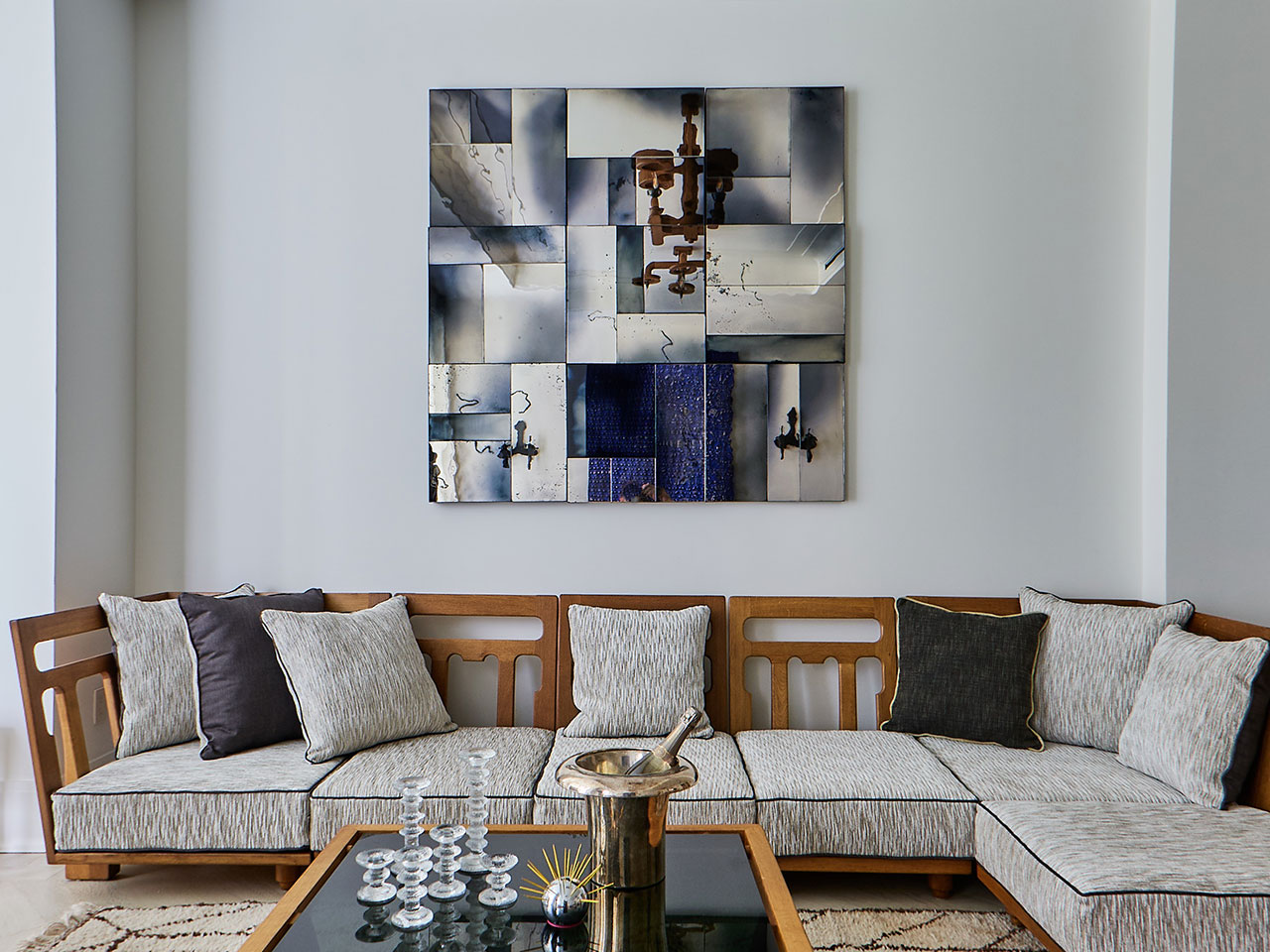
Kiko Lopez is celebrated for his mastery of the centuries-old craft of hand-silvering glass, a technique rooted in the traditions of églomisé and mirror making. His works transcend their functional purpose, becoming "atmospheric paintings made of glass." Drut highlights that Lopez’s mirrors are not concerned with perfect reflection; instead, through the manipulation of silver, smoke, patina, color, and light, each piece transforms what it reflects. The surfaces range from aged and mysterious to luminous and ethereal, constantly shifting depending on the viewer’s perspective. Lopez’s exploration of the "tension between object and space" is beautifully embodied in his creations, which amplify the light, architecture, and atmosphere of their surroundings. By merging ancient decorative arts techniques with a distinctly contemporary sensibility, Lopez has fundamentally reinvented the concept of a mirror, establishing himself as a significant innovator in the field.
Zigor (Kepa Akixo): The Authentic Voice of Basque Sculpture
For over fifteen years, Maison Gerard has proudly represented Kepa Akixo, the Basque artist known as Zigor. A true multidisciplinary talent, Zigor is equally adept as a sculptor, painter, poet, and photographer, even working with a chainsaw to carve his monumental pieces. Drut greatly admires the "rare freedom and authenticity" of his practice. The sculpture Olerki, dramatically positioned above the Atlantic Ocean in Biarritz, France, exemplifies Zigor’s powerful yet elegant aesthetic. Its sweeping form and commanding presence resonate deeply with Drut, who candidly expresses regret at not having acquired it when he had the opportunity. The piece’s poetic qualities define Zigor’s broader body of work, underscoring its potential to inspire and transform any landscape.
Aline Hazarian: The Sculptural Versatility of the Arpi Tables
Aline Hazarian’s Arpi tables, crafted in blackened and polished bronze, demonstrate how even small objects can wield an outsized impact. Drut particularly enjoys grouping these tables at varying heights, transforming them into sculptural compositions that introduce "rhythm and movement within a room." Their asymmetrical legs impart a sense of playfulness and spontaneity, making them endlessly appealing. These tables are versatile, functional, and quietly sophisticated, serving as perfect accent pieces that embody modern elegance and thoughtful design. Hazarian’s work reflects Maison Gerard’s dedication to supporting artists who master both form and function, creating pieces that are both beautiful and adaptable to contemporary living spaces.
Broader Impact and Implications for the Design World
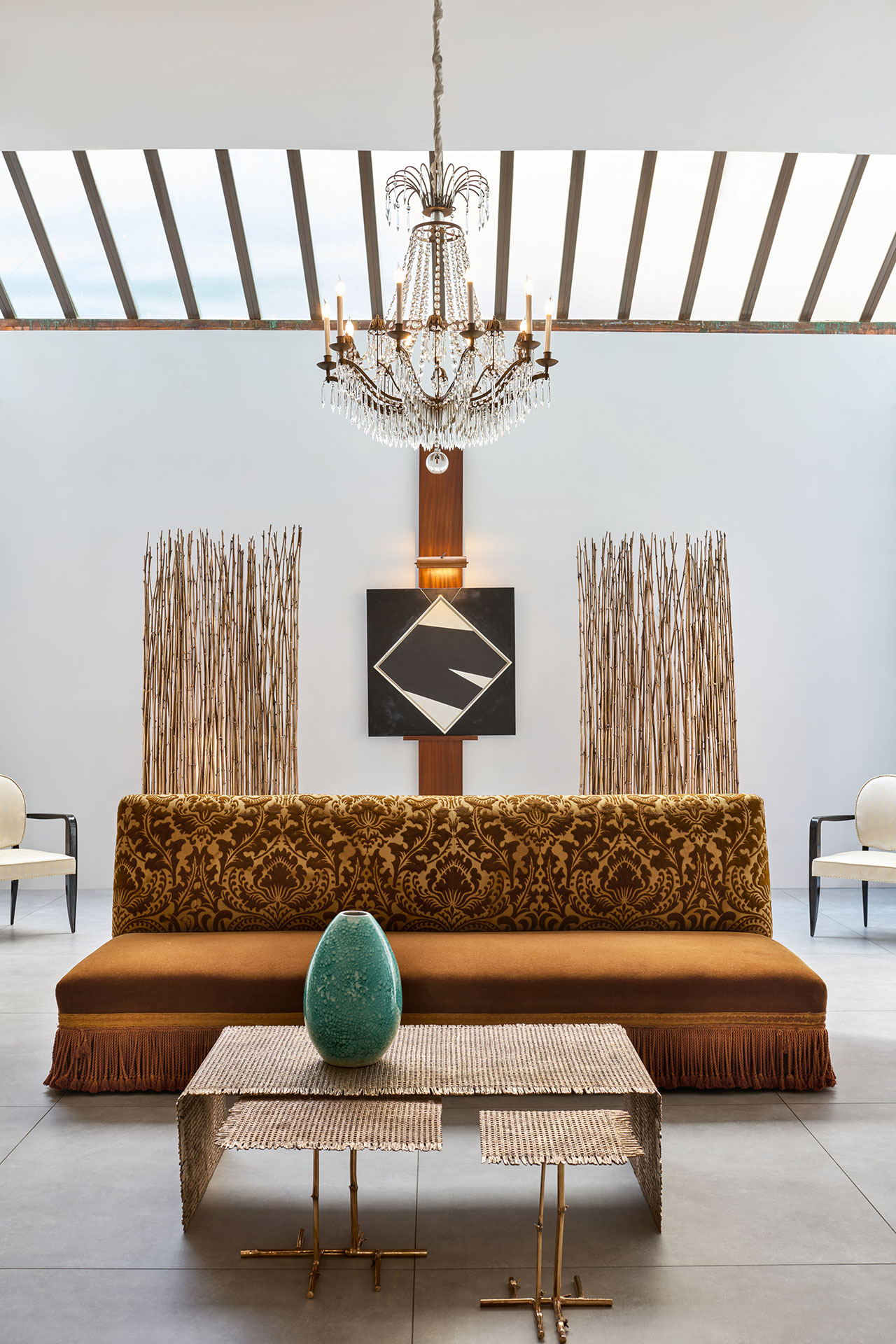
Benoist F. Drut’s leadership at Maison Gerard has solidified its reputation as a vanguard in the decorative arts. His unique curatorial approach, which thoughtfully interweaves historical context with contemporary innovation, has not only enriched the gallery’s offerings but has also significantly influenced broader trends in interior design and collecting. By demonstrating that pieces from different eras can coexist harmoniously and create compelling narratives, Drut has inspired collectors and designers to adopt a more eclectic and historically informed approach.
Maison Gerard’s commitment to discovering and promoting emerging talents like Serfaty, Visconti, Lopez, and Zigor ensures the vitality and evolution of the design landscape. These artists, through their unique materials and techniques, contribute to a global dialogue about craftsmanship, aesthetic value, and the role of art in everyday life. Drut’s ability to identify and champion such diverse voices underscores his profound understanding of both historical lineage and future trajectories in design. His personal selections, from a classic car to cherished peonies, reveal the holistic nature of his aesthetic philosophy—one that values authenticity, beauty, and emotional resonance across all facets of life. As Maison Gerard continues to thrive under his visionary guidance, Benoist F. Drut remains a crucial figure in shaping how we perceive, collect, and engage with the art and design that defines our world.







