Cintya Tara Annisa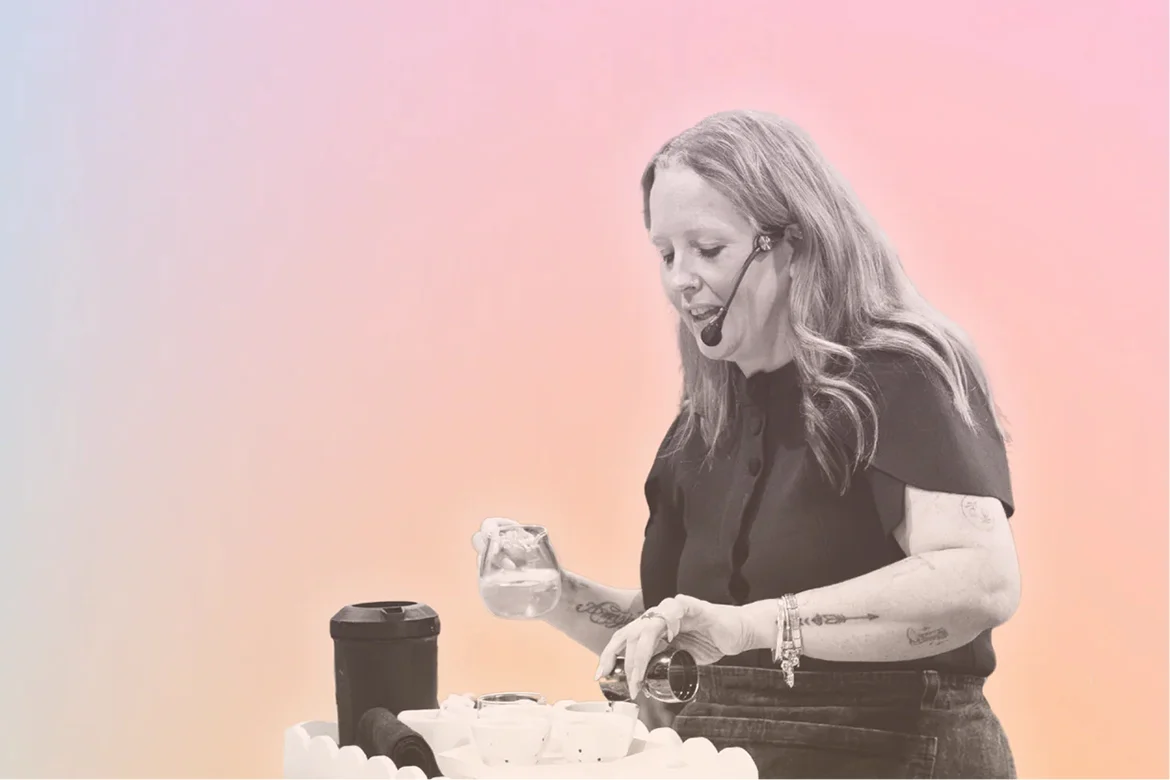
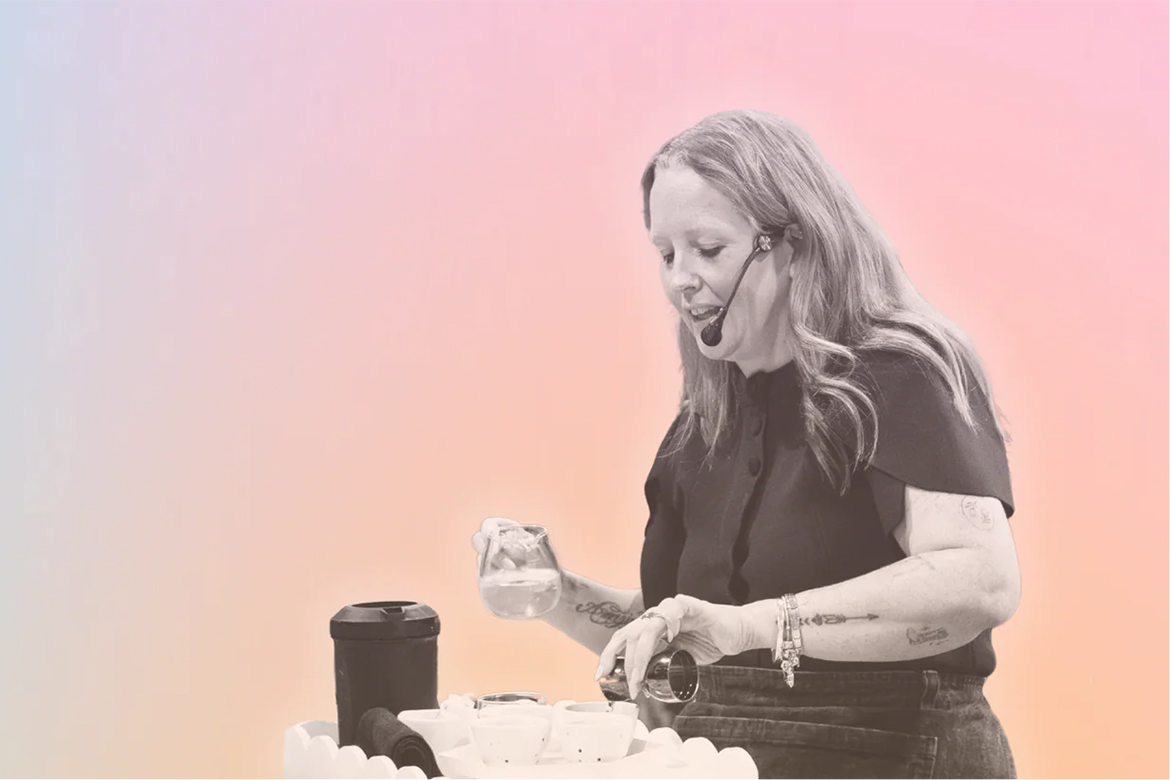
The landscape of North American specialty coffee reached a seasonal peak this past weekend as national competitions in both the United States and Canada concluded, determining the representatives who will compete on the global stage later this year. In Calgary, Alberta, Jill Hoff of Monogram Coffee emerged victorious at the 2026 Canada Barista Championship, securing her second national title and cementing her status as one of the most formidable competitors in the industry. Her victory coincided with the conclusion of the United States Barista Championship (USBC) in Denver, Colorado, where Jak Michael Ryan of Proud Mary Coffee in Austin, Texas, claimed the top honor. Both champions are now slated to represent their respective nations at the World Barista Championship (WBC) scheduled to take place in Panama in October 2026.
The Canadian competition, held at the Monogram Schoolhouse Roasting Collaborative, served as a showcase for the technical evolution and sensory innovation currently driving the specialty coffee sector. Hoff’s victory is a significant milestone for Monogram Coffee, a roasting and retail company that has become synonymous with competitive excellence in Canada. The win marks a successful return to the top of the podium for Hoff, who previously held the national title in 2020 and represented Canada at the 2021 World Barista Championship in Milan, where she achieved a semi-finalist position, finishing 15th globally.
The Technical Execution of a Winning Routine
Barista competitions at the national and international levels are judged on a rigorous set of criteria established by World Coffee Events (WCE). Competitors are required to prepare four espressos, four milk beverages, and four "signature beverages"—original espresso-based creations—within a strict 15-minute timeframe. Performance is evaluated by a panel of sensory and technical judges who score based on flavor clarity, tactile quality, service skills, and the accuracy of the barista’s flavor descriptions.
Hoff’s 2026 routine was noted for its integration of rare coffee varieties and advanced processing techniques. Central to her presentation was the use of Liberica, a coffee species distinct from the more common Arabica and Robusta. Historically considered a commodity crop with a polarizing flavor profile, Liberica has seen a resurgence in the specialty circuit as producers refine cultivation and processing methods to highlight its unique floral and jackfruit-like characteristics. Hoff also featured a variety known as Chakira, a name that has recently gained traction among high-end competitors for its complex acidity and structural elegance.
The inclusion of these varieties mirrors trends observed at the concurrent US Barista Championship in Denver. The overlap in coffee selection suggests a broader industry shift toward biodiversity and the exploration of non-traditional species to combat the pressures of climate change on Arabica production.
Beyond the beans themselves, Hoff’s routine utilized sophisticated milk-handling techniques. She employed freeze-distilled, lactose-free milk—a process where milk is frozen and then slowly thawed to remove water content, thereby concentrating sugars, fats, and proteins. This results in a more viscous, naturally sweeter base that complements high-acidity espressos. Furthermore, her signature beverage incorporated oleo saccharum, a syrup made by using sugar to extract essential oils from citrus peels, and was served in "Better Vessels," specialized glassware designed to optimize the aromatic and tactile experience of the beverage.
The Legacy of Monogram Coffee and Ben Put
The success of Jill Hoff cannot be viewed in isolation from the infrastructure of Monogram Coffee. Based in Calgary, Monogram has established itself as a powerhouse of barista training and sourcing. The company’s co-owner, Ben Put, is a foundational figure in the global competition circuit. With seven national titles to his name and multiple appearances in the World Barista Championship finals, Put has transitioned into a mentorship role that has clearly benefited the Monogram team.
The decision to host the 2026 Canada Barista Championship at Monogram’s Schoolhouse Roasting Collaborative provided a "home turf" advantage in terms of logistics and community support, though the pressure of performing in front of a local audience is often cited by competitors as an additional psychological hurdle. Hoff’s ability to maintain technical precision while delivering a narrative-driven presentation under these conditions was a key factor in her high scores.
Comparative Analysis: The United States Barista Championship
While Hoff was securing her title in Calgary, the United States coffee community was focused on Denver for the USBC. The victory of Jak Michael Ryan represents a significant win for Proud Mary Coffee, an Australian-founded roasting company with a major presence in Austin, Texas, and Portland, Oregon.
The USBC and the Canada Barista Championship often act as bellwethers for one another. Trends in milk processing, vessel selection, and coffee sourcing frequently oscillate between the two nations. Ryan’s routine, like Hoff’s, leaned heavily into the science of flavor modulation. The use of similar ingredients—specifically Liberica and the Chakira variety—highlights a unified North American approach to the 2026 competition season. This alignment suggests that the North American contingent at the WBC in Panama will present a cohesive front regarding the future of specialty coffee, emphasizing species diversification and chemical precision in milk and adjunct preparation.
Historical Context and Canada’s Quest for Global Dominance
Despite being a perennially strong contender, Canada has yet to produce a World Barista Champion. The nation has a storied history of placing in the top six (the Finalists), with Ben Put and others coming agonizingly close to the gold. The "Great White North" is respected internationally for its rigorous national qualifying system and its focus on clean, transparent flavor profiles.
Jill Hoff’s 15th-place finish in 2021 was a respectable showing, particularly given the logistical challenges posed by the global pandemic during that era. Heading into 2026, the expectations are higher. With a more mature palate, a refined routine, and the backing of a seasoned coaching team, Hoff is positioned to challenge the traditional dominance of nations like South Korea, Australia, and the United States.
The 2026 WBC is particularly significant as it will be held in Panama. Panama is arguably the most prestigious coffee-producing nation in the world, famous for the "Gesha" (or Geisha) variety that shattered price records at auction. Hosting the championship in a "producer country" adds a layer of depth to the event, as competitors will be performing in the heart of the industry they represent. This proximity to the source may influence the narratives of the routines, shifting focus toward farm-level innovation and the economic sustainability of specialty varieties.

Broader Implications for the Coffee Industry
The techniques showcased by Hoff and Ryan are not merely for show; they often filter down into the wider retail market. Freeze-distillation, once an experimental technique used only by elite competitors, has begun appearing on "reserve" menus in high-end cafes in New York, Toronto, and Los Angeles. Similarly, the focus on Liberica may lead to increased investment in the species, providing farmers in lower-altitude regions with a viable, high-value alternative to Arabica.
Furthermore, the emphasis on sensory science—exemplified by the use of specific glassware like the Better Vessel—reflects a growing consumer interest in the "experience" of coffee. As the industry moves toward a luxury model to justify the rising costs of production and labor, the barista’s role is evolving from a simple service provider to a sensory guide and technical expert.
The Road to Panama
As the industry looks toward October, the focus shifts to the grueling preparation phase. For Jill Hoff, the next four months will involve hundreds of hours of practice, refining every second of her 15-minute set. This involves not only brewing and tasting but also public speaking drills and the logistical planning of transporting delicate equipment and volatile ingredients across international borders.
The World Barista Championship remains the pinnacle of the profession. It is an event that combines the intensity of high-stakes sport with the refinement of culinary arts. For the Canadian coffee community, the 2026 season represents more than just a trophy; it is an opportunity to validate years of research, sourcing, and community building on the world stage.
Whether Jill Hoff will be the one to finally secure the world title for Canada remains to be seen, but her performance in Calgary has already established her as a leading voice in the next generation of specialty coffee professionals. As she joins Jak Michael Ryan and other national champions in Panama, the global coffee industry will be watching to see how these innovations in species and science translate into the next chapter of the world’s most popular beverage.