Muhammad Hendra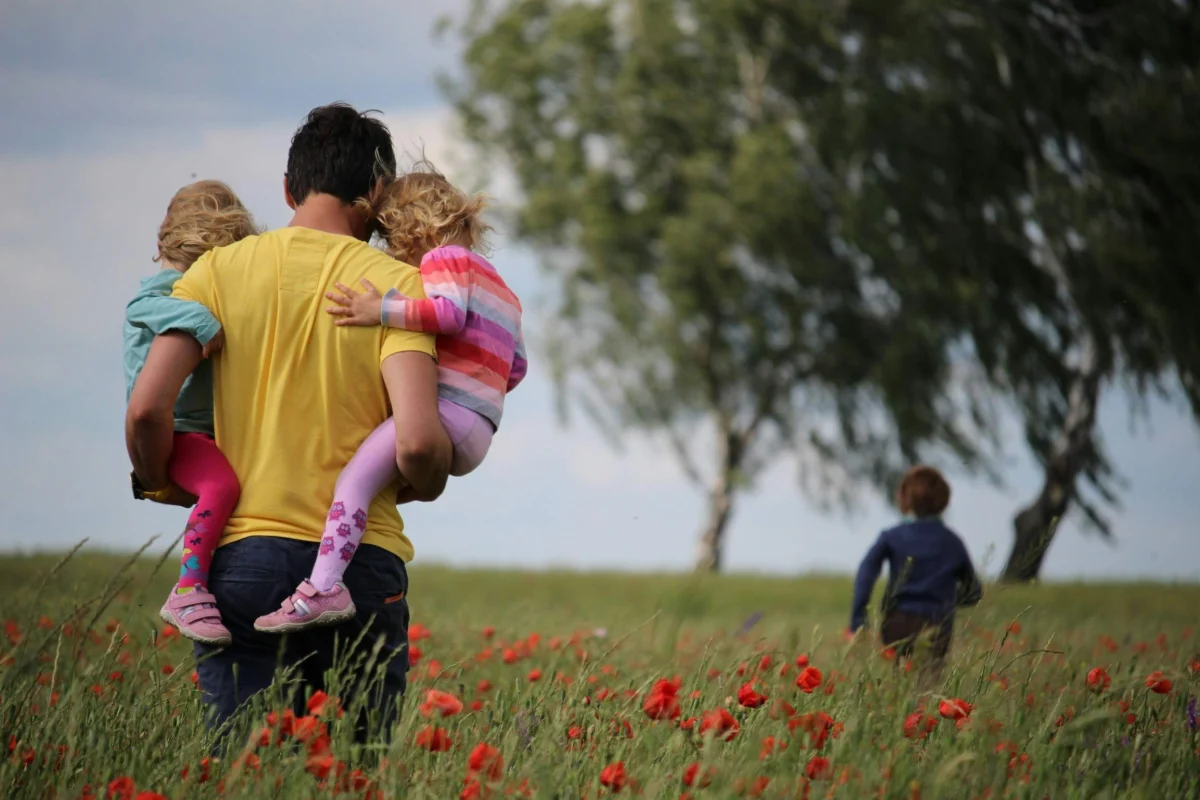
The scene unfolded on Mother’s Day at a bustling local garden center, a vibrant tableau of burgeoning life and familial warmth. Amidst the verdant aisles, where the air hummed with the scent of fresh soil and blooming petals, a mother’s joyful declaration resonated: her garden was her "happy place." Her children, catching her infectious enthusiasm, eagerly pointed out favorite flowers, their requests to take a plant home mirroring a universal desire for nurturing connection. This observation, not isolated, was a recurring motif throughout the day, with numerous mothers embracing the holiday surrounded by teeming plant life, a testament to the profound link between nature, care, and maternal well-being. This prompts a wider inquiry into how such activities might equally resonate with fathers, particularly as societal perceptions of caregiving evolve.
The Evolving Landscape of Parental Roles and Holiday Traditions
Historically, Mother’s Day, first celebrated formally in the U.S. in 1908 and established as a national holiday in 1914, has largely centered on acknowledging the traditional roles of mothers as primary caregivers and nurturers. Its traditions often involve flowers, breakfasts in bed, and gifts symbolizing appreciation for domestic and emotional labor. Father’s Day, established as a national holiday in 1972 after decades of advocacy, often carries different cultural connotations, frequently associating fathers with provision, strength, and recreational activities. This historical framing has inadvertently shaped perceptions of which parent engages in specific types of care work, including the seemingly gentle act of gardening.
However, contemporary society is witnessing a significant redefinition of parental roles. Data from the Pew Research Center indicates a substantial increase in fathers’ involvement in childcare and household duties over the past few decades. In 2016, fathers spent, on average, eight hours a week on childcare, nearly triple the time they spent in 1965. Similarly, time spent on housework has more than doubled for fathers since 1965. This demographic shift highlights a growing recognition of fathers as equally capable and invested caregivers, moving beyond traditional gendered divisions of labor. The question then arises: do our cultural celebrations and available resources adequately reflect and support this evolving reality for fathers?
Gardening as a Metaphor for Nurturing and Resilience
The parallels between gardening and care work are profound and multifaceted. Anyone who has dedicated an afternoon to the often-thankless task of weeding understands the continuous effort required to maintain a healthy environment. Similarly, nurturing a seed from its nascent stage to its fullest expression demands a remarkable blend of patience, consistency, resilience in the face of setbacks, unwavering hope, and a measure of good fortune. These qualities are not only essential in horticulture but are also fundamental to effective parenting.
Parenting, much like gardening, often embodies "joy-fun" more than "fun-fun"—meaning it provides deep, intrinsic rewards and profound fulfillment, even if immediate gratification is rare. A fig tree seedling does not bear fruit overnight, nor does an asparagus plant yield a harvest without a three-year commitment to rooting and maturation. This delayed gratification is a cornerstone of both activities, teaching the invaluable lesson that significant growth and profound rewards often require sustained effort and a long-term perspective. In both nature and parenthood, awe and beauty emerge organically from the ongoing process, rather than being confined to a predetermined endpoint. This focus on the journey, rather than solely the destination, cultivates a richer appreciation for life’s unfolding wonders.
The Cognitive and Emotional Benefits of Green Spaces
Scientific research increasingly underscores the positive impact of gardening and engagement with green spaces on overall health and well-being. Studies have consistently shown that simply spending time in natural environments can measurably reduce stress levels. A 2017 study published in Environmental Science & Technology demonstrated that even short exposures to green spaces could significantly lower cortisol levels, the body’s primary stress hormone.
Nature provides a unique opportunity for what psychologists call "soft fascination," a diffuse attentional state where the brain, freed from immediate task demands, can experience relaxation and restore directed attention. This concept, part of Attention Restoration Theory, suggests that natural environments allow for effortless engagement, enabling cognitive recovery and the generation of new insights. Many individuals report experiencing a mental breakthrough or finding solutions to previously intractable problems during a walk in nature, returning to their tasks feeling refreshed and with an improved mood.
In an era marked by increasing parental stress and the escalating demands of modern parenting—from navigating complex educational systems to managing digital landscapes—identifying accessible and sustainable stress management practices is paramount. Gardens, whether a sprawling backyard oasis or a modest container setup on a balcony, offer a readily available "salve" for the mind and spirit. They provide a tangible connection to the earth, a rhythm of growth and renewal that can be deeply grounding.
Beyond individual restoration, gardening can also foster robust social connections. The proliferation of Community Supported Agriculture (CSAs), urban gardens, plant shares, and seed libraries illustrates a vibrant network of gardening communities. Leisure activities that promote social interaction have a particular impact on happiness, contributing to the "fun-fun" aspect of life. For parents, a strong social network is a well-documented protective factor for overall health and resilience, buffering against the isolation and burnout that can accompany intensive caregiving. Engaging in communal gardening, sharing knowledge, and celebrating harvests can build these vital social ties, enhancing parental well-being.
The Neuroscience of Caregiving: Redefining "Dad Brain"
While the physical and mental benefits of gardening are universal, its significance for fathers warrants particular attention. Gardening is inherently an investment in something that requires nurturing, demanding a serious commitment to care for a living entity. It embodies qualities often stereotypically associated with maternal figures: patience, gentleness, tenderness, and an appreciation for cultivating beauty. Embracing these aspects through gardening challenges traditional gender norms and opens avenues for fathers to connect with their innate caregiving capacities.
Historically, research on fathers’ experiences of parenthood has been limited compared to the extensive body of work on mothers. However, emerging studies at the intersection of neuroscience and psychology are illuminating how all individuals, regardless of biological sex, are predisposed for caretaking. Darcy Saxbe’s work, highlighted in her book Dad Brain, reveals that neural circuitry associated with caretaking is activated by the act of caregiving itself, not solely dependent on experiences of pregnancy and birth.
Remarkably, fathers who serve as primary caregivers exhibit many of the physiological brain changes previously attributed exclusively to biological mothers. These changes include alterations in grey matter volume and restructuring of emotional processing centers in the brain, underscoring the profound neural plasticity induced by active caregiving. This scientific evidence fundamentally shifts our understanding, demonstrating that "care brain" is not gender-specific but rather an adaptive response to the demands and rewards of nurturing.
Fathers derive significant meaning and feelings of purpose from their parental roles. A 2023 study in SAGE Open indicated that the majority of fathers report profound fulfillment from parenthood. However, this increased involvement also comes with its challenges. Research suggests that fathers acting as primary caregivers may be more vulnerable to the mental health strains associated with modern parenthood, echoing the struggles often highlighted for mothers. This emphasizes the universal need for support systems and accessible well-being practices for all parents. Gardening, with its documented benefits for mental health, quality of life, and overall well-being, stands out as one such highly effective tool. To meaningfully encourage this, society must first acknowledge, and indeed celebrate, fathers’ inherent capacity to nurture, guide, and cultivate.
Societal Implications: Bolstering Support Systems and Redefining Masculinity
Father’s Day, while a single day, plays a crucial role in reinforcing cultural norms and values. The traditions surrounding this holiday can either perpetuate outdated stereotypes or provide a mirror for evolving cultural messages about a father’s role, needs, and desires. If society collectively pauses to consider the values it wishes to cultivate in parenting, an activity like gardening offers a compelling model. It provides fathers with significant psychological and health benefits while simultaneously reinforcing their essential and multifaceted role within complex networks of care.
By intentionally including fathers in rituals, communities, and activities historically associated with mothers—such as gardening—society extends its understanding of who desires, deserves, and has a duty to care for living things. This shift is not about erasing gender distinctions but about broadening the spectrum of accepted and celebrated masculine traits to include tenderness, patience, and sustained nurturing.
When a father’s role as a caregiver is taken seriously, the benefits extend far beyond individual well-being. It bolsters support systems for children, providing them with more engaged and emotionally attuned parents. It also more effectively honors the challenges and benefits of care work in general, elevating its societal value regardless of who performs it. This re-evaluation has profound implications for public policy, workplace flexibility, and the allocation of resources for parental support.
The Economic and Community Impact of Gardening
The growing interest in gardening also has tangible economic and community impacts. The global gardening industry is a multi-billion dollar sector, with significant growth driven by increasing awareness of environmental issues, a desire for sustainable living, and the wellness benefits associated with horticulture. For example, the U.S. lawn and garden market alone was valued at over $40 billion in 2023, reflecting a robust engagement from consumers. This industry supports countless local businesses, from garden centers to nurseries and landscape designers.
Community gardens, plant shares, and seed libraries are not just anecdotal trends; they represent a burgeoning movement towards localized food systems, environmental education, and social cohesion. These initiatives often thrive in urban areas, providing access to green spaces and fresh produce for communities that might otherwise lack them. They serve as tangible examples of how care for the environment and care for community are intrinsically linked, offering practical applications for shared nurturing.
Conclusion: Cultivating a More Inclusive Future of Care
While there is no single "right" way to celebrate Father’s Day, the choice of activities can subtly yet powerfully shape cultural narratives. Encouraging fathers to engage in mindful gardening practices—from nurturing a vegetable patch to cultivating a vibrant flower bed—offers a potent pathway for both personal well-being and societal transformation. It provides an accessible means for fathers to experience the profound "joy-fun" of sustained care, to connect with nature’s restorative power, and to build community.
By consciously inviting fathers into the garden, society acknowledges their essential contributions to care work, reinforces a broader definition of masculinity, and ultimately strengthens the foundational fabric of family and community. This movement towards a more inclusive understanding of caregiving not only benefits individual parents and children but also enriches the collective human experience, fostering a culture where the act of nurturing, in all its forms, is universally valued and celebrated.