
 Indra Kusuma
In its inaugural season, "Play With Matches," the insightful podcast hosted by UpSpring CEO Tiffany Rafii, has emerged as a crucial platform for exploring the multifaceted world of design. Each episode meticulously distills major takeaways from conversations with leading designers and industry experts, delving into topics ranging from the foundational importance of craftsmanship to the profound impact of design on public health. The podcast effectively redefines the boundaries of what is achievable when creative vision converges with strategic business acumen, offering a vital resource for professionals and enthusiasts alike. This comprehensive review examines some of the most compelling lessons gleaned from the first season, underscoring their relevance to contemporary design practice and the broader socio-economic landscape.
The Nuances of Sustainable Design: Beyond Greenwashing and Towards Transparency
One of the most pressing challenges facing the design and architecture sectors today is the complex pursuit of genuine sustainability. Avi Rajagopal, Editor-in-Chief of Metropolis magazine, provides an authoritative perspective on this issue, detailing how his team navigates, reports on, and critically assesses the rapidly evolving landscape of sustainable design. The market is inundated with new products and materials, each making compelling claims of environmental superiority, making it increasingly difficult for designers and consumers to differentiate scientifically sound solutions from mere "greenwashing." For a publication like Metropolis, committed to offering critical perspectives on green architecture, the stakes are exceptionally high.
Rajagopal highlights a significant conundrum exemplified by vinyl (PVC). "Over the last two or three years, we’ve had lots of different solutions come to the market around vinyl or PVC," he explains. This situation presents a dichotomy: on one side, a vocal segment of sustainability leadership advocates for the complete eradication of PVC from the built environment due to its historical environmental and health concerns. On the other, manufacturers are actively developing what they present as more responsible versions of PVC, claiming improved life-cycle impacts. The challenge for media outlets like Metropolis is that promoting these "more responsible" versions can sometimes lead to accusations of complicity in greenwashing.

The reality, as Rajagopal articulates, is that despite the ethical imperative to move away from harmful plastics, millions of square feet of PVC material continue to be specified in projects, often by the very designers who publicly endorse sustainable practices. This underscores a systemic challenge where aspirational goals often conflict with practical constraints and market realities. Rajagopal’s call to action is clear: "For those who are able to build a project that’s completely PVC free, you should do it. Get us more examples of that. Show us that it’s possible." This sentiment reflects a broader industry need for demonstrable case studies and innovative alternatives that can truly shift the paradigm.
The global market for green building materials is projected to reach significant valuations, driven by increasing regulatory pressures, heightened environmental awareness, and a growing demand for healthier indoor environments. However, the lack of standardized, transparent metrics for environmental product declarations (EPDs) and health product declarations (HPDs) continues to complicate material selection. Designers often grapple with incomplete data, varying certification standards, and the inherent trade-offs between different material life cycles—from raw material extraction to end-of-life disposal. The discussion surrounding PVC illustrates that achieving true sustainability requires not only technological innovation but also a fundamental re-evaluation of supply chains, manufacturing processes, and ultimately, consumer and professional demand for truly responsible solutions. The implication for the design community is a mandate for rigorous due diligence, critical questioning of claims, and an active role in advocating for greater transparency and verifiable environmental performance.
Investing in Craft: The Enduring Value of Bespoke Design
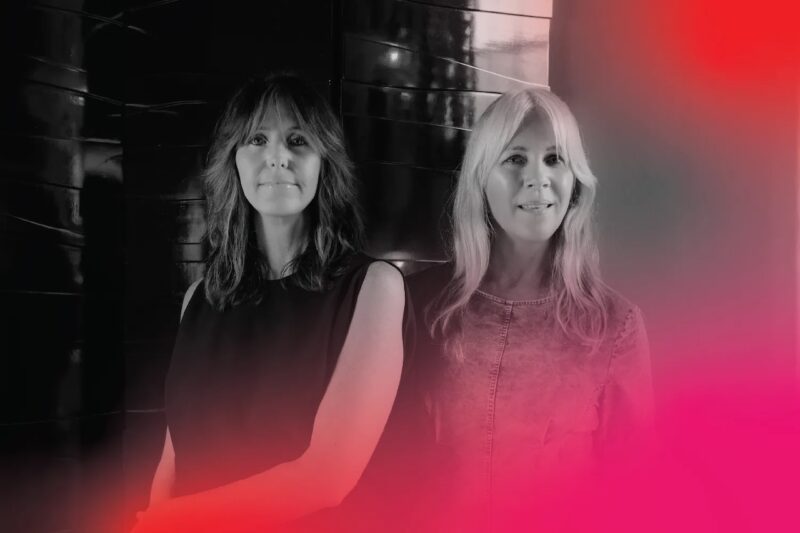
In an era often dominated by mass production and standardized solutions, the podcast champions the enduring value of craftsmanship and bespoke design. Cuff Studio, the Los Angeles-based firm founded by Kristi Bender and Wendy Schwartz, offers a compelling case study. Initially established for interior design, the studio expanded in 2018 to create custom furniture and lighting for fellow interior professionals, driven by a clear vision: "We said, let’s create a collection, put it out into the world and see what happens," the duo explains.
Their success is deeply rooted in a foundational instinct: to forge strong connections with local artisans. From skilled ceramics craftspeople to glass artists, these collaborations enable Cuff Studio to infuse elegance and uniqueness into their products. Bender and Schwartz emphasize the critical role of local manufacturing and a "high-touch" approach in their success. This involves direct engagement with clients and artisans, fostering a continuous cycle of learning, listening, and asking questions. This hands-on methodology, they assert, was "hugely important in being successful."

Cuff Studio’s business philosophy is anchored in making everything they do personal, accessible, and authentic. They constantly seek to identify gaps in the industry to provide genuine solutions. Their background in interior design offers a distinct advantage, allowing them to deeply understand the pressures and stresses faced by their clients. "So when we’re talking to now our client, who’s an interior designer, we understand where they’re coming from," they note. This empathy informs their business practices, communication strategies, and client care, resulting in pieces that possess a distinct character and special quality, far removed from mass-produced retail items.
The enduring nature of Cuff Studio’s creations stems from the care embedded in their making and the inherent meaning they carry. "You can see the hand, the love, the thoughtfulness," they observe. This speaks to a growing consumer and professional appreciation for authenticity, durability, and the unique narrative behind each object. The global market for luxury and bespoke goods continues to expand, reflecting a shift towards investment in quality over quantity, and a desire for personalized spaces that tell a story. This trend supports local economies by sustaining traditional crafts and fostering new artisanal enterprises. For designers, investing in craft means not only elevating the aesthetic and functional quality of projects but also contributing to a more sustainable and culturally rich design ecosystem. It implies a deeper engagement with the provenance of materials and the skill of makers, ultimately delivering spaces and objects imbued with lasting value and emotional resonance.
Design Impacts Health: Architecture as a Life-Saving Intervention
The podcast powerfully underscores the profound, often life-saving, impact of architectural design on human health. Amie Shao, Principal and Senior Director at Model of Architecture Serving Society (MASS Design Group), shares a deeply personal and professional journey through maternal health that illustrates this point vividly. Her experience began with a complicated twin pregnancy, leading to hospitalization and premature birth, where she interacted with her infants through the confined spaces of plastic incubators.
Years later, while assessing a health facility in Malawi, Shao witnessed a tragic parallel. She recounts hearing "this sobbing" and watching "a mother collapse to the floor." Her baby had succumbed to the same condition that her own children had survived. The critical difference was the Malawian hospital’s lack of essential equipment, directly attributable to the absence of a designated, appropriately designed space for newborn care. This stark realization ignited Shao’s resolve to address the inadequacies of hospital spaces—often cold and unwelcoming—that many expectant mothers in Malawi actively tried to avoid.
MASS Design Group’s response to this crisis is the Maternity Waiting Village (MWV). This innovative architectural intervention is designed to encourage expectant mothers to arrive at the hospital in the lead-up to childbirth, providing them and their companions with a dignified and supportive environment to await labor. In Malawi, a country grappling with one of the highest maternal mortality rates globally, being at the hospital when labor begins is a paramount factor in maternal and infant survival and well-being. The MWV features small residential groupings thoughtfully clustered around courtyards, integrating spaces for education, communal gathering, and cooking.
Following its opening, MASS conducted a comprehensive survey of 600 women regarding their experiences at the MWV, evaluating factors such as privacy, sanitation, safety, and comfort. The results were compelling: the new, improved design scored significantly higher across every measured area compared to its predecessor facilities. This data provides irrefutable evidence that intentional design can directly mitigate health disparities and save lives. The field of evidence-based design is increasingly demonstrating how physical environments influence patient outcomes, staff well-being, and operational efficiency in healthcare settings. From reducing hospital-acquired infections through material choices and ventilation, to improving mental health outcomes with access to natural light and green spaces, architecture is far from neutral. Shao’s work with MASS serves as a powerful testament to the ethical responsibility of designers to consider the holistic impact of their creations, particularly in vulnerable contexts where design can literally be a matter of life and death.
Inclusion Needs to Be Intentional, From the Start
The podcast emphasizes that truly impactful design must be inherently inclusive, a principle articulated by Adaeze Cadet, Design Principal at HOK. Cadet highlights the profound influence design has on human experience: "It’s always been fascinating to know that you could create something that people have these unique experiences in, and how you do that could influence if it’s a good experience or a bad experience." She stresses that this critical understanding must be present from the very inception of a project, acknowledging that "every building we build, no matter what type, it is affecting the community around it, and it’s affecting the ecosystem that we’re building for as well."
Cadet champions an engagement-led process that prioritizes a plurality of perspectives. The fundamental questions guiding this approach are: "Who are we designing for – and what are their aspirations?" She cautions against rushing into design proposals, advocating instead for a deliberate "slow down" to thoroughly comprehend the problem, the challenges, and crucially, who is affected. This deep understanding forms the bedrock for developing creative solutions that genuinely celebrate the community for which and in which the design is being realized.

The initial phase, Cadet explains, is heavily research-intensive, involving extensive questioning of ownership, stakeholders, and understanding how they will interact with the space. This exploratory phase also involves identifying the design challenges they aim to solve, and critically, being open to proposing solutions that even the clients might not have initially considered. This inclusive methodology ensures that diverse voices are heard and incorporated, preventing the perpetuation of exclusionary design practices that have historically marginalized certain groups.
The implications of intentional inclusion are far-reaching. Beyond simply meeting accessibility codes, inclusive design strives for universal usability and equity, ensuring that spaces are welcoming, functional, and dignified for individuals of all ages, abilities, and backgrounds. As global demographics become increasingly diverse, the economic and social imperative for inclusive design grows. Research indicates that accessible environments can unlock new market segments and improve user satisfaction across the board. Furthermore, designs that reflect the needs and aspirations of diverse communities foster a greater sense of belonging and social cohesion. For the design profession, this means moving beyond a purely aesthetic or functional focus to embrace a holistic, human-centered approach that prioritizes empathy, collaboration, and social responsibility. It necessitates a continuous learning process to understand evolving societal needs and integrate diverse perspectives into every stage of the design process, from conceptualization to execution.
Be Yourself: The Personal Is Professional in Design Leadership
In a competitive and often trend-driven industry, cultivating a distinct personal and professional identity is paramount. The podcast features Pallavi Dean of Dubai-based studio Roar, who offers invaluable inspiration for designers seeking to embrace their unique style, particularly one that favors eclecticism and vibrancy over ubiquitous neutral tones and shapes. Dean demonstrates how to successfully bring clients on board with an unapologetic and distinctive vision.
Roar’s colorful, layered spaces, evident both in person and across their digital presence, vividly showcase the studio’s strong personality. According to Dean, Roar’s DNA is meticulously woven from three critical strands: an unapologetic point of view, a research-driven process, and a clear sense of entrepreneurship. She likens this to a "three-legged stool: If one leg is missing you fall over." This holistic approach ensures resilience and consistency in their work.

Dean emphasizes that "We’re not run of the mill." While this distinct point of view may sometimes contradict prevailing trends, it serves a crucial strategic purpose: "It keeps away the people don’t want to work with, and creates synergy with people I do want to work with." This selective client engagement allows Roar to maintain creative integrity and foster genuinely collaborative relationships with clients who appreciate and align with their unique aesthetic and philosophy. Crucially, Roar’s design approach is not merely about being "cheeky" or "un-boring"; it is deeply rooted in Dean’s rigorous, research-driven methodology.
To ensure this research-driven approach is consistently applied across all projects, Dean’s studio developed "UXD, User Experience Design." This comprehensive 25-step process guides every designer at Roar before they submit a project. It includes both qualitative and experiential questions, such as "is the space going to have a great story?" and "is the space going to make people smile?" alongside more functional considerations like "has it hit the function?" This structured approach ensures that creativity is grounded in strategic thinking and client needs, delivering designs that are not only visually striking but also deeply functional and emotionally resonant.
In the contemporary design landscape, where social media and digital portfolios play a significant role in client acquisition, a strong, authentic brand identity is a powerful differentiator. Designers who clearly articulate their unique vision and methodology are better positioned to attract clients who share their values and appreciate their distinctive contributions. This strategic alignment leads to more fulfilling projects and stronger, more enduring client relationships. Dean’s example illustrates that personal authenticity, when coupled with a disciplined, research-backed process and entrepreneurial foresight, can transform a unique style into a highly successful and influential professional practice. The personal, in this context, truly becomes professional, driving innovation and shaping the future of design.
Conclusion: A Holistic View of Design’s Evolving Landscape
The inaugural season of Tiffany Rafii’s "Play With Matches" podcast has provided an invaluable forum for dissecting the critical issues and transformative trends shaping the contemporary design and architecture industries. Through the insights of luminaries like Avi Rajagopal, Kristi Bender, Wendy Schwartz, Amie Shao, Adaeze Cadet, and Pallavi Dean, the podcast has illuminated the complex interplay between creativity, business, and societal impact.

From navigating the ethical minefield of sustainable material selection and combating greenwashing, to championing the tangible and intangible value of bespoke craftsmanship, and demonstrating design’s profound capacity to enhance health and foster intentional inclusion, the lessons are clear. The podcast consistently reinforces that design is not a static, purely aesthetic discipline, but a dynamic force with significant economic, social, and environmental ramifications. Furthermore, the emphasis on authenticity and strategic branding highlights the importance of a strong, unique voice in a crowded professional landscape.
"Play With Matches" stands as a testament to the idea that successful design leadership requires a holistic understanding of market dynamics, ethical responsibilities, and the human condition. It serves as an essential resource for designers, architects, and industry stakeholders seeking to innovate, adapt, and lead with purpose in an increasingly complex world. The insights shared underscore the ongoing evolution of design from a service industry to a pivotal driver of progress and well-being, urging practitioners to engage more deeply, think more critically, and design with greater intention.
Elizabeth Pagliacolo is the Editor of Azure magazine and Executive Editor of Design Milk. Based in Toronto, she covers design at every scale, from the spoon to the city. Some of her favourite things, in no particular order, are Mulholland Drive (the movie and the place), burnt Basque cheesecake (preferably from Toronto’s Bar Raval), true crime podcasts (indiscriminately) and the sound of boots crunching down on fall leaves.







