
In an era defined by digital commerce and niche markets, a singular innovation is transforming the arduous process of selling vintage Pokémon cards, offering a blueprint for small businesses dealing in physical goods. What began as a personal quest by a dedicated collector to complete his own vintage Pokémon card sets evolved into the development of a sophisticated Mac application, integrating artificial intelligence (AI) and advanced social media scheduling. This bespoke system has dramatically streamlined the complex logistics of inventory management, product listing, and targeted marketing for over 1,000 unique cards, demonstrating a powerful paradigm shift in how individual sellers can scale their operations.

The burgeoning market for vintage Pokémon cards represents a significant segment within the broader collectibles industry, which is estimated to be worth hundreds of billions globally. Driven by nostalgia, investment potential, and the cultural phenomenon of the franchise, cards from the late 1990s and early 2000s command substantial prices and attract a passionate collector base. However, for individual sellers, capitalizing on this demand presents unique challenges. Each card is a distinct item, requiring meticulous photography, detailed description, accurate condition assessment, and strategic promotion across multiple platforms. This inherent complexity often leads to a bottleneck for sellers, turning a hobby into a laborious, time-consuming undertaking.
The developer, a fervent collector himself, initially faced these very obstacles. His journey began by sourcing cards for his personal collection, often requiring the purchase of bulk lots or entire box sets to acquire a single elusive card. This strategy inevitably resulted in a surplus of "spare" cards. Recognizing the potential to recoup costs and share these collectibles with fellow enthusiasts, he started selling these spares. Initially, this was a casual side endeavor, but as his inventory rapidly expanded beyond 1,000 cards, the sheer volume of administrative tasks became overwhelming. Each card demanded individual attention: high-quality photographs (front and back), a precise title, a comprehensive description, detailed item specifics (set, number, rarity, edition, language, holo/non-holo), and, crucially, an accurate condition assessment. Performing these steps manually, card by card, quickly escalated into a demanding part-time job, eroding the enjoyment of the hobby itself.
A significant pain point identified was the critical role of social media in driving sales within the collectibles market. Unlike general merchandise where buyers might primarily search on marketplaces, Pokémon card collectors are deeply engaged with community platforms. They follow dedicated card accounts on platforms like Threads and Instagram, bookmark trusted dealers, and discover new listings through their social feeds. This direct engagement means that social promotion isn’t merely supplementary; it’s often the primary driver of demand, sometimes accounting for more than half of a listing’s visibility and eventual sale. Yet, when faced with the tedious task of manual listing, social media promotion was the first activity to be skipped, rendering perfectly good listings invisible to the very audience most likely to purchase them. This disconnect between listing creation and effective promotion highlighted a critical gap in the traditional e-commerce workflow.
Recognizing the need for a more integrated and efficient solution, the developer embarked on building a custom Mac application. The goal was clear: automate the entire pipeline from image capture to listing publication and social media promotion. This bespoke tool leverages advanced AI capabilities and sophisticated API integrations to manage an inventory of hundreds, if not thousands, of unique items with unparalleled efficiency. The app’s development journey is a testament to iterative problem-solving, starting with basic single-card processing and evolving into a robust, batch-processing powerhouse.
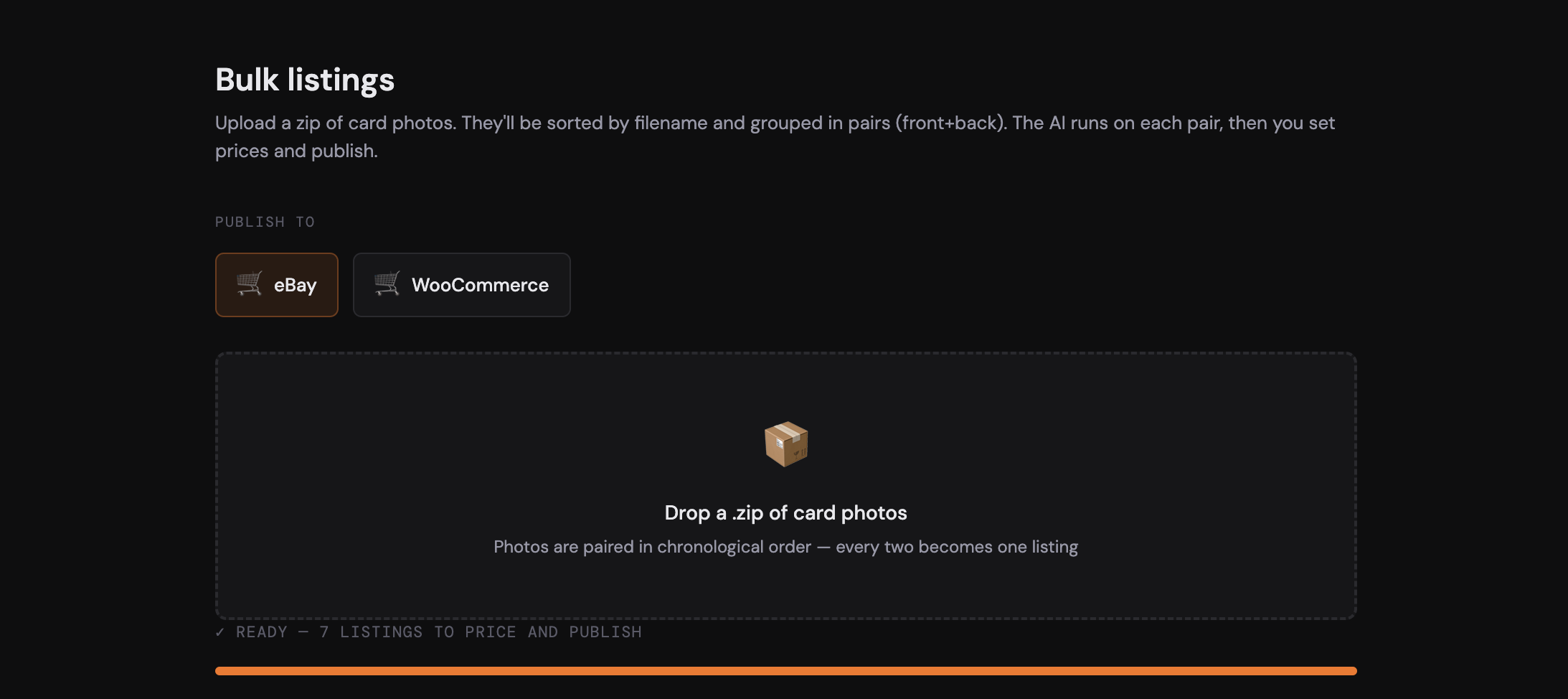
The core functionality of the application commences with a straightforward drag-and-drop interface. Sellers prepare batches of cards by photographing their fronts and backs in a lightbox, pairing the images, and then compressing them into a zip file. This zip file is then dragged into the app, which automatically sorts the photos by filename and groups them into individual card pairs. This initial step alone represents a significant leap from the laborious one-by-one photo upload common in many marketplaces. The app also features a modular upload screen, allowing the seller to select publishing destinations, initially eBay, but later expanded to include WooCommerce, or both simultaneously. This flexibility ensures adaptability to evolving sales strategies and platform preferences. Batches of approximately 50 cards are typically processed at a time, allowing the AI to work through the data while the seller attends to other tasks, effectively transforming passive processing time into productive downtime.
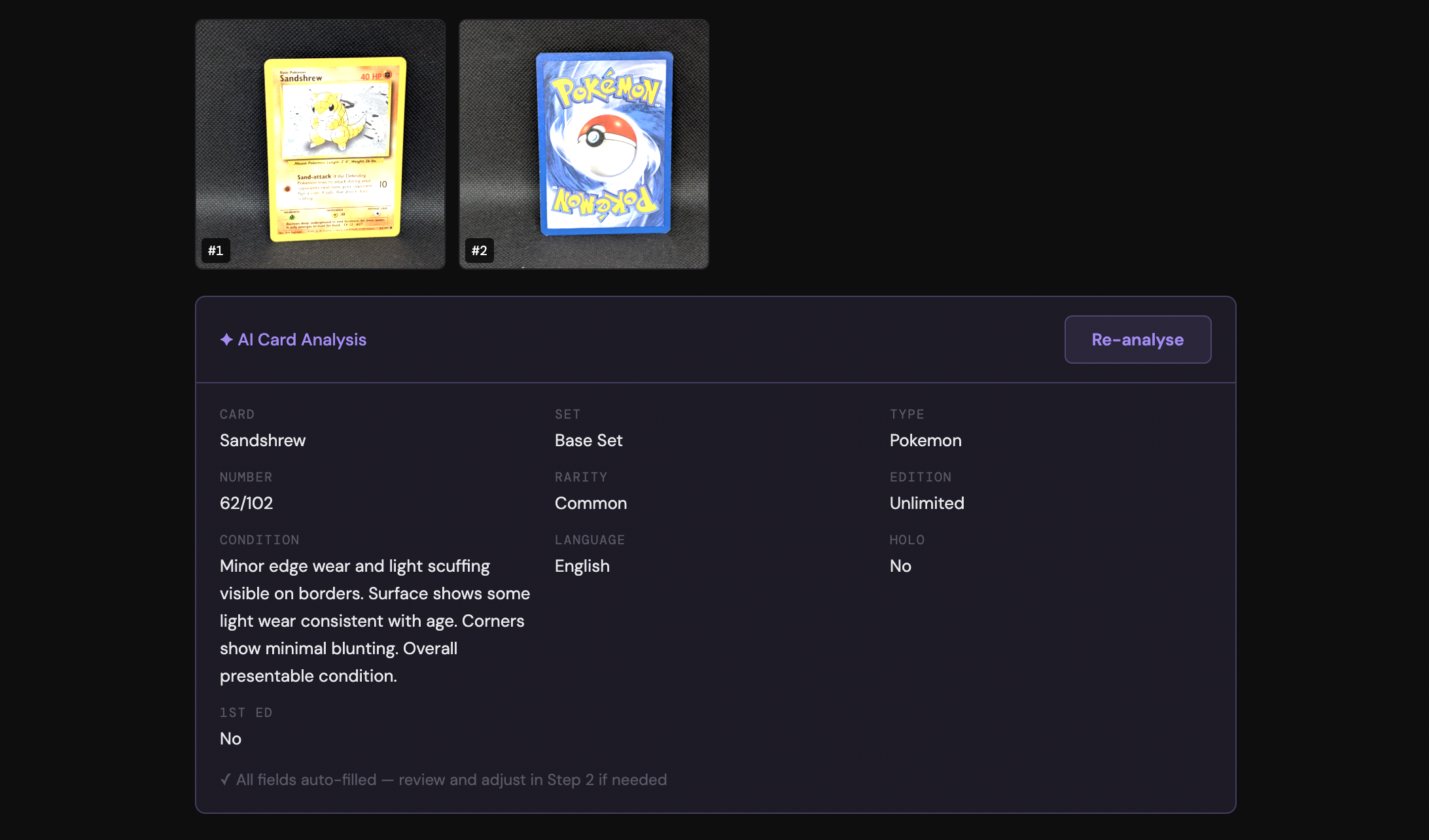
The most transformative aspect of the app lies in its integration with Claude, an AI model. Each pair of card photos is sent to Claude, which meticulously analyzes the images to extract crucial structured details for the listing. This includes the card name, set, card number, rarity, edition, language, whether it’s holographic or non-holographic, and most importantly, its condition. Condition grading is notoriously subjective and time-consuming for human sellers, requiring careful examination of corners, edges, and surface integrity to determine classifications like "Lightly Played" or "Heavily Played." Claude’s ability to automate this assessment not only saves immense time but also introduces a level of consistency and objectivity that is difficult to achieve manually. While the AI’s assessment occasionally requires minor human adjustment due to suboptimal lighting or photographic angles, its general accuracy is high enough that the developer now trusts Claude for the majority of the "easy stuff," only scrutinizing the more ambiguous cases.
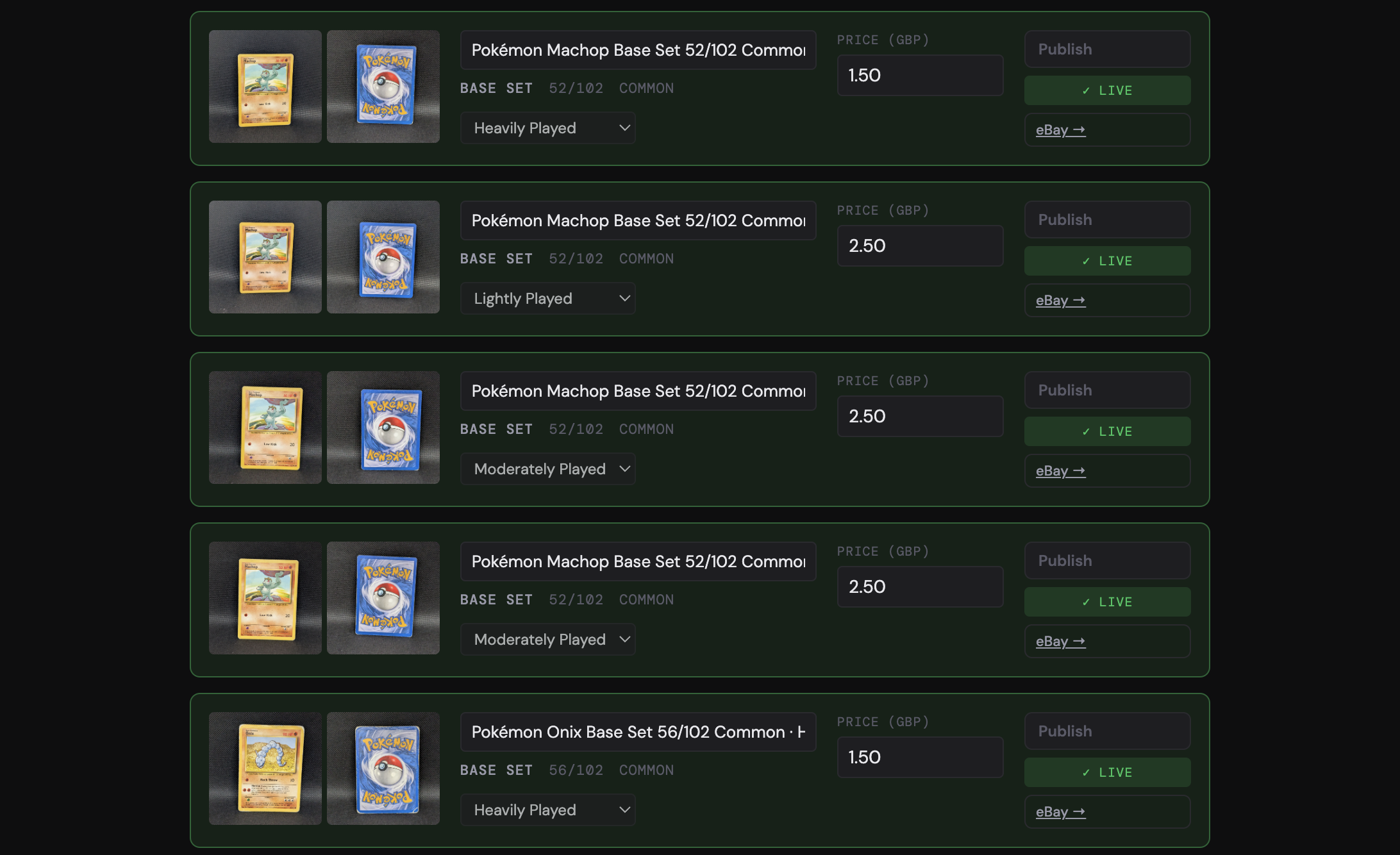
Upon Claude’s completion, the listing form within the app is automatically populated with a title, description, condition note, item specifics, and all other relevant data. An "AI" badge subtly indicates that these fields were generated by artificial intelligence, freeing the seller from the bulk of data entry. The only remaining manual input at this stage is the pricing, a critical decision that the developer currently prefers to retain human oversight for, given the volatile nature of collectible markets. However, ongoing efforts involve exploring card market data APIs like TCGdex to integrate real-time market data, aiming to provide AI-suggested pricing based on recent sales and active listings, thereby eliminating the last manual step in the bulk listing workflow.
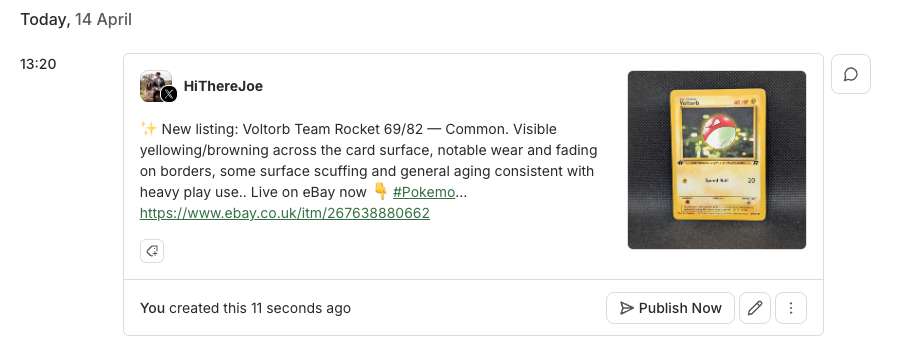
Once prices are set, hitting "publish all priced ones" triggers a synchronized two-step process. First, the product is created in the seller’s online store via the WooCommerce API (or eBay API, as was the initial setup). This step is crucial as it generates the live product URL required for the subsequent social media promotion. Second, the app automatically constructs a social media post, incorporating the card’s image, a concise description, relevant hashtags, and a direct link to the newly created product listing. This post is then queued through the Buffer API across the selected social channels, primarily Threads and Instagram. The Buffer API is a critical component, enabling intelligent scheduling based on Buffer’s proprietary "Best Time to Post" data. This ensures that posts are published when the target audience is most active and engaged, rather than at an arbitrary time when the seller happens to finish photographing a stack of cards. For Threads, a direct, clickable link to the product page is embedded, while for Instagram, where clickable links are restricted in post bodies, the post directs users to the "link in bio." This seamless integration transforms what was once a three-app workflow—marketplace, photo folder, and a separate mental reminder for social media—into a single, unified approval process.

A deliberate design choice within the app is the retention of a single-card mode. This allows for manual, in-depth review of rare or high-value cards, where the seller might want to meticulously examine photos, fine-tune Claude’s description, and carefully determine pricing before publishing. This hybrid approach ensures that while automation handles the bulk of inventory, critical human judgment can be applied to items requiring special attention.
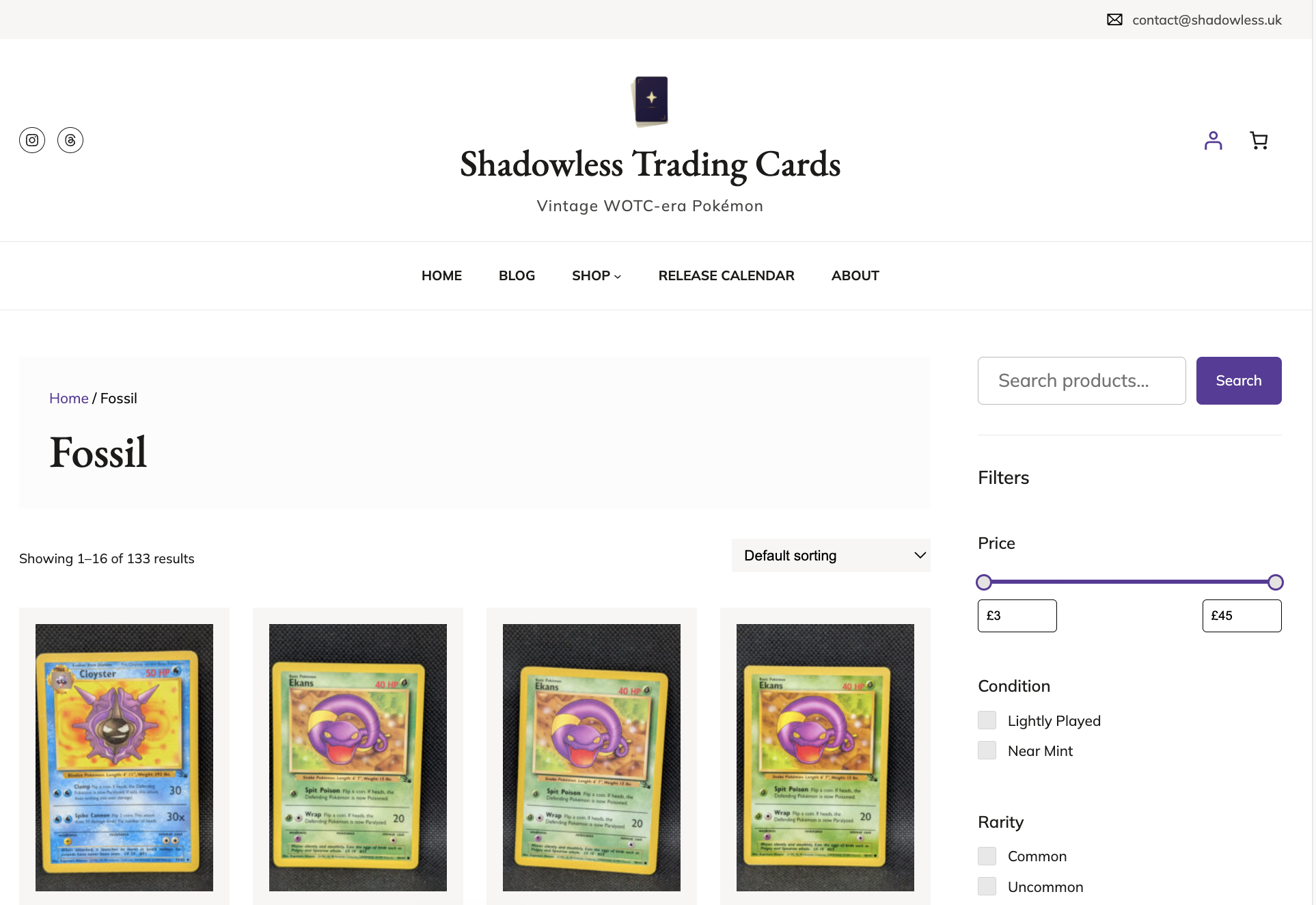
The evolution from selling exclusively on eBay to establishing a dedicated WooCommerce store, "Shadowless," marks another significant milestone in this entrepreneurial journey. While eBay provided a valuable initial platform, the desire for brand control, direct customer relationships, and a customized shopping experience led to the creation of an independent storefront. The modular nature of the app’s publishing step meant that adding WooCommerce support required minimal development effort—approximately half a day of work. The move to a self-hosted store also unlocked a powerful enhancement for the buyer experience. All the structured data meticulously extracted by Claude—set, card number, rarity, edition, language—are transformed into filterable attributes on the Shadowless store. This allows collectors to easily narrow down their search, for example, to "Rare cards from the Fossil set," creating a sophisticated browsing experience akin to a specialized card shop, far superior to a simple, unfilterable list. While a dedicated store means the marketing burden falls entirely on the seller, the robust automation for listings and social promotion ensured that this critical infrastructure was in place from day one.
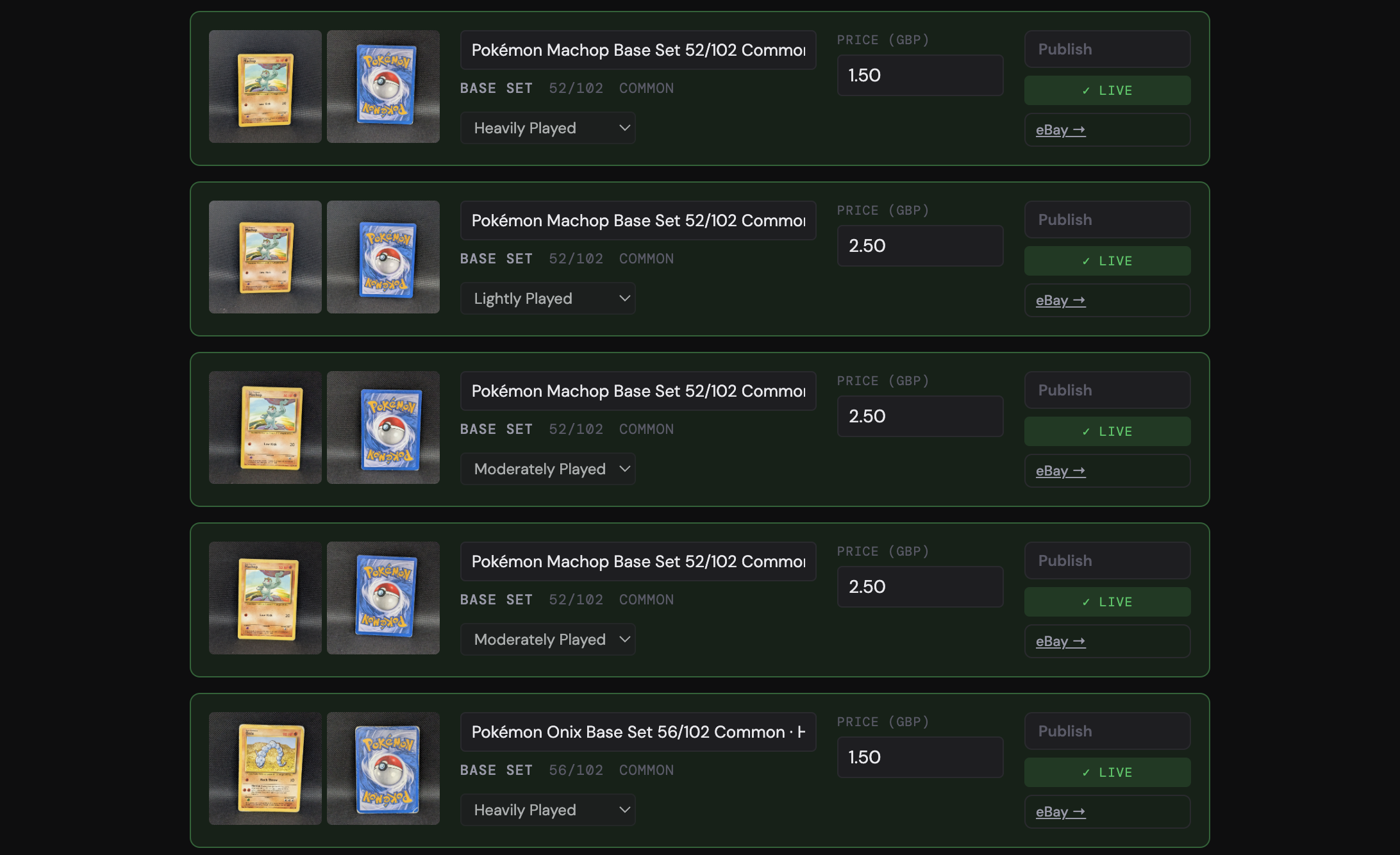
The process has coalesced into a highly efficient routine: on a Sunday afternoon, a stack of cards is photographed, the zip file is dropped into the app, prices are set after Claude’s analysis, and with a single "publish" command, the seller is free to enjoy their evening. The listings go live on the store, and a consistent stream of Buffer posts, typically two per day to Threads and Instagram, is automatically queued. This hands-off approach has resulted in a Buffer queue of over 1,000 scheduled posts, ensuring continuous market presence. Remarkably, the entire AI image analysis process for over 1,310 products has incurred a total cost of only $15 to $20, highlighting the incredible cost-effectiveness of integrating modern AI tools.
Despite these significant advancements, the developer continues to refine the system. The aforementioned automation of pricing remains a primary focus. Given the dynamic nature of the collectibles market, accurate, real-time pricing is crucial, and integrating reliable market data APIs is the next frontier. Another challenge involves managing stock synchronization. When a card sells before its scheduled social media post is published, the post can direct potential buyers to an unavailable item. Developing a script to monitor stock changes and automatically track down and adjust corresponding Buffer posts is a complex but necessary future improvement.
This innovative approach holds broader implications for anyone selling physical goods online. The core principles demonstrated by this Pokémon card venture are universally applicable. Firstly, the integration of product listing and promotion into a single, cohesive workflow is paramount. By linking these traditionally separate processes, the time spent per item can be drastically reduced, preventing inventory from languishing unseen. Secondly, leveraging AI for automated data extraction, particularly for attributes like condition or specifications, can revolutionize inventory management and product description, enhancing accuracy and consistency while freeing up invaluable human capital. Thirdly, employing intelligent social media scheduling ensures that marketing efforts are not only consistent but also optimized for audience engagement, maximizing visibility and sales potential. These takeaways underscore a fundamental shift towards smarter, more integrated e-commerce operations, moving beyond manual tedium to embrace scalable automation.
Industry experts widely acknowledge the growing importance of AI and API integration in democratizing advanced e-commerce capabilities for small businesses. "What this individual has achieved is a perfect example of how niche sellers can leverage cutting-edge technology to compete effectively with larger players," notes Dr. Anya Sharma, an e-commerce strategy consultant. "By automating the repetitive, high-volume tasks, they free up time for strategic growth and direct customer engagement, which are crucial differentiators in today’s crowded online marketplaces." A spokesperson for Buffer also highlighted the innovative application of their API, stating, "This project showcases the true power of open APIs – enabling creative developers to build custom solutions that seamlessly integrate our scheduling capabilities into unique workflows, driving real-world business success in novel ways."
The Mac app, though currently unnamed, stands as a powerful testament to the ingenuity of a collector-turned-developer. It not only addresses the specific pain points of selling vintage Pokémon cards but also offers a scalable, cost-effective model for small businesses navigating the complexities of online retail for any physical product. As the e-commerce landscape continues to evolve, the integration of AI for data analysis and APIs for streamlined workflows will undoubtedly become standard practice, empowering a new generation of entrepreneurs to transform their hobbies and passions into thriving, efficient businesses.