Michael Sholeh
The Evolution of the Modern Definition of Luxury
Historically, luxury was defined by scarcity and the possession of rare materials. From the silk roads of antiquity to the gilded age of the late 19th century, wealth was signaled through visible indicators: precious metals, expansive estates, and couture fashion. However, the 21st century has witnessed a decoupling of "luxury" from "expenditure." As mass production has made high-end aesthetics more accessible to the middle class, the truly wealthy and the truly intentional have shifted their focus toward "experiential" and "psychological" luxury.
Sociologists note that in an era of hyper-connectivity and 24/7 productivity, the rarest commodities are no longer objects, but states of being. The transition from material luxury to "temporal" and "emotional" luxury represents a significant shift in societal values. This change is largely driven by the realization that while the "counterfeit" versions of luxury—such as designer goods and luxury vehicles—offer immediate dopamine responses, they are subject to hedonic adaptation, where the pleasure derived from them diminishes rapidly over time.
Chronology of the Minimalist and Slow Living Movements
The revaluation of life’s luxuries did not occur in a vacuum. It is the result of several decades of economic and social shifts:
- The Post-War Consumer Boom (1950s–1980s): Following World War II, luxury was equated with the accumulation of household goods, appliances, and automobiles, signaling stability and progress.
- The Rise of Brand Fetishism (1990s–2000s): The era of "logomania" saw luxury become a tool for social signaling, where the brand name carried more weight than the utility of the item.
- The Great Recession (2008): The global financial crisis prompted a widespread re-evaluation of debt-fueled consumerism. This period saw the birth of modern minimalism, popularized by authors and bloggers who advocated for "living with less."
- The Digital Burnout Era (2010s): As smartphones and social media integrated into every aspect of life, "silence" and "unplugging" became the new status symbols.
- The Global Pandemic (2020–2022): COVID-19 acted as a catalyst, forcing a global "pause." The forced isolation and the threat to public health underscored the fragility of life, leading millions to prioritize health, family, and time over career advancement and material gain.
Analysis of the Six Pillars of Non-Material Luxury
To understand why these six specific items are considered the pinnacle of luxury, one must analyze the socio-economic factors that make them so difficult to attain in a modern context.
1. The Luxury of Time
In a globalized economy, time has become the ultimate currency. According to recent labor statistics, the average professional spends more than 40 hours a week working, with an additional 10 to 15 hours dedicated to commuting and "shadow work" (unpaid administrative tasks). The ability to control one’s schedule—often referred to as "temporal autonomy"—is now a primary indicator of high quality of life. Unlike money, time is a non-renewable resource, making the freedom to spend it as one chooses the highest form of wealth.
2. The Luxury of Health
Global healthcare spending has reached record highs, yet chronic stress-related illnesses are on the rise. Modern luxury in the context of health is not merely the absence of disease, but the presence of vitality. Data from the World Health Organization suggests that lifestyle-related factors—diet, sleep, and exercise—are the primary drivers of longevity. However, in a fast-paced society, the "luxury" of a full night’s sleep or a home-cooked meal is often sacrificed for productivity.
3. The Luxury of a Quiet Mind
The "Attention Economy" thrives on constant stimulation. With the average person receiving dozens of notifications daily, mental clarity and internal peace have become rare commodities. Psychological research indicates that the ability to focus and maintain a "quiet mind" is directly linked to lower levels of cortisol and improved decision-making. This luxury requires the intentional filtering of external noise, a feat that is increasingly difficult in a digitally saturated world.
4. The Luxury of Slow Mornings
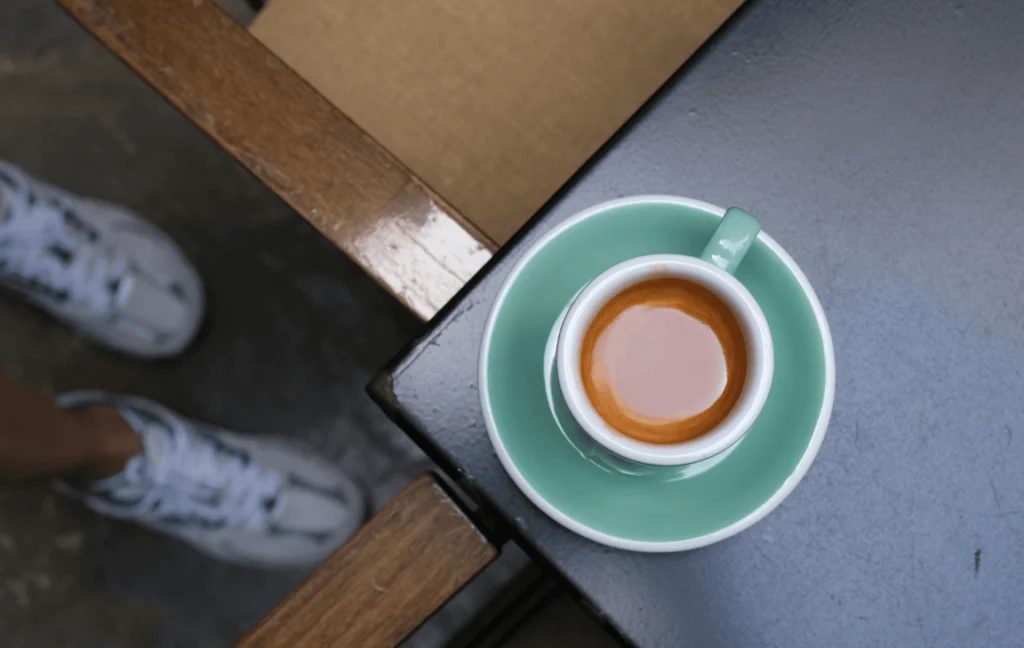
The traditional corporate model prioritizes the "hustle," often characterized by rushed mornings and immediate engagement with digital stressors. A "slow morning" represents a rejection of this urgency. It allows for reflection, meditation, or connection before the demands of the day take over. This luxury is a byproduct of boundaries and the refusal to let external agendas dictate one’s internal state.

5. The Luxury of Meaningful Work
The "Great Resignation" and the "Quiet Quitting" phenomena highlighted a global shift in workplace expectations. Workers are no longer satisfied with a paycheck alone; they seek alignment between their labor and their values. Meaningful work provides a sense of purpose and contribution to the greater good. According to Gallup’s "State of the Global Workplace" report, only 23% of employees are engaged at work, making the experience of "meaningful work" a true luxury for the minority.
6. The Luxury of a House Full of Love
Social capital is perhaps the most significant predictor of long-term happiness. The Harvard Study of Adult Development, one of the world’s longest studies of adult life, concluded that strong relationships are the most important factor in health and happiness. In an era of rising loneliness and social fragmentation, a stable, loving domestic environment is a luxury that provides a psychological safety net that no amount of money can replicate.
Supporting Data and Economic Indicators
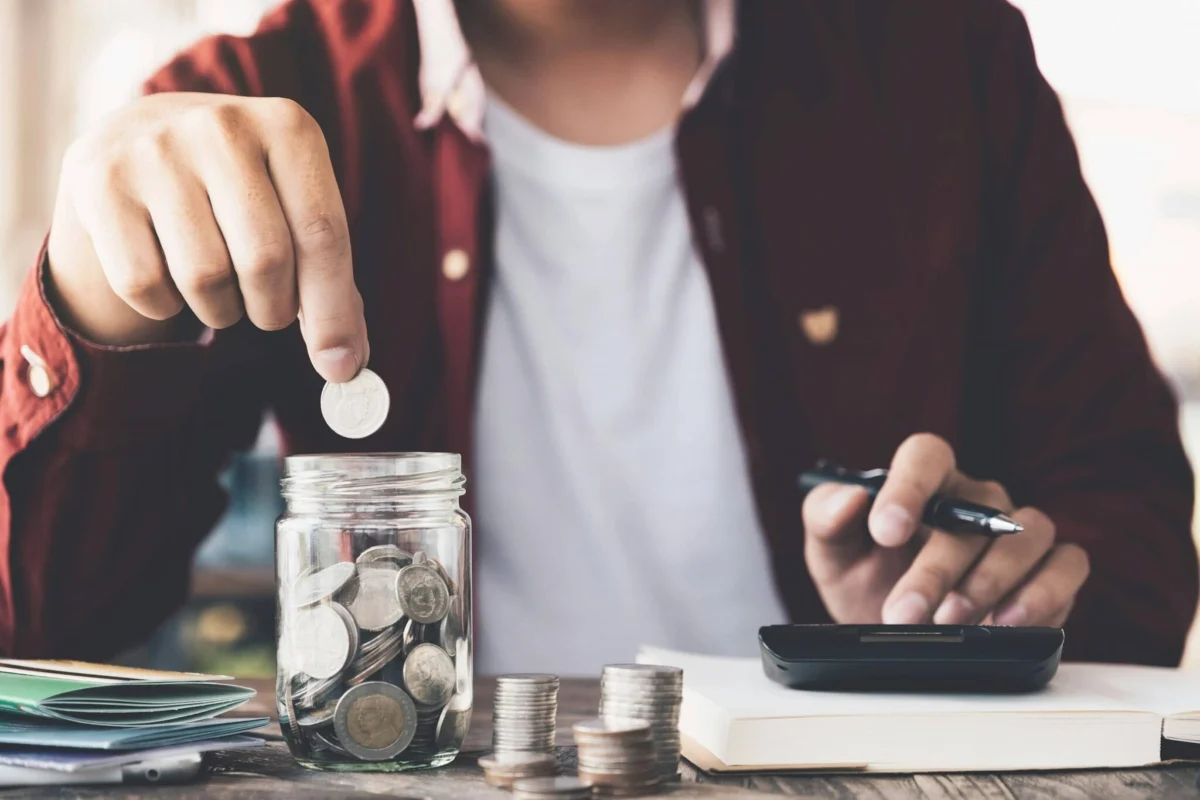
The shift toward these intangible luxuries is reflected in changing consumer habits. Market research indicates that "conspicuous consumption" is being replaced by "inconspicuous consumption." High-net-worth individuals are spending less on visible luxury goods (like jewelry or cars) and more on "human capital" investments, such as education, health, and privacy.
A report by Deloitte on consumer trends found that 55% of respondents would prefer to spend money on an experience rather than a physical product. Furthermore, the "wellness economy"—which encompasses many aspects of health and mental clarity—is now valued at over $5.6 trillion globally, growing at a rate faster than the global GDP. This suggests that while the luxuries themselves cannot be bought, people are increasingly willing to invest in environments and services that facilitate their attainment.
Institutional and Corporate Responses
The recognition of these six luxuries has prompted responses from various sectors of society.
- Corporate Policy: Forward-thinking companies are implementing four-day work weeks and "no-email" weekends to give employees back their time and mental peace.
- Urban Planning: Cities are being redesigned with "15-minute" concepts to reduce commute times and promote physical health through walkable infrastructure.
- The Wellness Industry: There is a surge in "digital detox" retreats and mindfulness apps, catering to the demand for a quiet mind.
However, critics argue that these luxuries are still gated by socio-economic status. For a low-wage worker holding multiple jobs, "slow mornings" or "meaningful work" may feel like an impossibility. Thus, the pursuit of these luxuries is not just an individual choice but a systemic challenge that requires broader economic shifts to make them accessible to all.
Broader Implications and Future Outlook
The redefinition of luxury from "store-bought" to "self-built" has profound implications for the global economy. As more individuals adopt minimalist philosophies and prioritize intangible goods, traditional retail and manufacturing sectors may face a decline in demand for non-essential items. Conversely, sectors that support health, time-management, and community-building are expected to thrive.
Furthermore, this shift represents a move toward a more sustainable future. Material luxury often carries a high environmental cost, from resource extraction to carbon-heavy supply chains. Intangible luxuries, by contrast, have a negligible ecological footprint. A "quiet mind" or "meaningful work" does not require the depletion of natural resources.
Ultimately, the viral resonance of the "six luxuries" list serves as a collective reminder of human priorities. While the world will always offer "counterfeit" versions of abundance through marketing and consumerism, the truest forms of luxury remain those that are cultivated through intentional living. As society continues to navigate the complexities of the 21st century, the ability to build a life rich in meaning, rather than a life rich in things, will likely remain the ultimate status symbol. The greatest luxuries in life cannot be bought at a store; they are built through thoughtful, intentional decisions, one day at a time.