rifanmuazin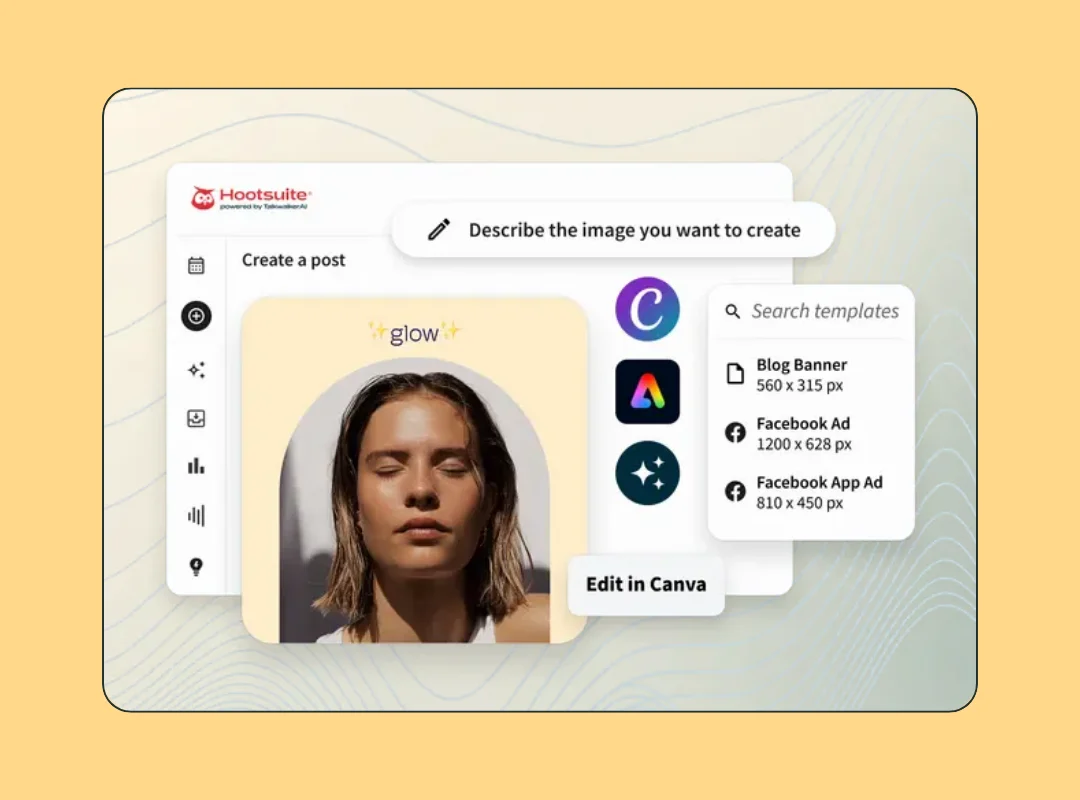
The modern business landscape, particularly for solo entrepreneurs and small to medium-sized enterprises, increasingly demands a sophisticated approach to digital presence. A common observation among successful figures in this sphere is the development of a "smooth machine of processes that hum along in the background." This analogy perfectly encapsulates the strategic adoption of social media automation – a critical differentiator for individuals and organizations juggling diverse responsibilities, from client work and content creation to personal life. Social media, once a manual and often time-consuming endeavor, has evolved into a highly automated ecosystem, allowing businesses to maintain a robust online presence without being buried in administrative overhead.
Understanding Social Media Automation: An Evolving Imperative

Social media automation leverages specialized software to handle repetitive tasks that would otherwise require significant manual effort. This goes far beyond simply scheduling posts; it encompasses a spectrum of capabilities including real-time performance tracking, brand mention monitoring, content recycling, and even generative AI-powered content drafting. For a solo business owner managing client work, creating resources, and raising a family, the ability to publish consistently across multiple platforms like LinkedIn, Threads, Bluesky, and Instagram without constant manual intervention is not just a convenience, but a strategic necessity.
The benefits of this shift are manifold and tangible. Firstly, automation drives unparalleled efficiency, freeing up valuable human capital to focus on strategic planning, creative ideation, and genuine audience engagement. Secondly, it ensures consistency in brand messaging and posting frequency, which is crucial for building and maintaining audience trust and algorithmic favor. Thirdly, it provides data-driven insights through integrated analytics, allowing for continuous optimization of content strategy. According to recent industry reports, businesses utilizing social media automation can save upwards of 10-20 hours per week on routine tasks, translating directly into improved productivity and a higher return on investment (ROI) for their digital marketing efforts. The global social media management market, valued at over $17 billion in 2023, is projected to reach nearly $50 billion by 2032, underscoring the growing reliance on these sophisticated tools.
The evolution of social media automation can be viewed in two distinct but interconnected layers. The first layer involves automation within a dedicated social media tool, handling tasks like scheduling, performance tracking, AI-assisted content generation, and unified inbox management. The second, more advanced layer, focuses on automation outside these core tools, creating seamless workflows between various applications a business relies on, thereby forming a truly integrated "smooth machine."
The 2026 Landscape: Leading Social Media Automation Tools
The market for social media automation tools is dynamic and diverse, offering solutions tailored to various needs, from individual creators to large enterprises. These tools are typically evaluated based on their automation depth, AI capabilities, and user-friendliness. The following nine platforms stand out for their comprehensive offerings in 2026:
1. Buffer: The Solopreneur’s Ally
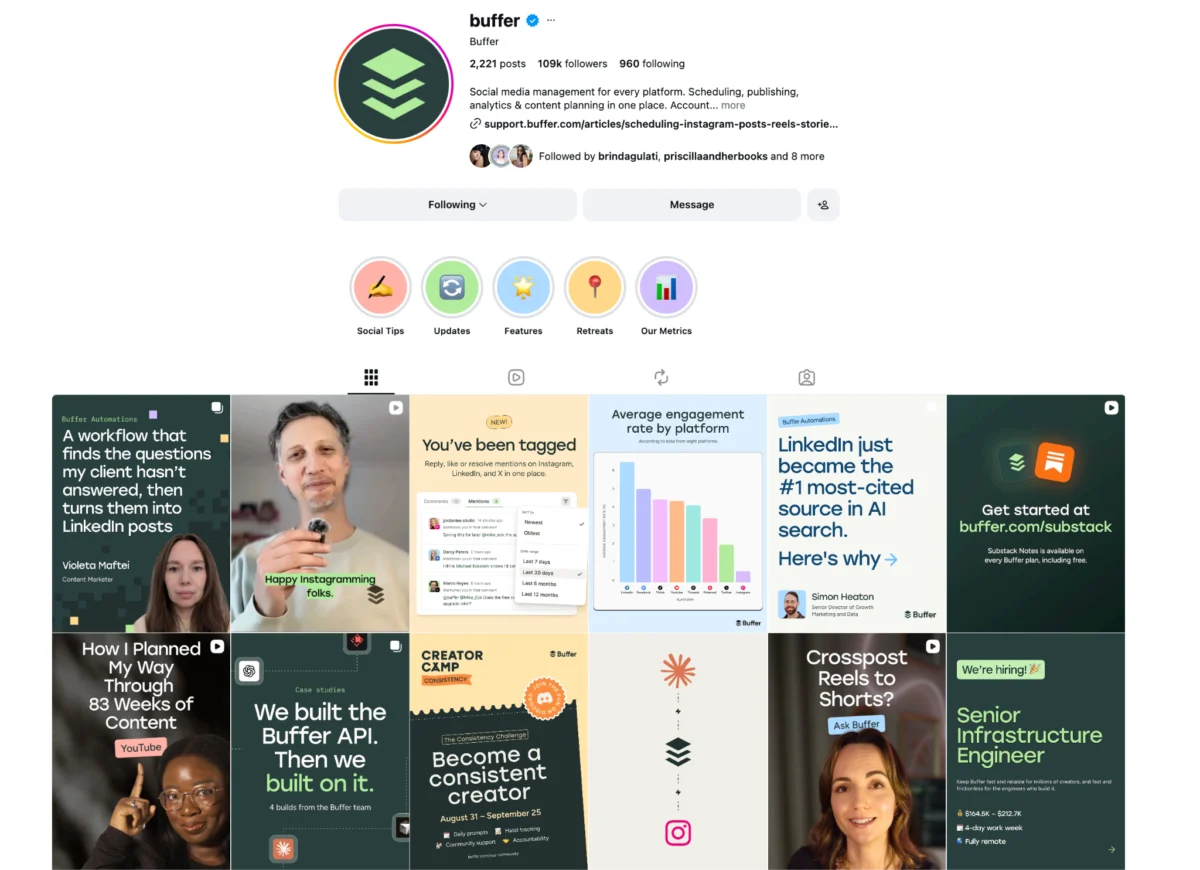
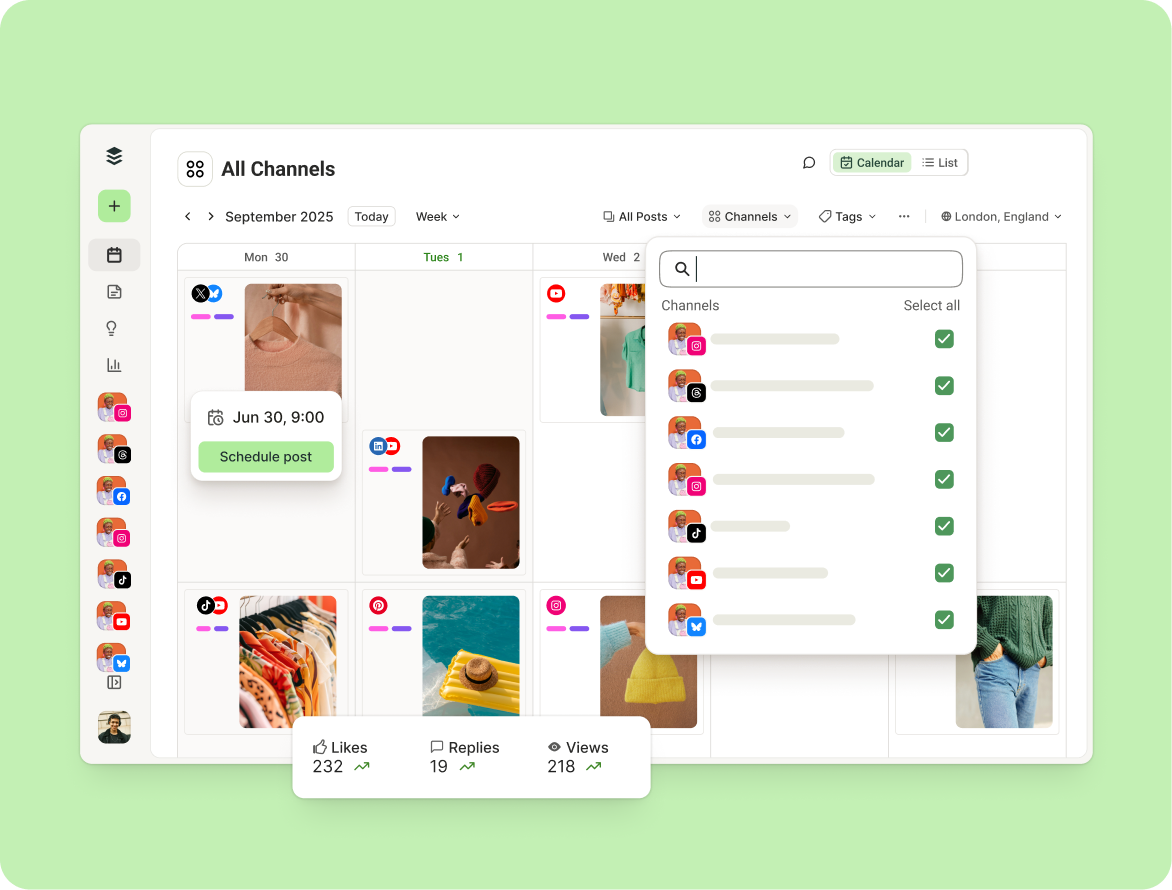
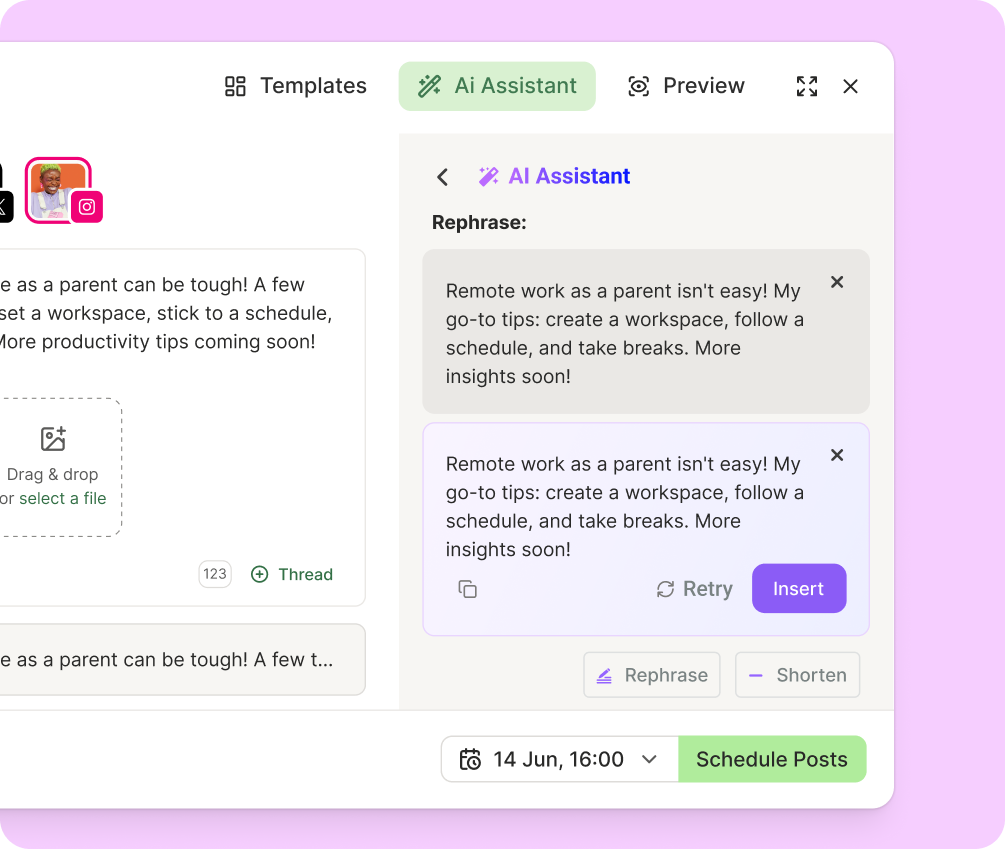
Buffer has long been lauded for its intuitive interface and accessibility, making it a favorite among solo creators, freelancers, and small businesses. Its robust automation options span from basic scheduling to advanced integrations via its API and Model Context Protocol (MCP). Buffer’s AI Assistant aids in caption generation, content rewriting, and brainstorming, while its unified inbox streamlines engagement management. A drag-and-drop content calendar further simplifies planning.
- Best for: Solo creators, freelancers, and small businesses seeking an easy-to-use tool for scheduling, analytics, and engagement.
- Standout Automation: AI assistant for captions, rewriting, and brainstorming; MCP and API for advanced custom workflows.
- Pricing: Free for up to 3 channels (10 posts each); Essentials: $6/channel/month; Team: $12/channel/month.
- What works: Exceptional ease of use, robust scheduling, integrated AI, and a clear analytics dashboard.
- Worth knowing: While powerful for its target audience, larger teams might seek more extensive features like advanced social listening or CRM integrations.
2. Hootsuite: Enterprise-Grade Command Center
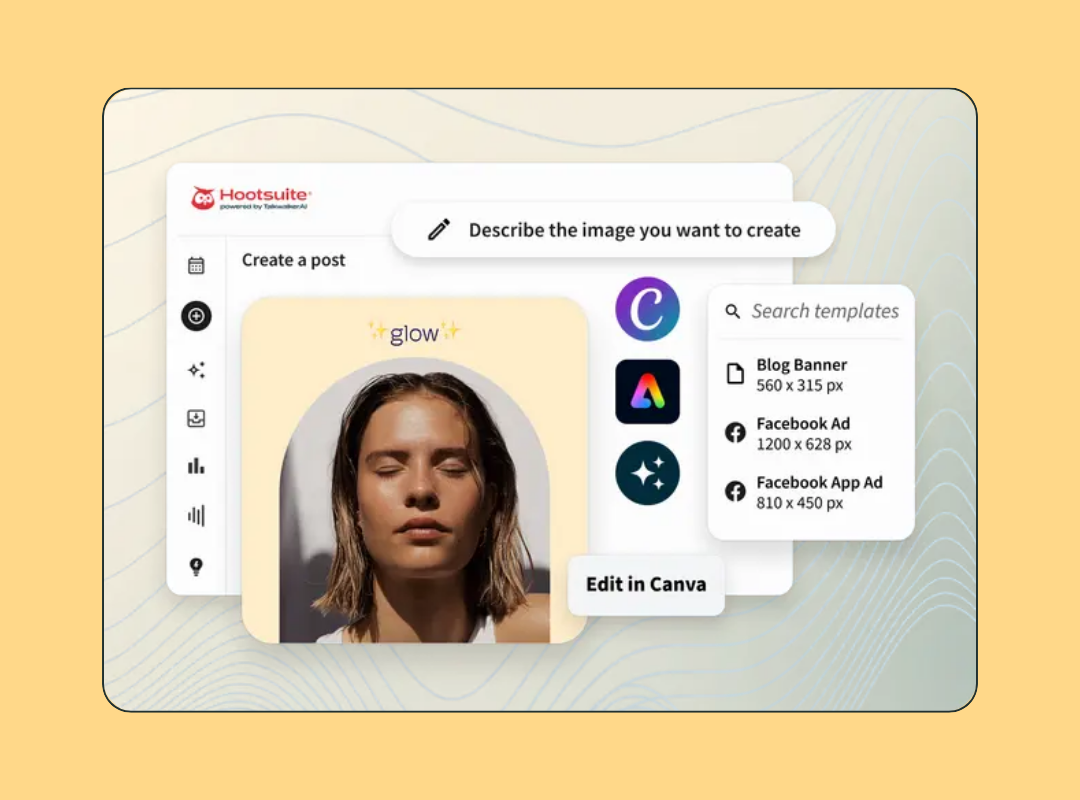
A veteran in the social media management space, Hootsuite offers a feature-rich platform designed for mid-size to enterprise teams managing numerous accounts across various departments. It excels in complex approval workflows, sophisticated reporting, and advanced social listening. Its AI capabilities include an image generator and intelligent content suggestions, complementing its robust scheduling and analytics.
- Best for: Mid-size to enterprise teams managing 10+ social accounts requiring advanced listening, analytics, and team collaboration.
- Standout Automation: DM automation and smart replies, AI image generation, and robust content suggestion engine.
- Pricing: Starts at $99/month for 1 user/10 accounts; Team plan: $249/month for 3 users. No free plan.
- What works: Comprehensive features, strong for large-scale operations, extensive third-party integrations.
- Worth knowing: Can be overwhelming for smaller teams due to its extensive feature set and higher price point.
3. Sprout Social: The Analytics Powerhouse
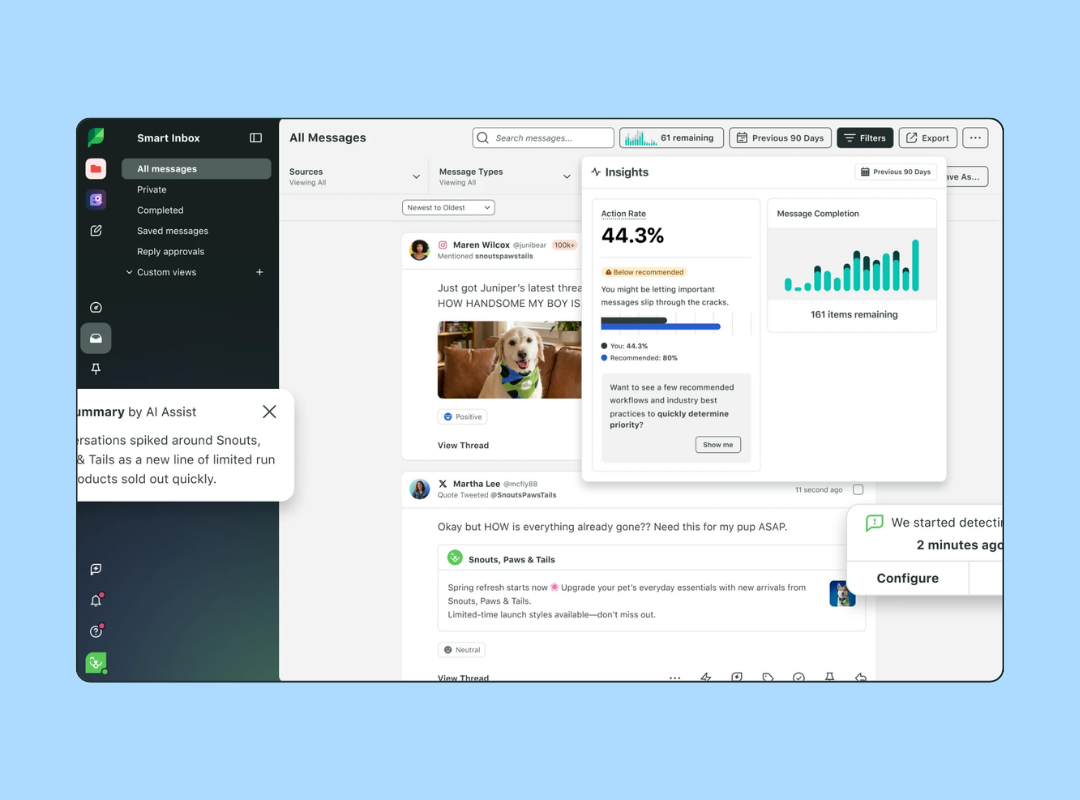
Sprout Social is built for data-driven marketing teams and agencies, offering unparalleled analytics, audience insights, and customizable dashboards. Its focus on reporting and integration with CRM systems like Salesforce and HubSpot makes it ideal for businesses where every social media action is tied to broader business objectives. The Smart Inbox, enhanced with AI Assist, provides conversation summaries and action rate insights.
- Best for: Marketing teams and agencies prioritizing advanced analytics, custom reporting, and CRM integrations.
- Standout Automation: Chatbot for automated conversations, AI Assist for inbox management, and deep audience insights.
- Pricing: Starts at $99/user/month.
- What works: Industry-leading analytics, robust reporting, excellent customer support, strong collaboration features.
- Worth knowing: Its premium features come with a higher price tag, potentially putting it out of reach for very small businesses.
4. Later: Visual Content Champion
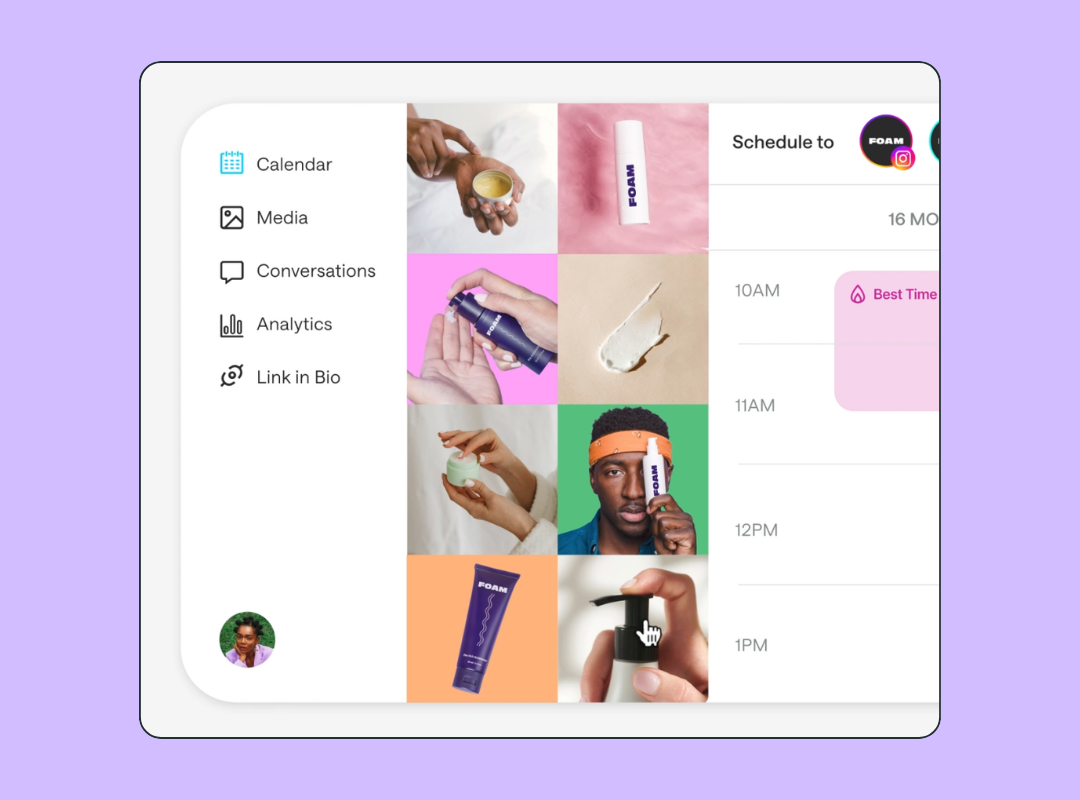
Originating as an Instagram-first scheduler, Later has expanded to support all major visual platforms, including TikTok and Pinterest. It offers a highly visual, drag-and-drop content calendar and a feed planner, making it ideal for creators and brands focused on aesthetic consistency. Its AI video clipping feature is particularly useful for repurposing long-form content.
- Best for: Creators and small businesses focused on visual platforms who need a clean scheduling and planning experience.
- Standout Automation: AI video clipping for repurposing, "Best Time to Post" suggestions, and visual content planning.
- Pricing: Starts at $25/month.
- What works: Excellent visual planning tools, strong Instagram and TikTok integration, user-friendly interface.
- Worth knowing: While it has expanded, its core strength remains visual content, and its text-based automation might not be as deep as other platforms.
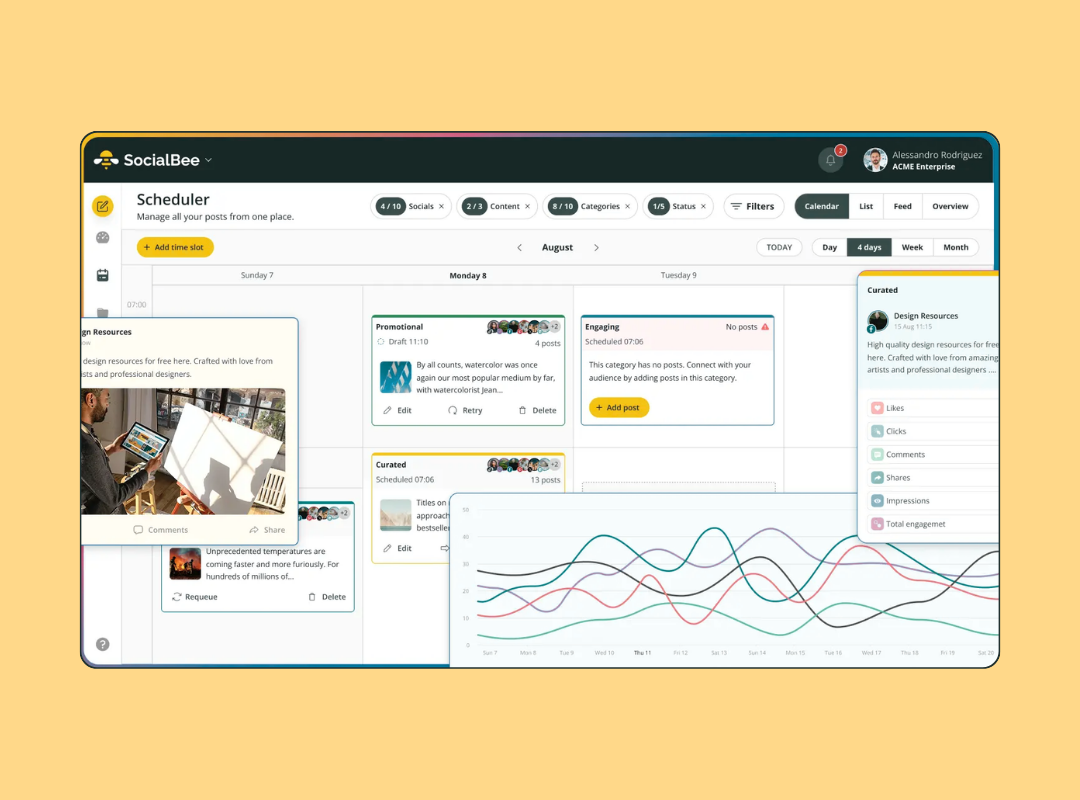
5. SocialBee: Content Strategy Orchestrator
SocialBee is designed for content-heavy strategies, enabling users to organize posts into categories (educational, promotional, curated) with distinct publishing cadences. Its standout feature is evergreen content recycling, which automatically reshapes top-performing posts on a rotation, ensuring continuous engagement without manual effort. The AI Copilot assists in developing comprehensive content strategies.
- Best for: Solo marketers, coaches, and businesses with content-heavy strategies that benefit from a balanced feed and evergreen content recycling.
- Standout Automation: AI Copilot for content strategy, evergreen content recycling, and content categorization.
- Pricing: Starts at $29/month for 5 profiles.
- What works: Strong content organization, effective evergreen content management, valuable AI strategy assistance.
- Worth knowing: Interface might take some getting used to due to its detailed categorization system.
6. Sendible: The Agency’s White-Label Solution
Sendible caters specifically to agencies managing multiple client accounts. It offers a fully white-label setup, allowing agencies to brand the dashboard with their own colors, logo, and custom domain. Its Client Connect feature provides secure portals for clients to log in and approve content without sharing credentials, enhancing collaboration and security. AI-assisted content generation further streamlines the creation process.
- Best for: Agencies managing multiple client accounts requiring white-label dashboards, client portals, and scalable pricing.
- Standout Automation: AI-assisted content generation, white-labeling, and client collaboration portals.
- Pricing: Starts at $29/month for one user/six social profiles.
- What works: Agency-focused features, robust reporting, good for scaling client operations.
- Worth knowing: Some users report a steeper learning curve compared to more simplified platforms.
7. Loomly: Collaborative Content Hub
Loomly strikes a balance between structure and simplicity, focusing on social media content creation, collaboration, and publishing. Its clean content calendar integrates approval workflows, making it ideal for small to mid-size teams that require structured content review processes. Post optimization tips and audience targeting features enhance content effectiveness.
- Best for: Small to mid-size teams needing content approval workflows and a visual calendar for collaborative content creation.
- Standout Automation: Approval workflows, post optimization tips, and content idea generation.
- Pricing: Paid plans start at $65/month for three users.
- What works: Excellent for team collaboration and content approval, intuitive calendar view, good for maintaining brand consistency.
- Worth knowing: Lacks some of the advanced social listening or deeper analytics found in higher-tier enterprise tools.
8. Agorapulse: Inbox Management Master
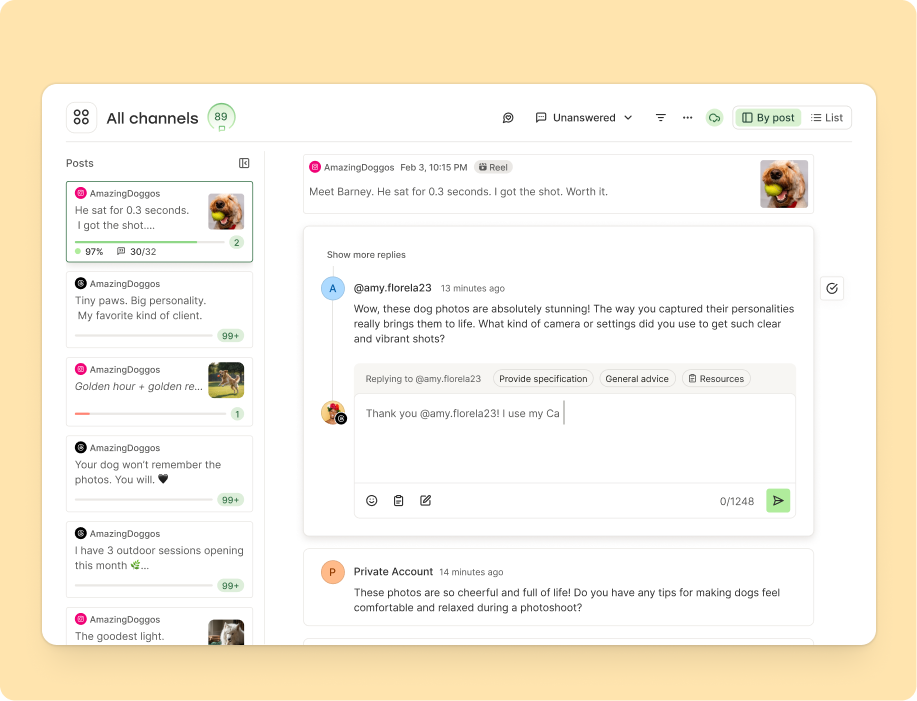
Agorapulse integrates scheduling, a unified social inbox, social listening, and reporting into a single platform. Its social inbox is particularly powerful, combining comments, DMs, and mentions across all platforms into one view, with assignment, tagging, and saved replies to streamline engagement. This makes it a strong choice for teams with high interaction volumes.
- Best for: Growing social media teams and agencies that prioritize efficient inbox management and customer engagement.
- Standout Automation: Unified social inbox with assignment and saved replies, automated social listening for brand mentions.
- Pricing: Starts at $99/month per user.
- What works: Superb inbox management, robust social listening, comprehensive reporting.
- Worth knowing: Can be pricier for individual users or very small teams compared to basic scheduling tools.
9. Publer: Budget-Friendly Broadcaster
Publer offers an affordable solution for auto-posting with a generous free plan, making it attractive to budget-conscious creators and small businesses. It provides bulk scheduling, content recycling, and AI-powered captions on its Business tier. Its wide platform coverage, including lesser-common networks, is a significant advantage for those seeking broad reach.
- Best for: Budget-conscious creators and small businesses needing content scheduling across many platforms.
- Standout Automation: Re-share evergreen content, AI-powered captions (Business tier), and wide platform coverage.
- Pricing: Professional: $5/month for 1 account; Free plan available (excludes X).
- What works: Highly affordable, extensive platform support, good for basic automation needs.
- Worth knowing: Advanced analytics and collaborative features are not as deep as more expensive platforms.
Beyond Core Tools: Elevating Automation to the Next Level
While the dedicated social media tools listed above handle fundamental tasks, achieving a truly "humming" content engine requires integrating them with other business applications. This advanced layer of automation minimizes manual copying and pasting, maximizes content repurposing, and allows for highly customized AI workflows.
Workflow Automation Tools (e.g., Zapier, Make, n8n, Gumloop):
These tools act as the central nervous system, connecting disparate applications. They operate on an "if-then" logic: "If something happens in one app, take action in another." For instance, a new blog post could trigger an automation via Zapier, which extracts the text, uses AI to draft multiple social media posts, and then sends these drafts to Buffer’s queue for review. This eliminates the need to manually transfer content, significantly accelerating the repurposing process. Other applications include automatically pulling customer testimonials from a project management tool like Asana to create social content, or integrating lead capture forms with CRM and social channels for automated follow-ups.
AI Tools for Content Drafting (e.g., Claude, ChatGPT, Gemini):
While many social media tools now embed AI, standalone generative AI platforms offer unparalleled flexibility in content creation. They allow users to operate outside the constraints of a single social media tool and draw from diverse source materials. For example, a podcaster could feed interview transcripts into Claude, instructing it to generate tailored LinkedIn and Threads posts based on their conversation, complete with specific voice and tone guidelines. This approach leverages existing intellectual property to create fresh social content, drastically reducing the need to write from scratch and ensuring authenticity by reflecting the speaker’s actual words and personality.
Model Context Protocol (MCP) & Custom Integrations (Buffer API):
For deeper integration and bespoke solutions, tools like Buffer offer advanced protocols. The Model Context Protocol (MCP) allows direct integration of AI tools (like Claude or ChatGPT) with a social media account. This means users can generate posts within an AI conversation and then directly schedule them to Buffer, specifying platforms and tags. This closes the automation loop, creating a fully autonomous drafting and queuing process that still allows for human review.
The Buffer API, on the other hand, is designed for developers to build truly custom integrations. It enables programmatic interaction with Buffer’s publishing, scheduling, and analytics functionalities. This is ideal for technically proficient teams or larger organizations with unique needs, allowing them to embed social media management deeply into their existing systems or create highly specialized workflows not available through off-the-shelf connectors. For instance, a development team could create a custom script that monitors specific internal databases for updates and automatically generates and schedules relevant social media announcements.
The Indispensable Human Element: What Should Never Be Automated
While social media automation is transformative, it is crucial to recognize its limitations and the enduring importance of the human touch. The goal is to streamline tasks, not to outsource genuine human interaction. Certain aspects of social media management must always remain within human purview:
- Personalized Direct Messages (DMs): While AI can assist with initial replies or frequently asked questions, truly personalized DMs that build relationships and address specific customer needs require human empathy and judgment.
- Responses to Complaints or Crises: Navigating sensitive customer feedback or public relations crises demands nuanced understanding, strategic thinking, and emotional intelligence that AI currently cannot replicate. Automated responses in such scenarios can exacerbate negative sentiment.
- Genuine Community Conversations: Fostering a vibrant online community relies on authentic interaction, thoughtful engagement, and the ability to adapt to dynamic discussions. AI can provide prompts or summaries, but it cannot authentically participate in or lead these conversations.
- Final Editorial Judgment: Even with advanced AI drafting, human editing remains paramount. AI-generated content, while often sophisticated, can sometimes lack nuance, originality, or alignment with a brand’s precise voice and tone. Human judgment is essential to refine, personalize, and ensure the content truly resonates with the target audience and adheres to ethical guidelines.
Industry Outlook and Future Implications
The trajectory of social media automation points towards increasingly sophisticated AI integration, predictive analytics, and hyper-personalization. As AI models become more adept at understanding context and generating creative content, the line between human and machine contribution will continue to blur, making the human editor’s role even more critical. The future will likely see more seamless interoperability between tools, with blockchain technology potentially playing a role in verifying content authenticity and ownership. Marketers will need to evolve, shifting from manual executors to strategic orchestrators, skilled in prompt engineering, AI ethics, and data interpretation.

In conclusion, the strategic adoption of social media automation is no longer an option but a competitive necessity. By intelligently leveraging a combination of core social media management platforms and advanced workflow tools, businesses can create efficient content engines that hum along in the background. However, the true mastery lies in understanding where to draw the line – automating the repetitive to free up time for the strategic and the genuinely human, ensuring that while the machine runs smoothly, the heart of the brand continues to beat with authentic connection.