rifanmuazin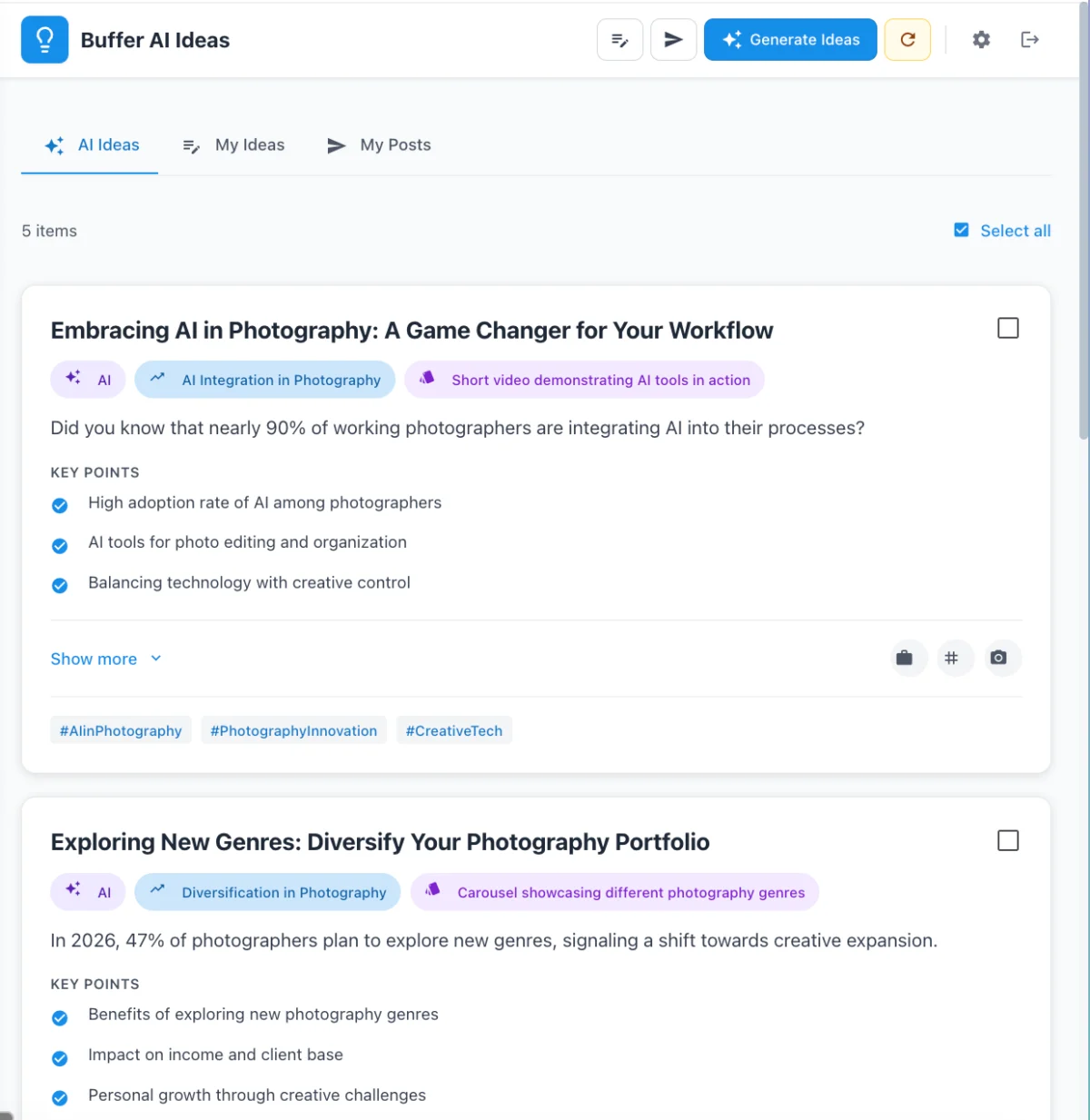
A full-stack engineer, frustrated by the persistent challenge of content ideation for his professional LinkedIn posts, has developed an innovative web application named the "Buffer Ideas Extension." This custom tool integrates seamlessly with Buffer’s social media management platform, offering a highly personalized and trend-aware approach to generating structured content ideas, thereby streamlining the workflow for professionals seeking to maintain an active and relevant online presence. The initiative highlights a growing trend among developers to leverage APIs and AI to solve specific workflow inefficiencies, transforming personal pain points into practical, scalable solutions.

The Persistent Challenge of Content Ideation
For many professionals, particularly those in fast-evolving fields like engineering, maintaining a consistent and engaging presence on platforms like LinkedIn is crucial for personal branding, networking, and thought leadership. Tools like Buffer are invaluable for scheduling and publishing, ensuring content reaches audiences at optimal times. However, as the engineer behind the Buffer Ideas Extension observed, the initial hurdle of what to post often remains a significant bottleneck. He described a common scenario: opening Buffer’s "Create Space" only to be met with a daunting blank screen, leading to a cycle of indecision despite an abundance of potential topics.
This phenomenon, often termed "writer’s block" or "content paralysis," is a widespread issue. Industry reports suggest that content creators spend an average of 4-6 hours per week on content ideation alone, with many citing the struggle to find fresh, relevant angles as a major drain on productivity. Generic content prompts offered by many existing AI tools often fall short because they lack context about the user’s specific niche, audience, or the real-time dynamics of their industry. This disconnect leads to uninspired suggestions that require substantial manual refinement, defeating the purpose of automation. The engineer’s experience mirrored this, finding conventional idea generators offered platitudes like "share a behind-the-scenes look" without grounding them in current industry discourse or personal expertise.
Genesis of a Tailored Solution

Recognizing this critical gap, the engineer embarked on building a solution that would intelligently bridge the chasm between a user’s professional identity and current industry trends. The core concept was elegantly simple yet powerful: what if a content idea generator could first understand who the user is and what they care about, then use that knowledge to conduct real-time research and produce highly relevant, actionable ideas? This personalization was the missing ingredient.
The development process leveraged the engineer’s full-stack expertise. The Buffer Ideas Extension was constructed within an Nx monorepo, utilizing a NestJS backend for robust server-side logic and an Angular 19 frontend for a dynamic and responsive user interface. This modern tech stack provided the necessary flexibility and scalability for the application’s ambitious features. The choice of these technologies underscores a broader trend in software development towards modular, efficient architectures that support rapid iteration and maintainability.
A Personalized Approach to Content Generation
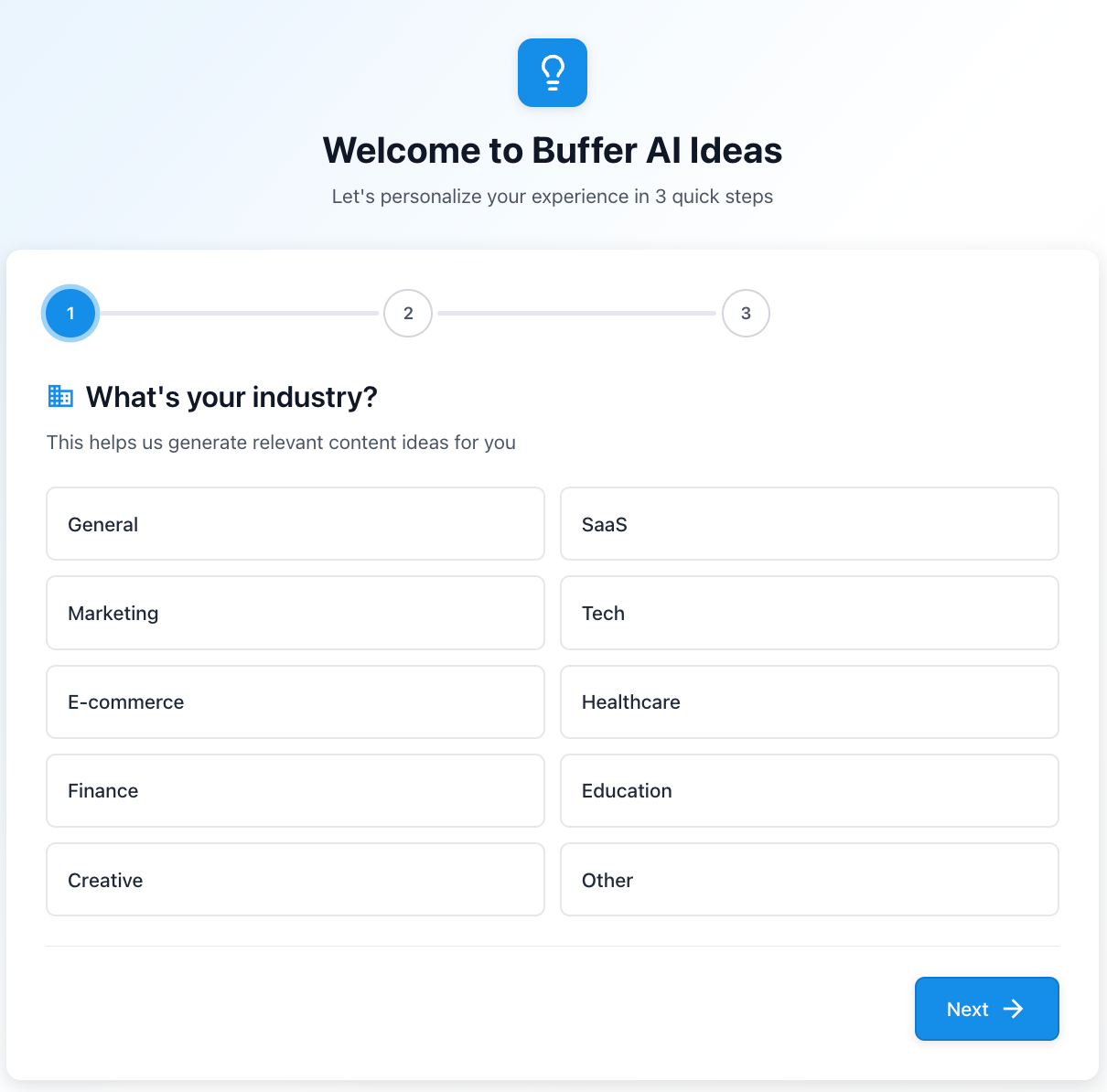
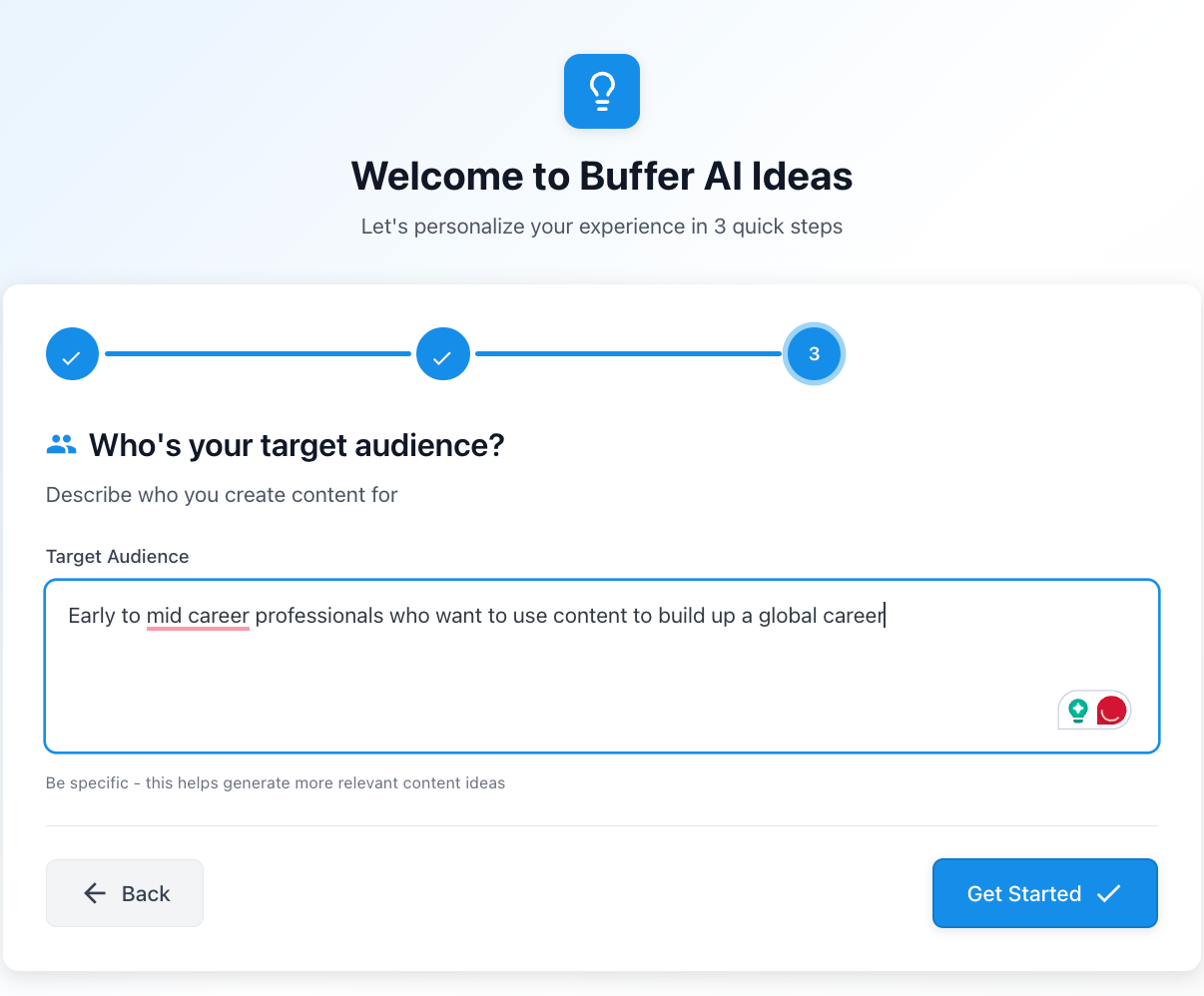
The Buffer Ideas Extension differentiates itself through its initial onboarding and subsequent personalized ideation process. Upon first login, users are prompted with three concise questions: their industry, specific topics of interest, and their target audience. These critical pieces of information are then saved to the user’s profile, forming the contextual bedrock for all future idea generation requests. This foundational data allows the application to move beyond generic prompts and deliver truly tailored suggestions.

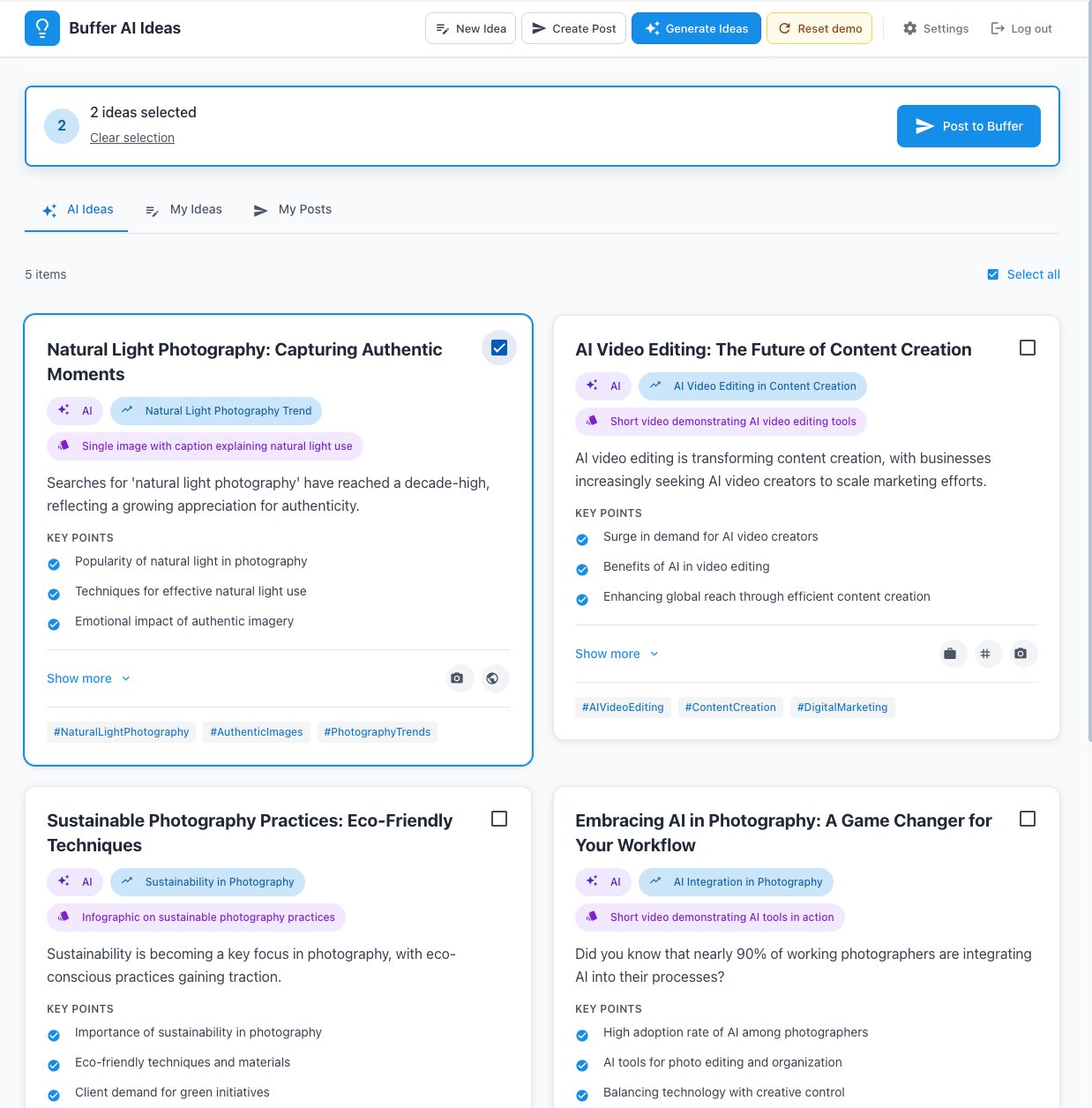
For instance, during a demonstration with Tami from Buffer’s content team, inputting "Creative" as the industry, "photography, writing, and video" as interest areas, and "early-to-mid-career professionals" as the audience resulted in ideas filtered precisely through this lens, grounded in trending topics within the creative space that very week. This bespoke approach ensures that every generated idea resonates with the user’s expertise and their audience’s interests, fostering genuine engagement rather than superficial outreach.
Under the Hood: Real-Time Trending Analysis and Structured Output

The true ingenuity of the Buffer Ideas Extension lies in its intelligent backend operations. When a user clicks "Generate Ideas," the application springs into action, performing a real-time web search for trending topics relevant to the user’s predefined industry and interests from approximately the last 72 hours. This ensures that the generated content ideas are not only personalized but also highly topical and timely, aligning with current conversations and news cycles.
The application leverages a single OpenAI Responses API call per request, critically enabling web search capabilities. To ensure consistency and usability, a strict JSON schema is applied to the output, guaranteeing that each idea is returned in a meticulously structured format. The prompt specifically instructs the AI to identify recent trends and generate five distinct ideas per request, providing a manageable yet diverse set of options.
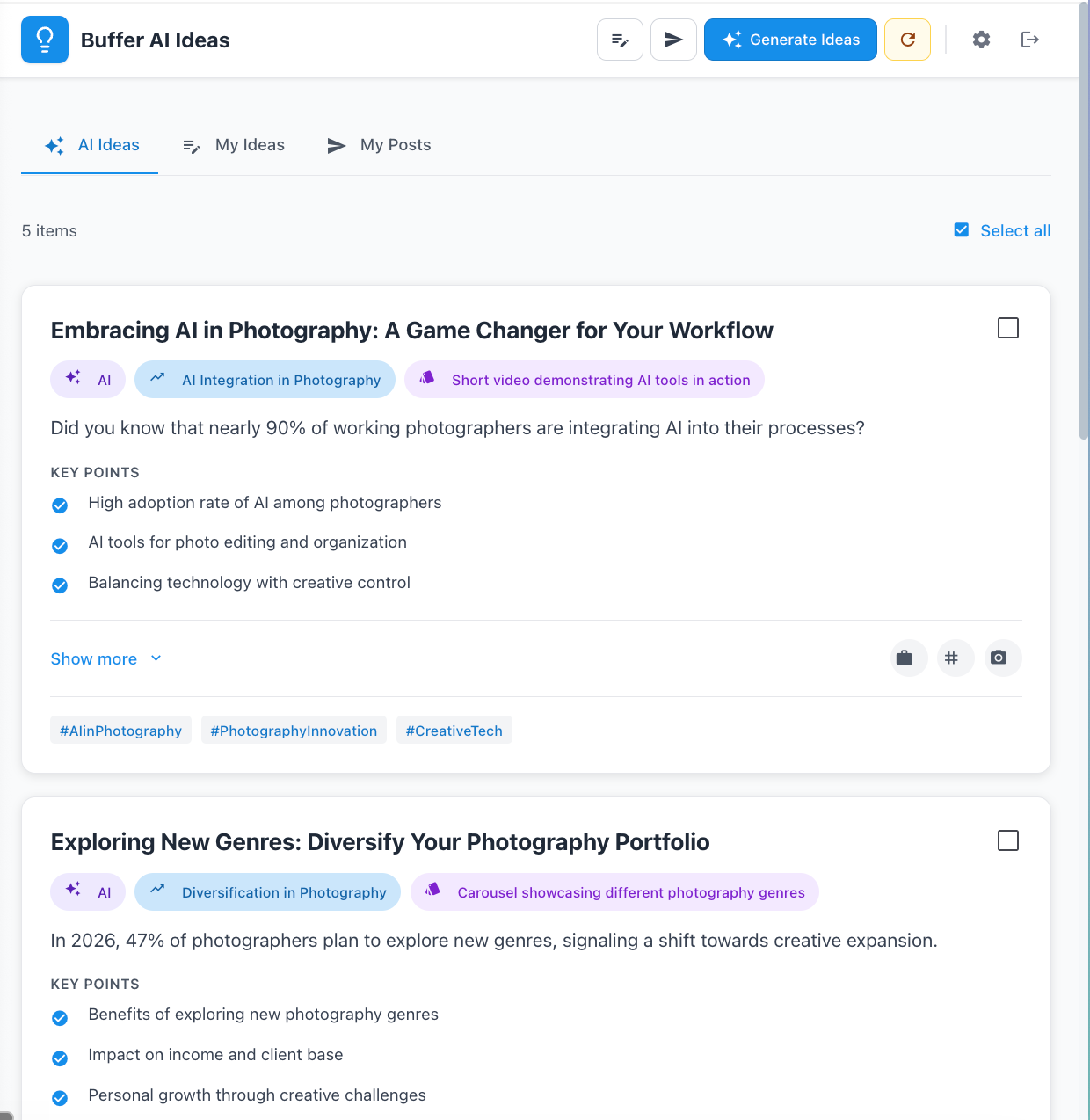
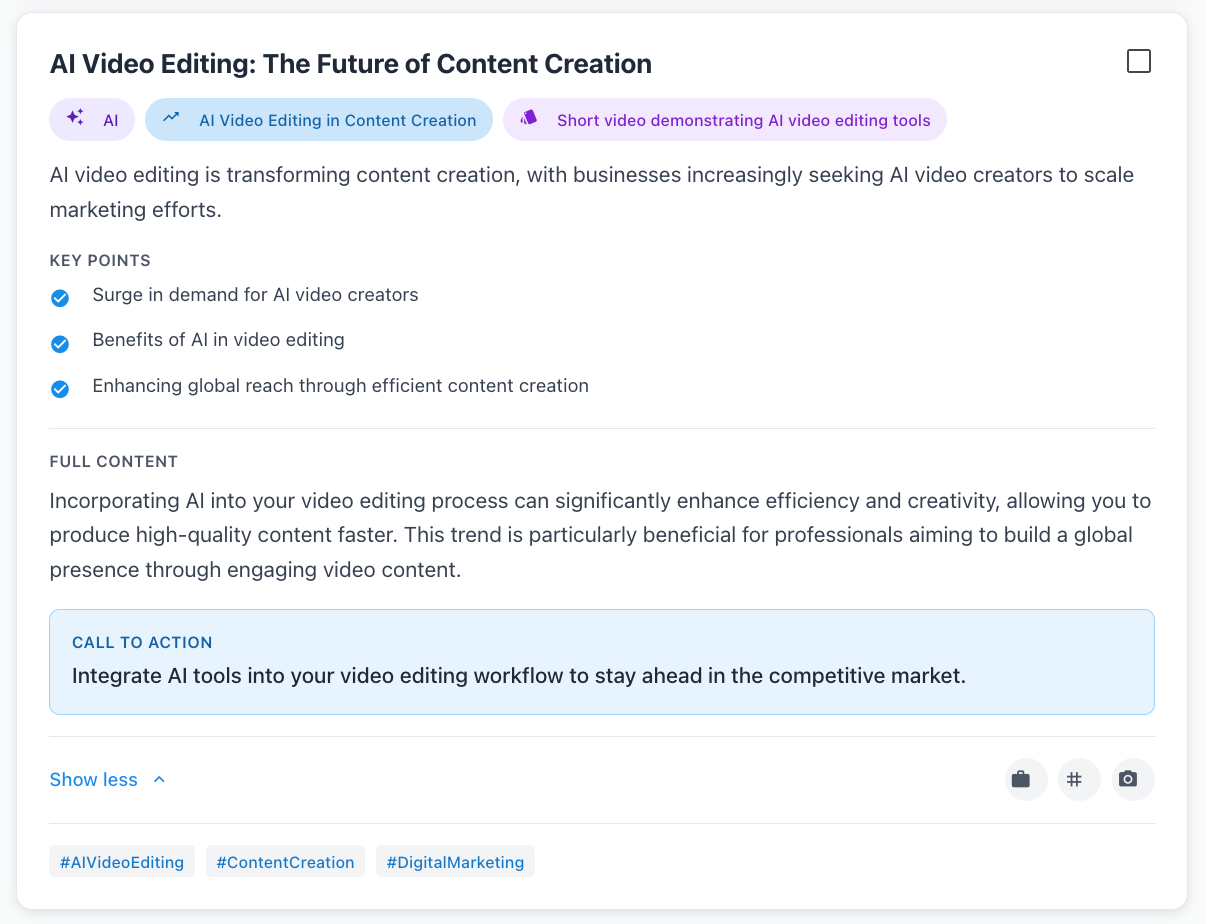
Beyond mere titles, each generated idea is a comprehensive package designed to eliminate the need for further ideation. It includes:
- A compelling title
- An engaging hook
- A detailed body outline with key talking points
- A clear call to action (CTA)
- Relevant hashtags
- A suggested content format (e.g., carousel, long-form post)
- Recommended platforms
- The trending topic it’s tied to
- A source URL for further research, if available
This level of detail transforms a vague concept into a ready-to-draft framework, drastically reducing the time and mental effort required to transform an idea into a publishable post. The engineer also integrated rich text formatting capabilities, allowing users to bold, italicize, add bullet lists, and include links using Unicode. This feature ensures that the visual appeal and readability of posts are maintained across platforms like LinkedIn, where formatting can significantly impact engagement.
Seamless Integration with Buffer’s Ecosystem
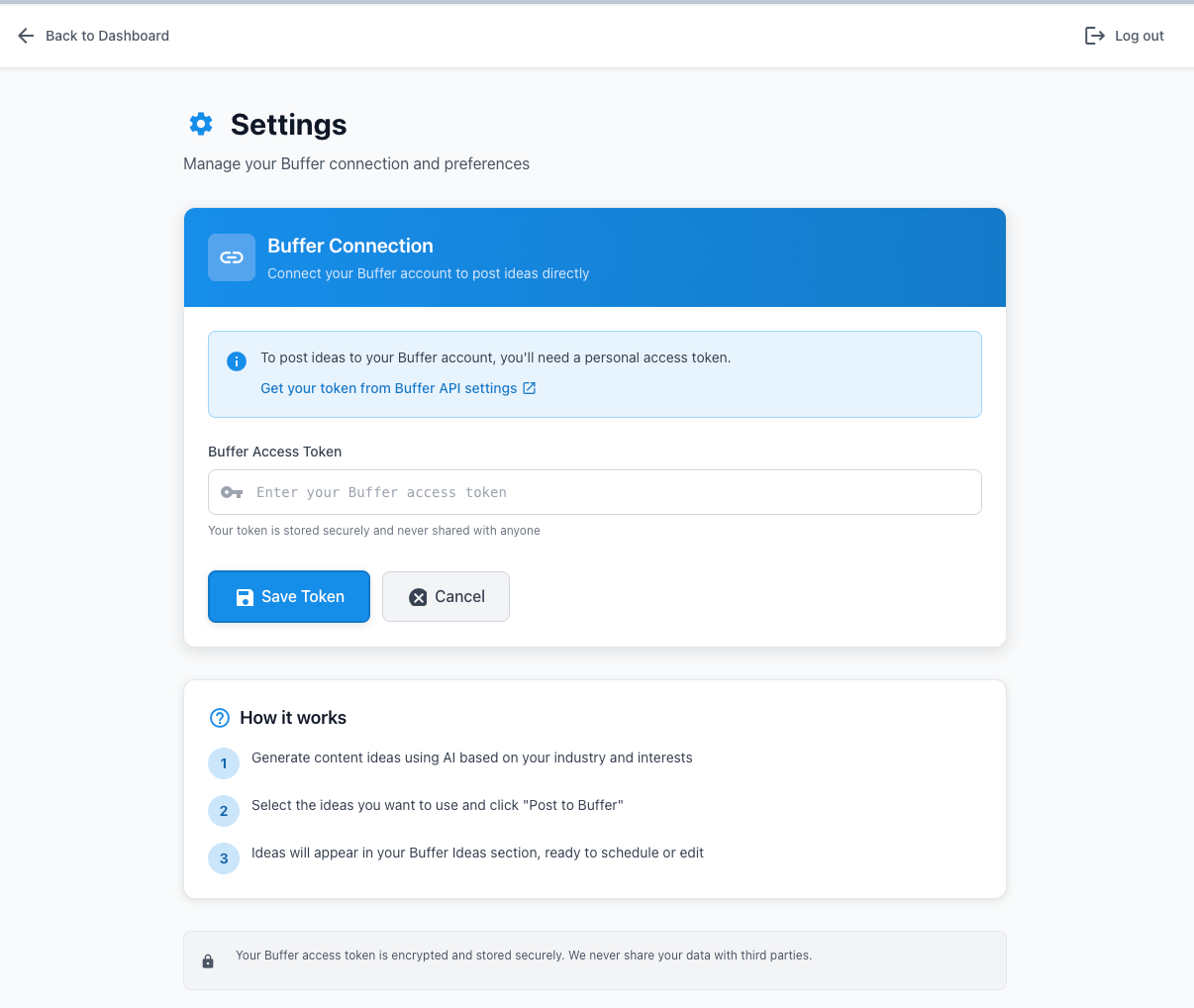
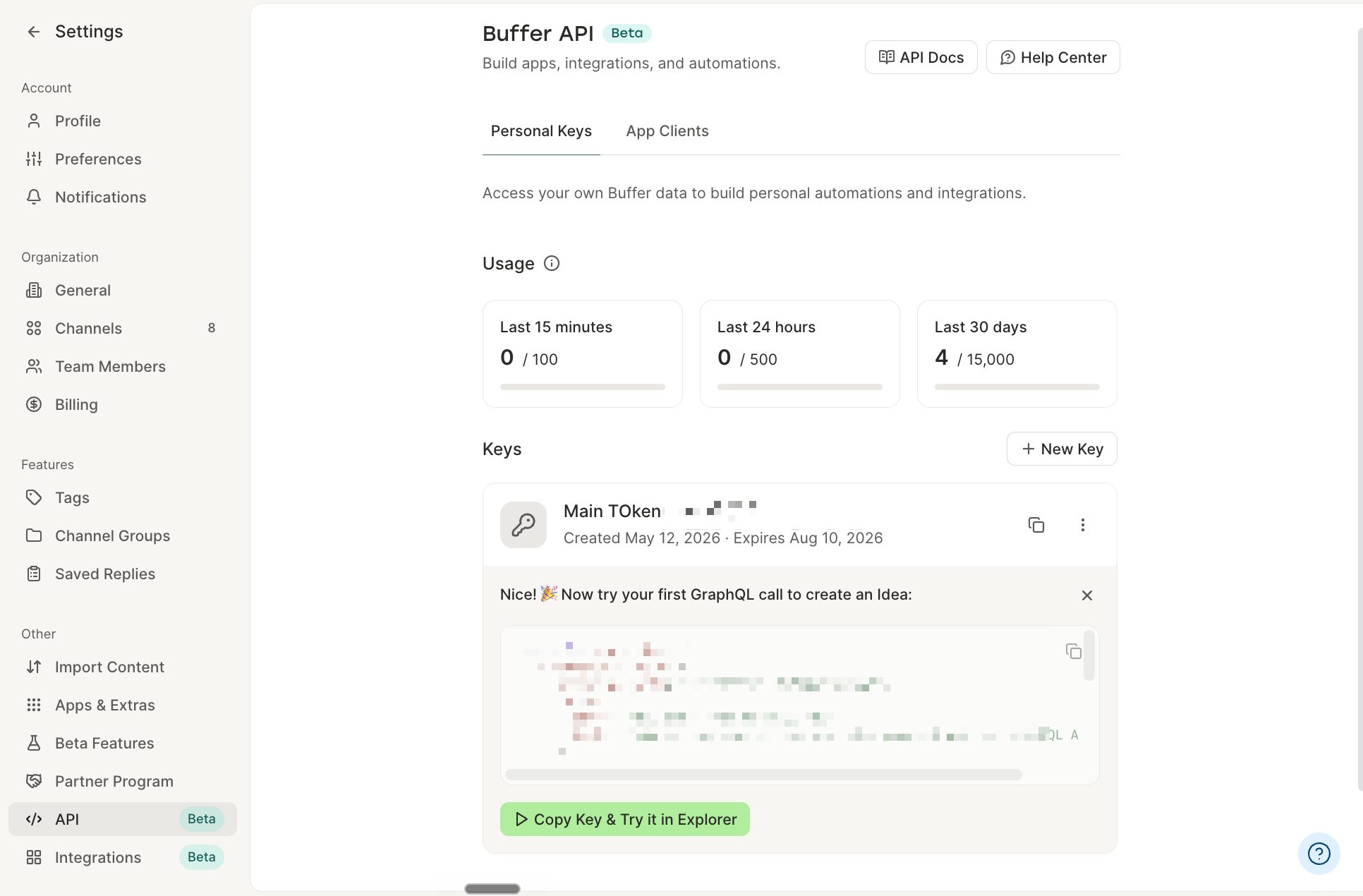
A crucial element in the Buffer Ideas Extension’s workflow enhancement is its direct integration with Buffer’s GraphQL API. The final piece of friction in the content creation process – manually copying and pasting ideas – is eliminated through this connectivity. Users simply input their personal access token from Buffer into the extension’s settings, establishing a secure link.
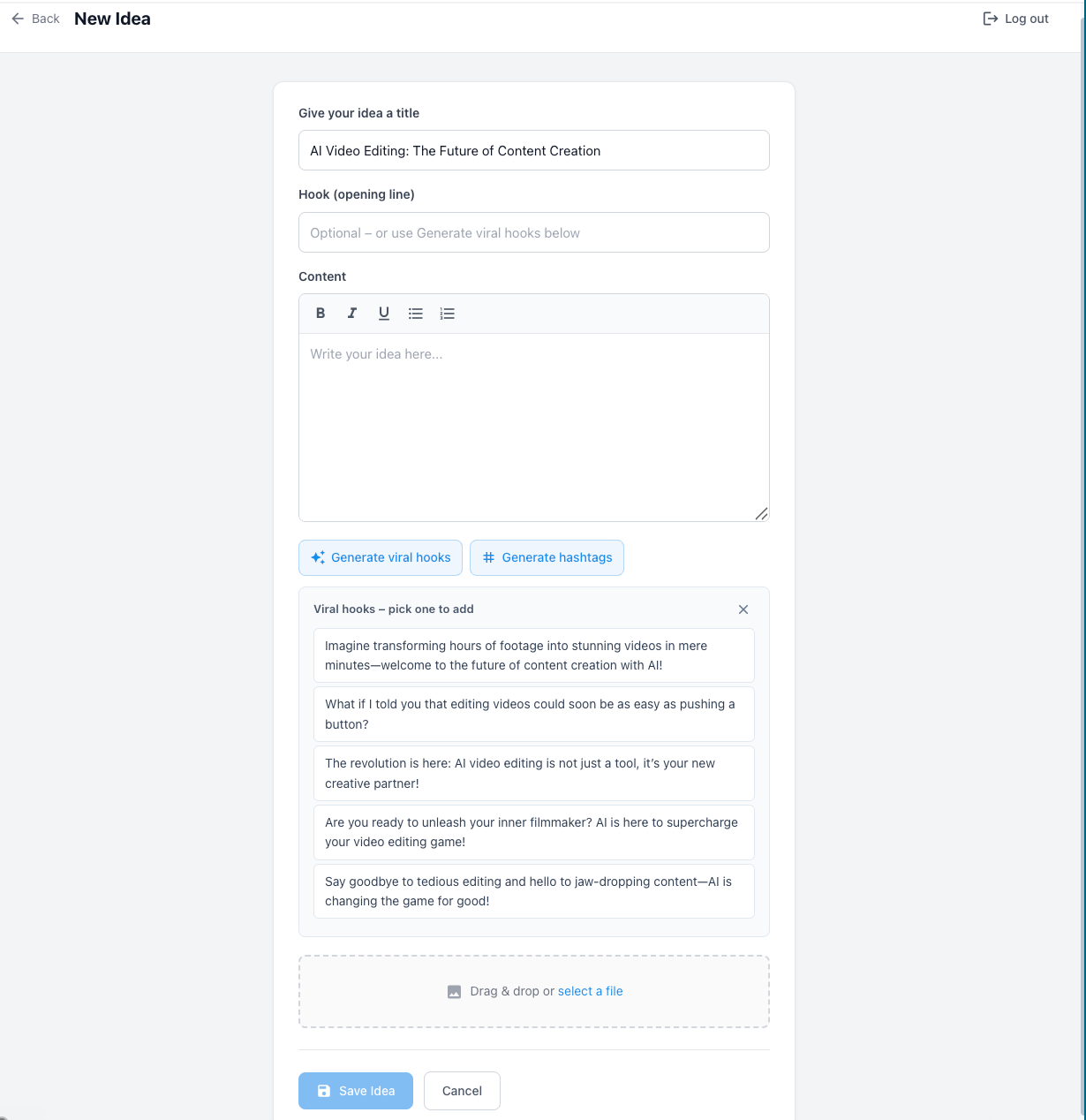
Once connected, users can navigate their personalized dashboard within the extension, select one or more preferred content ideas, and with a single click of "Post to Buffer," these fully structured ideas are directly pushed into their Buffer Create Space. The application intelligently tags ideas that have already been pushed, preventing duplication and maintaining an organized workflow. This integration is not about replacing Buffer but augmenting its functionality, ensuring that users arrive at Buffer’s Create Space with a wealth of pre-vetted, highly relevant content frameworks ready for refinement and scheduling.
Quantifiable Impact and Community Validation
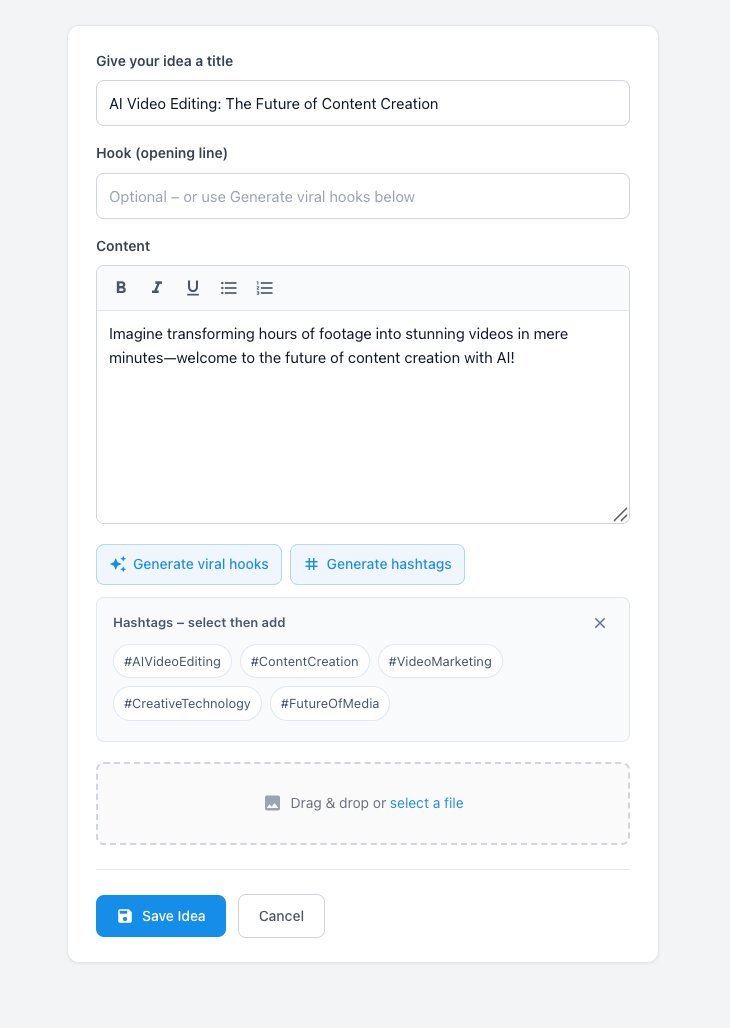
While the engineer did not present quantitative before-and-after metrics, the qualitative shifts in his content creation process are significant. The most immediate improvement was an increased frequency of posting, directly attributed to the reduced friction in ideation. The quality of his posts also saw a notable boost, with the real-time web search component ensuring that content remained current and relevant to ongoing industry discussions. Starting with a structured package – title, hook, talking points, CTA, and hashtags – eliminated the dreaded blank slate and allowed for more efficient drafting.
Beyond personal gains, the Buffer Ideas Extension has garnered significant validation. The positive reception from Buffer’s internal content team, including Tami, underscored the tool’s practical utility. Furthermore, positive feedback from other developers and builders on LinkedIn, coupled with inclusion in Buffer’s community outreach initiatives, confirmed that the problem addressed by the extension resonated widely within the creator and developer communities. This external validation highlights the universal nature of content ideation challenges and the appetite for intelligent, personalized solutions.
Broader Implications for Content Creation and AI-Powered Workflows
The Buffer Ideas Extension is more than just a personal productivity tool; it represents a microcosm of broader trends shaping the future of digital content creation and AI integration into professional workflows. It demonstrates:
- The Power of Personalization in AI: Generic AI models are becoming less effective for specialized tasks. Solutions that learn and adapt to individual user contexts, industries, and audiences are proving to be far more impactful. This signals a shift towards "vertical AI" or "niche AI" applications.
- API-First Ecosystems: Buffer’s robust GraphQL API played a pivotal role in enabling this innovation. Platforms that offer comprehensive and accessible APIs empower their user communities to build custom extensions, fostering a vibrant ecosystem of complementary tools and significantly enhancing user experience. This collaborative approach benefits both the platform and its users.
- Democratization of Custom Solutions: The engineer’s ability to build a sophisticated, personalized tool underscores how modern development stacks and accessible AI APIs are democratizing the creation of custom software. Professionals no longer have to wait for commercial solutions to address their niche problems; they can build them.
- Efficiency Gains and Content Quality: By automating the initial, often most challenging, phase of content creation, the extension allows creators to focus their energy on refining and perfecting the message, leading to higher-quality, more impactful content. This is particularly crucial in a crowded digital landscape where standing out requires both relevance and polish.
Empowering the Developer Community
Buffer actively encourages such innovations, providing comprehensive resources for developers looking to leverage their platform. Their developer documentation offers detailed insights into the GraphQL schema, authentication flows, and quick-start examples. For those interested in integrating AI agents, the Buffer MCP (Messaging Content Platform) server documentation provides guidance on connecting with AI models like Claude or any MCP-compatible agent.
Buffer’s support team is available for hands-on assistance, and a vibrant Discord server offers a community hub for developers to connect, share insights, and collaborate on projects built with the API. The company actively seeks to foster an environment where external developers can contribute to enhancing the Buffer experience, recognizing that community-driven innovation is a powerful engine for growth and utility.
The Buffer Ideas Extension stands as a testament to the ingenuity of individual developers in identifying and solving real-world problems through intelligent application of technology. It not only addresses a common pain point for content creators but also serves as a compelling example of how personalized AI and open APIs can fundamentally transform professional workflows, moving individuals from staring at a blank screen to confidently publishing curated, timely, and impactful content.