
 Ali Ikhwan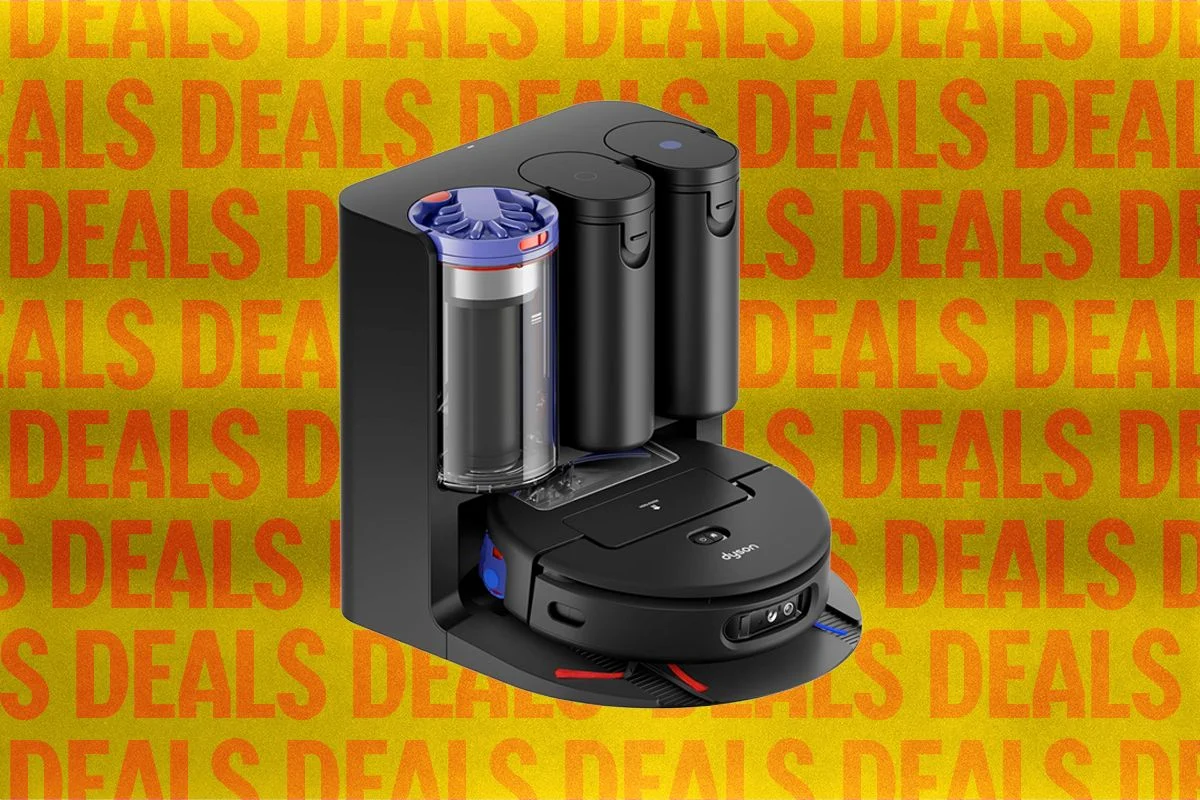
The annual Memorial Day sales window has emerged as a pivotal period for the premium home appliance sector, particularly for Dyson Ltd., as the company introduces significant price reductions across its diverse portfolio of floor care technologies. This seasonal retail event serves as a strategic juncture for consumers to acquire high-end cleaning systems, including the latest iterations of cordless stick vacuums, specialized hard-floor cleaners, and the brand’s most recent foray into autonomous wet-dry robotics. As the household appliance market continues to navigate shifts in consumer spending, these targeted discounts reflect a broader industry trend toward incentivizing upgrades to HEPA-certified and sensor-driven cleaning solutions.
The Evolution of Dyson’s Cordless Infrastructure
Dyson’s dominance in the cordless vacuum market is rooted in its proprietary Hyperdymium motor technology and multi-cyclonic separation systems. The current Memorial Day promotion highlights the technical progression from the established V-series to the more advanced Gen5 platform. For many years, the cordless market was defined by a trade-off between portability and suction power; however, Dyson’s engineering has largely mitigated this gap through the use of high-density energy batteries and digital motors that spin at speeds exceeding 125,000 RPM.
The inclusion of the V15 Detect in the holiday sale represents a strategic offering for the "value-performance" segment. Since its debut, the V15 has been recognized for introducing the Fluffy Optic cleaner head, which utilizes a precisely angled light to reveal microscopic dust particles invisible to the naked eye. This feature is paired with an acoustic piezo sensor that measures and counts dust particles, automatically adjusting suction power based on the volume of debris detected. From a technical standpoint, this closed-loop system optimizes battery efficiency, ensuring that the machine only utilizes peak power when strictly necessary.
Advanced Filtration and Pet Care Specialization
For households prioritizing allergen management and pet hair removal, the Gen5Detect stands as the current flagship of Dyson’s cordless lineup. During the Memorial Day event, this model’s price reduction addresses a critical segment of the market seeking professional-grade filtration. The Gen5Detect distinguishes itself with a fully sealed HEPA filtration system capable of capturing 99.99% of particles as small as 0.1 microns, including viruses.
The engineering of the Gen5Detect also solves a common ergonomic complaint regarding the V-series: the trigger-based power mechanism. The Gen5 model features a single-button power control, allowing for continuous operation without manual trigger engagement. This modification, combined with a motor that delivers 262 air watts of suction—the highest in Dyson’s cordless range—positions the machine as a viable replacement for traditional corded upright vacuums. Supporting data suggests that as pet ownership has increased globally over the last five years, the demand for vacuums with specialized "de-tangling" Motorbar technology has become a primary driver of high-end appliance sales.
Diversification into Specialized and Hybrid Floor Care
The Memorial Day sales data indicates a growing consumer interest in specialized tools rather than "all-in-one" compromises. The Dyson Omni-glide, colloquially referred to as the "PencilVac" due to its slim profile, represents a departure from the heavy-duty aesthetic of the V-series. Engineered specifically for hard floors in urban environments, the Omni-glide utilizes two counter-rotating Fluffy rollers and 360-degree castors. This allows the vacuum to move in all directions—sideways, backwards, and around obstacles—making it an essential tool for navigating tight architectural spaces and furniture legs.
Furthermore, the introduction of the V15s Detect Submarine marks Dyson’s formal entry into the wet-dry cordless category. Unlike traditional mopping systems that often recirculate dirty water, the Submarine head features an eight-point hydration system that uses a pressurized chamber to evenly distribute clean water across the roller. A secondary scraper removes dirty water and debris from the roller, depositing it into a separate waste tank. Retail analysts note that this hybrid approach is a direct response to the rising popularity of competitors like Tineco and Roborock, though Dyson’s implementation maintains the modularity of its existing stick vacuum ecosystem.
Autonomous Cleaning: The Spot+Scrub Ai and Robotic Integration
The most technologically complex item included in the holiday promotion is the Spot+Scrub Ai, Dyson’s latest autonomous vacuum and mop. The robotics sector has seen intense competition, with a shift toward "base station" models that handle self-emptying and self-cleaning functions. The Spot+Scrub Ai utilizes a clear, rounded debris canister consistent with Dyson’s design language, providing visual confirmation of cleaning efficacy.
The navigation system of the Spot+Scrub Ai represents a significant iteration of the Simultaneous Localization and Mapping (SLAM) technology found in the previous 360 Vis Nav. By utilizing a 360-degree vision system and an array of sensors, the robot builds a map of the home to optimize cleaning paths. However, industry experts point out that the placement of the camera system requires clear lines of sight, which can be obstructed by low-profile furniture—a common challenge in the robotics industry. The inclusion of this model in the Memorial Day sale suggests Dyson is looking to gain a larger foothold in the high-end robotic market, where consumers are increasingly willing to invest in "set-and-forget" household maintenance.
Portability and the Secondary Vacuum Market
Not all consumers are in the market for whole-home solutions. The Dyson Car+Boat handheld vacuum, also featured in the current sale, addresses the niche for high-powered, portable cleaning. This model is essentially a condensed version of Dyson’s cyclonic technology, optimized for the ergonomic constraints of vehicle interiors and maritime cabins.
While many of Dyson’s stick vacuums can be converted into handheld units, the Car+Boat model remains a popular entry point into the brand’s ecosystem due to its lower price point and specialized accessory kit. This kit typically includes a mini motorized tool for upholstery and a flexible extension hose. Data from automotive enthusiast forums suggests that the handheld-only Dyson models maintain high resale value, reflecting the brand’s reputation for motor longevity and battery reliability.
Chronology of Innovation and Pricing Trends
Dyson’s pricing strategy during Memorial Day is part of a larger historical pattern. Traditionally, the company maintains strict price parity across authorized retailers like Amazon, Best Buy, and its own direct-to-consumer website. This "minimum advertised price" (MAP) policy ensures brand prestige but makes holiday sales events particularly significant, as they represent the few times per year when the hardware is accessible at a discount.
- 2011-2015: Dyson focused on the transition from corded to cordless, with the V6 and V8 models setting the standard for the industry.
- 2018: The launch of the V10 signaled Dyson’s public commitment to stop developing new corded vacuums, focusing entirely on battery-powered technology.
- 2021: The V15 Detect introduced laser-guided cleaning, shifting the focus from "how much it can pick up" to "what it can see."
- 2023-2024: The introduction of the Gen5Detect and the Submarine wet-dry system reflects a move toward total home environment management, including HEPA-grade air purification and liquid waste management.
Market Analysis and Future Implications
The current discounts on Dyson products arrive at a time when the "premiumization" of household goods is under scrutiny. While inflation has impacted discretionary spending, the floor care sector has remained surprisingly resilient. Analysts attribute this to the "wellness" trend, where consumers view high-efficiency vacuums not just as cleaning tools, but as health devices that improve indoor air quality.
Dyson’s decision to include its newest models—such as the Submarine and the Gen5Detect—in the Memorial Day sale indicates a desire to clear inventory ahead of potential late-year hardware refreshes. It also serves to lock consumers into the Dyson ecosystem, where proprietary attachments and replacement filters provide long-term revenue streams.
From a sustainability perspective, Dyson has faced pressure to improve the repairability of its machines. Recent models have seen a move toward more modular battery packs and washable filters, reducing the "throwaway" nature of electronic appliances. For the consumer, purchasing a Dyson during a sale event like Memorial Day changes the "cost-per-use" equation, making a high-end investment more palatable over a projected five-to-ten-year lifespan.
As the weekend progresses, retail data suggests that the V15 Detect remains the highest-volume seller due to its balance of features and the substantial price drop. However, the growth of the robotic and wet-dry segments highlights a shifting consumer preference toward automation and multi-surface versatility. These Memorial Day deals are not merely seasonal discounts; they are a reflection of the evolving technological standards of the modern home, where the expectation for clean floors is increasingly met by sophisticated sensors, high-speed digital motors, and autonomous navigation.







