
 Ali Ikhwan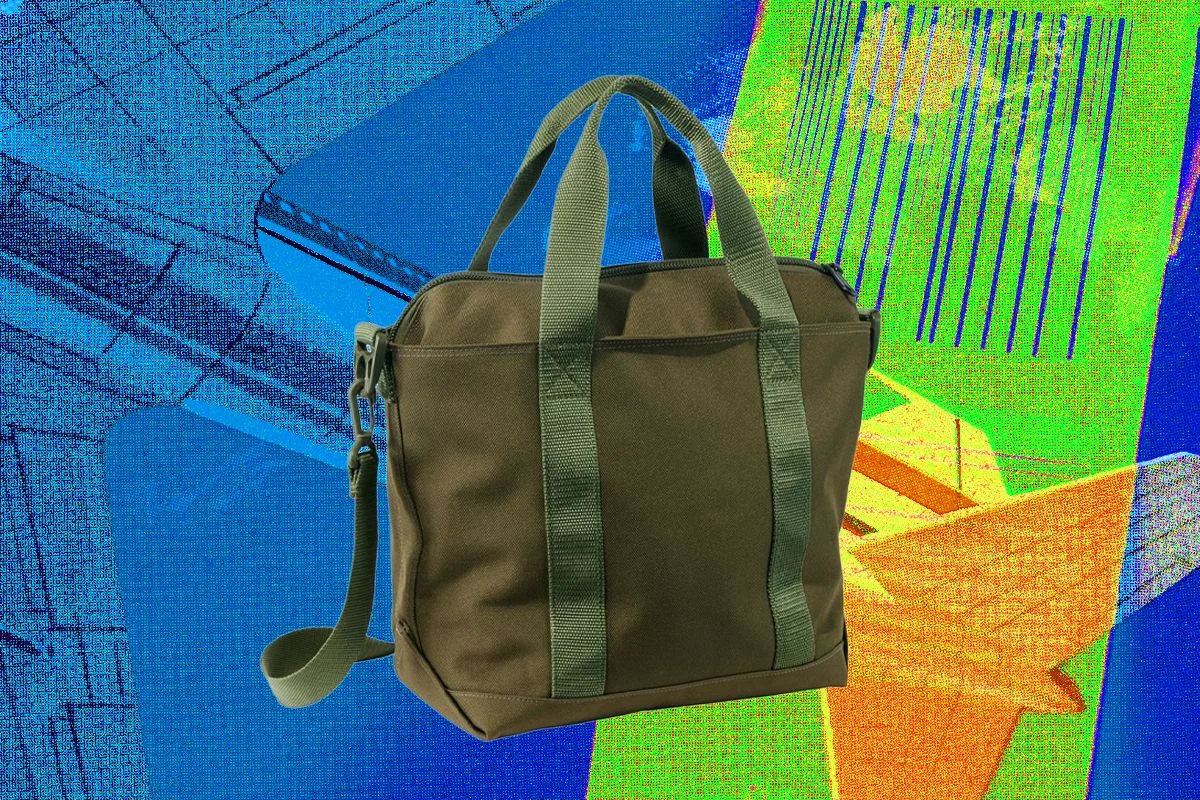
The transition from single-use plastic bags to reusable carryalls has transformed from a niche environmental movement into a fundamental aspect of modern urban logistics. At the center of this shift is the resurgence of heavy-duty, utilitarian gear designed to withstand the rigors of both wilderness exploration and daily metropolitan transport. Among the most prominent examples of this "over-engineered" utility is the L.L.Bean Zip Hunter’s Tote Bag, a product that has moved beyond its traditional hunting and fishing origins to become a staple for urban commuters, cargo-bike enthusiasts, and sustainable shoppers. This specific model, characterized by its 1,200-denier polyester construction and thermoplastic lining, represents a convergence of heritage manufacturing and modern material science, offering a solution to the "muck and schmutz" of fresh produce and the unpredictability of outdoor environments.
The Engineering of Durability: Material Specifications and Design
The primary appeal of the Zip Hunter’s Tote Bag lies in its technical specifications, which far exceed those of standard canvas or nylon reusable bags. The exterior is crafted from 1,200-denier polyester. In the textile industry, "denier" is a unit of measure for the linear mass density of fibers; for context, standard lightweight backpacks typically utilize 200 to 400 denier, while heavy-duty tactical gear often starts at 600. By utilizing 1,200-denier fabric, L.L.Bean ensures a level of abrasion resistance that allows the bag to be dragged across pavement, tossed into the cargo beds of trucks, or checked as airline luggage without suffering structural failure or significant aesthetic degradation.
Internal protection is provided by a thin, bonded layer of thermoplastic. This coating serves a dual purpose: it prevents external moisture from seeping into the bag during rain or transit on a boat, and it contains internal spills or debris. This "easy-clean" interior is a critical feature for users who transport unwashed produce, muddy camping equipment, or damp athletic gear. The reinforced bottom provides structural integrity, allowing the bag to maintain a footprint when placed on flat surfaces, which facilitates easier loading and unloading.
A Chronology of Utility: From the Maine Woods to San Francisco
The history of the L.L.Bean tote began in 1944 with the introduction of the "Bean’s Ice Carrier." Originally designed to haul blocks of ice from frozen ponds to icehouses, the bag was made of heavy-weight canvas and built for pure labor. Over the decades, this design evolved into the iconic "Boat and Tote," eventually spawning specialized versions like the Hunter’s Tote. While the original canvas models were beloved for their classic aesthetic, they were susceptible to staining and mildew if left damp.

The development of the Hunter’s Tote series marked a chronological shift toward synthetic materials that could handle moisture more effectively. By replacing cotton canvas with high-denier polyester and adding a zipper closure, the company addressed the needs of sportsmen who required a bag that could sit in a damp duck blind or the bottom of a canoe.
In the 21st century, the application of this gear has shifted once again. In urban centers like San Francisco, the bag has found a new life within the "Everyday Carry" (EDC) community. For a modern user, a typical Sunday morning routine involves deploying an electric cargo bike—a vehicle that has seen a 30% increase in market share in North American urban centers over the last five years—to visit local cooperatives like Rainbow Grocery. This San Francisco institution, founded in 1975, emphasizes organic, unpackaged produce. The lack of cellophane and plastic wrapping at such cooperatives means that vegetables like beets, chanterelles, and chicories are often covered in soil or dew when purchased. The Hunter’s Tote serves as the bridge between the farm-fresh grit of the market and the cleanliness of the home, providing a contained environment for "messy" provisions.
Technical Analysis: Capacity and Versatility
The Hunter’s Tote is offered in three distinct sizes, with the Extra-Large (XL) model providing a substantial 53-liter capacity. To put this in perspective, a standard grocery bag holds approximately 15 to 20 liters. The XL model’s dimensions—featuring a 10-by-19-inch flat bottom—allow it to function more like a soft-sided trunk than a traditional shoulder bag.
Key features analyzed by long-term users include:
- Handle Strength: The beefy, reinforced handles are designed to distribute weight evenly, preventing the straps from digging into the hands or shoulders when the bag is loaded to its 50+ pound limit.
- Hardware and Closures: While the top zipper is not hermetically sealed, it is constructed with heavy-gauge teeth that resist snagging even when exposed to sand or grit.
- Shoulder Strap Integration: The inclusion of heavy plastic tabs at each end of the zipper allows for the attachment of an adjustable shoulder strap. While some users find the strap cumbersome for short trips, the tabs themselves serve as vital hanging points for air-drying the bag after it has been hosed down.
Comparative Market Data and Consumer Trends
The rise of the "Buy It For Life" (BIFL) movement has significantly impacted the market for utility totes. Consumers are increasingly eschewing "fast fashion" accessories in favor of products with documented longevity. Data from retail analysts suggest that while a standard $5 reusable bag has a lifespan of approximately 30 to 50 uses before the seams or handles fail, heavy-duty polyester totes from heritage brands like L.L.Bean are rated for decades of use.

Furthermore, the "gorpcore" fashion trend—the adoption of functional outdoor wear for urban use—has brought technical gear into the mainstream. The Hunter’s Tote fits this aesthetic profile, offering a camouflage or muted-tone palette that appeals to both traditional outdoorsmen and modern commuters. In a survey of outdoor gear enthusiasts, the primary reasons cited for choosing the Hunter’s Tote over the classic canvas Boat and Tote were the water-resistant lining (82%) and the durability of the synthetic fabric (75%).
Broader Impact and Implications for Sustainable Living
The use of such high-capacity, durable bags has broader implications for urban sustainability and consumer behavior. By utilizing a single 53-liter bag for a weekly grocery shop, a household can eliminate the need for approximately 5 to 10 plastic bags per week, or over 500 bags per year. When combined with the use of electric cargo bikes, this represents a significant reduction in the carbon footprint associated with food logistics.
The "rinse-and-dry" nature of the bag also encourages the consumption of local, minimally processed produce. Standard supermarkets often rely on plastic packaging to keep produce clean and organized; however, the availability of a rugged, washable carrier allows consumers to shop at farmers’ markets and cooperatives where food is sold in its natural state. This shift supports local agriculture and reduces the energy expenditure required for plastic manufacturing and recycling.
Beyond grocery shopping, the versatility of the Hunter’s Tote as a piece of "transitional gear" cannot be overstated. It functions effectively as:
- Aviation Luggage: Its ability to withstand the mechanical stress of airport conveyor belts and baggage handlers makes it an ideal "check-in" bag for bulky items.
- Camping Equipment: The thermoplastic lining makes it a superior choice for hauling "wet" gear—such as rain shells, tents, or muddy boots—preventing the interior of a vehicle from becoming soiled.
- Professional Tool: For musicians, photographers, or field researchers, the bag provides a weather-resistant (though not waterproof) transport method for equipment cases and cables during drizzly commutes.
Maintenance and Long-Term Value
A critical factor in the professional assessment of any gear is the ease of maintenance. The Zip Hunter’s Tote is designed to be "hosed out." Unlike traditional luggage that requires specialized foam cleaners or canvas that may shrink in a washing machine, the polyester and thermoplastic construction allows for aggressive cleaning. Users report that even after transporting "slimy" items or being exposed to forest floor debris like pine needles and bark, the bag can be restored to a clean state with simple water pressure and air drying.

From a financial perspective, the $60 to $70 price point (depending on size) represents a high initial investment compared to disposable options. However, when amortized over a 20-year lifespan, the cost of the bag drops to approximately $3.50 per year. This economic reality, combined with the bag’s functional superiority, positions it as a premier choice for those who value efficiency and durability in their daily lives.
Conclusion: The Indispensable Tool for Modern Carry
The L.L.Bean Zip Hunter’s Tote Bag is more than a simple carrier; it is a specialized tool designed for the rigors of a multi-faceted life. Whether it is being used to haul heavy loads of La Croix, protect electronics on a rainy bike ride, or contain the mud of a Mendocino camping trip, the bag performs with a consistency that is rare in modern consumer goods. By prioritizing material strength and interior protection over superfluous features like laptop sleeves or padding, L.L.Bean has created a product that serves the most basic and essential need of the modern human: the ability to move goods from one place to another, safely and cleanly, regardless of the environment. As urban living continues to evolve toward more sustainable and active models, the reliance on such rugged, "do-it-all" gear is likely to grow, cementing the heavy-duty tote’s status as an essential component of the modern EDC kit.







