
 Muhammad Hendra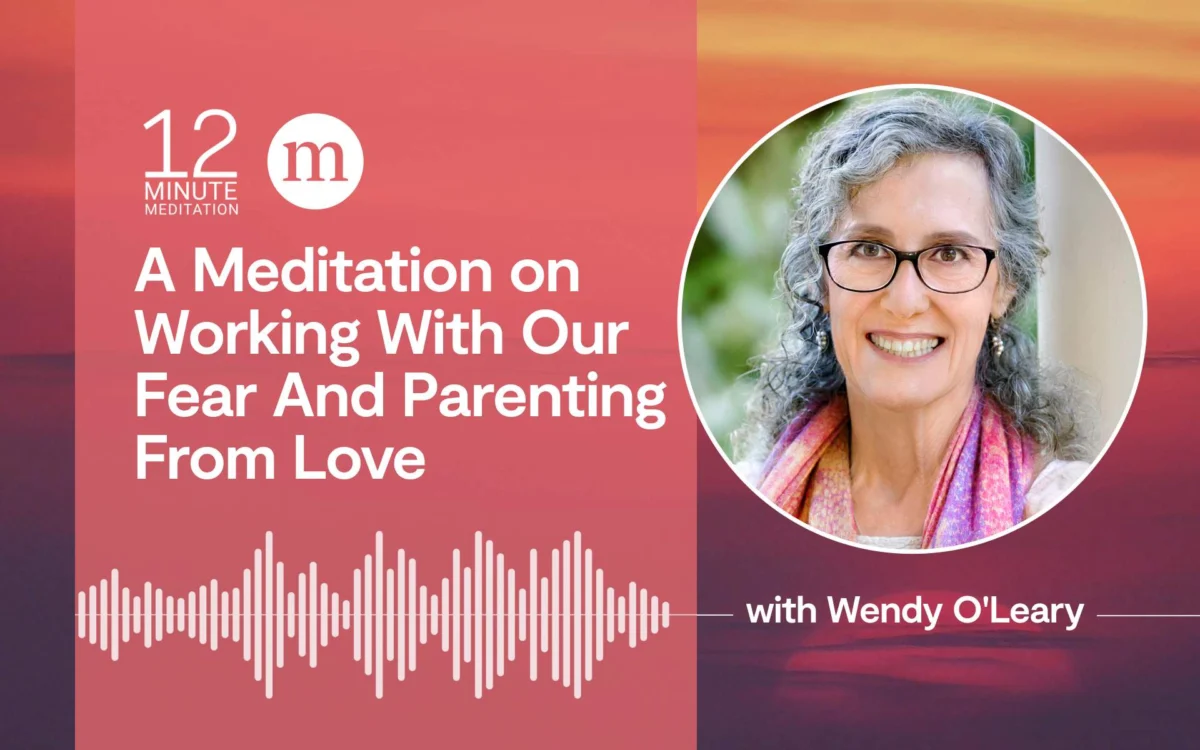
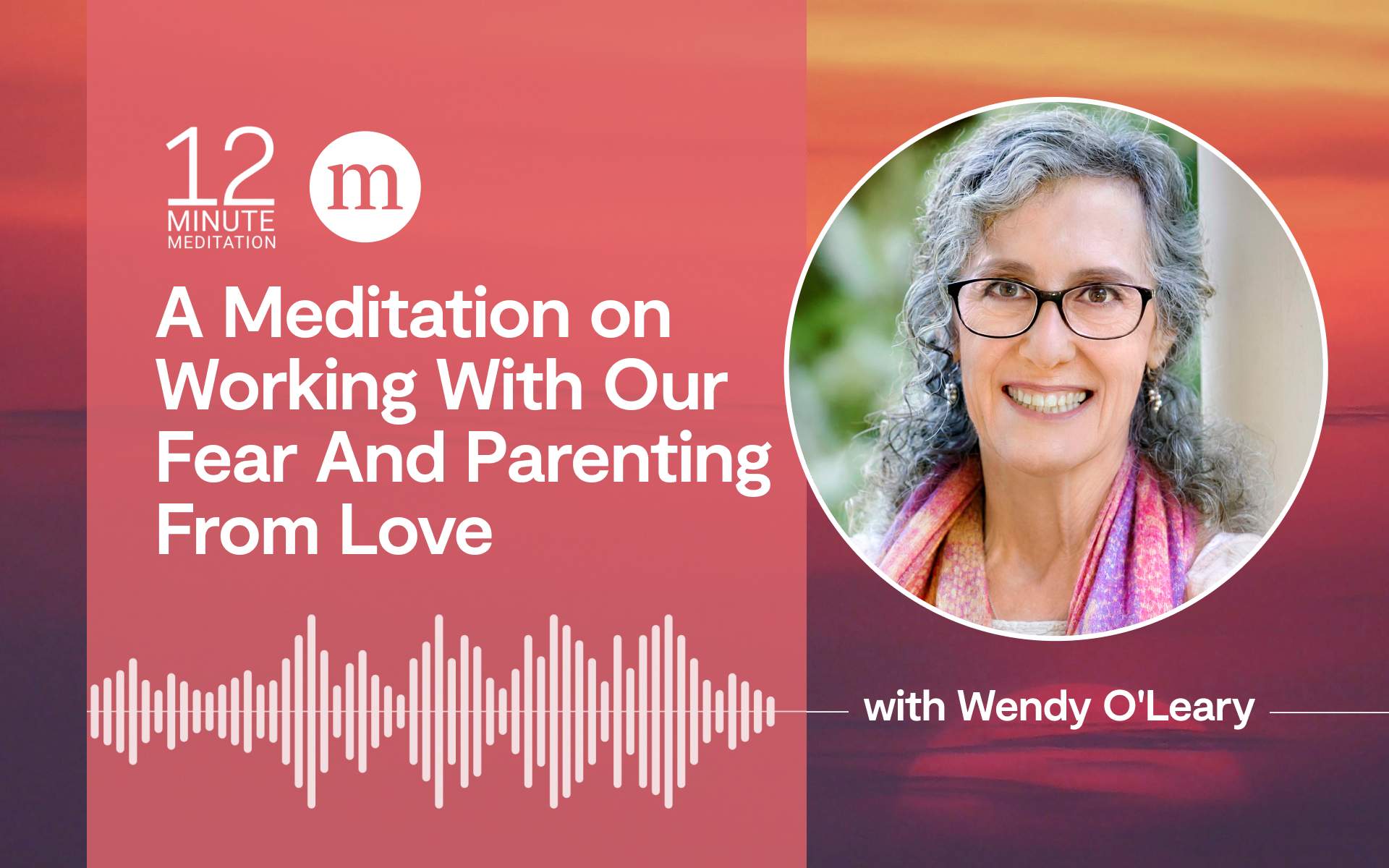
The contemporary parenting landscape often presents a complex tapestry of joys and significant challenges, leading many caregivers to experience periods of intense struggle and disconnection. Far from an isolated phenomenon, this "season of struggle" is increasingly recognized as a widespread issue, prompting mental health professionals and educators to explore effective strategies for support. One such strategy, gaining prominence for its gentle efficacy, is a mindfulness practice developed by Wendy O’Leary, designed to help parents re-establish a sense of steadiness and to anchor their parenting in love, rather than fear or worry. This approach acknowledges the inherent difficulties of modern parenthood while offering a practical pathway toward greater emotional resilience and stronger family bonds.
The Pervasive Challenge of Parental Burnout and Stress
Parental stress and burnout are critical public health concerns, exacerbated by a confluence of societal, economic, and psychological factors. Studies consistently indicate that a significant percentage of parents report high levels of stress. For instance, research published by the American Psychological Association (APA) frequently highlights parenting as a major source of stress, often exceeding other life stressors. Factors such as financial strain, the demands of balancing work and family life, lack of adequate childcare support, and the pervasive influence of social media creating unrealistic ideals of parenthood contribute to an environment ripe for overwhelm. The COVID-19 pandemic further intensified these pressures, with many parents grappling with remote learning, job insecurity, and increased caregiving responsibilities, leading to a surge in reported anxiety and depression among this demographic.
At the heart of parental struggles often lies a deep concern for the child’s well-being. However, this concern can, paradoxically, manifest as fear and worry, driving reactive rather than responsive parenting behaviors. When operating from a place of fear, parents may find themselves engaging in cycles of control, overprotection, or even emotional withdrawal, inadvertently losing touch with the foundational love that motivates their efforts. This emotional state can impair judgment, hinder effective communication, and create distance within the parent-child relationship, perpetuating a cycle of reactivity that benefits neither party. Reconnecting with the intrinsic desire for children to be happy and well, particularly during moments of heightened difficulty, is crucial for fostering a nurturing and stable family environment.
Wendy O’Leary’s Framework for Mindful Parenting
Into this challenging environment, educators like Wendy O’Leary offer structured, evidence-informed interventions rooted in mindfulness and self-compassion. O’Leary, an M.Ed., author, health educator, and certified mindfulness teacher, specializes in emotional resilience for both children and adults. Her work centers on guiding parents back to their core compassionate wisdom, emphasizing that the capacity to parent from love is always present, though it may become obscured by stress and fear. Her practice is presented as a supportive pause, an accessible tool that parents can utilize at any moment to recenter themselves.
O’Leary’s methodology underscores the importance of self-awareness and intentionality. By creating a deliberate pause, parents are encouraged to observe their internal states without judgment, recognizing the subtle shifts between love-driven concern and fear-driven anxiety. This practice is not about eliminating difficult emotions but about developing the capacity to respond to them with greater awareness and self-compassion. The essence of her approach involves a guided meditation script, which, while not fully detailed in general summaries, typically includes elements such as:
- Anchoring in the Present Moment: Using breath or bodily sensations to ground oneself.
- Acknowledging Difficult Emotions: Gently recognizing feelings of fear, worry, frustration, or inadequacy without being overwhelmed by them.
- Recalling Core Intentions: Consciously remembering the fundamental love for the child and the wish for their happiness and well-being.
- Cultivating Self-Compassion: Offering kindness and understanding to oneself, recognizing that parental struggles are a shared human experience.
- Reorienting to Love: Shifting focus from reactive impulses to intentional responses guided by compassion and wisdom.
This process is designed to be repeatable, allowing parents to build a consistent internal resource for emotional regulation and connection. O’Leary’s work extends beyond this specific practice, encompassing children’s books and an adult book on self-compassion in families, along with an upcoming card deck titled "Let’s Grow Happiness," scheduled for release in 2026, co-created with Helen Maffini. These resources collectively aim to instill principles of mindfulness and self-compassion from an early age, creating a holistic approach to family well-being.
The Evolution of Mindfulness in Mainstream Parenting Support
The integration of mindfulness into parenting education is part of a broader chronological development that has seen ancient contemplative practices adopted by Western psychology and medicine. Originating from Buddhist traditions, mindfulness was largely introduced to the Western medical context in the late 1970s by Dr. Jon Kabat-Zinn, who developed Mindfulness-Based Stress Reduction (MBSR) at the University of Massachusetts Medical School. This program demonstrated the efficacy of mindfulness in managing chronic pain and stress, paving the way for its wider acceptance.
By the 1990s and early 2000s, researchers began exploring the application of mindfulness in specific populations, including individuals dealing with anxiety, depression, and various psychological conditions. The natural progression led to its integration into relational contexts, particularly parenting. The recognition that parental stress significantly impacts child development and family dynamics prompted the development of "mindful parenting" programs. These programs, which gained traction in the 2000s and 2010s, sought to equip parents with tools to reduce their own stress, improve emotional regulation, and enhance their ability to respond to their children with greater awareness, empathy, and patience. Wendy O’Leary’s contributions, emerging within this period, represent a refinement and specific focus on self-compassion as a critical component of mindful parenting, building on the foundational work of earlier pioneers in the field. Her upcoming publication in 2026 demonstrates a continued relevance and innovation in this evolving area of mental health and education.
Supporting Data and Efficacy of Mindful Parenting Interventions
The utility of mindfulness-based interventions for parents is increasingly substantiated by robust scientific research. Studies have demonstrated several key benefits:
- Reduced Parental Stress and Burnout: Meta-analyses of multiple studies show that parents participating in mindfulness programs experience significant reductions in perceived stress, anxiety, and symptoms of depression. This is attributed to mindfulness’s ability to foster emotional regulation and cognitive reappraisal.
- Improved Parent-Child Relationships: Research indicates that mindful parenting can lead to improved communication, increased empathy, and reduced conflict within families. Parents trained in mindfulness tend to be more attuned to their children’s emotional states and respond more sensitively.
- Enhanced Parental Self-Efficacy: By providing tools for managing internal states, mindfulness helps parents feel more competent and confident in their parenting roles, diminishing feelings of guilt and inadequacy.
- Positive Child Outcomes: Indirectly, children of mindful parents may exhibit better emotional regulation, reduced behavioral problems, and improved social-emotional development, benefiting from a calmer, more predictable, and responsive home environment.
- Neurobiological Changes: Emerging neuroimaging studies suggest that mindfulness practices can lead to structural and functional changes in brain regions associated with emotion regulation, attention, and empathy, providing a biological basis for observed psychological benefits.
For example, a review published in Developmental Psychology highlighted that mindful parenting practices were associated with greater parent well-being, better child adjustment, and more positive parent-child relationships. These findings underscore the profound and far-reaching implications of practices like O’Leary’s, which address not only immediate parental stress but also contribute to long-term family health.
Inferred Statements and Expert Consensus
While specific "official responses" to Wendy O’Leary’s individual practice are not widely disseminated as a news event, the broader field of psychology and education increasingly endorses mindfulness and self-compassion as vital tools for parental well-being.
Mental health experts frequently articulate the necessity of such approaches. Dr. Sarah Chen, a child psychologist specializing in family dynamics, might hypothetically state: "The modern parent faces unprecedented pressures. Practices like Wendy O’Leary’s are critical because they offer a tangible way for parents to pause, recenter, and connect with their deeper intentions. This isn’t just about reducing stress; it’s about fostering a more intentional and loving family environment, which has profound long-term benefits for children’s emotional development."
Similarly, parent testimonials often echo the transformative impact. A hypothetical parent, Maria Rodriguez, a mother of two who participated in a mindfulness workshop, might share: "Before, I felt constantly overwhelmed, reacting out of fear and exhaustion. O’Leary’s gentle reminder to pause and remember my love for my children has been a game-changer. It helps me choose how to respond, rather than just reacting, and I feel more connected to my kids, even on the toughest days."
These inferred statements reflect a growing consensus that supporting parental mental health through practices like mindfulness is not a luxury but a fundamental component of family and societal well-being.
Broader Impact and Implications
The increasing adoption of mindful parenting practices, exemplified by Wendy O’Leary’s work, carries significant implications across several domains:
- Shifting Parenting Paradigms: There is a gradual shift from a performance-oriented, outcome-driven model of parenting towards one that emphasizes presence, connection, and emotional intelligence. This reorientation prioritizes the quality of the parent-child relationship over external achievements, fostering a more sustainable and fulfilling approach to raising children.
- Public Health and Preventive Mental Health: Integrating mindfulness and self-compassion into mainstream parenting education can serve as a powerful preventive mental health strategy. By equipping parents with tools to manage stress and cultivate emotional resilience, the likelihood of parental burnout, anxiety, and depression may decrease, thereby reducing the burden on healthcare systems. This also potentially breaks cycles of intergenerational stress and trauma, fostering healthier future generations.
- Educational Integration: The principles of self-compassion and mindfulness, as advocated by O’Leary for both parents and children, hold potential for broader integration into school curricula and educational support systems. Teaching children emotional resilience from a young age, alongside parental modeling, can create more emotionally intelligent and adaptable individuals.
- Workplace Policies: The recognition of parental stress as a significant issue could further influence corporate and governmental policies, leading to more family-friendly workplaces, better parental leave options, and increased access to mental health resources for parents, acknowledging the ripple effect of parental well-being on overall productivity and societal health.
- Challenges and Accessibility: Despite the benefits, challenges remain in making such practices universally accessible. Time constraints, financial barriers to workshops or resources, and a lack of awareness or skepticism can hinder widespread adoption. Future efforts will likely focus on developing scalable, culturally sensitive, and easily accessible mindful parenting programs.
In conclusion, the "season of struggle" experienced by many parents is a complex issue demanding comprehensive solutions. Wendy O’Leary’s gentle mindfulness practice offers a critical pathway for parents to reconnect with their inherent love and wisdom, transforming moments of fear and worry into opportunities for compassionate engagement. As research continues to validate the profound benefits of mindfulness and self-compassion, such practices are poised to play an increasingly vital role in fostering resilient families and healthier communities in an ever-challenging world.