Muhammad Hendra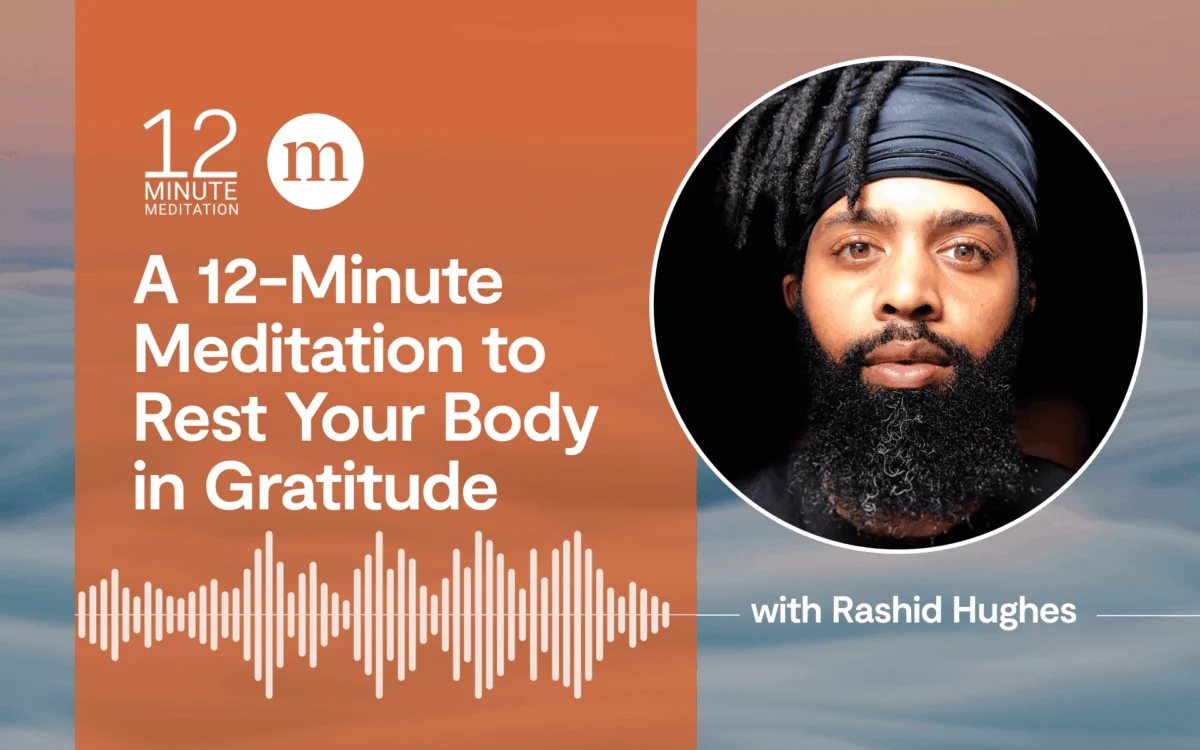
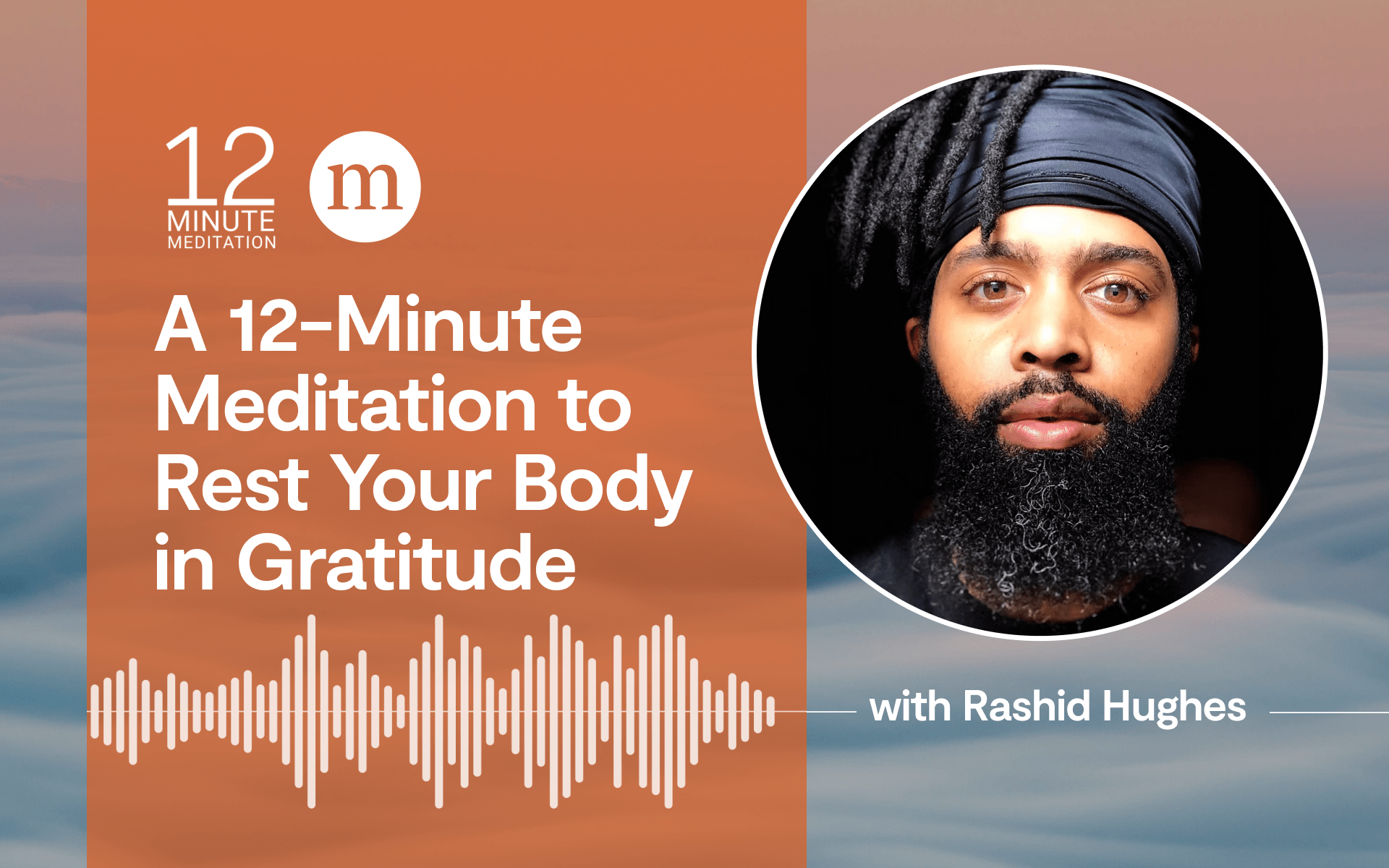
In an era increasingly defined by rapid technological advancement and relentless productivity demands, the human body often bears the silent brunt of modern life. A pervasive culture of constant activity, coupled with a societal tendency to view the body primarily as a tool for achievement rather than a vessel for experience, has led to widespread stress, burnout, and a profound sense of disconnection from one’s physical self. It is within this context that the introduction of a new guided meditation practice by esteemed teacher Rashid Hughes, featured on Mindful.org, emerges as a timely and vital offering. Titled "A 12-Minute Meditation to Rest Your Body in Gratitude," this practice invites individuals to consciously pause, release tension, and cultivate a deep sense of appreciation for their bodies, promoting restoration and renewal of both mind and spirit.
The meditation, a concise yet profound journey, is designed to counteract the common neglect and overworking of our physical forms. It posits that by intentionally allowing our bodies to "rest in awareness," we can unlock significant restorative benefits. This concept of resting in awareness goes beyond mere physical repose; it encourages a mindful presence, a non-judgmental observation of bodily sensations, and an embrace of the body in its entirety—its beauty, its mystery, and its tireless function. The practice is not merely about relaxation but about fostering a conscious connection, leading to a profound sense of gratitude that can recalibrate an individual’s relationship with their own physical being.
The Scientific Underpinnings of Mindfulness and Gratitude
The principles underpinning Hughes’s meditation are firmly rooted in a growing body of scientific research that highlights the transformative power of mindfulness and gratitude practices. Mindfulness, defined as the intentional, non-judgmental awareness of the present moment, has been shown to have a remarkable impact on both mental and physical health. Studies, many published in reputable journals such as JAMA Internal Medicine and Psychosomatic Medicine, demonstrate that regular mindfulness practice can lead to a significant reduction in stress hormones like cortisol, improved emotional regulation, and enhanced cognitive functions such as attention and memory. Neuroimaging studies have revealed that mindfulness can physically alter brain structure, leading to increased gray matter density in areas associated with learning and memory (e.g., the hippocampus) and reduced gray matter in the amygdala, the brain’s fear center.
Gratitude, often practiced as a companion to mindfulness, also boasts a compelling scientific profile. Research conducted by psychologists such as Dr. Robert Emmons and Dr. Michael McCullough has consistently shown that cultivating gratitude can increase positive emotions, improve psychological well-being, strengthen social relationships, and even contribute to better sleep quality. Individuals who regularly practice gratitude tend to experience lower levels of depressive symptoms and report higher levels of life satisfaction. When combined, as in Hughes’s "body gratitude" meditation, mindfulness and gratitude create a synergistic effect, amplifying the benefits by fostering a holistic sense of appreciation and present-moment awareness for the body’s intricate systems and resilience. This dual approach helps individuals move away from a critical or indifferent stance towards their bodies, fostering instead a nurturing and appreciative relationship.
Rashid Hughes: A Voice for Inclusive Well-being
The guided meditation is brought forth by Rashid Hughes, a distinguished figure in the mindfulness community whose work extends far beyond meditation instruction. Hughes is a writer, meditation teacher, yoga instructor, and a restorative justice facilitator, embodying a multifaceted approach to healing and community building. His academic background, including a Master of Divinity Degree from the Howard University School of Divinity, underscores a deep commitment to spiritual and ethical frameworks that inform his practice.
Central to Hughes’s mission is his co-founding of the Heart Refuge Mindfulness Community in Washington, D.C. This community is dedicated to inspiring Black, Indigenous, and People of Color (BIPOC) to live with love and courage, addressing a critical need for inclusive and culturally sensitive spaces within the broader mindfulness movement. The Heart Refuge Mindfulness Community acknowledges the unique challenges and systemic pressures faced by BIPOC individuals, providing a sanctuary where mindfulness practices can be accessed and adapted in a supportive environment. Hughes’s work with the community is a powerful statement about the importance of equitable access to well-being practices and the recognition that healing must be inclusive to be truly transformative. His affiliations as an Affiliate Teacher for the Insight Meditation Community of Washington D.C. and a teacher for the Presence Collective further solidify his standing as a respected and influential voice. His recent article in Lions Roar Magazine, titled "When Aggression Masquerades as Compassion," highlights his critical engagement with ethical dimensions within spiritual practice, showcasing his thoughtful and nuanced approach to complex issues.
The Practice of "Resting in Awareness": A Pathway to Self-Compassion
The core directive of the "12-Minute Meditation to Rest Your Body in Gratitude" is to "rest in awareness." This phrase encapsulates a profound shift from the constant doing and striving that characterizes much of modern life. Instead of viewing the body as something to be controlled, optimized, or fixed, the practice invites participants to simply allow their bodies to be. This act of allowing is revolutionary for many, as it counters years of conditioning that encourages us to ignore bodily signals, push past fatigue, or be critical of perceived imperfections.
The meditation guides practitioners through a process of tuning into the body’s sensations without judgment, acknowledging the tireless work it performs daily—from the beating of the heart and the rhythm of breath to the complex processes of digestion and movement. This conscious acknowledgement naturally fosters a sense of gratitude. For instance, instead of taking for granted the ability to walk, the practice encourages a moment of appreciation for the strength of the legs, the balance provided by the core, and the intricate coordination required for each step. By focusing on the body’s inherent wisdom and capacity for self-regulation, participants can begin to heal the often-strained relationship they have with their physical form, replacing self-criticism with self-compassion and neglect with nurturing attention. The brevity of the 12-minute duration is also a key feature, making it highly accessible for individuals with busy schedules, ensuring that a restorative moment is within reach for almost anyone.
A Chronology of Mindfulness’s Ascent to Mainstream Acceptance
The increasing prominence of practices like Rashid Hughes’s meditation is part of a broader historical trajectory that has seen mindfulness transition from ancient spiritual traditions to a globally recognized approach to well-being. Its roots lie deep in Buddhist contemplative practices, dating back thousands of years. However, its formal introduction to Western scientific and medical contexts can be largely attributed to Jon Kabat-Zinn, who founded the Mindfulness-Based Stress Reduction (MBSR) program at the University of Massachusetts Medical Center in the late 1970s. Kabat-Zinn meticulously secularized and systematized mindfulness, making it accessible to a wide audience seeking relief from stress and chronic pain.
The 1980s and 1990s saw MBSR gain traction within healthcare settings, with initial research demonstrating its efficacy. By the turn of the millennium, mindfulness began to permeate other sectors. Educational institutions started integrating mindfulness programs for students and teachers to improve focus and emotional regulation. Corporations, recognizing the detrimental effects of employee burnout and stress on productivity and morale, began offering mindfulness training in the 2000s. Tech giants like Google were early adopters, demonstrating a forward-thinking approach to employee well-being.
The past decade has witnessed an explosion of mindfulness resources, from mobile applications and online courses to specialized retreats and academic centers. Platforms like Mindful.org have played a crucial role in disseminating accessible, evidence-based mindfulness content to a global audience. Rashid Hughes’s contribution, particularly through his emphasis on body gratitude and his commitment to inclusive communities, represents a vital evolution within this timeline, expanding the reach and depth of mindfulness practice to address specific contemporary needs and diverse populations. This continuous adaptation and broadening of mindfulness methodologies underscore its enduring relevance and potential to address the complexities of modern human experience.
Expert Statements and Broader Implications for Public Health
The release of such a meditation practice aligns perfectly with the current discourse among public health professionals and mental health experts. Dr. Kelly McGonigal, a health psychologist and lecturer at Stanford University, often speaks about the power of self-compassion and gratitude in building resilience. While not directly commenting on Hughes’s specific meditation, the principles she advocates for—connecting with the body, embracing self-kindness—are echoed in this practice. Similarly, organizations like the American Psychological Association frequently highlight the escalating rates of stress and anxiety in the population, advocating for accessible, evidence-based interventions like mindfulness. The implicit statement from Mindful.org in featuring Hughes’s work is an endorsement of its value and relevance in addressing these societal challenges.
The implications of widespread adoption of practices like the "12-Minute Meditation to Rest Your Body in Gratitude" are significant for public health and societal well-being. On an individual level, regular engagement can lead to enhanced resilience against stressors, improved mental health outcomes (reduced anxiety and depression), and a greater capacity for self-regulation. Physiologically, reduced stress can contribute to better cardiovascular health, stronger immune function, and improved sleep, thereby reducing the burden on healthcare systems.
In the workplace, integrating such short, effective mindfulness breaks can mitigate burnout, improve employee focus and creativity, and foster a more positive and compassionate work environment. A workforce that feels connected to its own well-being is inherently more productive and engaged. At a community level, fostering individual self-compassion and gratitude can ripple outwards, promoting greater empathy, understanding, and kindness in interpersonal relationships, aligning with Hughes’s work in restorative justice. By encouraging individuals to cultivate a nurturing relationship with their own bodies, the meditation contributes to a broader culture of care and respect, which is foundational for building stronger, healthier communities.
Accessibility and Integration into Daily Life
One of the most compelling aspects of Hughes’s "12-Minute Meditation to Rest Your Body in Gratitude" is its remarkable accessibility. In a world where time is often perceived as a scarce commodity, a 12-minute practice offers a potent dose of restoration without requiring a significant time commitment. This brevity ensures that the meditation can be seamlessly integrated into various daily routines: as a mindful start to the day, a midday reset during a lunch break, or a calming transition before sleep. The availability of the guided practice through platforms like Mindful.org, often with both written scripts and audio options, further democratizes access, removing barriers of cost or geographical location. This digital accessibility is crucial in reaching a broad audience, allowing individuals from all walks of life to engage with these powerful tools for well-being.
The call to action is clear: in an increasingly demanding world, taking a dedicated moment to pause, to feel deeply into one’s own body, and to cultivate gratitude is not a luxury but a necessity. It is an act of self-care that strengthens resilience, fosters self-compassion, and ultimately contributes to a more balanced and fulfilling life. By offering a structured, accessible pathway to "rest in awareness" and embrace body gratitude, Rashid Hughes and Mindful.org provide a valuable resource for anyone seeking to reconnect with their most fundamental asset—their own living, breathing, hardworking body.
In conclusion, the "12-Minute Meditation to Rest Your Body in Gratitude" by Rashid Hughes is more than just a brief guided practice; it is a microcosm of contemporary efforts to address widespread societal stress through accessible, scientifically-backed mindfulness techniques. It embodies a commitment to holistic well-being, inclusive practice, and the profound power of self-compassion. As individuals and communities navigate the complexities of modern existence, such practices offer a vital anchor, reminding us to honor our physical selves and foster a deep, abiding gratitude for the incredible miracle that is the human body. This enduring focus on inner well-being will undoubtedly continue to shape how individuals approach health, work, and community in the years to come.