Cintya Tara Annisa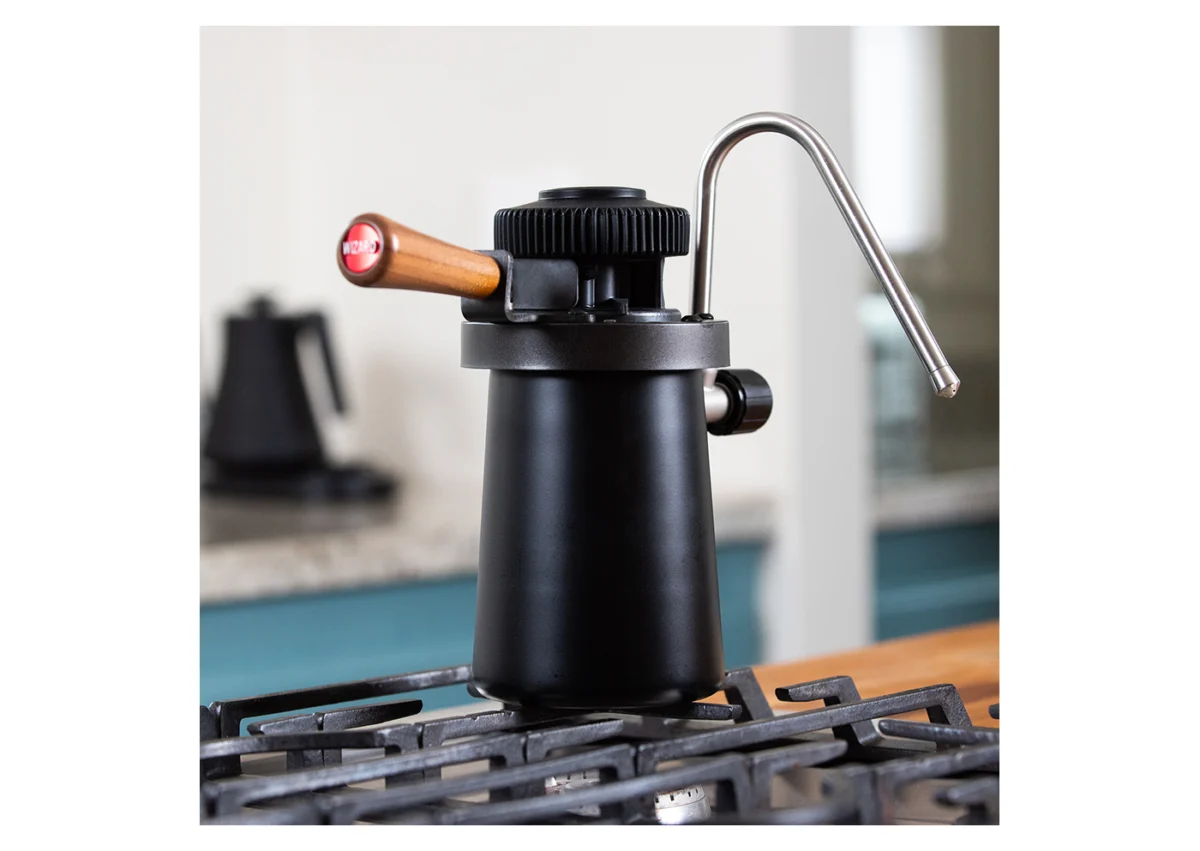
The global coffee industry has entered a new era of technological advancement and consumer accessibility, prompting the specialty coffee publication Sprudge to announce a comprehensive new initiative for 2026. This program, titled Coffee Gear, is designed to serve as a curated clearinghouse for the most significant developments in brewing hardware, ranging from entry-level manual drippers to high-specification professional espresso machines. As the market for home coffee equipment continues to expand—projected by industry analysts to maintain a steady compound annual growth rate (CAGR) of over 5% through the end of the decade—the need for expert curation has become a primary concern for both manufacturers and consumers.
The 2026 initiative launches against a backdrop of a highly saturated market where the distinction between professional-grade tools and consumer appliances has increasingly blurred. By featuring a weekly collection of outstanding offerings from manufacturers across the globe, the program aims to provide a structured narrative for the evolution of coffee preparation. The inaugural selection for this week highlights a diverse array of equipment that emphasizes thermal stability, precision engineering, and the scientific manipulation of coffee aromatics.
The Evolution of Precision Brewing: From Glassware to Gas Management
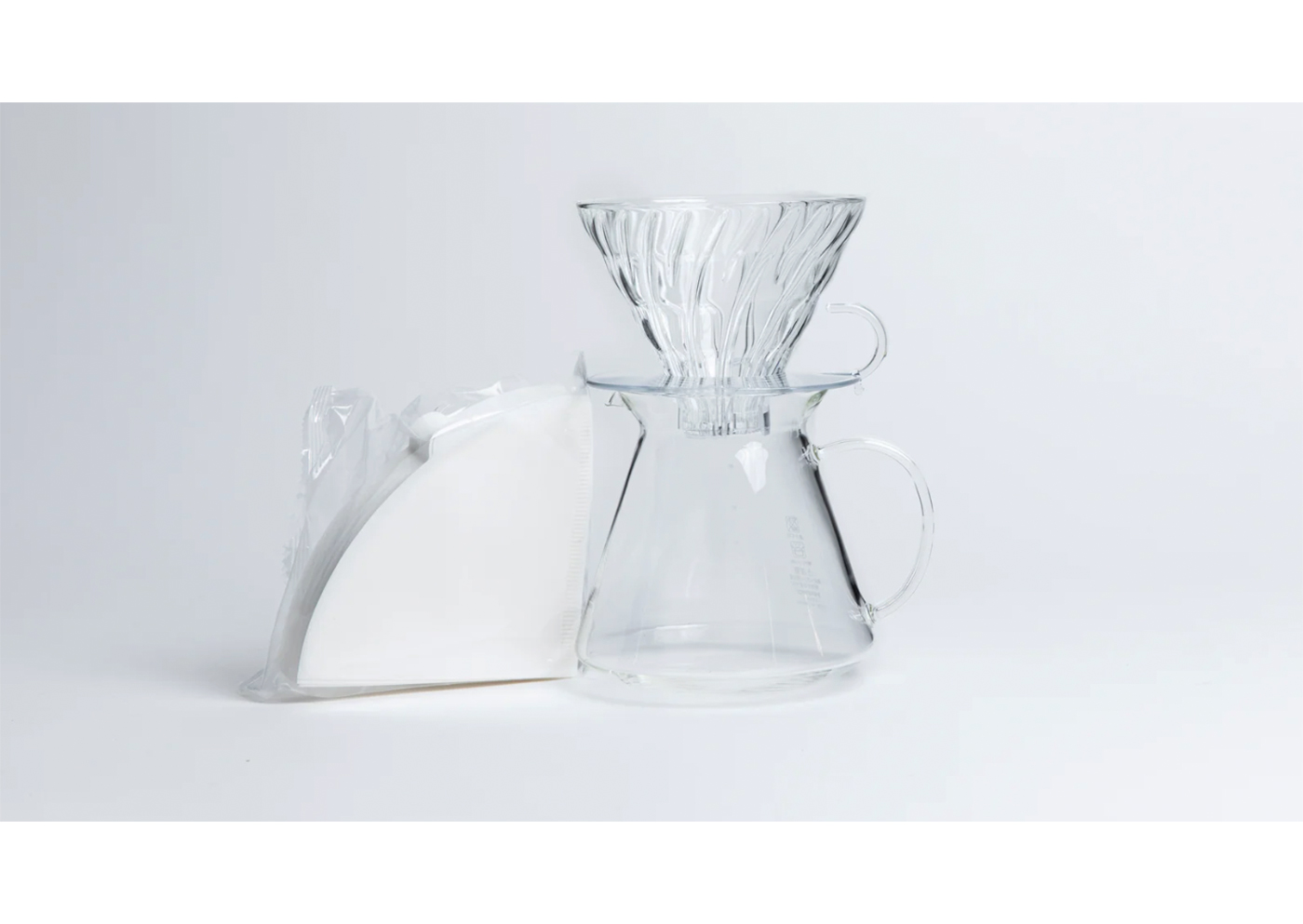
At the foundational level of the 2026 lineup is the Hario V60 “Simply” Glass Pour Over Kit. Hario, a Japanese company with a history in heat-resistant glass manufacturing dating back to 1921, has long been a staple of the specialty coffee movement. The “Simply” kit represents a return to minimalist aesthetics, providing a V60 Glass Coffee Dripper 02 with a clear round base, a matching all-glass server, and a 40-count pack of paper filters. Industry observers note that while Hario has experimented with various materials, including metal and ceramic, the resurgence of high-transparency glass kits reflects a broader consumer trend toward visual clarity and "clean" kitchen design in the mid-2020s.

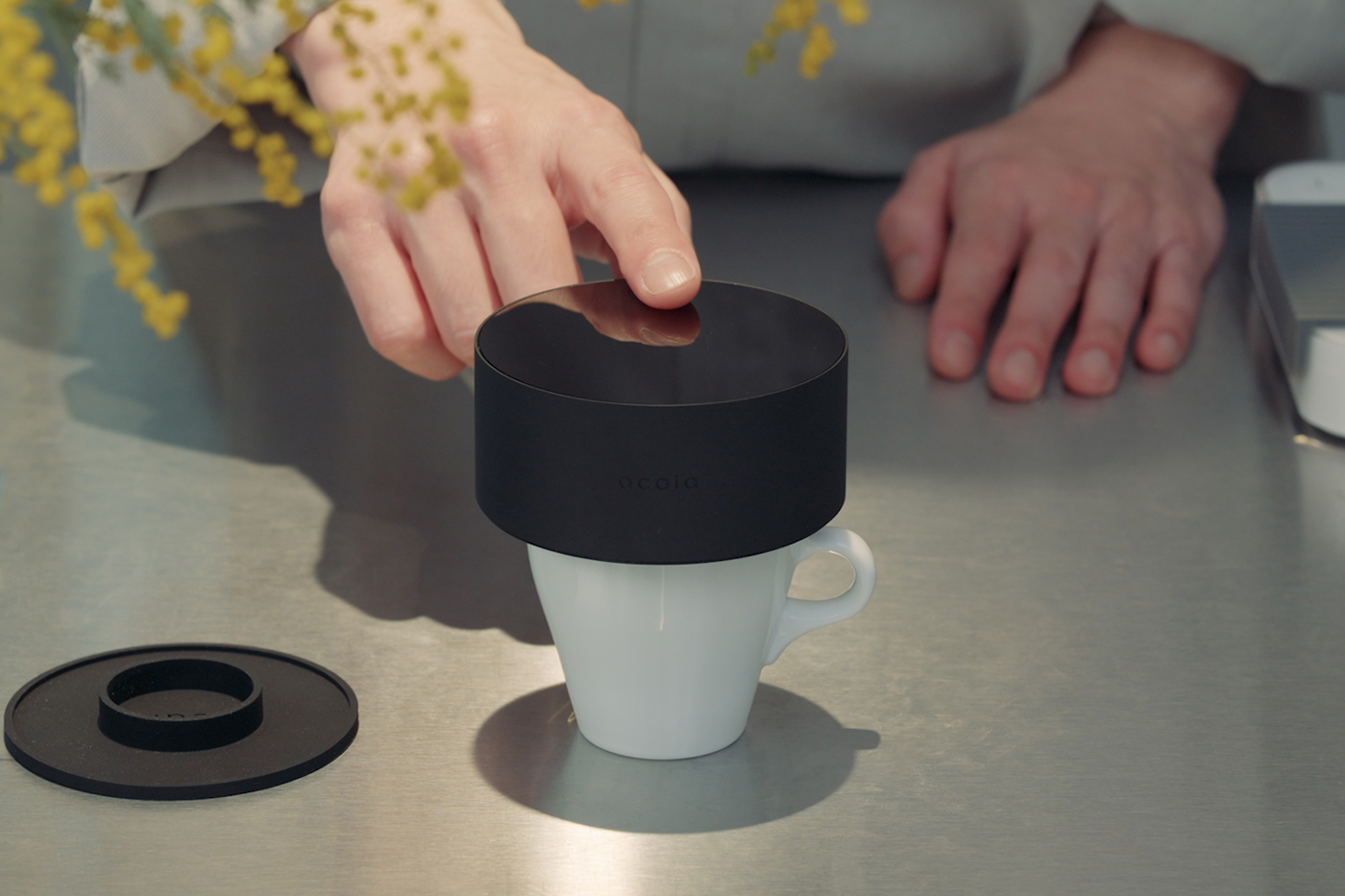
Contrasting this traditional approach is the Acaia Horizon, a product that signals a shift toward the chemical management of the brewing environment. Developed in collaboration with Swiss Barista Champion Mathieu Theis, the Horizon is designed to remove oxygen and carbon dioxide from the immediate atmosphere of the coffee cup. This process, according to Acaia, allows aromatics to intensify by preventing the masking effects of excess gases. The technology was a focal point at the World of Coffee event in San Diego, where it was demonstrated at Booth 1334. The Horizon represents a growing niche in the industry where manufacturers are no longer just focusing on the extraction of coffee solids, but on the preservation and enhancement of volatile aromatic compounds post-extraction.
Sustainability and Material Innovation in Thermal Vessels
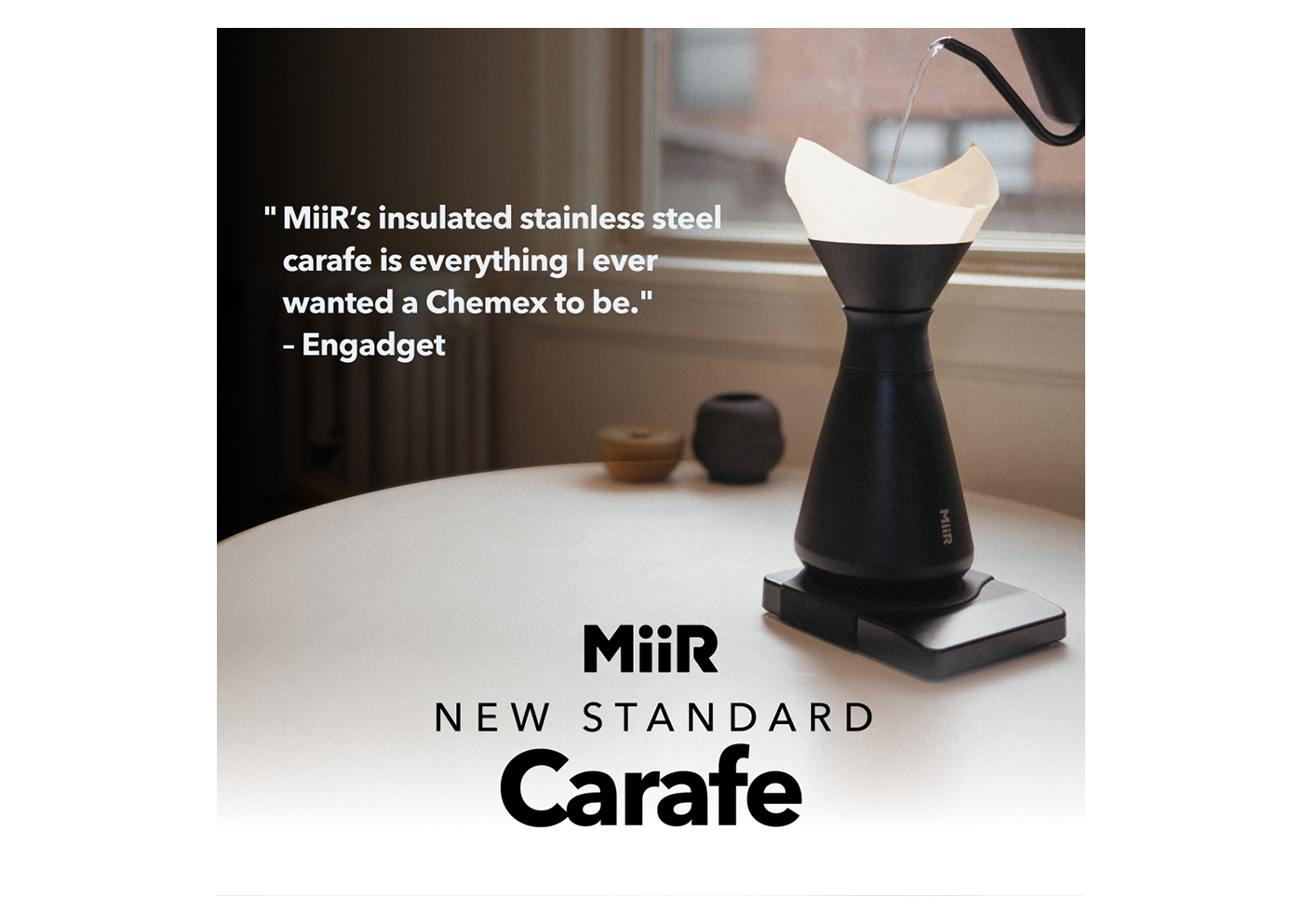
The 2026 initiative also highlights the intersection of corporate social responsibility and product design through the MiiR New Standard Carafe. MiiR, a B Corp-certified stainless steel drinkware brand, has integrated its proprietary Thermo 3D® double-wall vacuum insulation into a shatter-proof carafe. The product is now available with custom decoration options, catering to the growing demand for branded merchandise within the specialty cafe sector.
MiiR’s global footprint, spanning over 70 countries, underscores the logistical scale required for modern coffee gear manufacturers. As a B Corp, the company’s emphasis on transparency and environmental impact aligns with the values of the "Third Wave" coffee movement, which prioritizes ethical sourcing not just for beans, but for the hardware used to brew them. To coincide with the launch, a 25% discount code (SPRUDGE26) has been issued for the MiiR online store, signaling a strategic push to capture the mid-year gifting market.
Specialized Grinding and the "Variety-Specific" Burrs
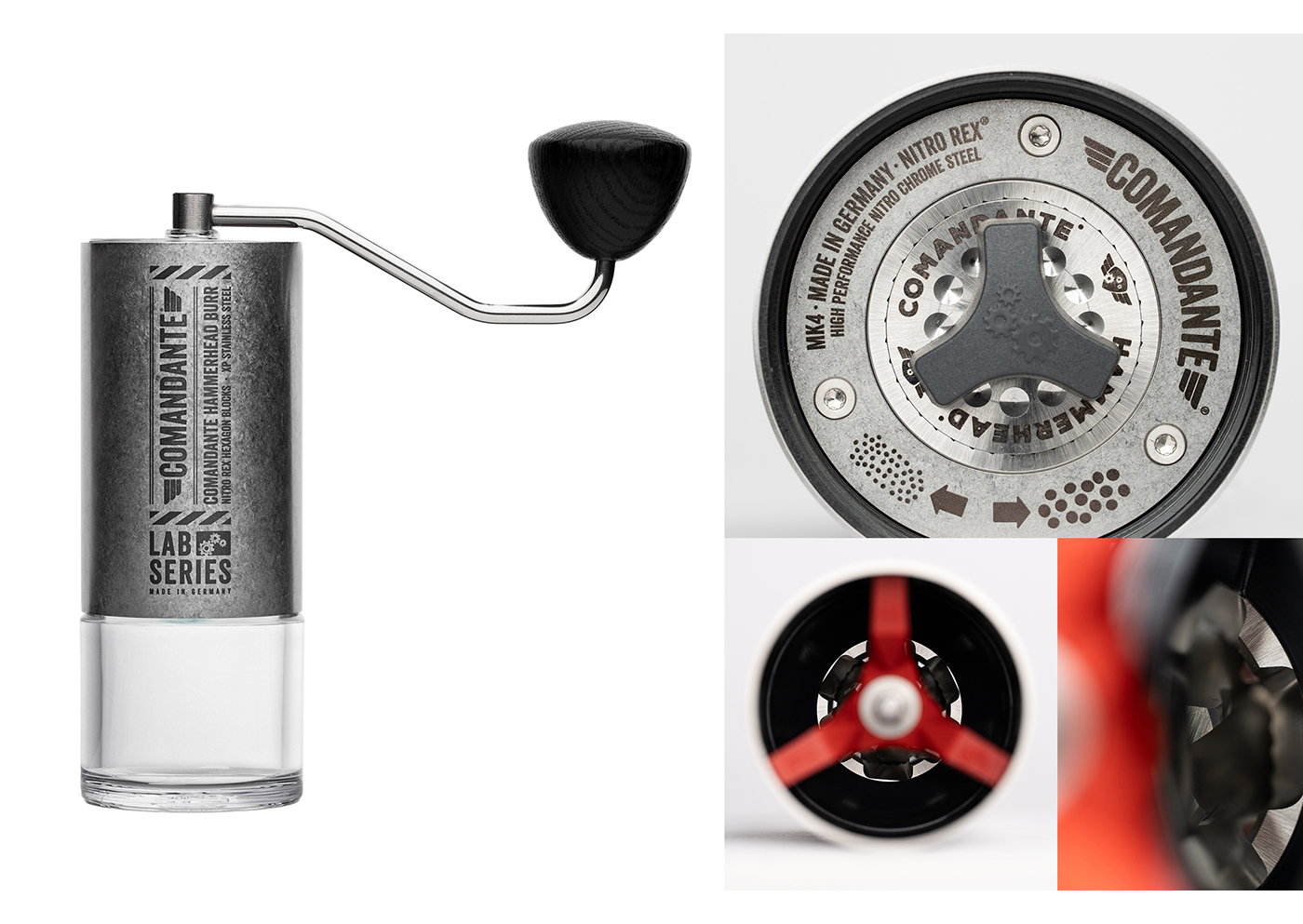
Perhaps the most technical entry in the current gear collection is the Comandante C40 Lab Series Hammerhead. Comandante, a German manufacturer known for its high-precision hand grinders, has introduced the "Lab Series" as a platform for experimental coffee exploration. The Hammerhead burr is notable for being perhaps the first burr geometry specifically tailored for a single coffee variety: the Yellow Pacamara.
Pacamara beans, a hybrid of Paca and Maragogype, are known for their large size and high density. Traditional burr sets often struggle with the physical dimensions of these beans, leading to inconsistent particle size distributions. Founder Bernd Braune’s development of the Hammerhead burr addresses this by optimizing the crushing and cutting phases for larger, fruit-forward beans. This level of specialization suggests that the high-end grinder market is moving away from "all-purpose" tools toward highly specialized instruments designed for specific botanical profiles.
Chronology of Home Espresso and Milk Steaming Innovation
The trajectory of the home espresso market can be traced through the inclusion of the La Marzocco Home Linea Micra and the Flair Wizard. La Marzocco, the Florentine manufacturer that has dominated the commercial espresso landscape for decades, fundamentally changed the home market with the 2015 launch of the Linea Mini. However, the 2023 release of the Linea Micra marked a more significant shift toward accessibility.
The Micra is a scaled-down version of the Linea Classic, featuring double boilers, proportional-integral-derivative (PID) temperature control, and a significantly smaller footprint than its predecessors. It has become the definitive answer for enthusiasts seeking professional-grade extraction in a domestic setting. Its presence in the 2026 gear list confirms its status as a foundational piece of equipment for the modern home barista.
Complementing the espresso extraction side is the Flair Wizard, a stovetop milk steamer. While many high-end espresso machines include steam wands, the Flair Wizard provides a professional-grade steaming solution for users of manual espresso makers or those who prefer separate components. The device is compatible with gas and induction stovetops and features a cool-touch wand, addressing a long-standing gap in the market for high-quality milk texturing without the need for a full commercial boiler system.
Ergonomics and Aesthetics in Brewing Accessories
The 2026 collection is rounded out by innovations in ergonomics and water resistance. The Dwell Dripper by Verve Coffee Roasters introduces a bottomless design made from BPA-free silicone. Verve, an innovator in the Santa Cruz coffee scene, designed the Dwell to facilitate a three-minute brew cycle that prioritizes ease of use. The choice of silicone and the inclusion of a specialized scooping spoon suggest a focus on durability and portability, catering to a demographic that brews coffee both in the kitchen and in outdoor settings.
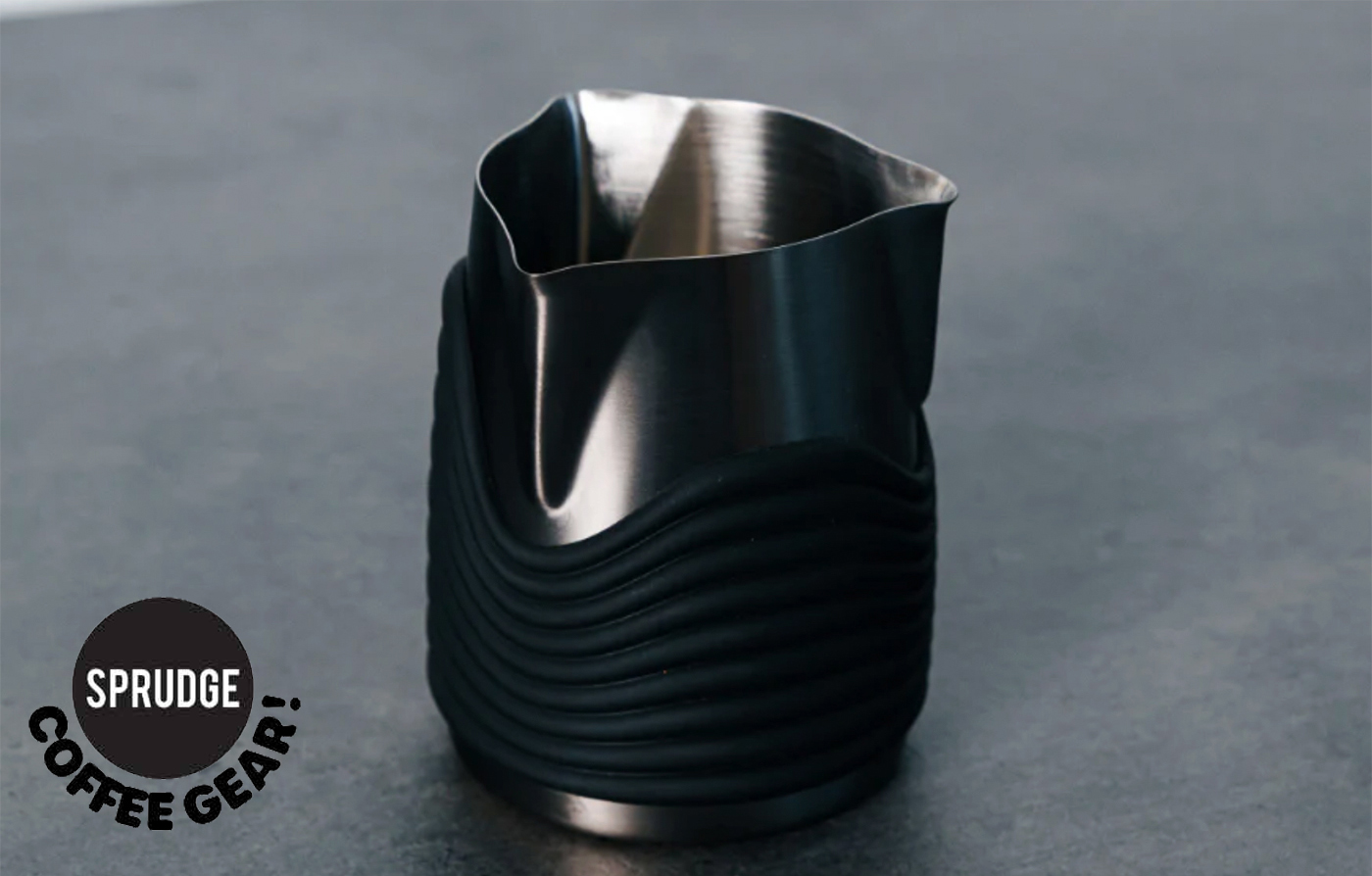
In the realm of latte art, Slow Pour Supply has introduced the Kimera, a handleless, tri-spout milk pitcher designed by Anita Tam. The Kimera set includes three distinct spout shapes—the #06 round, #07 narrow, and the new #08 high-precision tapered design—allowing baristas to switch between different styles of "drag and draw" latte art. This modular approach to milk pitchers highlights the increasing professionalization of latte art as a competitive discipline.

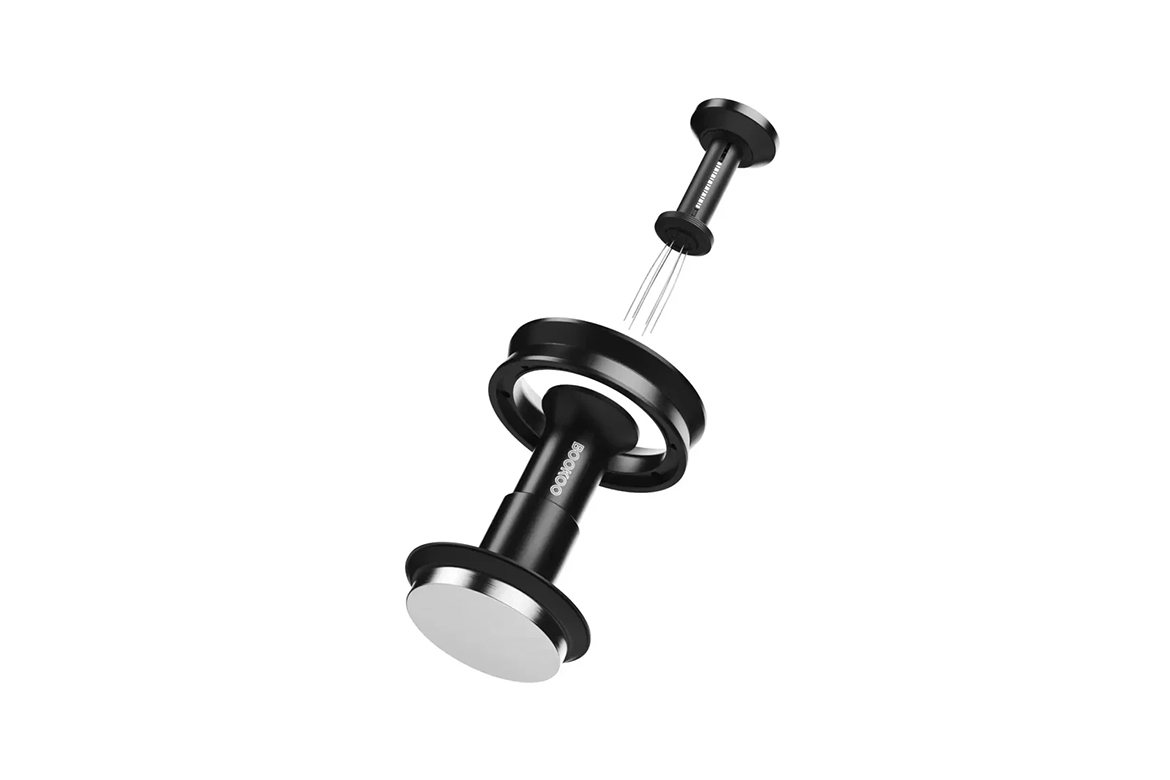
Finally, the BOOKOO Themis Ultra address the practical realities of the coffee bar environment. As an IP67-rated waterproof precision scale, it is built to withstand the steam and liquid spills inherent in espresso preparation. The scale features a 0.7-inch slim profile designed to fit under the low-clearance drip trays of modern espresso machines like the Linea Micra. With a 72-hour battery life and Bluetooth connectivity to the BOOKOO N App, the Themis Ultra represents the integration of digital workflow tracking into the physical brewing process.
Broader Impact and Industry Implications
The launch of the Sprudge Coffee Gear initiative in 2026 reflects several broader trends in the global coffee economy. First, there is a clear movement toward "professionalization of the home," where consumers are no longer satisfied with automatic drip machines and are instead investing in tools that offer granular control over variables like temperature, flow rate, and gas composition.

Second, the geographical diversity of the featured brands—ranging from Japan (Hario) and Germany (Comandante) to Italy (La Marzocco) and the United States (Verve, MiiR, Acaia)—demonstrates the globalized nature of coffee hardware innovation. Manufacturers are increasingly collaborating with champion baristas and sensory scientists to validate their products, as seen with Acaia’s partnership with Mathieu Theis.
Finally, the initiative highlights the role of media as a gatekeeper in an era of digital overstimulation. By providing a curated, weekly focus on specific tools, Sprudge is attempting to reduce the "choice paralysis" faced by modern consumers. As 2026 progresses, the Coffee Gear program is expected to expand its scope to include more sustainable materials and AI-integrated brewing technologies, further defining the next decade of coffee culture.
The industry’s response to these releases suggests that the "Third Wave" of coffee has evolved into a "Technical Wave," where the quality of the bean is considered inseparable from the precision of the hardware used to prepare it. As these tools become more widely available, the gap between the cafe experience and the home kitchen continues to narrow, fundamentally altering the economics of the specialty coffee retail sector.