Cintya Tara Annisa
The global specialty coffee sector continues to experience a transformative period characterized by highly specific sourcing, experimental fermentation techniques, and a deepening focus on producer equity. This week’s curation of coffee offerings from leading international roasters serves as a barometer for these industry shifts, showcasing a move away from generic commodity trading toward a model defined by botanical variety, micro-climate specificity, and transparent supply chains. From the high-altitude volcanic soils of Java to the innovative "anaerobic" fermentation tanks in Colombia, the current market reflects a sophisticated consumer base that demands not only quality in the cup but a clear narrative of origin and social impact.
The Evolution of Processing: Beyond Washed and Natural
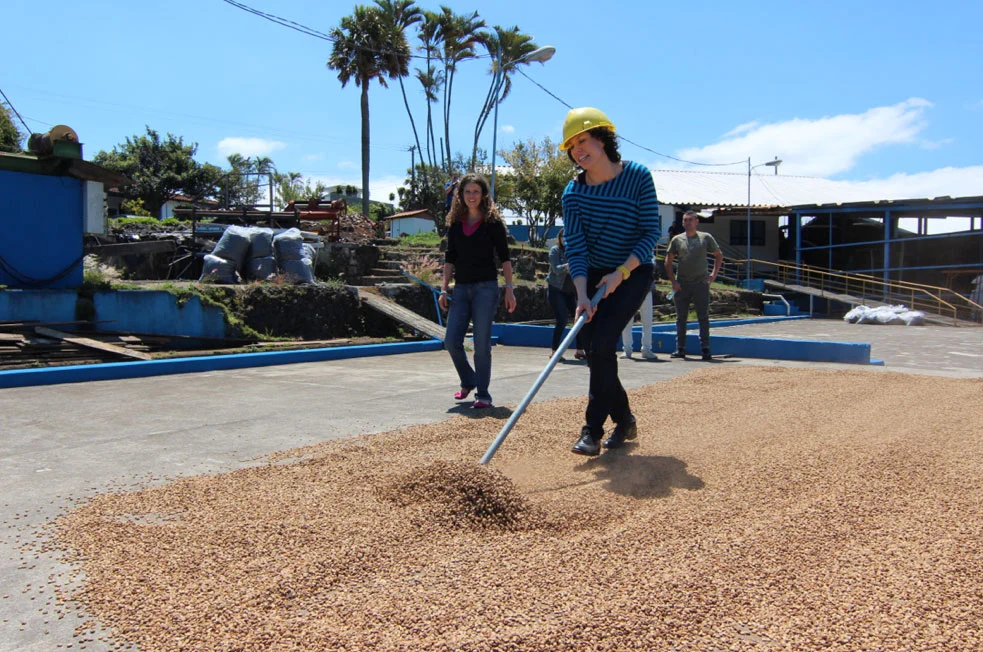
A significant trend identified in the current selection of specialty coffees is the refinement of experimental processing methods. Traditionally, coffee was processed via two primary methods: washed (removing the fruit before drying) or natural (drying the cherry whole). However, the modern roaster’s portfolio now frequently includes "extended fermentation" and "anaerobic" processes, which are designed to manipulate the chemical composition of the bean to produce specific flavor precursors.
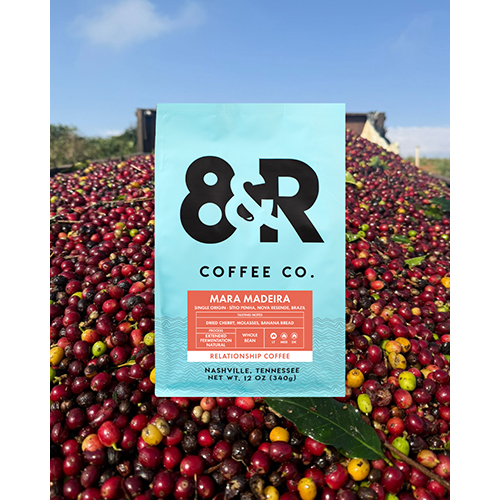
In the Sul de Minas region of Brazil, the mother-daughter duo behind Mara Madeira, featured by 8th & Roast, has utilized an extended fermentation natural process. This method involves allowing the coffee cherries to sit in a controlled environment longer than usual, facilitating a deeper breakdown of sugars. This technique often results in a heavier body and complex flavor notes such as molasses and dried cherry, representing a departure from the traditionally nutty and chocolate-forward profiles associated with Brazilian exports.
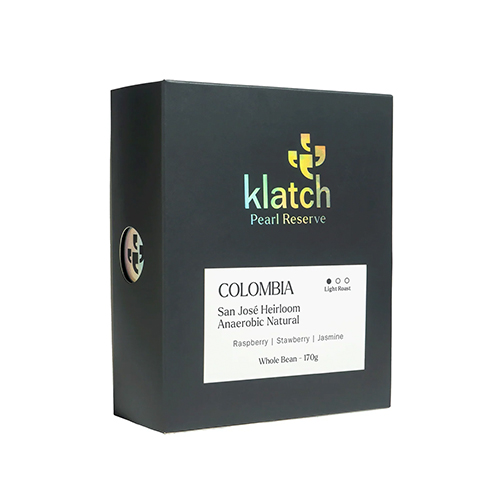
Similarly, Klatch Coffee has highlighted a Colombia San José Heirloom Anaerobic Natural. Anaerobic fermentation—where the coffee is fermented in oxygen-depleted tanks—has become a hallmark of the "fourth wave" of coffee. By controlling the environment to exclude oxygen, producers can encourage the growth of specific yeasts and bacteria that produce lactic acid and esters, leading to the vibrant raspberry and jasmine notes found in this particular lot. Such coffees often command significant premiums at auction, reflecting the increased labor and risk associated with these precise processing requirements.
Geographic Diversity and the Rise of Resilient Varieties
The geographical spread of this week’s offerings underscores the global nature of the specialty market, with a notable emphasis on Central and South American innovation alongside traditional East African profiles.
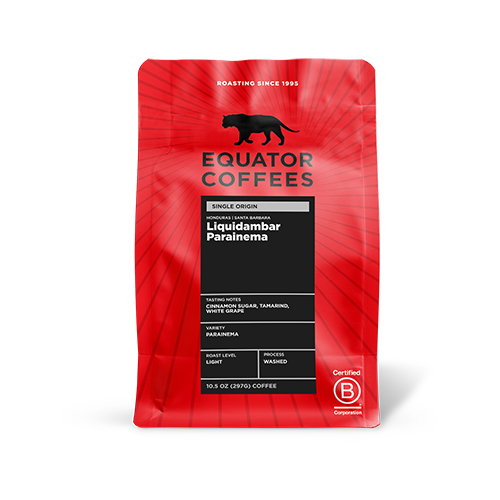
In Honduras, the Liquidambar farm, featured by Equator Coffees, has focused on the Parainema variety. This variety is particularly noteworthy within the industry for its resistance to coffee leaf rust (Hemileia vastatrix), a fungal disease that has devastated crops across the Americas. While many rust-resistant hybrids are criticized for poor cup quality, the Parainema is celebrated for its unique botanical and floral notes. Michelle, the Head Roaster at Equator, noted that the roasting profile for this year’s lot was specifically developed to highlight a "sweet cinnamon pastry quality" and "tropical fruit acidity," demonstrating how roasters must adapt their technical approach to the specific genetics of the bean.
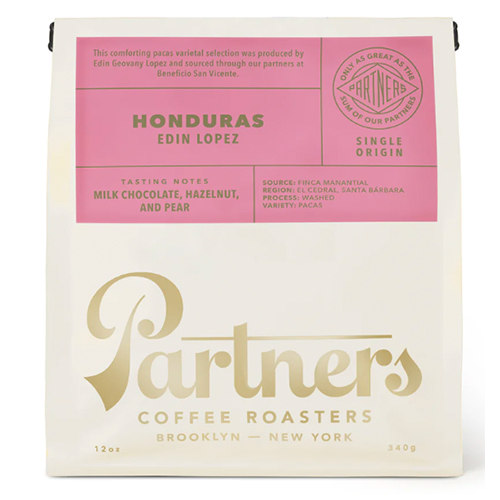
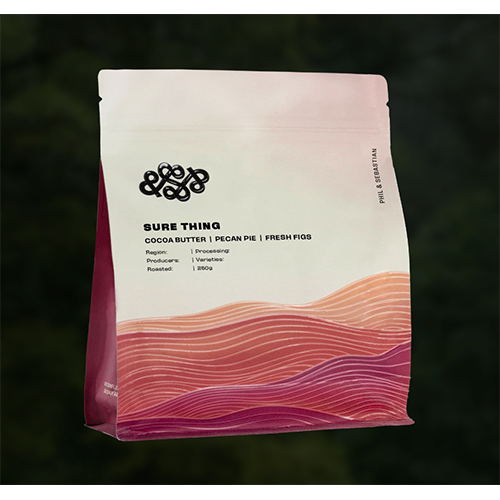
The Santa Barbara region of Honduras remains a focal point for high-quality Pacas varieties. Partners Coffee’s selection from producer Edin Lopez and Phil & Sebastian’s "Sure Thing" blend both draw from this region. These offerings highlight the importance of "beneficios" (processing mills) like San Vicente, which act as hubs for quality control and market access for smallholder farmers. The flavor profiles here—milk chocolate, hazelnut, and red apple—represent the "comfort" segment of the specialty market, which remains essential for consumer retention.

African Heritage and the Cooperative Model
While Latin America leads in experimental processing, East Africa continues to set the standard for traditional washed coffees with high acidity and floral complexity. Blueprint Coffee’s offering from the Gichathaini Factory in Kenya illustrates the enduring success of the cooperative model. Gichathaini is part of the Gikanda Farmer’s Cooperative Society, a structure that allows small-scale farmers to pool resources for processing and marketing.
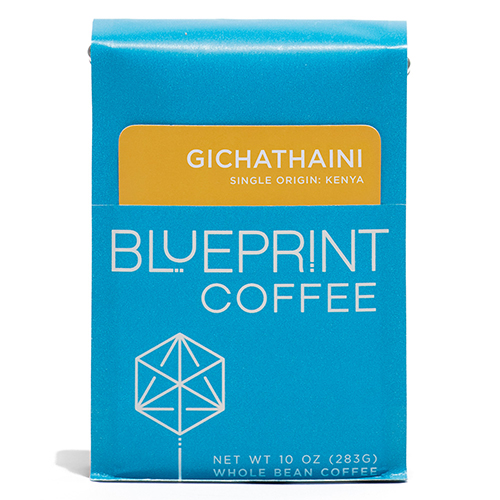
Kenyan coffees are often prized for their "SL" (Scott Laboratories) varieties, which are known for intense phosphoric acidity and dark fruit notes. The Gichathaini lot exhibits these classic characteristics with notes of baked pineapple and a molasses finish. The transparency of the cooperative model ensures that a larger percentage of the export price returns to the farmers, a critical factor in the economic sustainability of the region.
Social Equity and Identity in the Supply Chain
The specialty coffee movement is increasingly intersecting with social and political advocacy. Joe Coffee Company’s "Café Feminista" program is a primary example of this shift. This initiative specifically highlights coffees from women producers who identify with feminism and work toward equity within the industry. By creating a dedicated platform for women leaders, roasters are addressing the historical gender imbalances in land ownership and financial autonomy within coffee-growing communities.
This focus on social impact is not merely a marketing strategy but a response to data showing that gender-equitable farms often see higher productivity and better quality outcomes. Programs like Café Feminista help to reduce barriers to market entry for marginalized groups, fostering a more resilient and just global supply chain.
Strategic Blending: Balancing Consistency and Complexity
While single-origin coffees allow for the exploration of specific terroirs, signature blends remain the economic engine for many roasting companies. These blends are engineered for consistency, ensuring that wholesale clients and home brewers have a reliable flavor profile regardless of seasonal fluctuations.
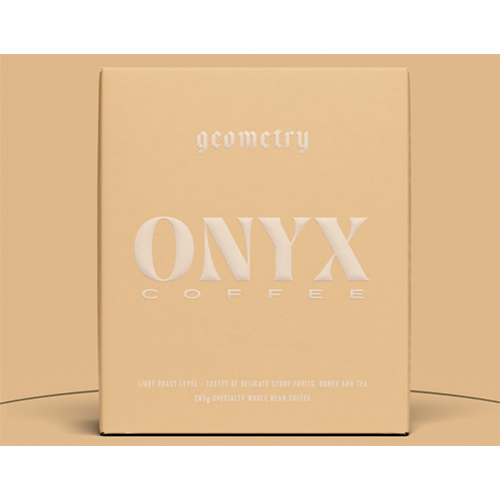
Onyx Coffee Lab’s "Geometry" blend, which combines washed Ethiopian and Colombian beans, is designed for versatility across both filter and espresso brewing methods. This approach reflects a sophisticated understanding of blending, where the citrus and floral notes of the Ethiopian component are balanced by the structure and sweetness of the Colombian base.
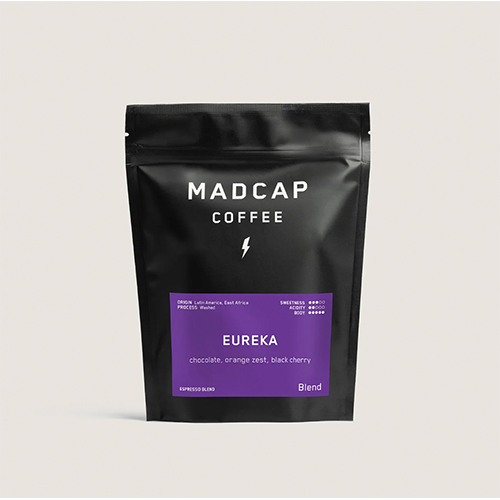
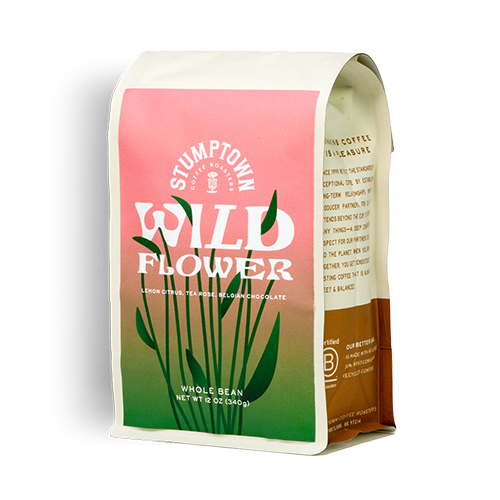
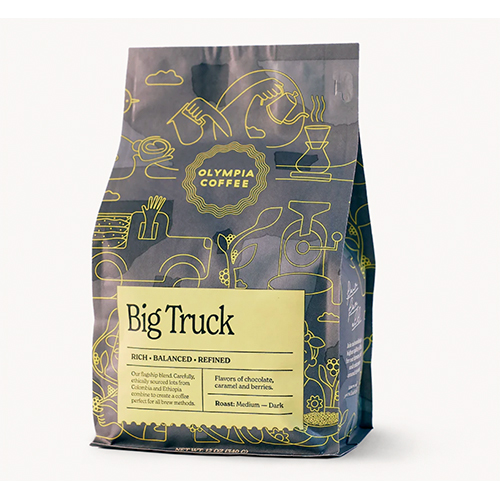
Similarly, Olympia Coffee’s "Big Truck" and Stumptown Coffee Roasters’ "Wild Flower" seasonal blend demonstrate the art of "post-roast" and "pre-roast" blending. Stumptown’s combination of Papua New Guinea and Rwanda beans creates a unique flavor profile that would be impossible to achieve through a single origin alone, utilizing the distinct characteristics of two different continents to create a "spring" palette.
Technical Analysis of Market Implications
The current state of the specialty coffee market, as evidenced by these offerings, suggests several key implications for the future of the industry:
- Price Polarization: There is a growing gap between "entry-level" specialty coffee and "reserve" lots. Coffees like the Colombia San José Anaerobic or the various "Geisha" varieties (noted in broader market trends) are fetching prices that decouple them from the C-market (commodity) price of coffee.
- Technological Integration: Roasters are increasingly using data-driven roasting software to manage complex "Maillard" phases and development times, as mentioned by Equator Coffees. This allows for the replication of highly specific flavor profiles across different batches.
- Climate Adaptation: The promotion of varieties like Parainema indicates that the industry is beginning to prioritize climate-resilient crops. This will be essential as rising temperatures and unpredictable weather patterns threaten traditional Arabica growing regions.
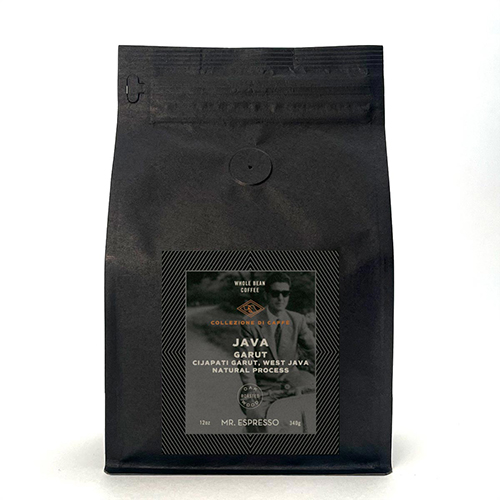
- Consumer Education: The detailed tasting notes—ranging from "kiwi and papaya" (Mr. Espresso’s Java Garut) to "plum and panela" (PERC’s Super Power Plum)—show that roasters are training consumers to appreciate coffee with the same level of scrutiny as fine wine or craft spirits.
Chronology of the Modern Specialty Coffee Movement
To understand the context of these current offerings, one must look at the timeline of the industry’s development:
- 2000–2010: The "Third Wave" gains momentum, focusing on lighter roast profiles and direct trade relationships.
- 2010–2015: The rise of the "super-premium" segment, characterized by the global fame of the Geisha variety and the refinement of pour-over brewing methods.
- 2015–2020: Experimental fermentation becomes mainstream. Producers begin to win international competitions using anaerobic and carbonic maceration techniques.
- 2020–Present: A focus on "Total Transparency" and social equity. Roasters now provide detailed data on farm-gate prices, variety genetics, and the environmental footprint of their logistics.
Conclusion: The Path Forward
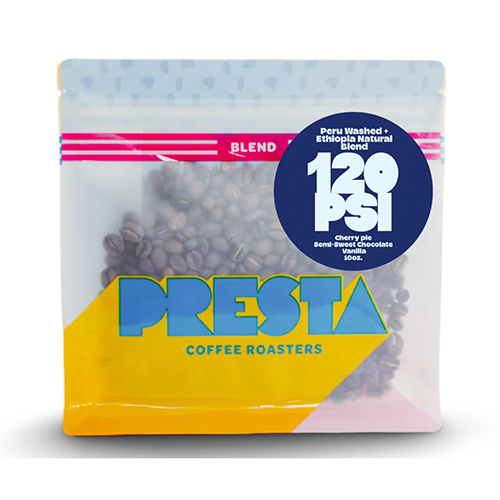
The collection of coffees presented by these industry leaders—from the volcanic loams of West Java to the high-pressure "120 PSI" house blends of Arizona’s Presta Coffee Roasters—represents a robust and maturing market. As the industry moves forward, the success of these roasters will likely depend on their ability to navigate the tension between experimental innovation and the need for economic stability among their producing partners.
The "Roaster’s Village" model, which facilitates direct connections between these talented roasters and a global audience, is a testament to the power of digital communities in sustaining the specialty coffee ecosystem. By prioritizing quality, transparency, and the unique stories of the people behind the beans, the specialty coffee sector continues to redefine what is possible in a cup of coffee, transforming a daily ritual into a sophisticated exploration of global culture and agronomy.