
 Indra Kusuma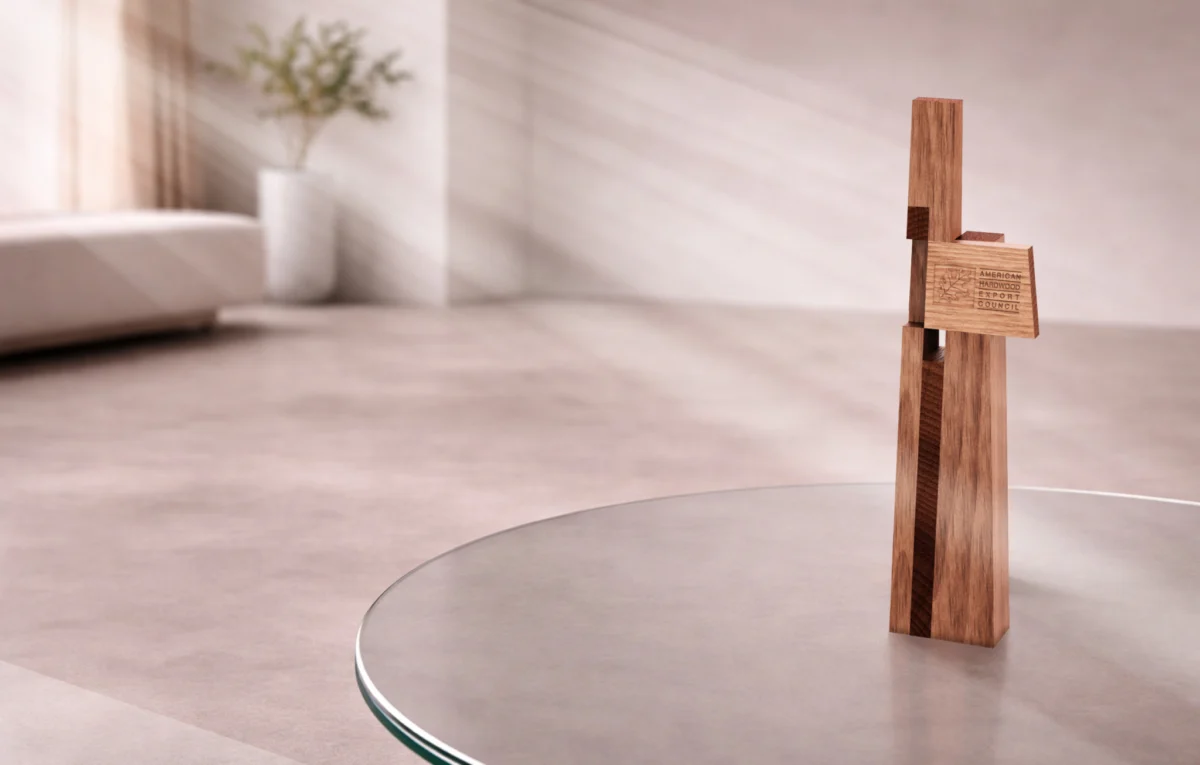
As the global design industry grapples with increasingly urgent questions surrounding sustainability, the environmental impact of overproduction, and the true essence of meaningful innovation, the physical Clerkenwell Design Week (CDW) Award for this year emerges as a profoundly grounded statement. It is an object not merely designed, but rather shaped intrinsically by its process, material intelligence, and the understated poetry inherent in the act of making itself. This approach signals a significant pivot within the design community, moving towards a more thoughtful and ethically conscious methodology that prioritizes provenance, craft, and the enduring narrative of natural materials.
Clerkenwell Design Week: A Hub for Innovation and Discourse
Clerkenwell Design Week, established in 2010, has rapidly cemented its position as one of the UK’s leading independent design festivals, attracting a diverse international audience of designers, architects, manufacturers, and enthusiasts. Spanning three vibrant days each May, the festival transforms London’s historic Clerkenwell district – home to more design businesses and architects per square mile than anywhere else on the planet – into a dynamic showcase of cutting-edge design. With an annual attendance often exceeding 35,000 visitors and featuring over 200 exhibiting brands across various showrooms and venues, CDW serves as a vital platform for product launches, thought-provoking installations, and critical discussions that shape the future of the design landscape. The CDW Awards, a cornerstone of the festival, are designed to recognize and celebrate excellence across various categories, highlighting products, projects, and individuals who demonstrate exceptional innovation, functionality, and aesthetic appeal. In recent years, the criteria for these awards have increasingly integrated principles of sustainability and responsible design, reflecting a broader industry shift towards environmental stewardship. The selection of Henry Marks’ design for this year’s physical award underscores this commitment, signaling a deliberate emphasis on craft, material authenticity, and process-driven creativity as key benchmarks for contemporary design achievement.
Henry Marks’ Transformative Journey: From Desk to Workshop
The sculptural award, meticulously crafted from American cherry, is the brainchild of Henry Marks, founder of Marks Design. For Marks, whose extensive professional background spans nearly two decades in exhibition design and fine woodworking, this project represents not only a celebration of craft as an aesthetic language but also a deeply personal and professional re-evaluation. His career had seen him design and deliver complex museum, exhibition, and commercial environments across the UK and internationally, a trajectory characterized predominantly by desk-based conceptualization and project management. However, a profound turning point arrived following the unprecedented global challenges posed by the pandemic and, more poignantly, the passing of his father. These life events prompted a period of introspection, leading Marks to re-examine his relationship with creativity and the tangible aspects of design.
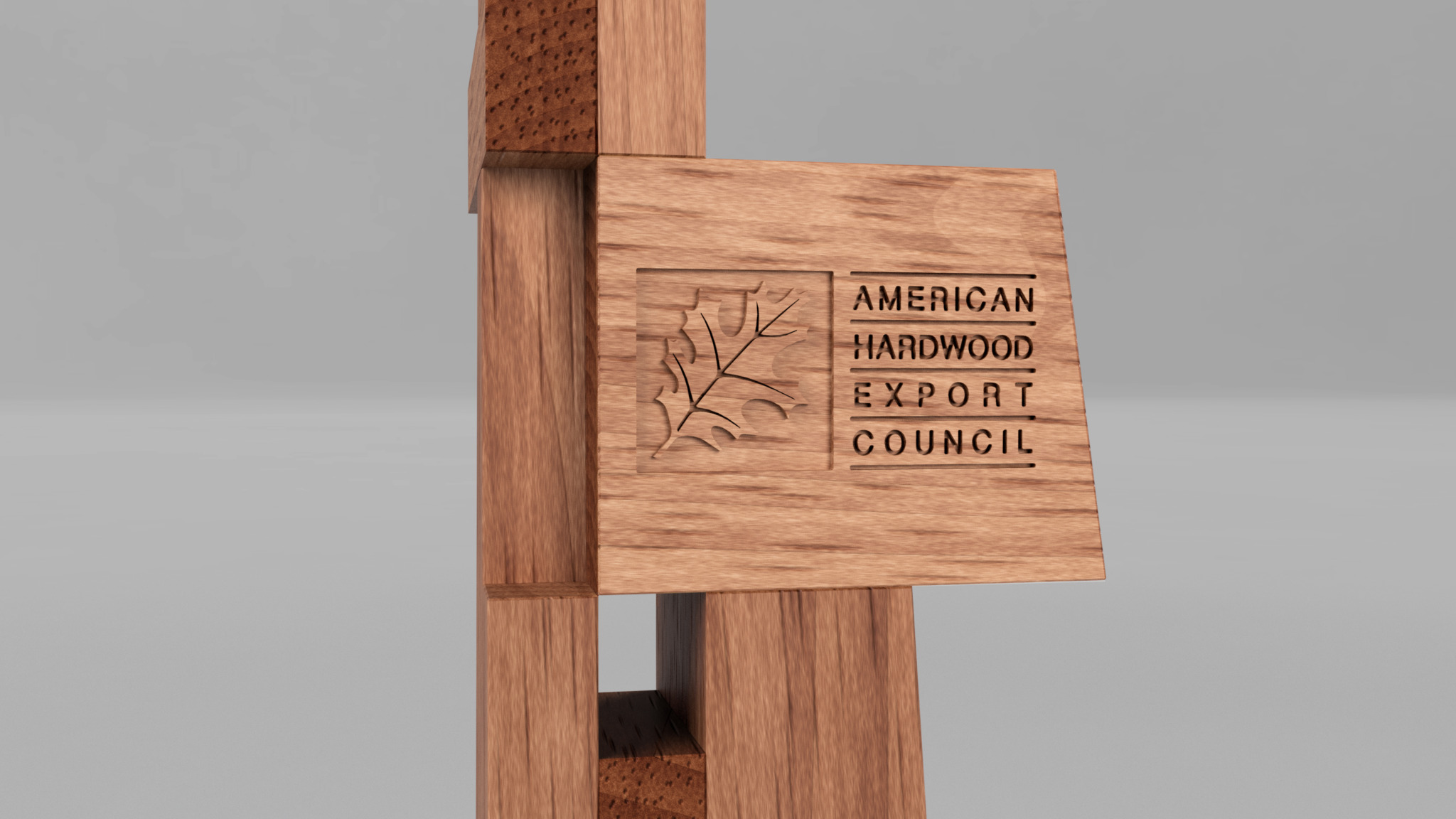
"After years of predominantly desk-based work, I wanted to reconnect with the physical and hands-on side of the creative process," Marks explains, articulating a sentiment shared by many designers seeking a more direct engagement with their craft. This desire for material connection led him to enroll in a Fine Woodwork, Furniture Design & Making Diploma at London’s prestigious Building Crafts College. This academic pursuit marked a deliberate pivot towards a materially driven practice, where the act of making itself becomes the genesis of form. This shift is not merely a change in technique but a fundamental reorientation of his design philosophy, emphasizing intuition, material response, and the inherent intelligence of traditional craft disciplines.
Sculpting with Process: The Philosophy Behind the Award
Marks’ approach to the CDW award was far from conventional. Rather than conceiving it as a traditional trophy—a static symbol of achievement—he reframed the commission as an intensive exploration of woodworking itself. This conceptual shift allowed the final object to evolve organically around three foundational gestures: "interlock," "offset," and "receive." Each of these gestures is not arbitrary but directly derived from the fundamental physical logic of joinery and timber construction, showcasing how the inherent properties and techniques of the material dictate the design.
"The ‘ah-ha’ moment came when I stopped thinking about the object as a traditional trophy and instead approached it as a sculptural response to woodworking processes," Marks recounts. This epiphany liberated the design from preconceived notions of what an award "should" look like, allowing the material and its manipulation to guide the aesthetic. "Once I allowed the geometry to be shaped by machining, offsets, rebates and voids created through making, the design became much more resolved and authentic to the material." This statement underscores a critical principle: when design genuinely responds to the capabilities and limitations of its material, the resulting form achieves an undeniable authenticity and integrity. The award’s intricate joinery, the precise interplay of positive and negative spaces, and the dynamic relationships between its constituent parts are not decorative additions but rather essential expressions of its making. This design methodology stands in stark contrast to industrial production where materials are often forced into pre-determined forms, frequently masking their true nature.
The American Hardwood Export Council Partnership: Advocating Material Intelligence
This material-first, process-driven approach resonated profoundly with the American Hardwood Export Council (AHEC), an organization dedicated to promoting American hardwoods globally and advocating for materially literate, responsible design. AHEC’s involvement was not about commercial branding but about fostering a deeper, more informed conversation around the materials themselves. "We’re not interested in branding," asserts David Venables, European Director of AHEC. "We want to talk about a material." This clear mission aligns perfectly with Marks’ vision, creating a partnership centered on education and authentic material expression rather than mere product promotion.
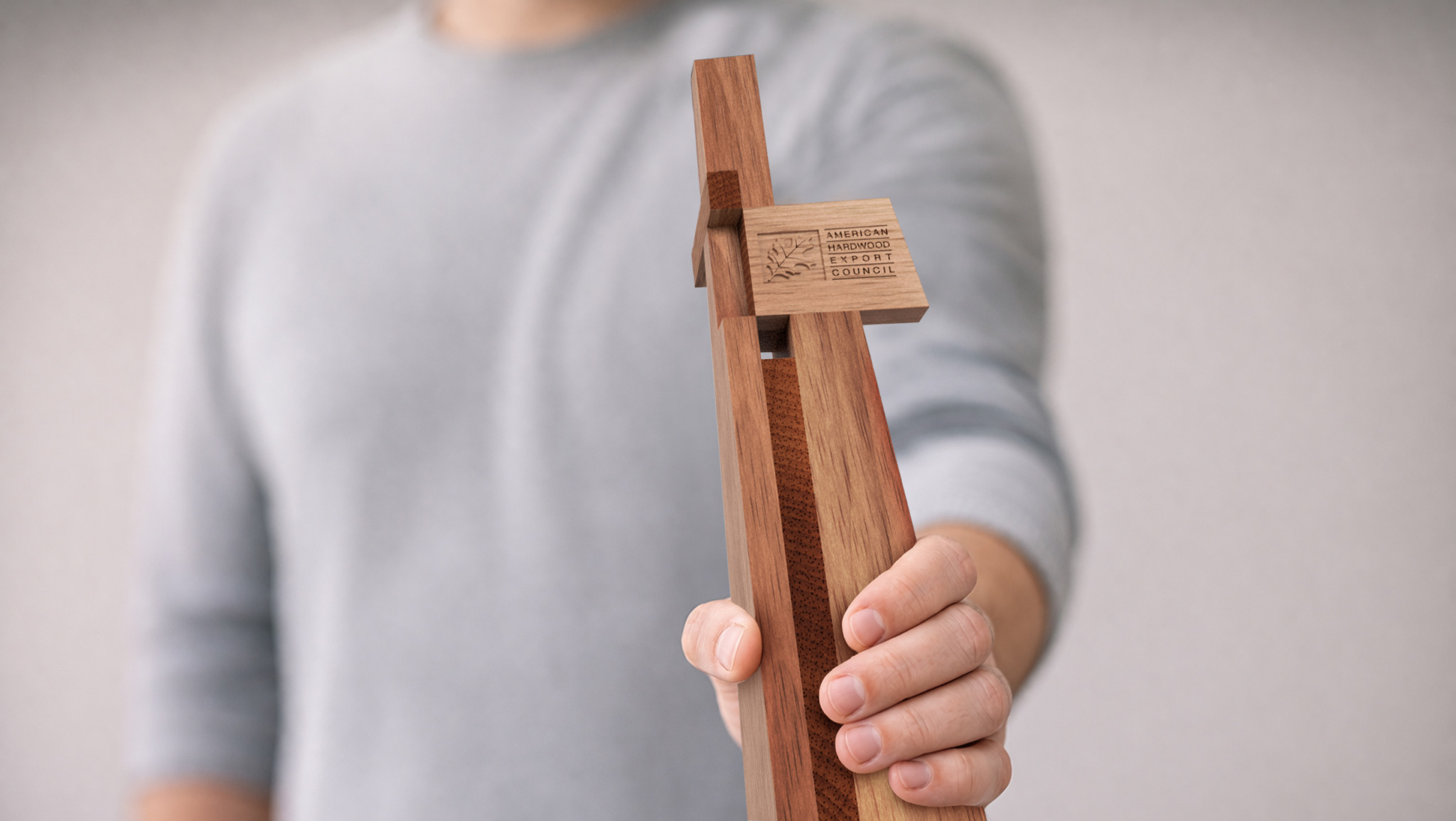
The choice of American cherry for the award is particularly significant. American cherry (Prunus serotina) is prized for its fine grain, warm reddish-brown heartwood, and excellent workability. Beyond its aesthetic qualities, it is also a highly sustainable resource. According to AHEC’s comprehensive environmental lifecycle assessment data, American hardwoods, including cherry, are sourced from vast, sustainably managed forests where growth consistently outpaces harvest rates. The volume of standing hardwood timber in the U.S. has more than doubled since 1953, demonstrating a robust and regenerative resource. This ecological integrity is a crucial element of the award’s underlying message, connecting sophisticated design with responsible sourcing. The partnership with AHEC ensures that the materials used are not only beautiful but also ethically sound, providing a tangible example of how design can integrate environmental responsibility from its very foundation. This collaboration also serves to highlight the intrinsic value of natural resources, advocating for their thoughtful application in an era often dominated by synthetic alternatives.
Embracing Nature’s Imperfections: A New Standard for Authenticity
Each award, crafted from American cherry supplied by AHEC, intentionally showcases the natural variations that are often meticulously eliminated in commercial production. Tonal shifts, subtle knots, and unique grain patterns are not hidden but embraced by Marks as defining features rather than imperfections. "I was interested in exposing both long grain and end grain within the final form," Marks elaborates, "allowing tonal variation and texture to become defining visual features of the object." This deliberate celebration of natural idiosyncrasies challenges conventional notions of perfection in manufacturing, which often equates uniformity with quality. Instead, Marks advocates for an appreciation of the organic, recognizing that each piece of wood carries a unique history and character.
For David Venables, this embrace of variation speaks directly to the future of responsible design. "Nature doesn’t do consistency," he states. "Every single piece of wood is different… that’s the celebration." In an era increasingly saturated with engineered surfaces and synthetic imitations of timber, the award stands as a powerful counter-narrative. It foregrounds the sensory and emotional qualities that only real wood can provide—its warmth, its tactile surface, its distinctive scent, and the subtle visual nuances that evolve over time. This approach promotes a deeper material literacy, encouraging designers and consumers alike to value the authentic beauty and inherent variability of natural resources. It also implicitly critiques the environmental costs associated with the production of synthetic materials, many of which rely on non-renewable resources and complex manufacturing processes. By highlighting the unique qualities of natural wood, the award encourages a shift towards materials that are not only renewable but also possess an inherent aesthetic richness that manufactured alternatives struggle to replicate.
The Collaborative Craft: Refining Form Through Making
The production process itself further reinforced these core values of authenticity and material intelligence. Marks collaborated closely with skilled maker Moe Reddish, engaging in an iterative design and refinement process driven by practical considerations of timber movement, grain direction, and lamination techniques. This was not a linear process where design was finalized before handing it over for production; rather, the workshop became an integral part of the design studio. "Rather than treating production as a separate stage," Marks explains, "the workshop processes became the driving force behind the object’s geometry, character, and meaning." This collaborative, hands-on methodology ensured that the final design was not just aesthetically pleasing but also structurally sound and respectful of the material’s properties. It allowed for on-the-spot adjustments and discoveries, where the material itself would often suggest the optimal path forward. This synergy between designer and maker, conceptualization and execution, is a hallmark of true craftsmanship and a powerful model for future design practices. It demonstrates that the most innovative solutions often arise from a deep understanding and direct interaction with the physical world, moving beyond purely digital representations.
A Lasting Legacy: Implications for Sustainable Design Culture
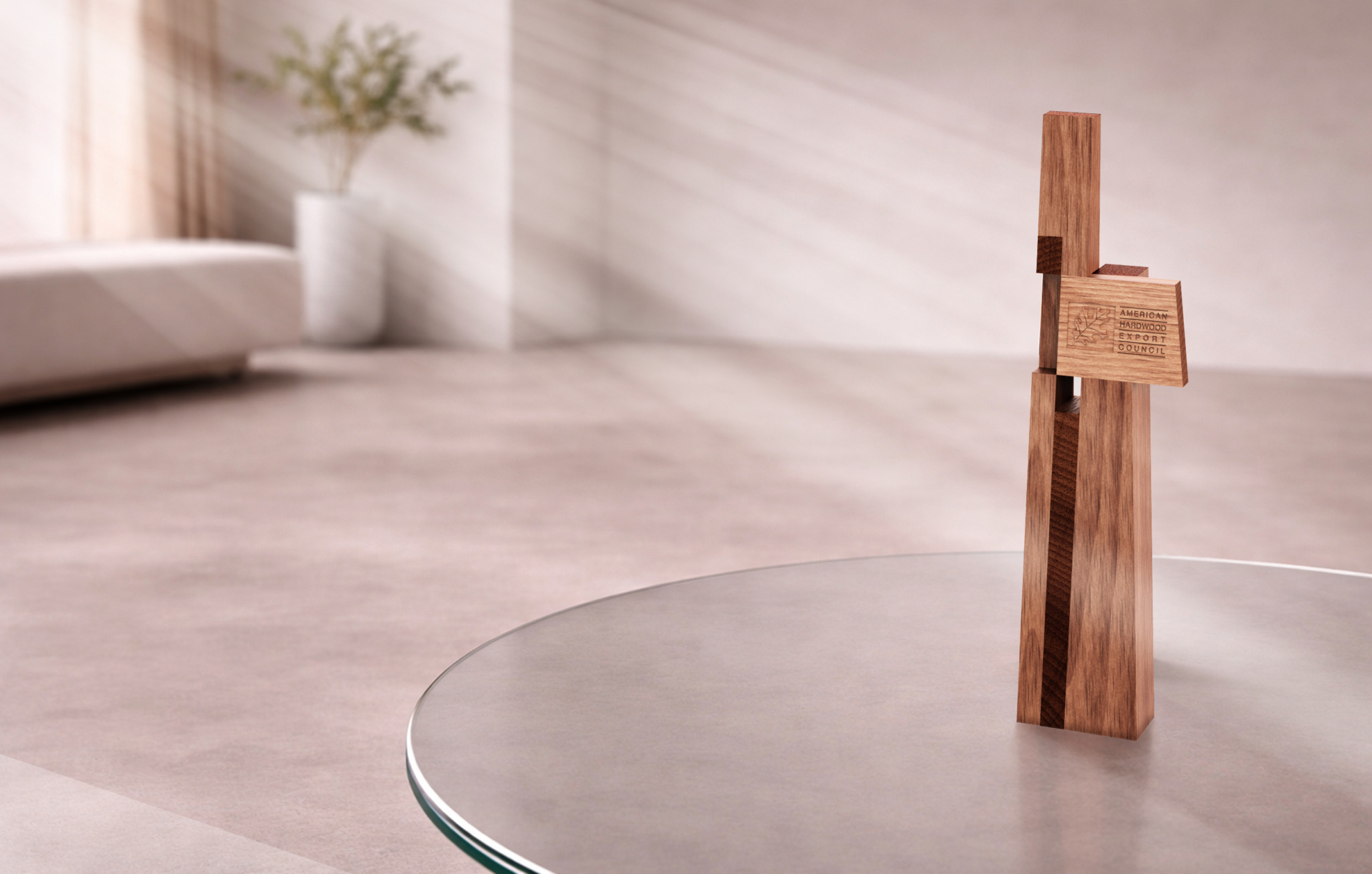
The Clerkenwell Design Week Award, designed by Henry Marks, is more than just a prize; it is a tangible manifesto for a more conscious and sustainable design culture. It encapsulates a rich material story that is designed to evolve long after the initial ceremony. As the American cherry wood naturally deepens in tone over time, acquiring a richer patina, it will continue to carry the indelible marks of its process, the touch of human hands, and the subtle wear of use. This natural aging process is not a flaw but an intrinsic part of its beauty and narrative, mirroring the way life experiences enrich our own stories.
The broader implications of this award for the design community are significant. It serves as a potent reminder that in an increasingly digitized and mass-produced world, there is profound value in reconnecting with the physical, the crafted, and the authentic. It champions a design philosophy where sustainability is not an afterthought but is woven into the very fabric of creation—from responsible material sourcing to process-driven forms and the celebration of natural variations. This approach challenges designers to look beyond superficial aesthetics and delve into the deeper intelligence of materials and the integrity of making.
Furthermore, this award highlights the growing importance of "slow design" principles, advocating for products that are durable, meaningful, and designed to last, resisting the fleeting trends of disposable consumption. By emphasizing the unique character of natural wood and the narrative embedded within its grain, Marks’ award encourages a more respectful relationship between humanity and its resources. It fosters an appreciation for the intrinsic value of well-made objects that tell a story, age gracefully, and contribute positively to our built environment. In a world increasingly reckoning with ecological limits and the imperative for circular economies, the Clerkenwell Design Week Award, through its thoughtful design and material integrity, offers a compelling vision for a more sustainable and artful future in design. It stands as a beacon for authenticity, craftsmanship, and a renewed reverence for the materials that shape our world.







