Angie Faith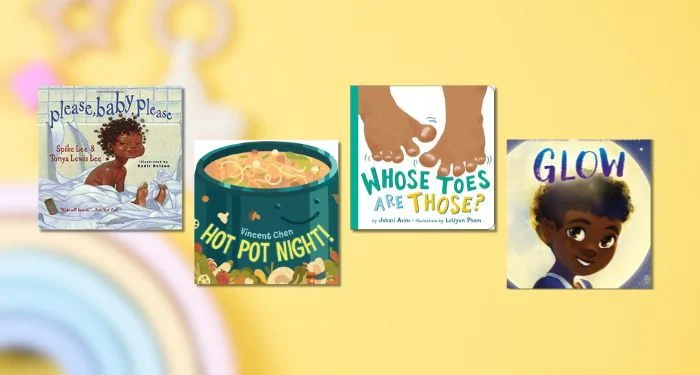
The profound impact of early literacy experiences on a child’s development is widely acknowledged by educators, developmental psychologists, and parents alike. The tactile familiarity of turning pages, the resonance of a storyteller’s voice, and the vivid imagery within a book collectively contribute to the formation of foundational cognitive and emotional skills. For parents, selecting the inaugural literary companions for their children is often a deliberate and heartfelt process, imbued with the hope of igniting a lifelong passion for reading and learning. This conscious curation extends to ensuring a diverse representation of characters and narratives, particularly through the growing availability of Books by and About People of Color (BIPOC) board books.
The significance of early exposure to diverse stories cannot be overstated. Research from organizations like The Cooperative Children’s Book Center (CCBC) at the University of Wisconsin-Madison has consistently highlighted the underrepresentation of BIPOC characters and authors in children’s literature. For instance, their annual "Where Are the People of Color?" report has, for years, shown a stark disparity between the demographics of the United States and the representation within published children’s books. In 2020, the CCBC reported that only 11.9% of children’s books published featured Black characters, 5.9% featured Asian characters, and 6.0% featured Latinx characters, while characters with disabilities and LGBTQ+ characters faced even more significant underrepresentation. This data underscores the critical need for intentional efforts to increase the presence of diverse voices and stories.
The introduction of BIPOC board books into a child’s home library serves a dual purpose: it provides enriching reading experiences while simultaneously fostering a sense of belonging and validation for children from these communities. Board books, with their durable pages and simple narratives, are specifically designed for the youngest learners, offering a safe and engaging entry point into the world of reading. The presence of characters who reflect a child’s own identity, culture, and lived experiences can significantly enhance their engagement with reading and build a positive self-image from an early age.

Early Encounters and Evolving Tastes
Parents often reflect on their own cherished childhood book memories, recognizing how these early interactions shaped their imaginations and fostered a deep connection with literature. The desire to replicate this formative experience for their own children is a common thread among book enthusiasts. As one parent, a professional within the book industry, shared, "I couldn’t wait to introduce my kids to books, and my husband and I got started right away reading aloud to our sleepy potatoes their very first days on Earth. One thing I knew for certain was that my babies would have access to a variety of BIPOC board books." This proactive approach reflects a growing awareness and commitment among caregivers to prioritize inclusive literature.
As children grow, their preferences and opinions about their home libraries become more pronounced. At two-and-a-half years old, the children in this scenario are described as being "as vocal and opinionated about their home library as I am." This highlights a key aspect of early childhood development: children are not passive recipients of information but active participants in their learning journey. Allowing them to "take the wheel and see what lands" can be a "fascinating and surprisingly freeing" experience, revealing their nascent interests and preferences. This child-led approach to reading selection can further solidify their engagement and foster a genuine love for books.
Curated Selections: Illuminating BIPOC Board Books
The following selection of BIPOC board books has been recommended by young readers and their discerning, book-industry-affiliated parent, offering a glimpse into titles that have resonated deeply within their household. These books not only entertain but also contribute to a richer understanding of diverse cultures and experiences.
Hot Pot Night! by Vincent Chen
Vincent Chen’s Hot Pot Night! has become a household favorite, eliciting enthusiastic renditions of "Hot pot! Hot pot!" from the children. The repetitive and engaging text, coupled with the relatable theme of preparing and sharing a meal, makes it a standout. The book captures the communal joy of a shared meal, a concept that deeply resonates with the value of food bringing people together. Set in a city apartment, the narrative offers a backdrop that is familiar to many young readers. The melodic and upbeat nature of the text, as described, contributes to its appeal, encouraging active participation from children who anticipate key phrases. The story’s exploration of community and shared culinary experiences, even in its simple board book format, provides valuable social-emotional learning opportunities. The book’s publication date in September 2020 places it within a period of increased focus on diverse representation in children’s media, reflecting a growing demand for such narratives.

Whose Toes Are Those? by Jabari Asim, illustrated by LeUyen Pham
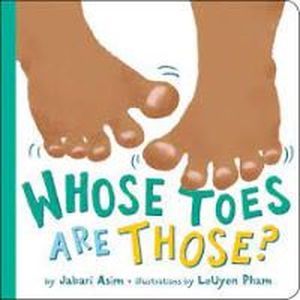
Jabari Asim’s Whose Toes Are Those?, with illustrations by LeUyen Pham, is credited with teaching children one of their first favorite words: "Toes." Initially drawn to the book’s adorable presentation, the children quickly adopted it as a regular request, particularly after discovering how to interact with its gestures and words. This rhyming board book cleverly incorporates the familiar "This Little Piggy" nursery rhyme, inviting interactive play and generating "squeals of laughter" from ticklish youngsters. A significant aspect of its appeal is its celebration of brown skin, a feature that holds particular importance in fostering positive self-perception among children of color. The book’s publication in October 2008, while an earlier entry, demonstrates a sustained interest in inclusive themes within children’s literature. The joy derived from this book, even to the point of children attempting to "eat its spine," underscores its profound impact and the strong bond formed with its content.
Glow by Ruth Forman, illustrated by Geneva Bowers
Ruth Forman’s Glow, part of a series that includes Curls, Bloom, and Ours, is poetry crafted for the youngest audiences, particularly suited for bedtime. In households where children experience pre-sleep energy bursts, a story with a "comforting, lulling quality" is invaluable. Glow delivers this, with its alliteration and "vibrant, idyllic illustrations" creating a soothing experience for both children and caregivers. The board book follows a Black boy through his calming bedtime ritual, a narrative that beautifully celebrates dark skin and offers a gentle transition into sleep. Published in May 2021, Glow aligns with contemporary efforts to produce diverse and inclusive children’s literature. The book’s ability to "swaddle and soothe" highlights the power of well-crafted language and imagery in creating a positive emotional environment.
Please, Baby, Please by Spike Lee and Tonya Lewis Lee, illustrated by Kadir Nelson
Spike Lee and Tonya Lewis Lee’s Please, Baby, Please, illustrated by the acclaimed Kadir Nelson, captures the playful antics of a spirited child testing their mother’s patience. While the children may not be aware of the celebrity authors, they are captivated by the relatable narrative of a kindred spirit navigating the challenges of early childhood. The cover’s "sly, pixie-like expression" perfectly embodies the story’s playful tone. Kadir Nelson’s illustrations are a significant draw, evoking laughter through scenes such as a baby baring their bottom for a diaper change or creating a "bath time tidal wave." The book’s enduring popularity, with a publication date around April 2006, speaks to its timeless appeal and the universal themes of parenting and childhood it explores. This particular title is noted as a personal favorite, demonstrating its significant impact on the reader and their family.
The Broader Landscape of Inclusive Children’s Literature
The growing availability and popularity of BIPOC board books are indicative of a broader shift in the publishing industry and societal consciousness. For decades, children’s literature often presented a narrow worldview, predominantly featuring white characters and Western cultural norms. This homogeneity, as documented by organizations like the CCBC, had significant implications for children from underrepresented backgrounds, potentially leading to feelings of invisibility or marginalization.
The emergence of dedicated imprints, initiatives, and a greater demand from parents and educators have fueled the creation and dissemination of diverse stories. This trend is not merely about representation; it is about enriching the literary landscape for all children, fostering empathy, broadening perspectives, and equipping young minds with a more nuanced understanding of the world.
Implications for Early Childhood Development and Education
The consistent presence of BIPOC characters and narratives in early learning materials has profound implications for child development:
- Enhanced Self-Esteem and Identity Formation: Children who see themselves reflected in books are more likely to develop positive self-images and a stronger sense of identity. This validation is crucial during the formative years of early childhood.
- Increased Empathy and Cultural Understanding: Exposure to diverse stories allows children to learn about different cultures, traditions, and perspectives, fostering empathy and respect for others. This is vital in preparing children to navigate an increasingly diverse world.
- Improved Literacy Engagement: When children connect with characters and stories that resonate with their own experiences, their motivation to read and learn increases significantly. This can lead to stronger reading skills and a lifelong love of literature.
- Challenging Stereotypes: Diverse books can actively challenge existing stereotypes and biases by presenting multifaceted characters and authentic cultural representations, promoting a more accurate and inclusive understanding of society.
The book industry’s response to the demand for BIPOC representation is an ongoing process. While progress has been made, continuous effort is required to ensure that the diversity seen in books accurately reflects the diversity of the readership. Initiatives like the "In Reading Color" newsletter, which focuses on literature by and about people of color, play a vital role in highlighting these important works and connecting readers with relevant content.
A Look Ahead: Sustaining the Momentum
The journey towards truly equitable representation in children’s literature is far from over. However, the success of books like those highlighted, and the growing awareness among parents and educators, signal a positive trajectory. As more diverse voices enter the publishing world and as readers continue to seek out and champion inclusive stories, the literary landscape for young children will undoubtedly become richer, more representative, and more empowering for all. The deliberate choice to place BIPOC board books into the hands of young readers is an investment in their development, their sense of self, and their understanding of the vibrant, diverse world they are a part of.