Angie Faith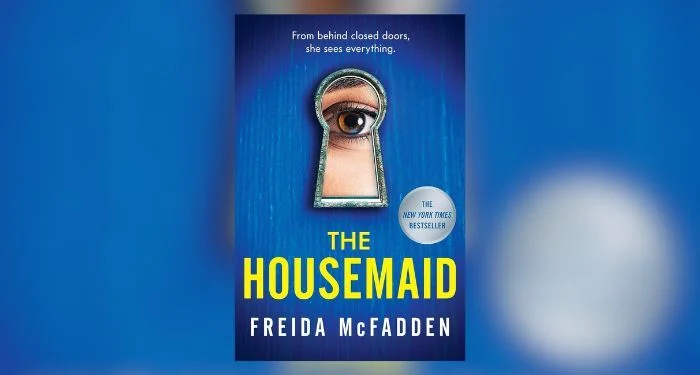
In a striking demonstration of digital resilience and creative adaptation, erotica writers in Northern Nigeria are circumventing stringent moral policing and censorship by leveraging women-only WhatsApp groups. This innovative approach has allowed for the creation and dissemination of content that would otherwise face severe repercussions, including the destruction of manuscripts and potential legal action. The phenomenon highlights a growing underground literary scene where authors are finding new avenues to express themselves and connect with readers, particularly on themes of sexuality, gender, and social issues.
The emergence of these discreet digital platforms offers a stark contrast to historical methods of censorship. In the past, written works deemed immoral or religiously objectionable, especially those exploring themes of sexuality, were often publicly burned or confiscated by authorities. Today, the digital realm, specifically encrypted messaging applications like WhatsApp, provides a relatively safe haven. According to a recent report detailing a journalist’s immersion into one such group, identified as Oum Hairan World, authors are successfully captivating audiences with serialized erotic stories. Titles such as "Nymphomaniac King" are reported to feature vivid and explicit descriptions, with readers becoming invested enough to purchase subsequent chapters. This monetization model, facilitated by the platform’s private nature, allows authors to sustain their work while maintaining a low profile.
The scope of content extends beyond explicit romance. These clandestine groups are also fostering discussions and sharing of narratives that explore LGBTQ+ themes and experiences of abuse, providing a vital space for marginalized voices and perspectives that are often suppressed in mainstream Nigerian society. The risks for authors remain significant; discovery by the morality police could lead to severe penalties. However, the perceived necessity of these platforms for expression and community building appears to outweigh the potential dangers for many. This underground movement can be seen as a potent force in what some observers are terming a "romance renaissance," driven by women seeking to reclaim narratives around desire and agency.
The Rise of the Pseudonymous Thriller Author: Freida McFadden’s Unveiling
In a separate development within the global literary landscape, the long-standing mystery surrounding the identity of bestselling thriller author Freida McFadden has reportedly been resolved. McFadden, whose psychological thrillers have consistently topped bestseller lists, has maintained a deliberate veil of anonymity for years, employing a pseudonym and, according to reports, even visual disguises such as wigs and glasses to protect her privacy. This elaborate strategy has been likened to the intrigue surrounding other authors who have guarded their true identities, such as Elly Conway, the author of the novel "Argylle."
The unmasking of McFadden, whose real name is Sara Cohen, reveals a practicing physician specializing in neurological disorders. This dual career, practicing medicine by day and crafting suspenseful narratives by night, adds another layer to the fascination with her public persona. The decision to remain anonymous was reportedly driven by a desire to safeguard her professional life and personal space from the potential intrusion associated with widespread authorial fame. The lengths to which McFadden reportedly went – including the use of disguises – underscore a commitment to privacy that has captivated literary circles and her readership. Her meticulous approach to maintaining this secret identity has been widely described as "immaculate" and "extraordinary," contributing to the mystique surrounding her success.
Book Banning’s Deepening Impact on Children’s and YA Publishing
The escalating trend of book banning in educational institutions and public libraries is now demonstrably impacting the children’s and young adult (YA) publishing sectors. Senior Editor Kelly Jensen of Book Riot has been a vocal advocate, warning for years about the downstream consequences of removing books from circulation, particularly those that feature diverse characters and themes. Recent reports indicate a palpable slowdown in the acquisition of books catering to LGBTQ+ youth within children’s and YA publishing houses.
While official announcements from publishers are scarce, industry observations suggest a significant chilling effect. Independent publishers, who often serve as crucial conduits for diverse voices, have reported a decrease in new acquisitions by as much as 50%. Sales representatives have noted instances where books with even tangential associations with LGBTQ+ themes, such as those with a rainbow motif on the cover, have been excluded from order lists. This suggests a proactive, and perhaps preemptive, avoidance of titles that could potentially draw controversy or backlash from advocacy groups pushing for book bans.
Adib Khorram, the award-winning author of "Darius the Great is Not Okay," a novel that explores themes of identity and family, has observed this trend firsthand. He posits that the primary driver of this decline is the reliance of children’s book sales on orders from schools and libraries. When these institutions reduce or eliminate orders for certain books due to bans or the fear of controversy, the subsequent drop in demand is acutely felt by publishers and authors. Khorram shared a personal anecdote of one of his books experiencing a 70% decrease in royalties between two reporting periods, directly correlating this decline with reduced library and school orders. The long-term implications for the diversity and representation within children’s literature are a significant concern, potentially shaping the literary landscape for a generation.
Re-evaluating Literary Staples: "4 Overrated Fantasy Classics (and What to Read Instead)"
In a move that often sparks spirited debate among bibliophiles, Book Riot has published a listicle titled "4 Overrated Fantasy Classics (and What to Read Instead)." This piece challenges conventional literary hierarchies by critically examining widely acclaimed fantasy novels, offering alternative recommendations for readers. The critique centers on several key areas, including pacing issues that can lead to a drag in narrative momentum, the underdevelopment of female characters, and the reliance on overused tropes that can detract from originality.
The article encourages a re-evaluation of established works, prompting readers to consider whether their enduring popularity is entirely justified. By suggesting contemporary alternatives, the piece aims to introduce readers to newer narratives that may offer more dynamic storytelling, improved character representation, and fresh perspectives within the fantasy genre. The publication of such a list is designed to foster engagement and discussion, inviting readers to share their own opinions and potentially discover new favorites, while also challenging the notion of unchallenged literary canon. The intention is not to dismiss the historical significance of these classics but to encourage a critical and evolving appreciation of literature.