Reynand Holland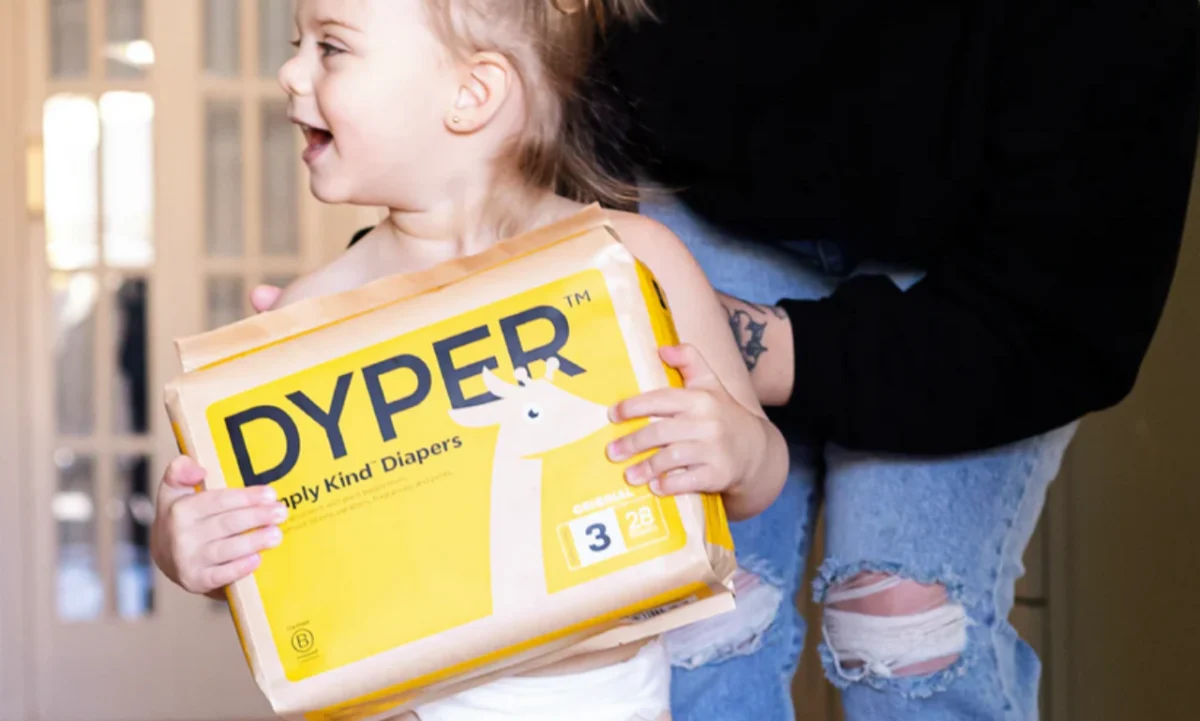
The journey of parenthood, while profoundly rewarding, is undeniably accompanied by a significant and often overlooked environmental footprint, particularly in the realm of infant care. For new parents, the sheer volume of waste generated by a single baby can be staggering. Statistics indicate that the average baby will utilize approximately 6,000 diapers within their first two years of life. While reusable cloth diapers present an eco-conscious alternative, their practicality often falters in the face of demanding modern lifestyles, leaving many parents to grapple with the environmental and health implications of traditional disposable diapers.
Beyond the sheer volume, conventional single-use diapers are increasingly coming under scrutiny not just for their landfill impact but also for their potential health risks. A closer examination of the materials and manufacturing processes involved reveals a landscape of concern. From the plastics that form the outer layers to the chemicals often incorporated for absorbency and fragrance, every component can be a source of potential exposure for infants. This raises significant questions about the long-term effects on a baby’s developing systems.
The health implications associated with certain diaper components are a growing area of concern for both parents and health professionals. Studies have linked chemicals commonly found in disposable diapers to a range of adverse health outcomes. These include potential disruptions to endocrine and reproductive systems, acute skin irritations such as severe rashes, and, in some alarming instances, associations with an increased risk of certain cancers later in life. This reality is underscored by regulatory landscapes that, in many regions, mandate minimal testing for diaper safety. For example, in the United States, the Consumer Product Safety Commission’s requirements for diaper testing primarily focus on lead content, leaving a significant gap in the assessment of other potentially harmful chemicals, including known carcinogens and endocrine-disrupting compounds.
The post-use journey of these diapers typically involves their inclusion in municipal waste streams. Disposed of alongside general household refuse, they contribute to overflowing trash bins and, ultimately, to landfill sites. This weekly ritual of discarding bulky, plastic-laden diaper waste served as a stark visual reminder for Tony Patron and his business partner, prompting a critical re-evaluation of the status quo in infant hygiene products.
The Genesis of a Sustainable Shift: The Dyper Story
The moment Tony Patron, a new father and an engineer by profession, observed his overflowing trash bins filled with plastic diapers, a pivotal realization dawned: a fundamental change was not only desirable but imperative. This personal observation, coupled with his technical acumen, became the catalyst for what would eventually evolve into Dyper, a company dedicated to reimagining diaper design and production with a resolute focus on safety, performance, and environmental responsibility.

Patron’s initial efforts involved exploring potential collaborations with existing manufacturers of compostable diapers. However, these discussions evolved into a more ambitious undertaking: a merger that ultimately gave rise to Dyper. This new entity was founded with a clear mission to develop and offer non-toxic, biodegradable diapers, aiming to significantly reduce both household waste and the broader environmental burden associated with infant care.
Innovation in Materials: A Commitment to Biodegradability
Dyper’s product development team has undertaken a rigorous process to ensure that a vast majority of its diaper components are biodegradable. While acknowledging that certain technological limitations currently prevent complete biodegradability in every single element, such as the fasteners, the company prioritizes the use of materials that align with its sustainability goals. Patron articulates the core objective: "Our goal is to provide a diaper that performs equally to any other diaper on the market in terms of absorbency, fit, and comfort, and ensuring that we don’t have any skin irritation." This dual commitment to performance and well-being is central to Dyper’s brand promise.
The foundation of Dyper’s product line lies in its strategic selection of plant-based materials. Prominent among these are FSC-certified bamboo and eucalyptus fibers, both sourced domestically in the United States. The viscose bamboo utilized is procured from suppliers holding Oeko-Tex certification, a testament to the brand’s commitment to rigorous environmental and health standards. Transparency is a cornerstone of Dyper’s philosophy, with each layer of their diapers clearly labeled with its specific components. This detailed information empowers conscious parents to make informed choices about the products their children use. The brand proudly boasts USDA BioPreferred certifications, with its diapers meeting a minimum of 55% plant-based content and its accompanying wipes achieving an impressive 95% plant-based composition.
Further reinforcing their dedication to product safety and skin-friendliness, Dyper’s diaper products adhere to Oeko-Tex standards. In a significant validation of their commitment to dermatological safety, the brand has recently earned the DermaTest 5-Star Certification. This prestigious accreditation signifies that the diapers have undergone stringent testing and are guaranteed to be free from common causes of skin reactions, offering parents peace of mind.
Beyond material selection and certifications, Dyper engages third-party laboratories to conduct independent testing of its products. These rigorous evaluations serve to verify the non-toxic nature and compostability of their diapers, ensuring that the brand’s claims are substantiated by credible scientific evidence.
The "Plants Over Plastic" Philosophy: A Paradigm Shift
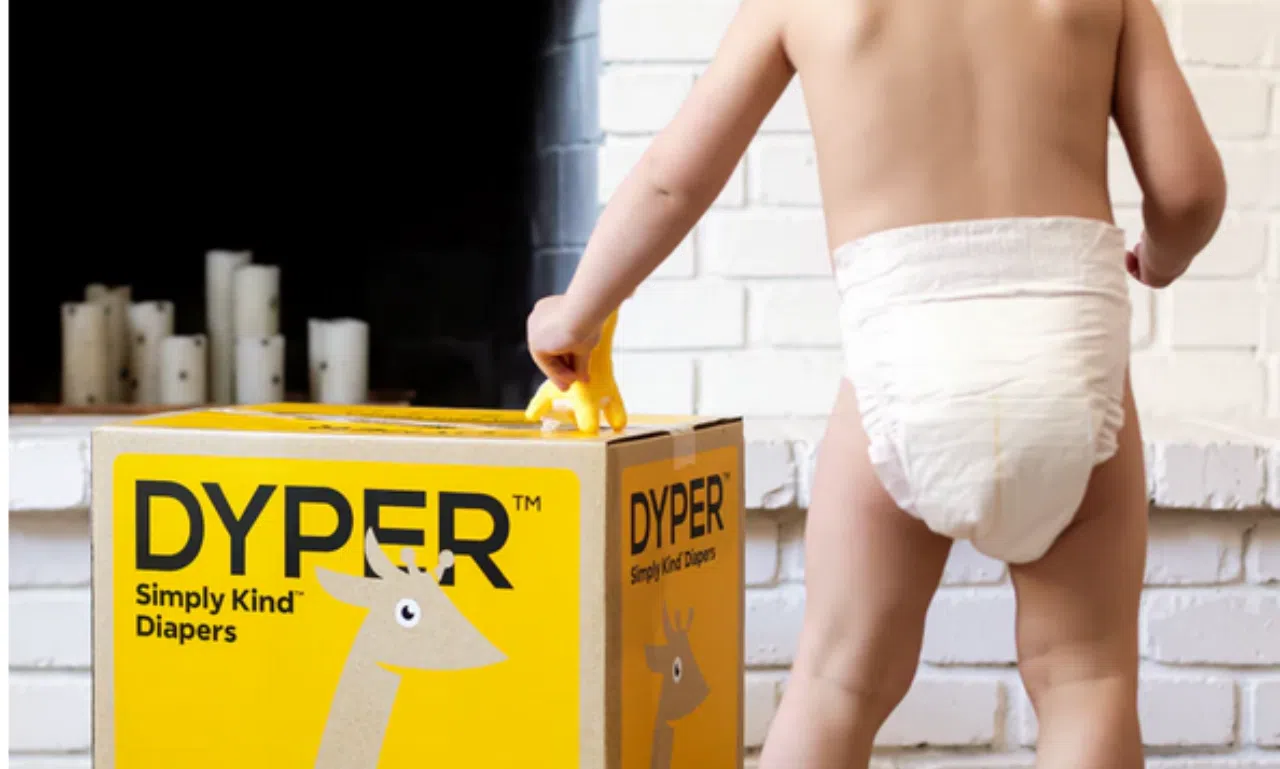
At the heart of Dyper’s mission lies a powerful ethos: "plants over plastic for happy babies." This guiding principle translates into a deliberate choice to eschew harmful chemical additives in favor of natural, plant-based materials. Consequently, Dyper diapers are formulated to be free from common irritants and potentially harmful substances such as phthalates, latex, and parabens, which are frequently found in conventional supermarket diapers. The inherent properties of natural fibers offer a gentler alternative for a baby’s delicate skin, minimizing the risk of irritation and allergic reactions. Furthermore, the brand’s commitment extends to ensuring that these plant-based materials are responsibly sourced, aligning with ethical and sustainable forestry practices.
The benefits of Dyper diapers extend beyond infant comfort and environmental consciousness. The brand has also meticulously engineered its products to enhance convenience for parents. While prioritizing plant-based materials, the diapers are designed for high performance, effectively preventing leaks and mitigating the occurrence of diaper rash, thereby contributing to a baby’s overall happiness and well-being.
A distinguishing feature of Dyper’s offering is its optional REDYPER program, available in select regions. This innovative service facilitates the composting of used diapers and wipes, transforming what would otherwise be landfill waste into valuable compost. The brand’s overarching "plants over plastic philosophy" permeates every aspect of its operations, including its packaging, where sustainable materials are utilized to minimize environmental impact wherever feasible. This holistic approach underscores Dyper’s commitment to providing a comprehensive solution that does not force parents to compromise between product functionality and environmental responsibility.
Making Sustainable Diapering Effortless
Dyper is dedicated to simplifying the transition to sustainable diapering for busy parents. The company offers flexible purchasing options, including convenient subscription services and one-time purchases, catering to a wide range of sizes to accommodate growing babies. In areas where the REDYPER program is operational, parents can opt for weekly or bi-weekly pickup services for their used diapers and wipes. Dyper collaborates with regional composting facilities to process these materials. Diaper components that are biodegradable break down within an estimated 14 to 16 weeks. Those materials that are not compostable are carefully removed and disposed of responsibly, ensuring that the composting process remains effective and environmentally sound. As of today, the REDYPER program has successfully diverted over 14 million pounds of waste from landfills, a testament to its significant environmental impact.
By choosing Dyper, parents are not merely selecting a high-performing diaper; they are actively endorsing a commitment to sustainability, embracing transparency in product composition, and prioritizing superior care for their infants. This conscious decision contributes to a healthier planet and a safer environment for future generations. The company’s proactive approach to waste management and its dedication to using eco-friendly materials position it as a leader in the evolving landscape of sustainable baby products, offering a tangible solution to a pervasive environmental challenge.