
 Indra Kusuma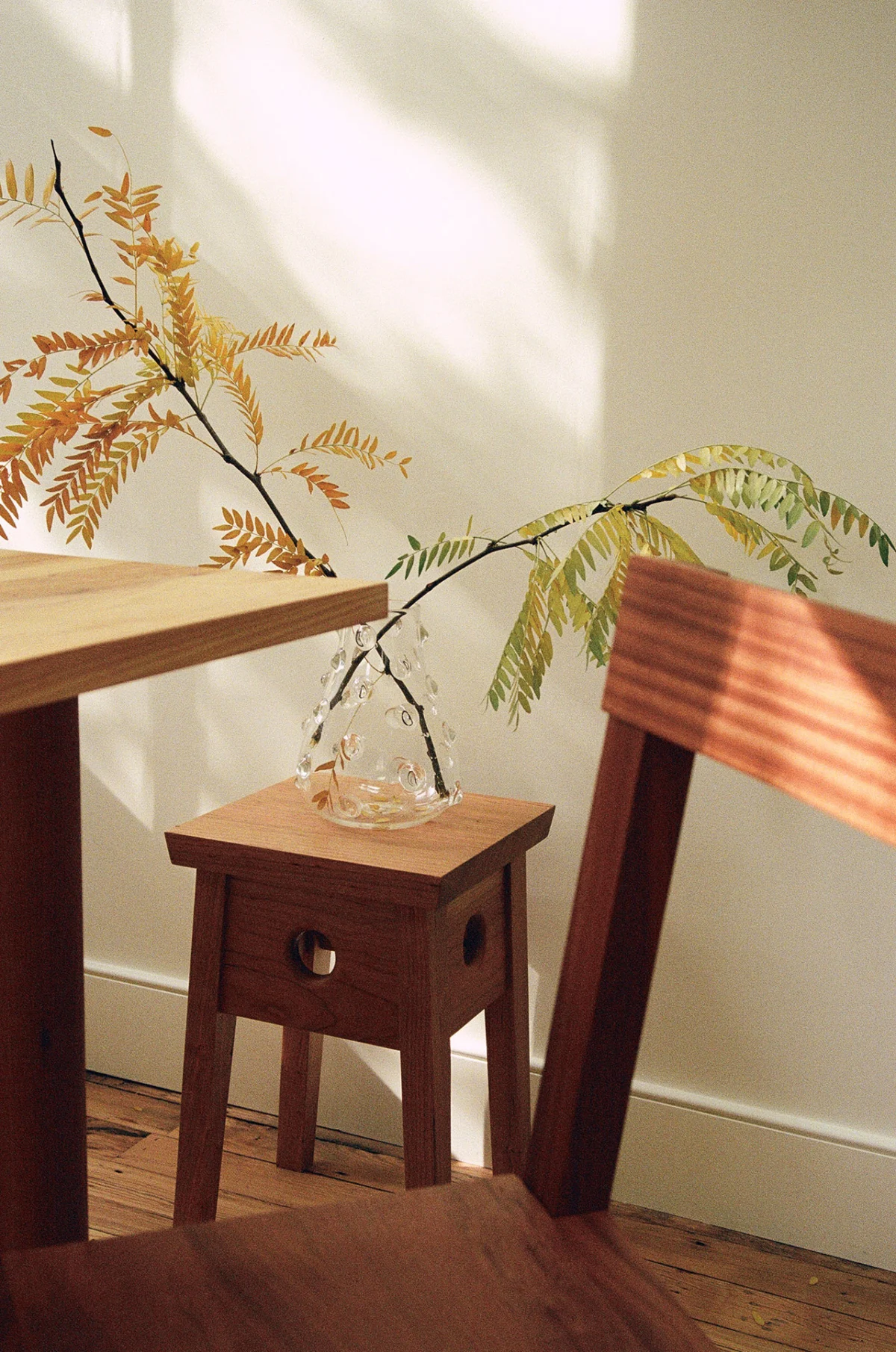
Texture, a fundamental yet often underappreciated facet of design, holds a unique position in its ability to transcend purely visual perception. While it is conventionally understood as a tactile quality, contemporary neurological research suggests that our brains are profoundly adept at interpreting and even "feeling" textures through sight alone. This phenomenon, where visual cues can trigger haptic sensations, underscores the profound connection between our senses and our environment. Those with trained discernment, often cultivated through extensive engagement with materials and forms, frequently report experiencing the very same physical sensations that they observe. It is within this sophisticated understanding of sensory engagement that MUHLY, a studio renowned for its mastery of material and form, operates. They deftly transform raw materials into familiar shapes and configurations, always imbuing their creations with a distinctive twist that challenges and delights the senses. The studio is now proud to introduce its latest collection, featuring the Dekko chair, the Pokal collection, and the Prairie Pendant, each piece a testament to their collaborative spirit and unwavering commitment to artisanal excellence. Crafted meticulously by hand to order, these new offerings showcase a harmonious interplay of materials, where the burnished brilliance of oxidized copper converges with the inherent warmth and character of cherry planks, all brought to life in their studios located in Austin, Texas, or Philadelphia, Pennsylvania.

The Art of Sensory Design: MUHLY’s Foundational Philosophy
At the core of MUHLY’s design ethos is a profound appreciation for the multisensory experience. In an increasingly digital and often sterile world, the studio champions the return to objects that not only serve a function but also evoke emotion and engagement through their physical presence. This philosophy aligns with growing trends in neuroscience and design, which emphasize the importance of sensory input for human well-being and cognitive function. Research, such as studies published in journals like ScienceDirect, increasingly explores how visual stimuli can elicit haptic responses, demonstrating that the brain processes tactile information even without direct physical contact. MUHLY’s designers, Megan Carney and Ann Edgerton, appear to intuitively grasp this intricate neural connection, crafting pieces that are visually rich enough to suggest a compelling tactile narrative. Their work goes beyond mere aesthetics, aiming to create environments that foster a deep sense of connection, ease, and care, a guiding principle that informs every curve, joint, and surface finish.
Founded in 2021, MUHLY quickly established itself as a beacon of artisanal furniture, prioritizing handcraftsmanship, durability, and a timeless aesthetic. In an era dominated by mass production and planned obsolescence, their commitment to handmade, long-lasting pieces resonates with a growing consumer demand for authenticity and sustainability. The collaborative nature of their design and production process ensures that each item is imbued with a unique character, reflecting the combined expertise and vision of the artisans involved. This bespoke approach allows for a level of detail and quality control that is rarely seen in mass-produced goods, guaranteeing that each Dekko chair, Pokal table, or Prairie Pendant is not just an object, but a piece of functional art designed to endure and adapt within changing spaces and seasons of life.
Unveiling the Latest Collection: Dekko, Pokal, and Prairie Pendant
The new collection from MUHLY is a masterclass in diverse inspirations, each piece telling a story of heritage, nature, and thoughtful design.
The Dekko Collection: A Tribute to Western American Fortitude
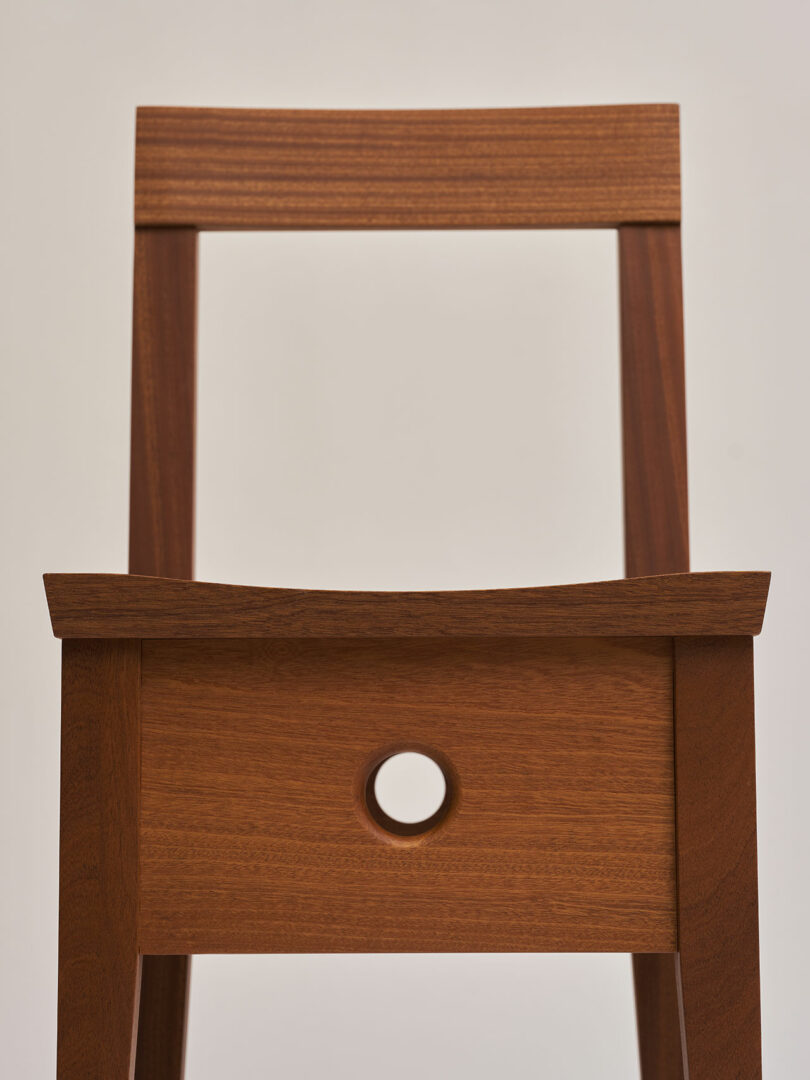
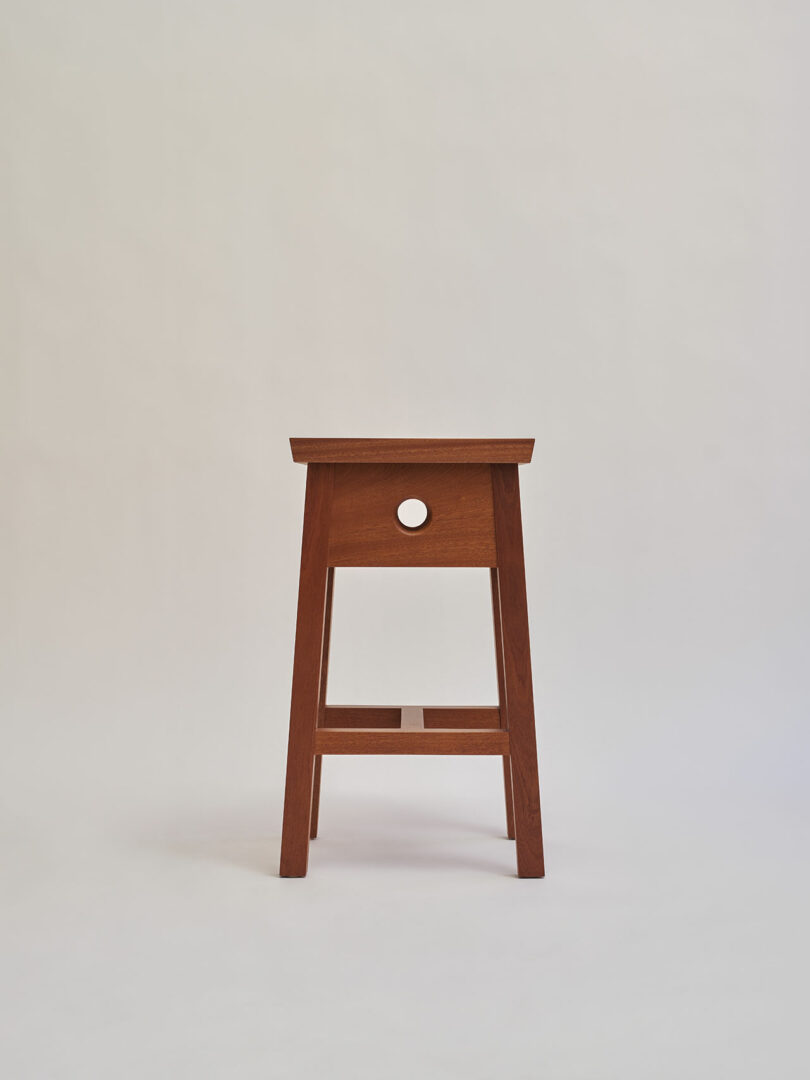
The Dekko Collection, prominently featuring its namesake chair, draws its profound inspiration from early 19th-century designs prevalent in the Western United States. This era was characterized by furniture that prioritized durability, utility, and a straightforward aesthetic, often reflecting the rugged demands of frontier life and the influence of movements like Shaker or Mission styles. These designs were inherently honest, relying on robust construction and unadorned forms to convey strength and longevity.
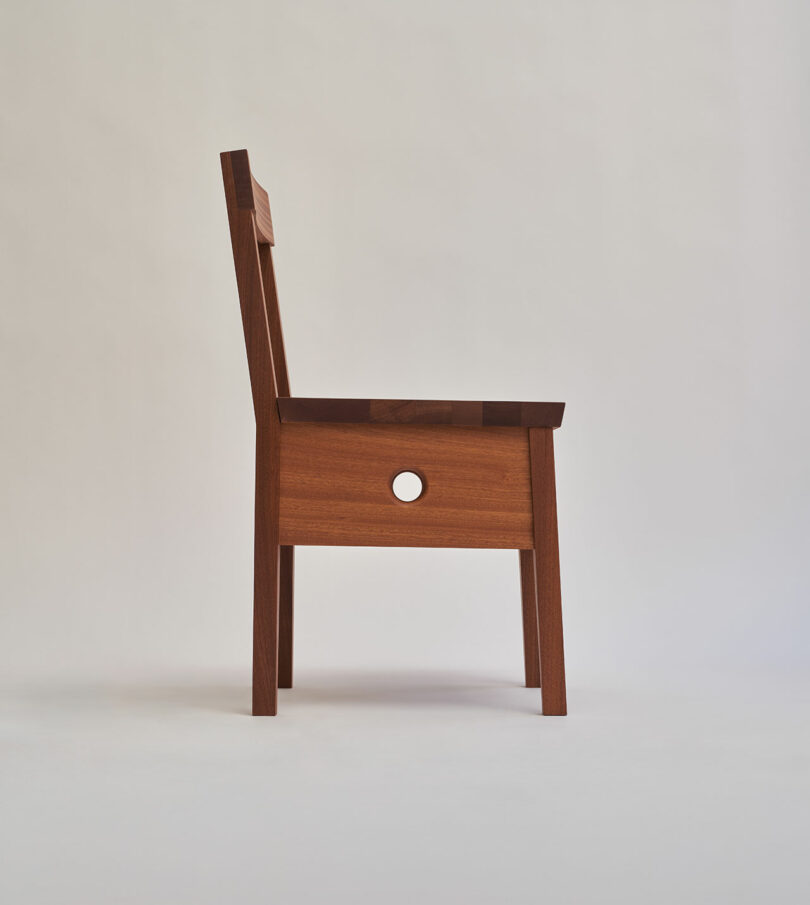
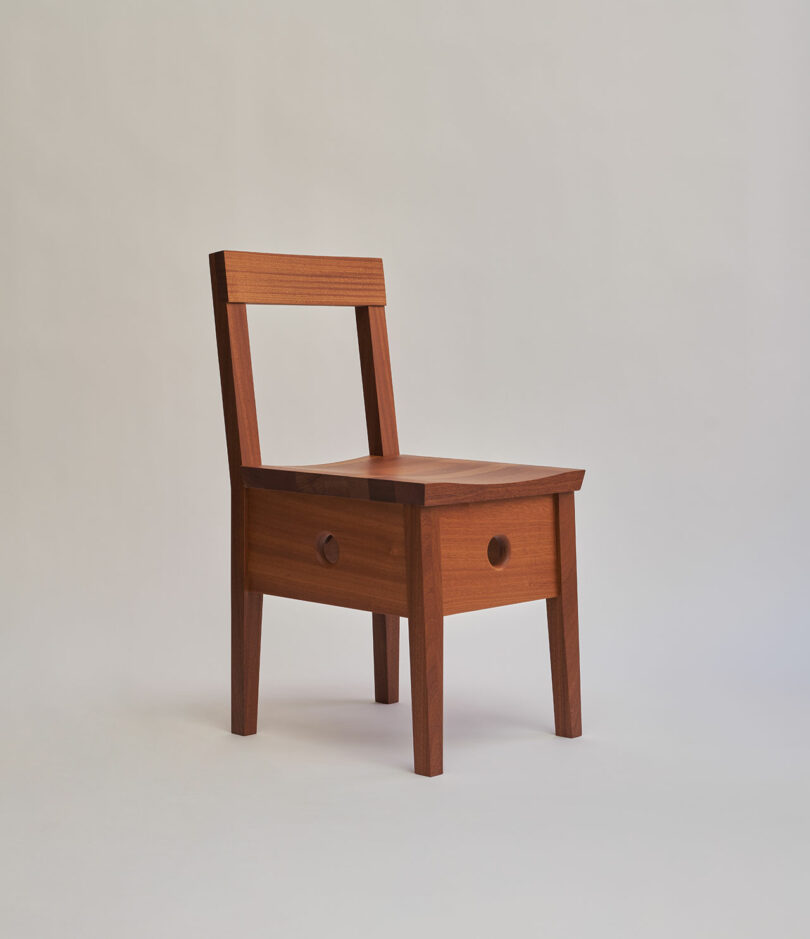
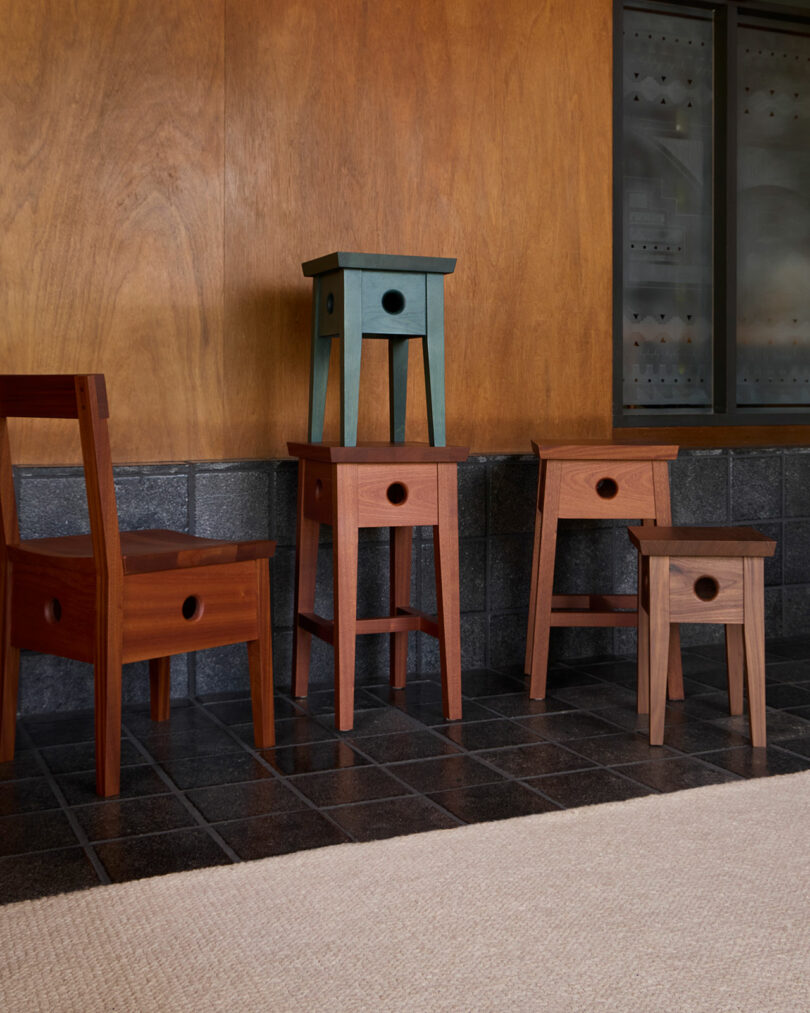
The Dekko chair embodies this spirit with its distinctive features: a broad skirt and strategically placed holes that contribute significantly to its visual fortitude and structural integrity. The "broad skirt" refers to the extended base or apron of the chair, which provides a sense of grounding and stability, visually anchoring the piece. The "holes," while seemingly simple, serve both an aesthetic and functional purpose, reminiscent of traditional joinery or ventilation patterns found in utilitarian furniture of the period. This deliberate simplicity and honesty in form are not merely stylistic choices but intentional expressions of a design philosophy that values enduring quality over fleeting trends. The Dekko chair exudes a quiet confidence, a testament to the idea that something crafted exceptionally well speaks for itself, promising visual dependability and lasting comfort.
Crafted from warm cherry planks, the Dekko chair further enhances its connection to natural materials and a sense of history. Cherry wood is prized for its rich, warm tones that deepen and darken beautifully with age and exposure to light, developing a unique patina that tells the story of its life within a home. This characteristic makes cherry an ideal choice for pieces intended for longevity, as its aesthetic appeal only increases over time, mirroring MUHLY’s commitment to creating furniture that becomes more cherished with each passing year.
The Bon Console: A Nod to Mid-Century Charm
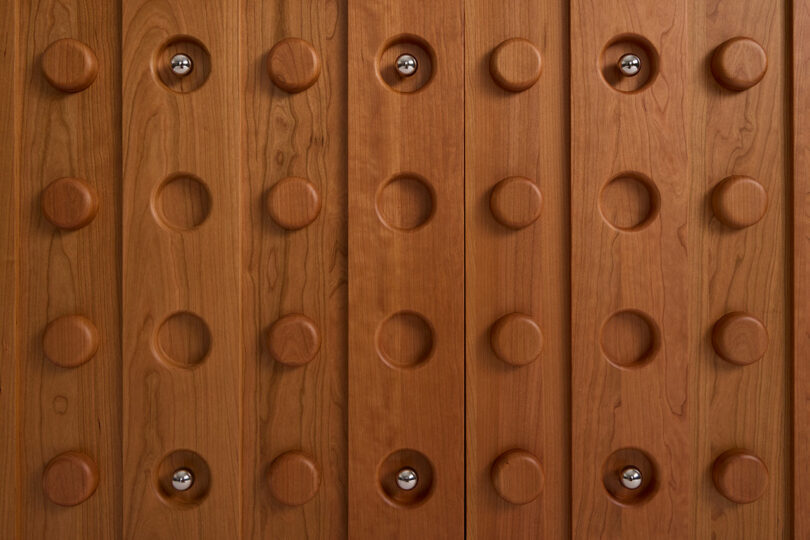
While not explicitly listed among the three main new pieces, the Bon Console stands as a remarkable example of MUHLY’s ability to weave historical influences into contemporary design. This captivating console draws significant inspiration from vintage cabinets dating back to circa 1930. This period, nestled between Art Deco and early Modernism, saw a fascinating interplay of decorative flair and burgeoning functionalism. The Bon Console captures this essence with its elegant extrusions and metallic chrome details, which lend it a distinct charm. The extrusions, which project outwards from the console’s surface, create a subtle three-dimensional relief, adding depth and visual interest. These, in conjunction with the inset circular details, evoke a nostalgic resemblance to mechanical buttons of yesteryear – a subtle nod to a time when interactions with objects were often more tactile and deliberate. This clever integration of historical detail with modern material choices like metallic chrome creates a piece that feels both familiar and refreshingly contemporary, showcasing MUHLY’s ability to reinterpret classic design elements for the modern home.
The Prairie Pendant: Illumination Inspired by Nature and Heritage
The Prairie Pendant is a truly evocative lighting fixture, a prime example of MUHLY’s ability to translate natural phenomena and personal heritage into functional art. Its design recalls the intricate patterns found in nature, from geological formations to botanical structures. Crafted from galvanized steel, the pendant features a unique surface where impressions create either raised or hollowed marks, depending on the direction of the light and the viewer’s perspective. This dynamic surface treatment adds a layer of visual texture that changes with the ambient light, mimicking the subtle shifts seen in natural landscapes.
This pendant also serves as a heartfelt ode to the punched tin lamps that were common during the designers’ childhoods in Texas. Punched tin, a traditional craft, involves creating decorative patterns by piercing metal sheets, allowing light to filter through in a distinctive way. The Prairie Pendant updates this vernacular craft, utilizing galvanized steel for a contemporary aesthetic while retaining the core principle of light diffusion through intricate perforations. The innovative design ensures that light is distributed in multiple captivating ways: it streams downward through a central square aperture, casts an upward glow through the shade itself, and, most uniquely, emanates outwards through the myriad punch marks, creating a mesmerizing pattern of dots and dappled light that decorates the surrounding space. This multi-directional illumination transforms the pendant from a mere light source into an ambient art piece, capable of dramatically altering the mood and perception of a room.
The Pokal Collection: A Biomorphic Reverence for Organic Forms
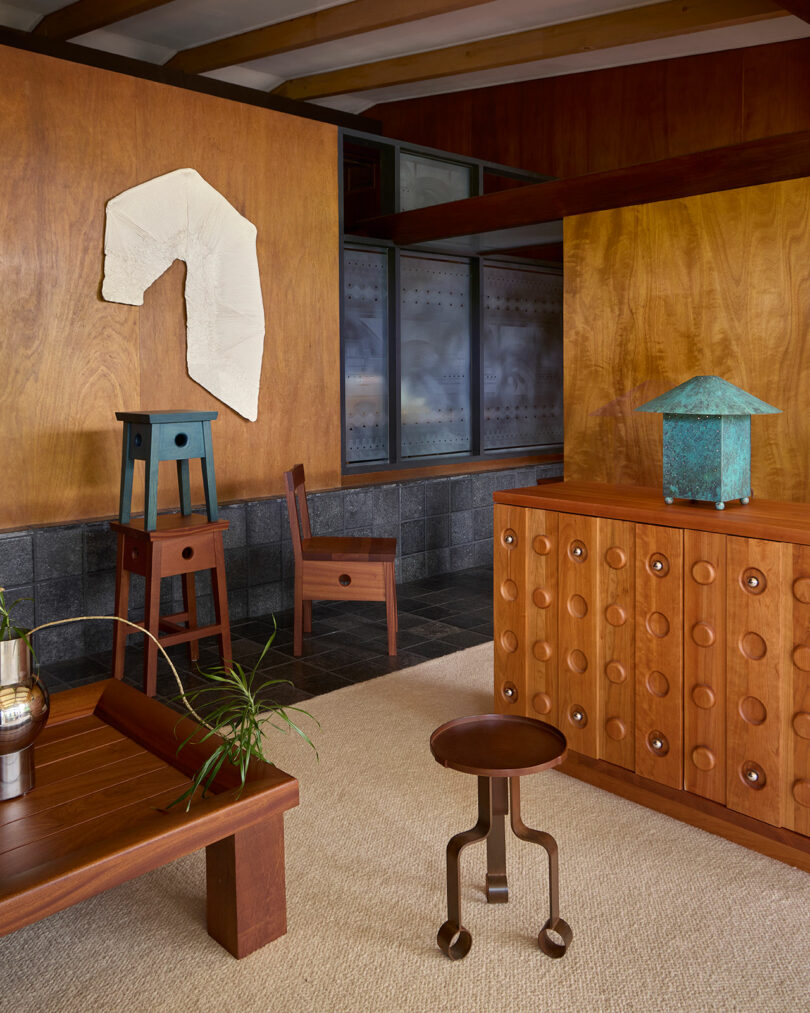
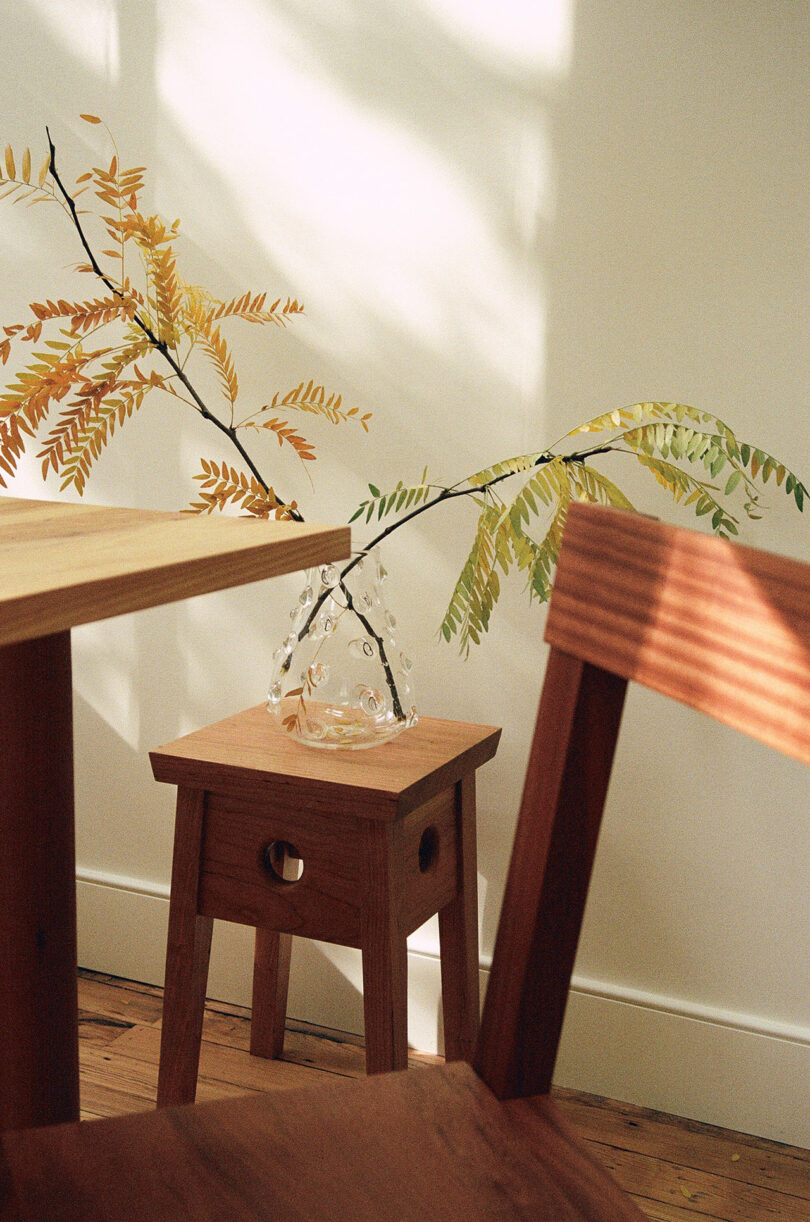
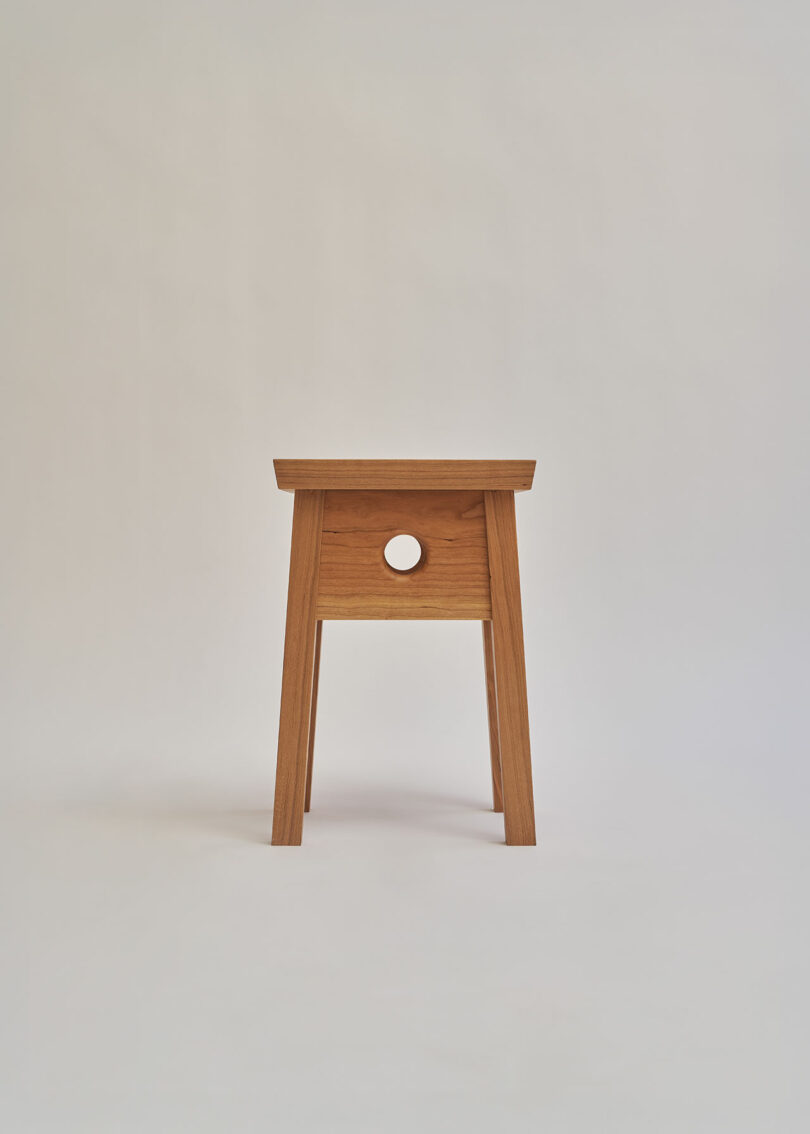
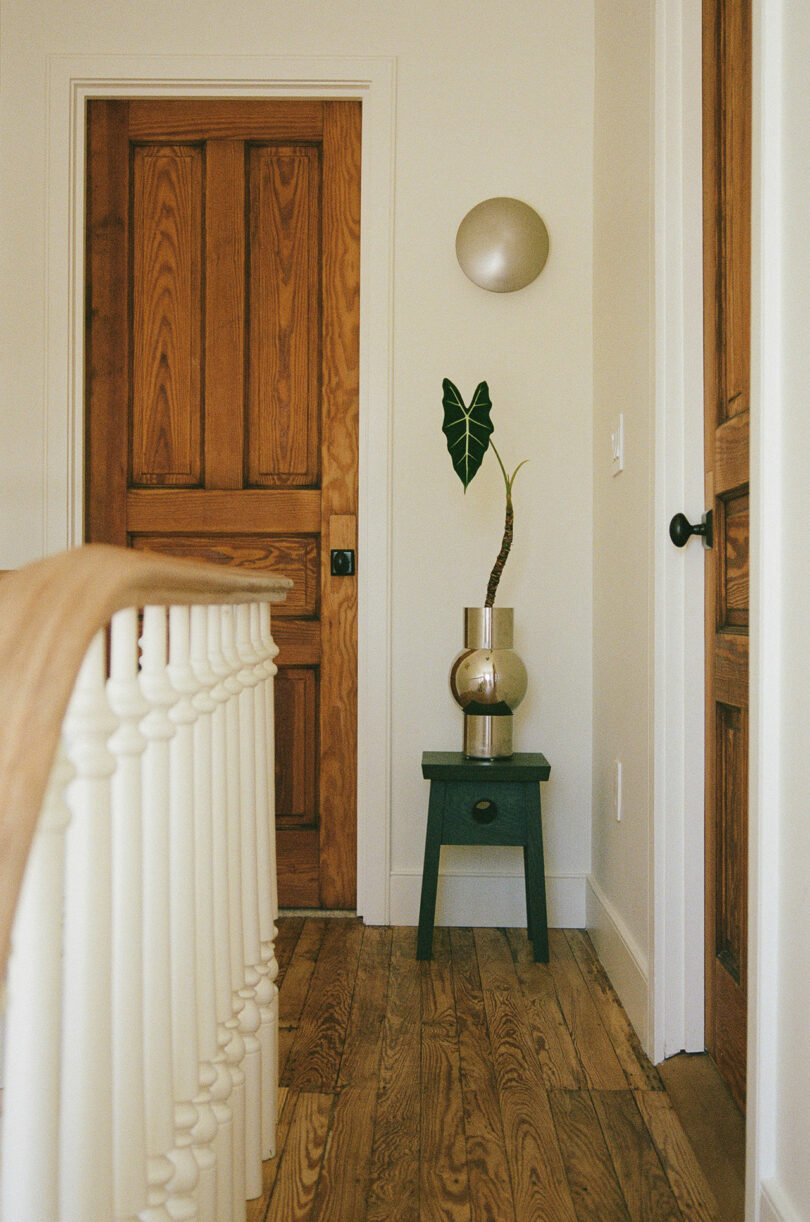
The Pokal Collection, with its side tables, is a striking example of MUHLY’s engagement with organicism and biomorphic design, drawing profound inspiration from the influential work of Jean Royère. Royère, a celebrated French designer of the 20th century, was known for his distinct departure from the rigid functionalism often associated with early Modernism. He championed flair, elegance, and a sense of whimsical style that permeated many of his iconic designs. Royère’s work, which often anticipated the broader turn towards organicism in design, featured fluid, curvilinear forms that mimicked natural shapes, earning him recognition for his biomorphic pieces. His innovative approach continues to inspire designers globally to this day, encouraging a more expressive and less austere aesthetic.
The Pokal Collection embraces this legacy, celebrating natural growth and the inherent beauty of organic forms. Its pieces, with their sinuous lines and graceful proportions, reflect not only the forms found in nature but also, as MUHLY suggests, hold "a mirror to ourselves," connecting us to our innate human desire for comfort, softness, and connection to the natural world. The collection utilizes the rich texture and visual depth of oxidized copper. This material, known for its deep, burnished brilliance, develops a unique patina over time, evolving in character and further enhancing the organic feel of the pieces. The choice of copper, with its historical significance and ability to age gracefully, underscores MUHLY’s commitment to materials that possess both immediate aesthetic appeal and lasting, evolving beauty. The collaboration of oxidized copper with the warmth of cherry planks creates a sophisticated material dialogue that is both visually engaging and tactilely inviting.
MUHLY’s Vision: Crafting Connection and Longevity
Megan Carney and Ann Edgerton, the visionary founders behind MUHLY, launched their studio in 2021 with a clear mission: to craft handmade furniture that brings an "easy simplicity and longevity to the home." Their approach is guided by a fundamental inquiry: "what makes us feel connected, at ease, and cared for in our own environments?" This question is not merely rhetorical but serves as the philosophical bedrock for every design decision, every material choice, and every handcrafted detail.
In a rapidly changing world, where homes increasingly serve as sanctuaries, MUHLY’s focus on creating pieces that foster well-being is particularly pertinent. Their furniture is designed not just to occupy space but to enrich it, providing comfort and a sense of belonging. The emphasis on longevity speaks to a conscious rejection of disposable culture, advocating for investment pieces that withstand the test of time, both structurally and aesthetically. This commitment to durability is also inherently sustainable, reducing the need for frequent replacements and minimizing environmental impact.
The ability of MUHLY’s pieces to "fit within changing spaces and seasons of life" highlights their adaptability and timeless appeal. Their designs are not tied to fleeting trends but possess a classic quality that allows them to seamlessly integrate into various interior styles and evolve with a homeowner’s changing tastes and needs. This inherent flexibility makes them valuable additions to any home, promising years of functional beauty. Furthermore, the "originality that stands out, with construction that makes pieces stick," encapsulates the essence of MUHLY. Their designs are distinctive, offering a fresh perspective while maintaining a foundational respect for traditional craftsmanship. It is this combination of innovative vision and meticulous execution that ensures MUHLY’s furniture is not only aesthetically striking but also built to last, creating heirlooms for future generations.
The decision to maintain production in Austin, TX, and Philadelphia, PA, further reinforces MUHLY’s commitment to quality, local craftsmanship, and ethical manufacturing. By keeping production within the United States, they can closely oversee every step of the creation process, ensuring the highest standards of quality and supporting local artisan communities. This geographical duality also reflects the collaborative spirit and diverse inspirations that define MUHLY’s approach, blending different regional influences into a cohesive, signature style.
The Broader Impact: A Resurgence of Authentic Design
MUHLY’s work, exemplified by the Dekko, Pokal, and Prairie Pendant collections, represents a significant contribution to the broader movement towards authentic, handcrafted, and human-centered design. In an era where mass-produced items often lack soul and individuality, studios like MUHLY are leading a resurgence of appreciation for bespoke craftsmanship and the inherent value of thoughtfully made objects. Consumers are increasingly seeking pieces that tell a story, that are made with integrity, and that offer a tangible connection to the hands that created them.
The choice of materials like cherry wood, oxidized copper, and galvanized steel not only contributes to the aesthetic appeal but also speaks to a conscious engagement with materials that possess inherent character and a capacity for graceful aging. These materials develop a rich patina over time, adding layers of history and individuality to each piece, contrasting sharply with synthetic materials that often degrade without beauty.
By focusing on the multisensory experience and crafting objects that appeal to sight and evoke touch, MUHLY helps to enrich our daily lives, transforming ordinary spaces into environments that genuinely nurture and inspire. Their commitment to thoughtful design, enduring quality, and a profound understanding of how objects connect us to our surroundings positions MUHLY not just as a furniture maker, but as a purveyor of well-being through design.
To explore the exceptional craftsmanship and sensory richness of the Dekko, Pokal, and the Prairie Pendant, and to learn more about MUHLY’s complete catalogue, please visit muhly.studio.
Photography for MUHLY’s latest collection is provided courtesy of the talented lenses of Maddy Pease, Bill Sallans, and Felker Schuck.
About the Author
Growing up in NYC has given Aria a unique perspective into art + design, constantly striving for new projects to get immersed in. An avid baker, crocheter, and pasta maker, handwork and personal touch is central to what she loves about the built environment. Outside of the city, she enjoys hiking, biking, and learning about space.







