
 Indra Kusuma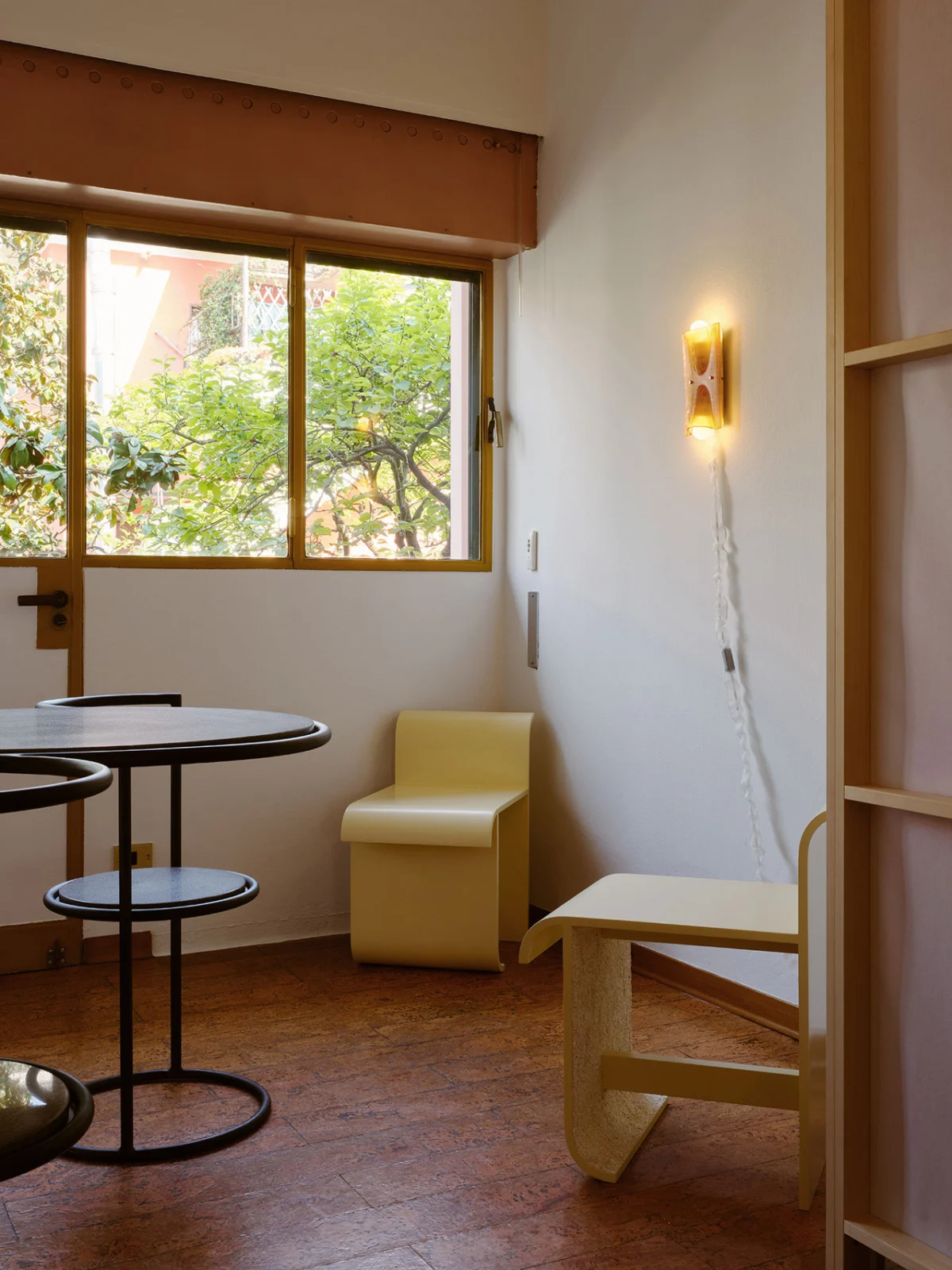
The design industry has definitively moved beyond the era of sterile white cube exhibits, embracing contextualized displays as the new standard for presenting independent talents, established brands, and leading galleries. This paradigm shift sees designers staging their creations within fully furnished, total-work-of-art domestic settings, aiming to illustrate how products and limited-run works might integrate into actual living spaces. However, few exhibitions achieve a profound responsiveness to the existing conditions and deep-seated histories of their chosen locales. It is against this backdrop that Playinghouse, an emergent New York art and design platform, mounted its seminal group exhibition, "tête-à-tête," across two dramatically disparate venues during last month’s highly anticipated Milan Design Week.
Curated by Margherita Dosi Delfini, Assistant Curator at the Design Museum, "tête-à-tête" distinguished itself through its emphatically site-responsive approach. The exhibition meticulously brought together a diverse array of artworks and furnishings from a wide spectrum of contemporary independent talents, with each selection carefully arranged to accentuate the unique material and formal qualities inherent to each locale. This dual-venue strategy allowed Playinghouse to demonstrate the versatility and conceptual depth of its showcased artists, offering visitors not just a viewing experience but an immersive dialogue between contemporary design and historical or industrial architecture.
The Evolving Landscape of Design Exhibitions
For decades, the "white cube" gallery model—a minimalist, neutral space designed to remove distractions and focus the viewer solely on the artwork—dominated the art and design world. While effective for certain types of conceptual or abstract works, this approach often failed to convey the practical application, emotional resonance, or lived experience of design objects. As consumer expectations have evolved and the lines between art, design, and lifestyle have blurred, the industry has recognized the imperative for more engaging and relatable presentations.
The shift towards contextualized displays is not merely an aesthetic preference; it is a strategic move to enhance accessibility and understanding. By placing design objects within simulated domestic environments, exhibitors help prospective buyers and enthusiasts visualize how these pieces could enrich their own lives and spaces. This trend reflects a broader cultural movement towards experiential engagement, where the story, provenance, and potential integration of an object are as important as its form and function. Leading design fairs and galleries now invest heavily in creating immersive narratives, crafting environments that evoke emotion and spark imagination, a stark contrast to the clinical detachment of the traditional gallery. This approach not only aids in sales but also fosters a deeper appreciation for the designer’s intent and the object’s potential. Studies have shown that contextual displays can increase visitor engagement by up to 40% compared to traditional museum setups, leading to a more memorable and impactful experience.
Milan Design Week: A Global Stage for Innovation
Milan Design Week, encompassing the prestigious Salone del Mobile furniture fair and the sprawling Fuorisalone events across the city, stands as the undisputed global epicenter for design innovation. Annually, usually in April, the city transforms into a vibrant hub where established brands unveil their latest collections, and emerging talents present groundbreaking concepts. It serves as a critical barometer for current and future trends in furniture, lighting, textiles, and product design, attracting hundreds of thousands of designers, architects, manufacturers, buyers, journalists, and design enthusiasts from around the world. The week is not just a trade show; it is a cultural phenomenon, a city-wide festival celebrating creativity, craftsmanship, and visionary thinking.
Playinghouse’s decision to launch "tête-à-tête" during this bustling period underscores the platform’s ambition and its commitment to making a significant statement within the international design community. By presenting an exhibition that actively challenged and enriched the prevailing trends of contextual display, Playinghouse carved out a unique space, drawing critical attention to its thoughtful curatorial approach and the exceptional quality of its independent artists. The strategic timing allowed the exhibition to tap into the immense energy and audience concentration that defines Milan Design Week, maximizing its visibility and impact.
Villa Pestarini: A Dialogue with Rationalist Heritage
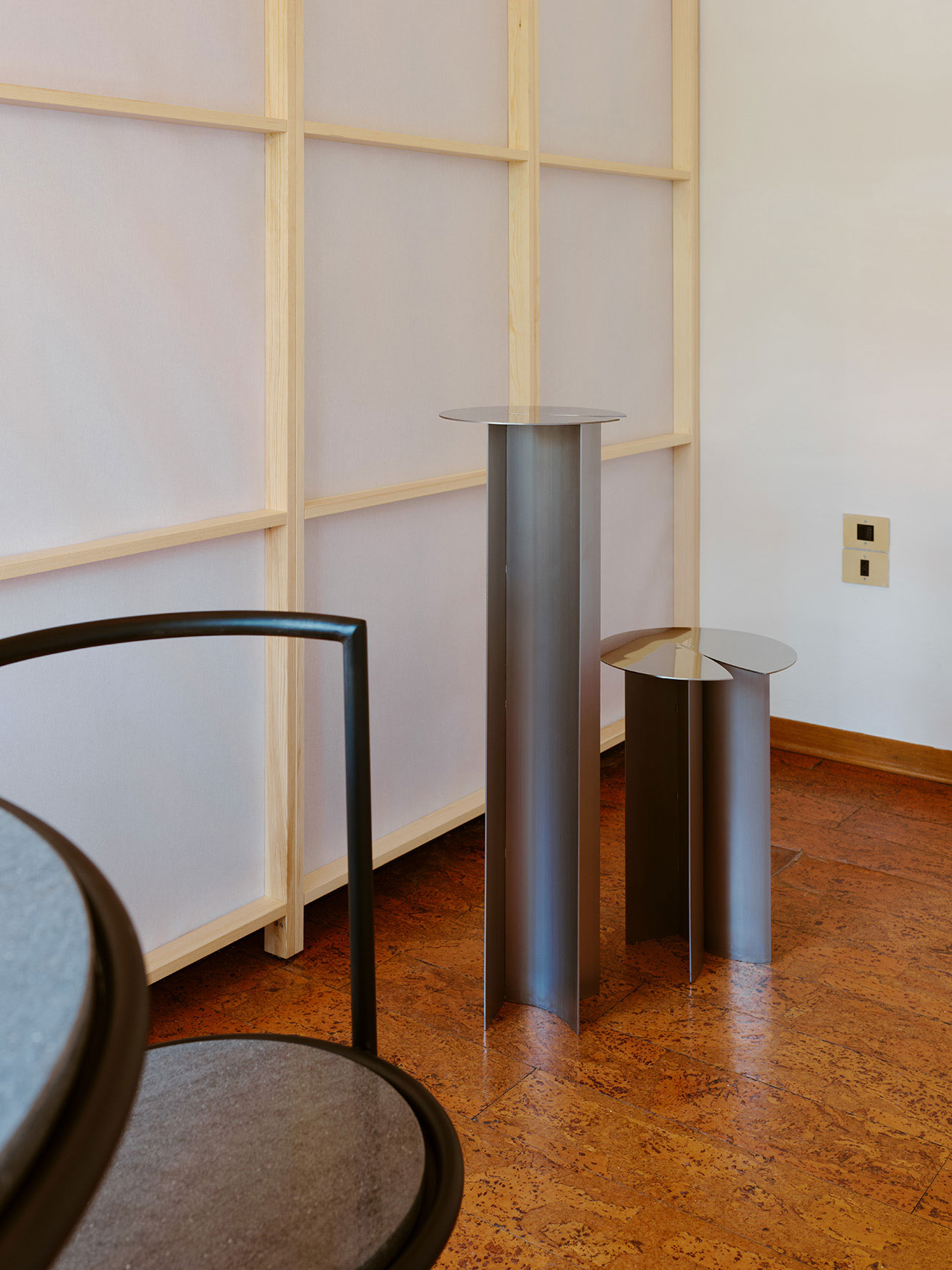
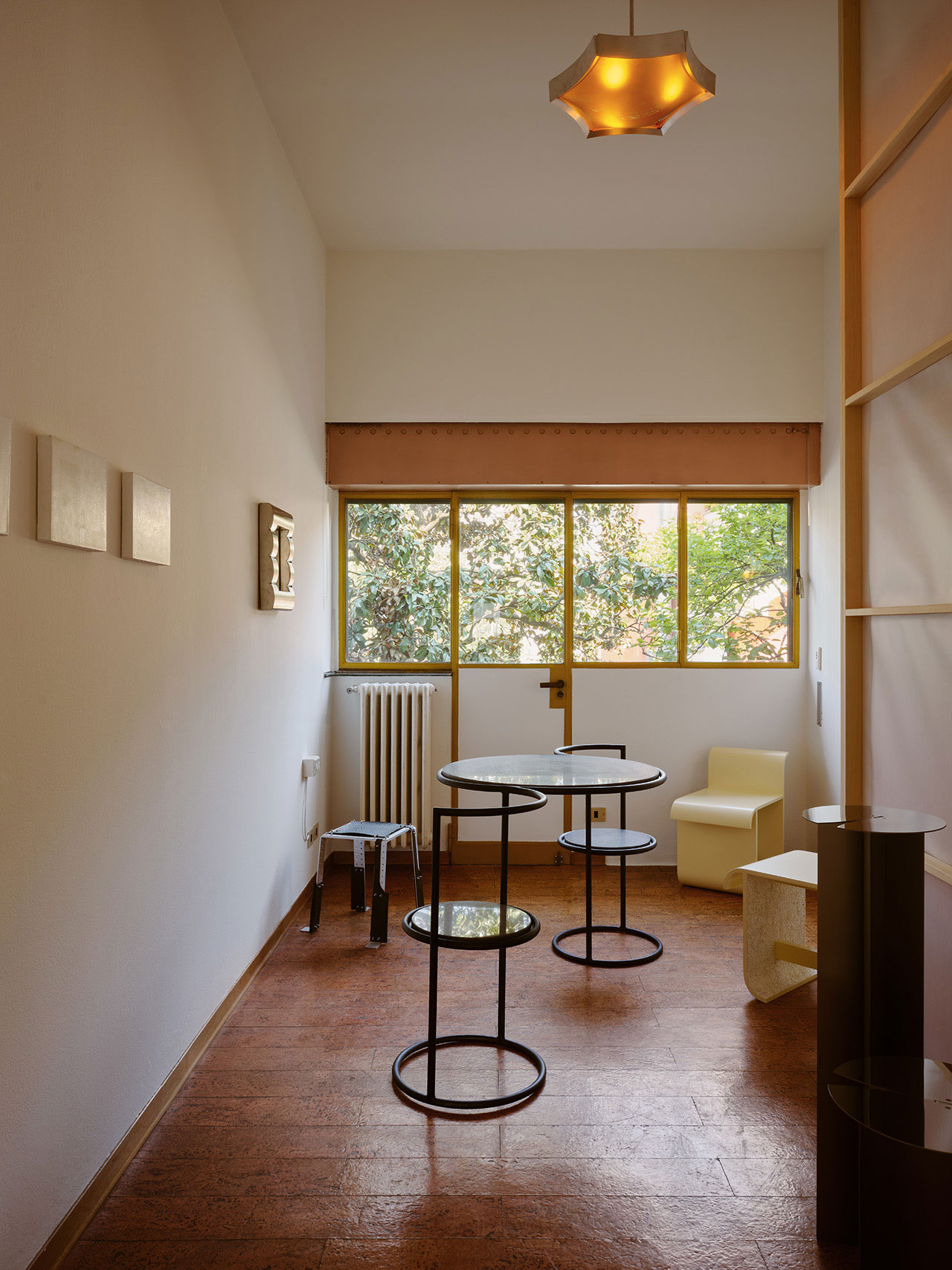
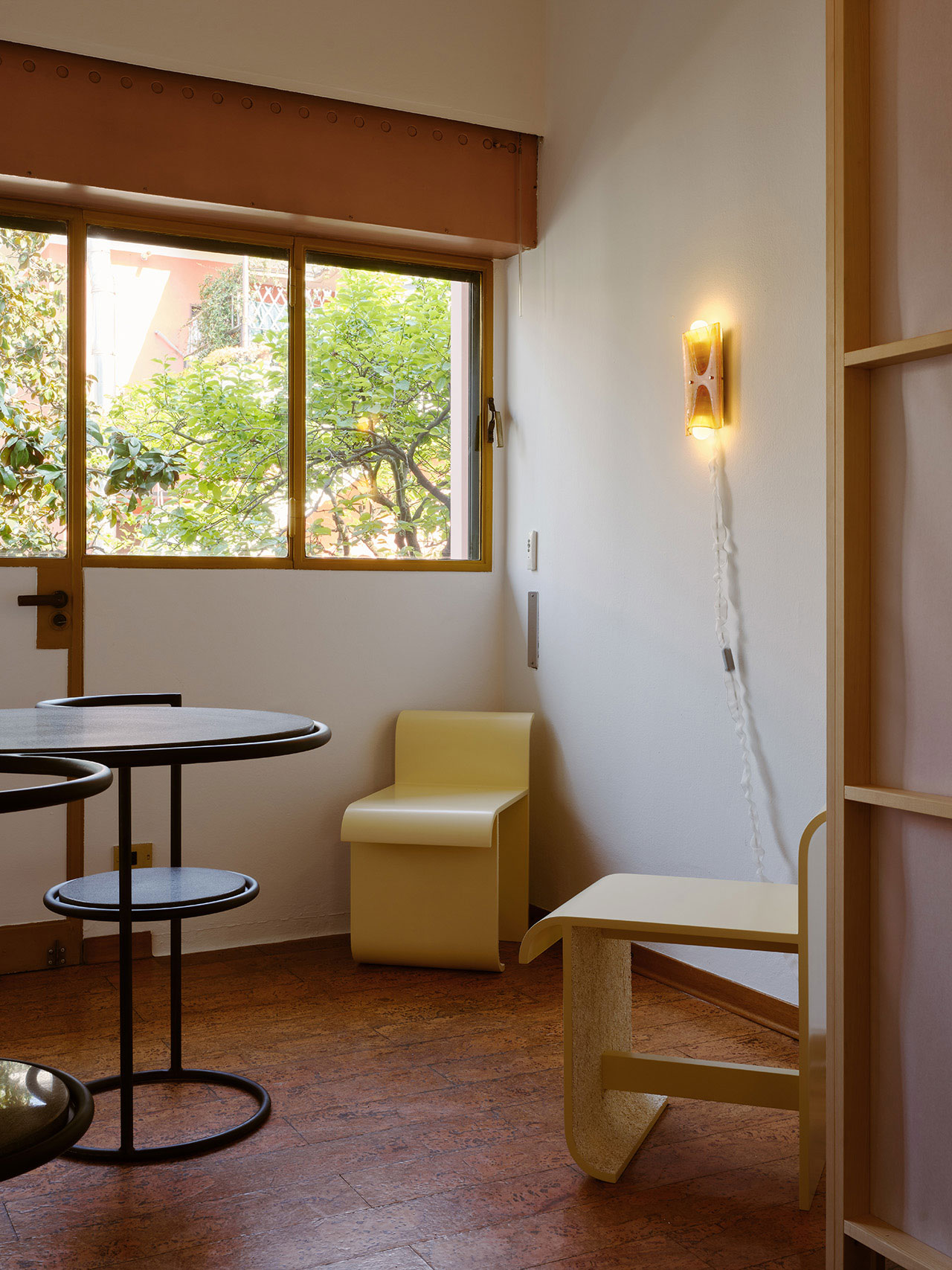
One of the two meticulously chosen venues for "tête-à-tête" was Villa Pestarini, a seminal residential project completed in 1939 by the legendary Italian architect Franco Albini. Albini, a key figure in Italian Rationalism, designed the villa with distinctive proportions and a pared-back yet subtly ornamental detailing that epitomized the movement’s blend of functionalism and refined aesthetics. This historical backdrop provided an extraordinary canvas for the exhibition, allowing the contemporary works to engage in a profound dialogue with a modernist masterpiece.
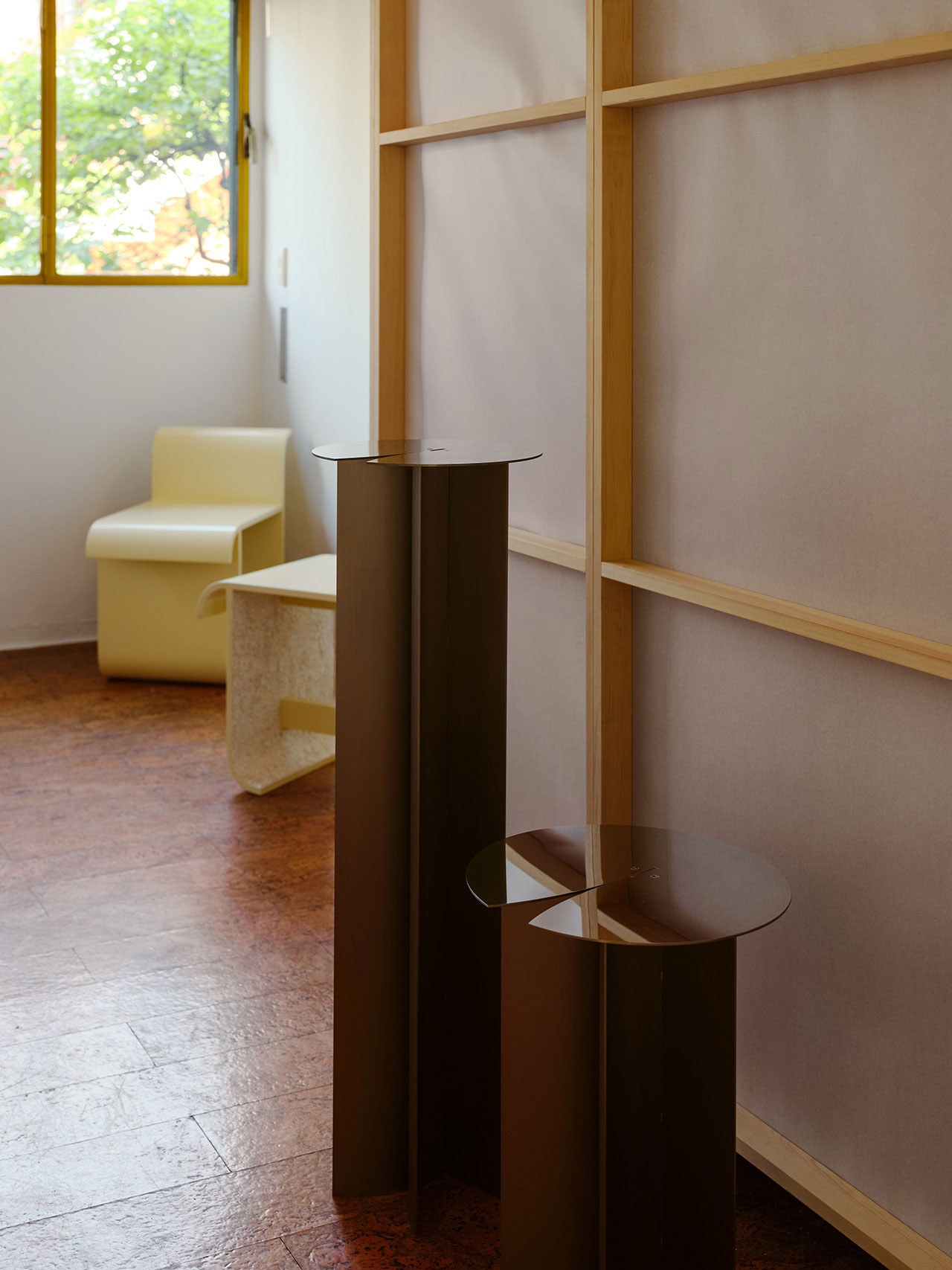
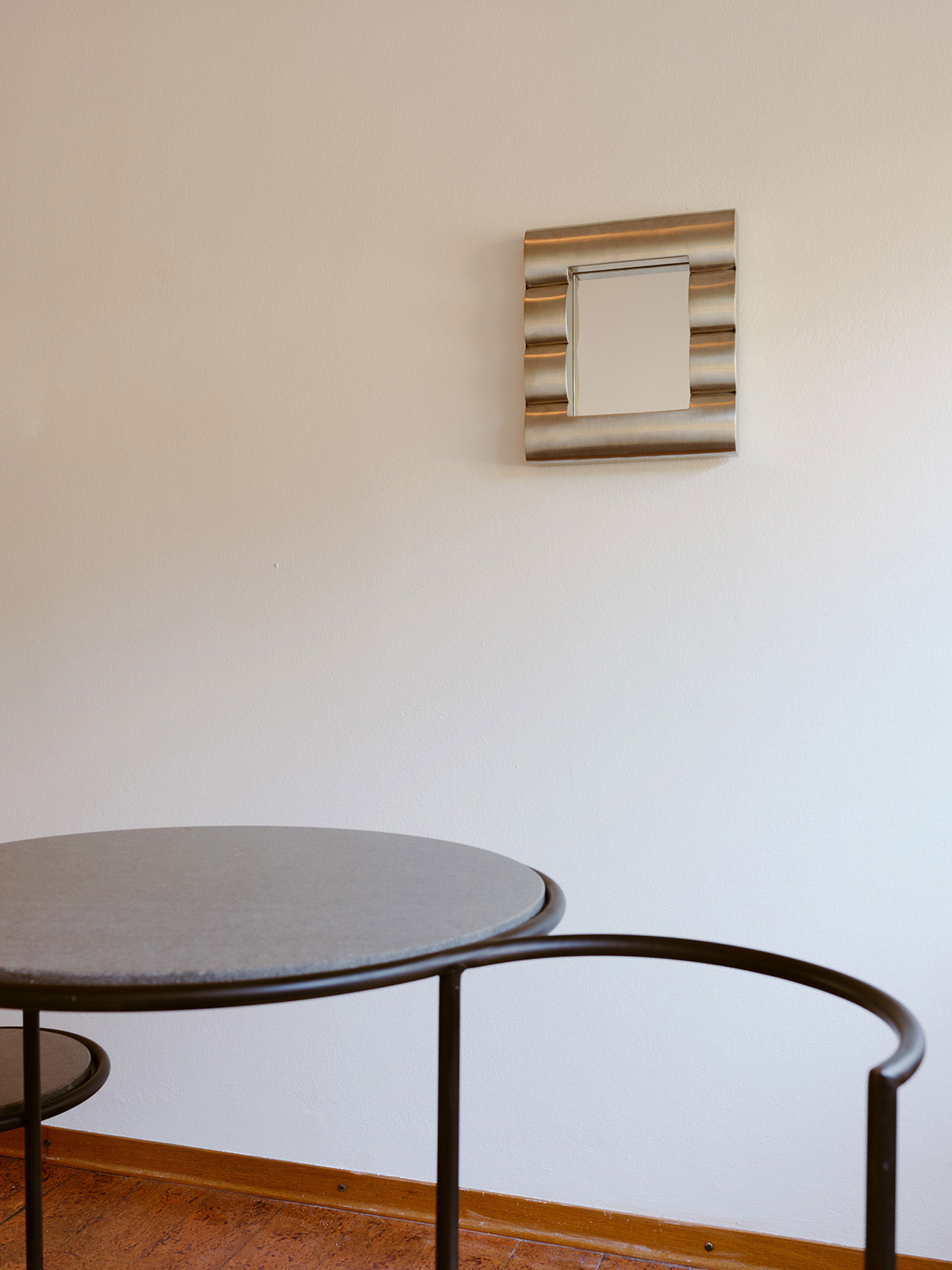
The curatorial intent at Villa Pestarini was to stage the space as a "study transfixed in time, personalized for quiet contemplation." To achieve this, Dosi Delfini selected works crafted in materials such as eggshell, glass, and reflective metals that harmonized with and amplified the villa’s inherent qualities. The interplay between the sleek lines of Albini’s architecture and the intricate textures of the exhibited pieces created a nuanced sensory experience.
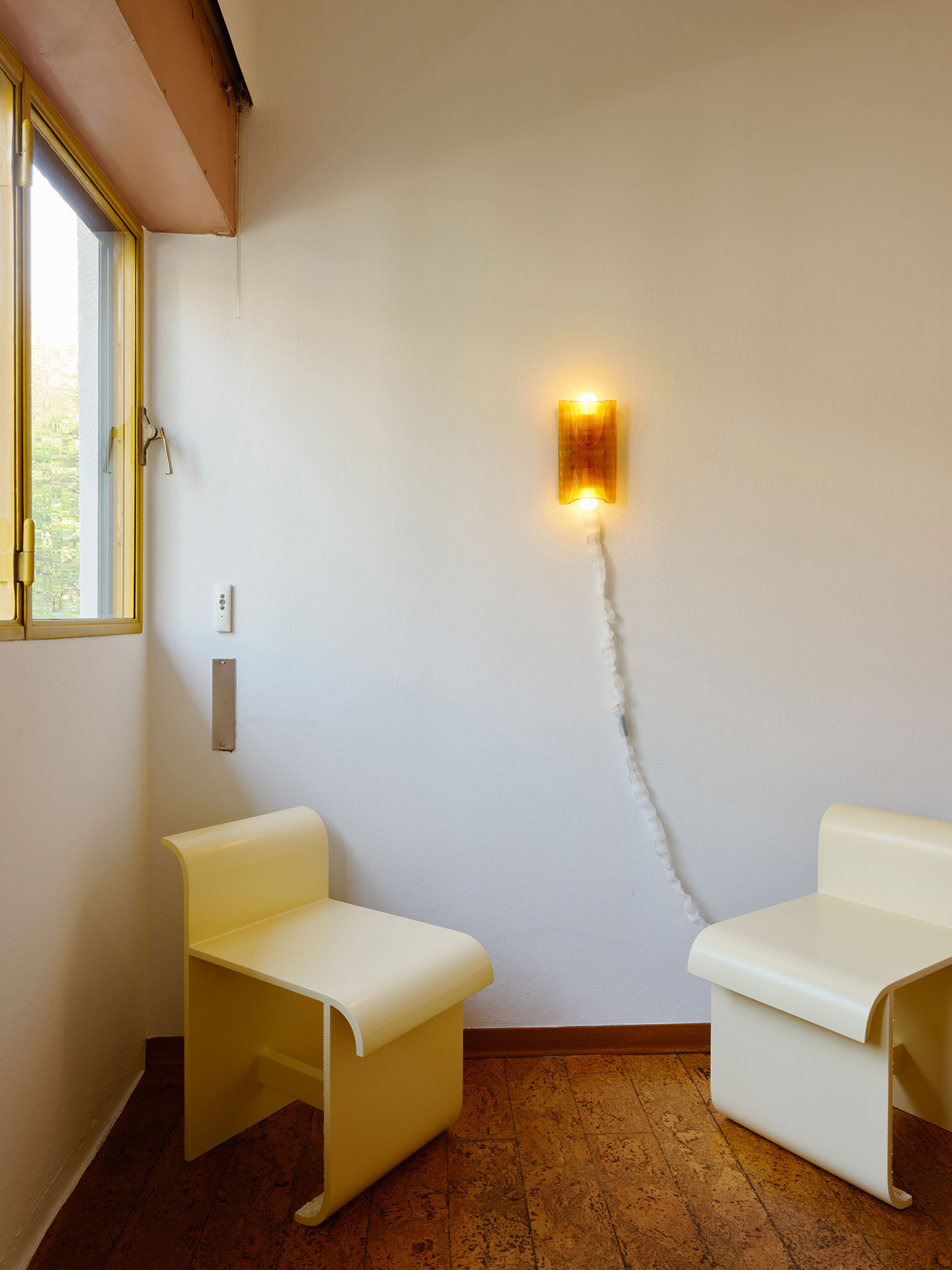
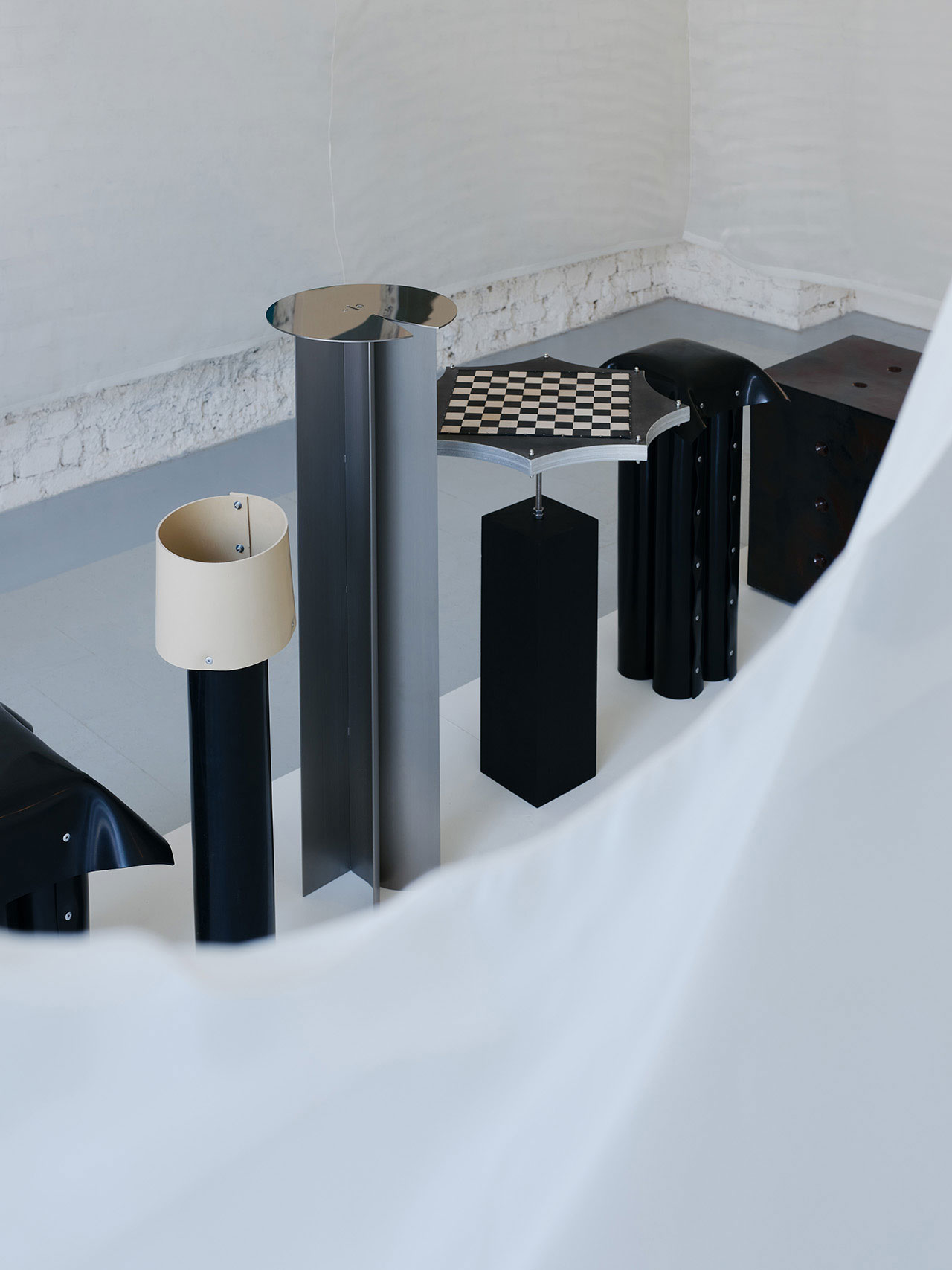
Among the standout pieces, Anna Dawson’s formally inventive fused-glass Calle Sconce diffused soft light both upward and downward, its delicate glow highlighting the architectural details of the villa’s walls. Her Sun Pendant, with its cleverly transposing qualities of restraint and expression, further showcased Dawson’s mastery. This hexagonal, concave-edge ceiling mount emitted light through a gently bulging amber dome, creating a warm, inviting ambiance. The distinctive hexagonal shape found an echo in Romain Basile Petrot’s Khemis Checkerboard Game table, subtly linking disparate elements within the space through a shared geometric language. This thoughtful placement suggested a cohesive, almost predestined relationship between the new and the historic.
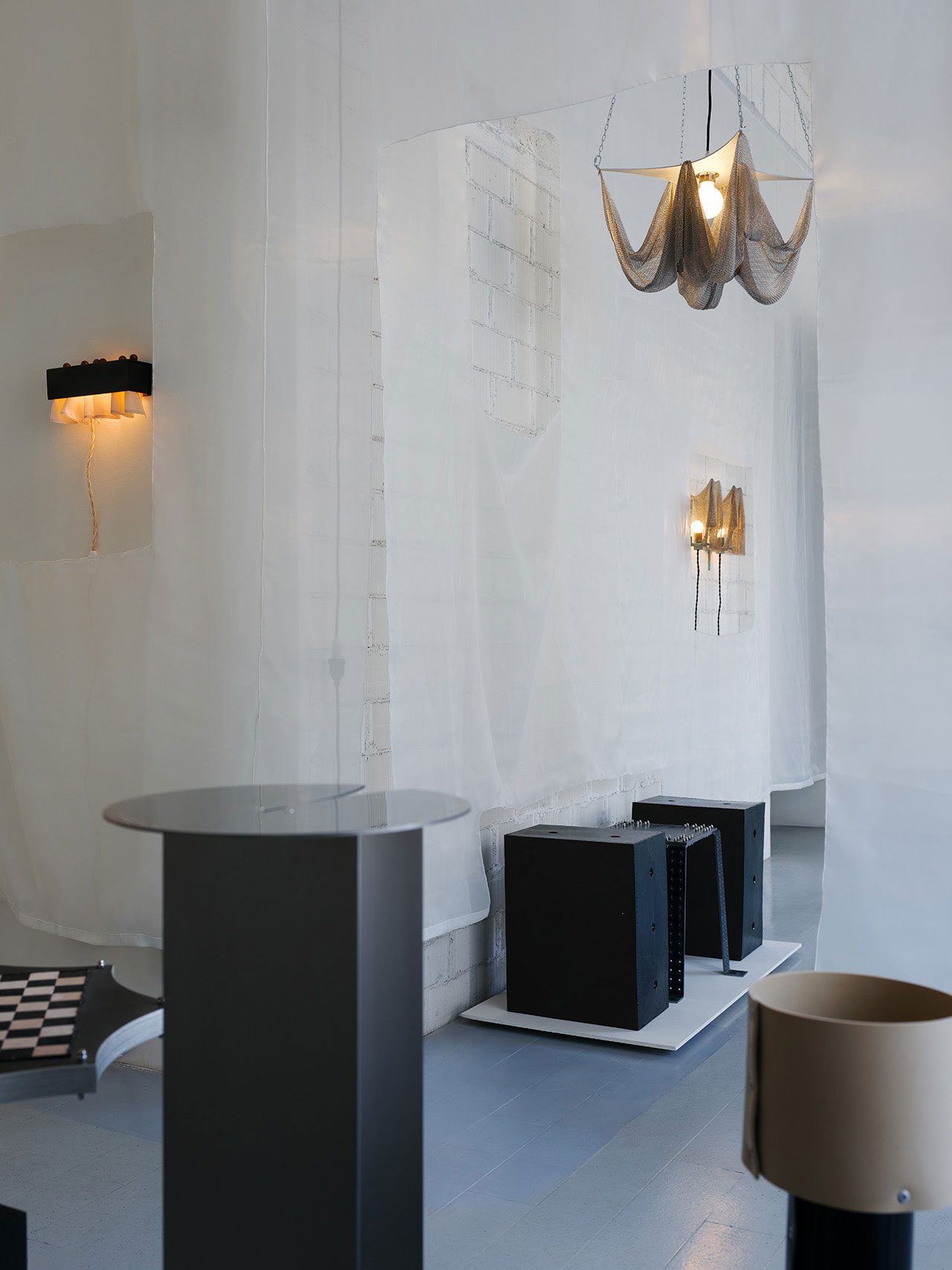
Caleb Engstrom’s Dry Kiss Chair I & II concepts, produced in slightly sumptuous crushed eggshell and lacquer, introduced a tactile richness that resonated with the villa’s understated luxury. The delicate materiality of the chairs contrasted beautifully with the sturdy, timeless structure of the home. Further translating the villa’s subtle nods to Moderne and Art Deco ornamentation was Liyang Zhang’s Florence Curtain Sconce. Spherical finials sat atop a patinated brass volume, projecting light through movable silk drapes. This piece not only provided illumination but also acted as an architectural intervention, playing with shadow and light, and softening the rationalist rigor with a touch of theatrical elegance. The selection of these particular works for Villa Pestarini demonstrated a deep understanding of Albini’s architectural philosophy, weaving contemporary narratives into the historical fabric of the building without overshadowing its original intent. It exemplified how modern design can coexist and enrich a historical space, offering fresh perspectives on both.
Certosa District: Embracing Industrial Heritage
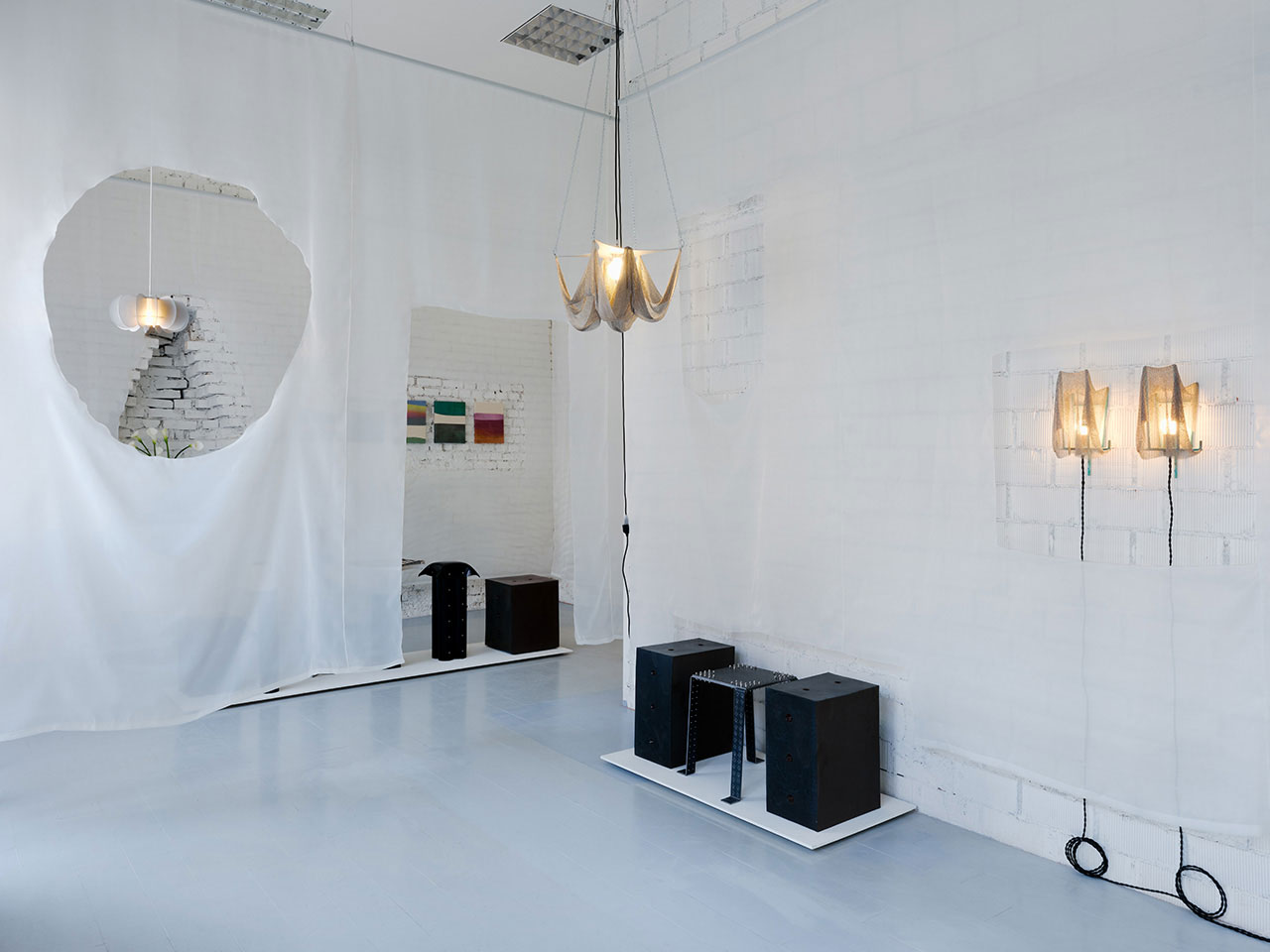
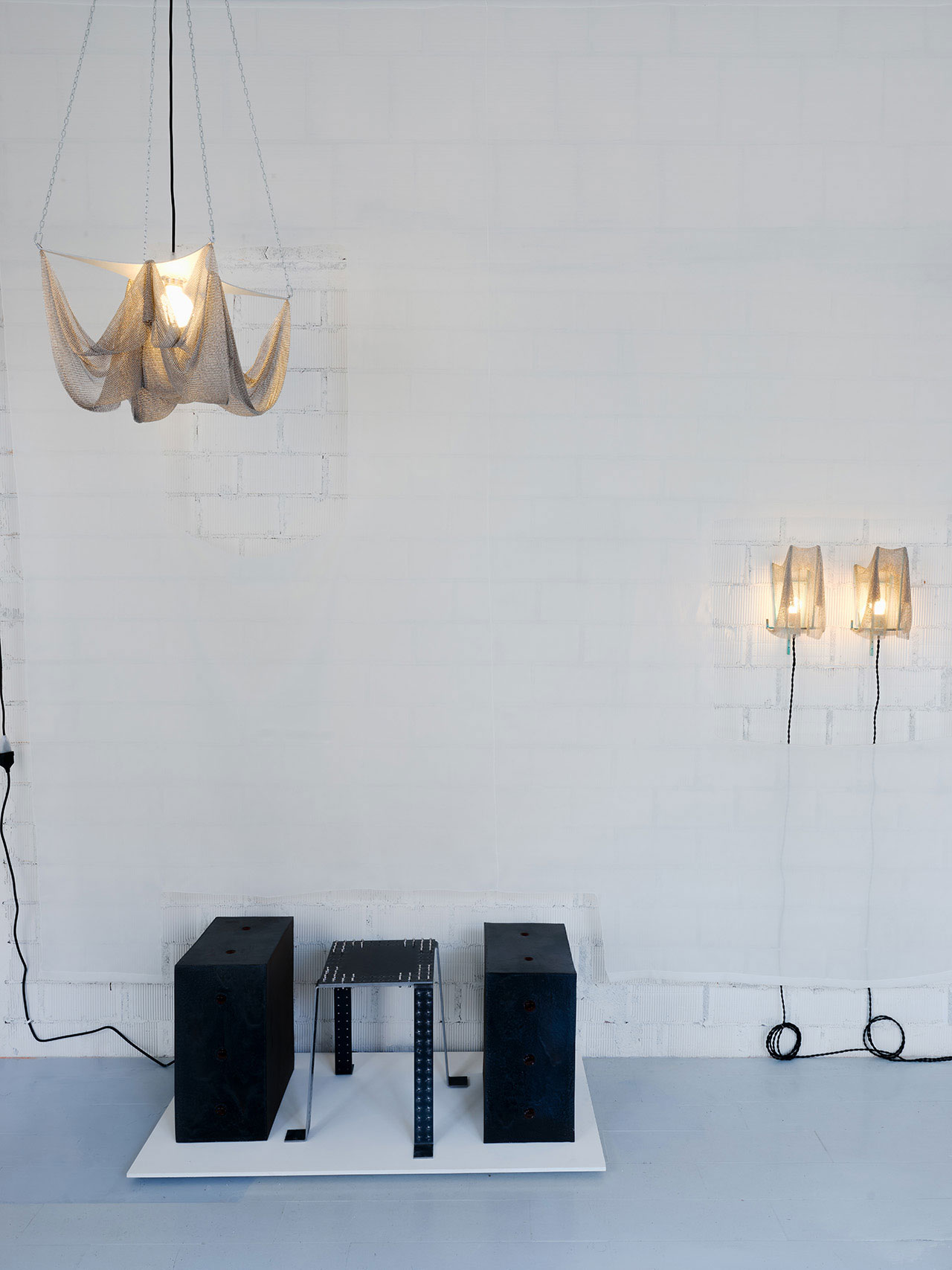
In stark contrast to the refined rationalism of Villa Pestarini, the second venue, the Certosa District, presented a decidedly industrial palette, calling back to the complex’s previous function as a former factory or workshop space. This environment offered a "rawer spatial language," characterized by exposed brick, concrete, and utilitarian aesthetics. Here, the curatorial strategy pivoted to celebrate this industrial heritage, using design objects that reinforced, rather than softened, the site’s rugged character.
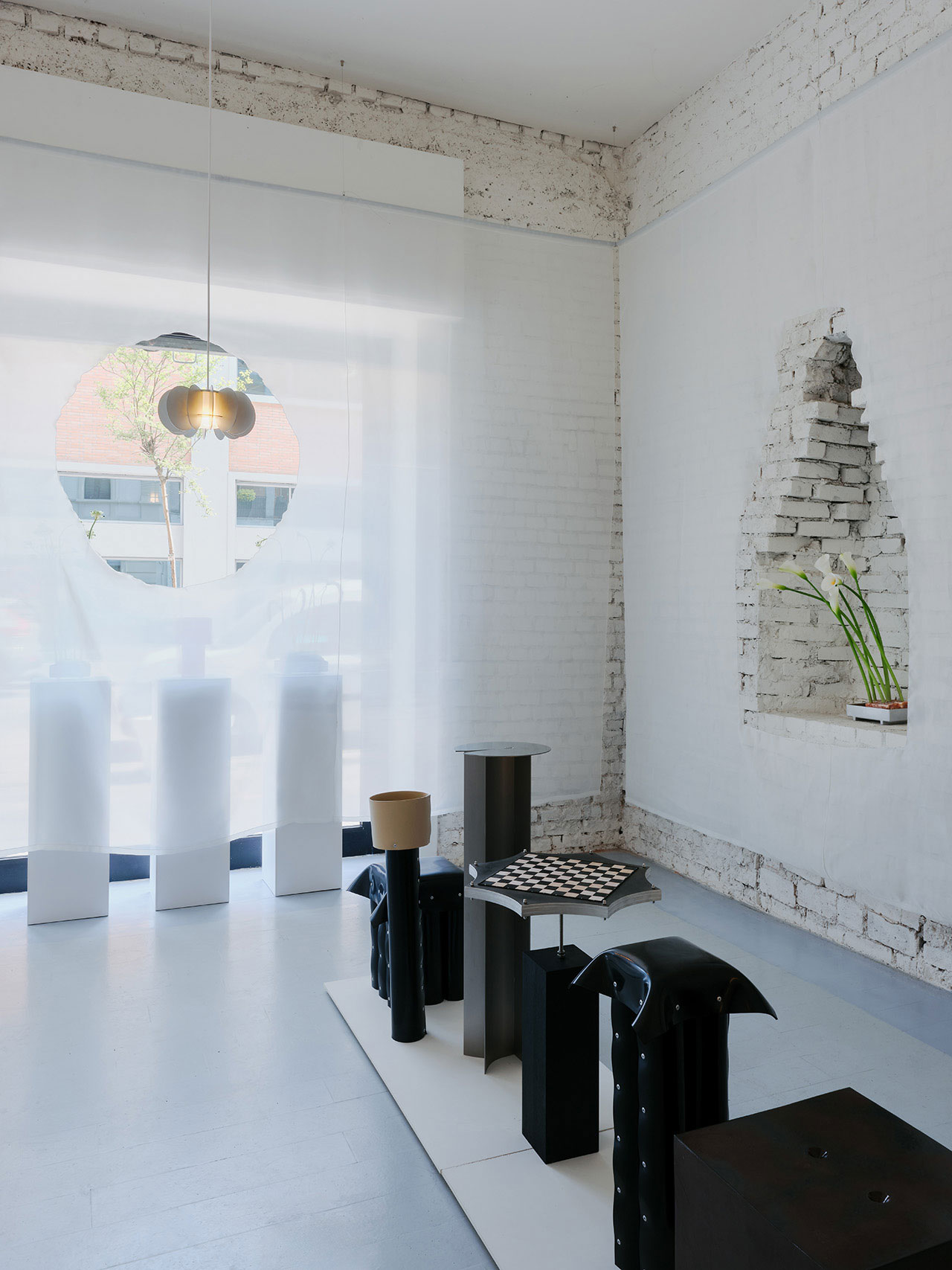
The pieces selected for the Certosa District were often semi-functional or non-functional sculptures, rendered in robust materials such as rubber, plastics, and metals. This choice not only respected the industrial context but also challenged traditional notions of utility and beauty. Atelier Fomenta’s monumental yet elastic Rubber Tables epitomized this approach. Their imposing presence, combined with the unexpected flexibility of the material, created a compelling tension within the space, inviting viewers to question the boundaries of furniture design. The tables stood as sculptural anchors, their dark, resilient forms speaking directly to the building’s robust past.
Maha Alavi’s somewhat architectonic cast-resin Frooot Bowl further explored the intersection of form and material in this industrial setting. Its structured yet fluid shape, crafted from plastic, brought a contemporary, almost futuristic sensibility that contrasted with the grittiness of the surroundings, while still maintaining a dialogue about manufactured materials. The piece’s inherent playfulness, despite its solid appearance, mirrored Playinghouse’s mission to imbue design with a sense of invention.
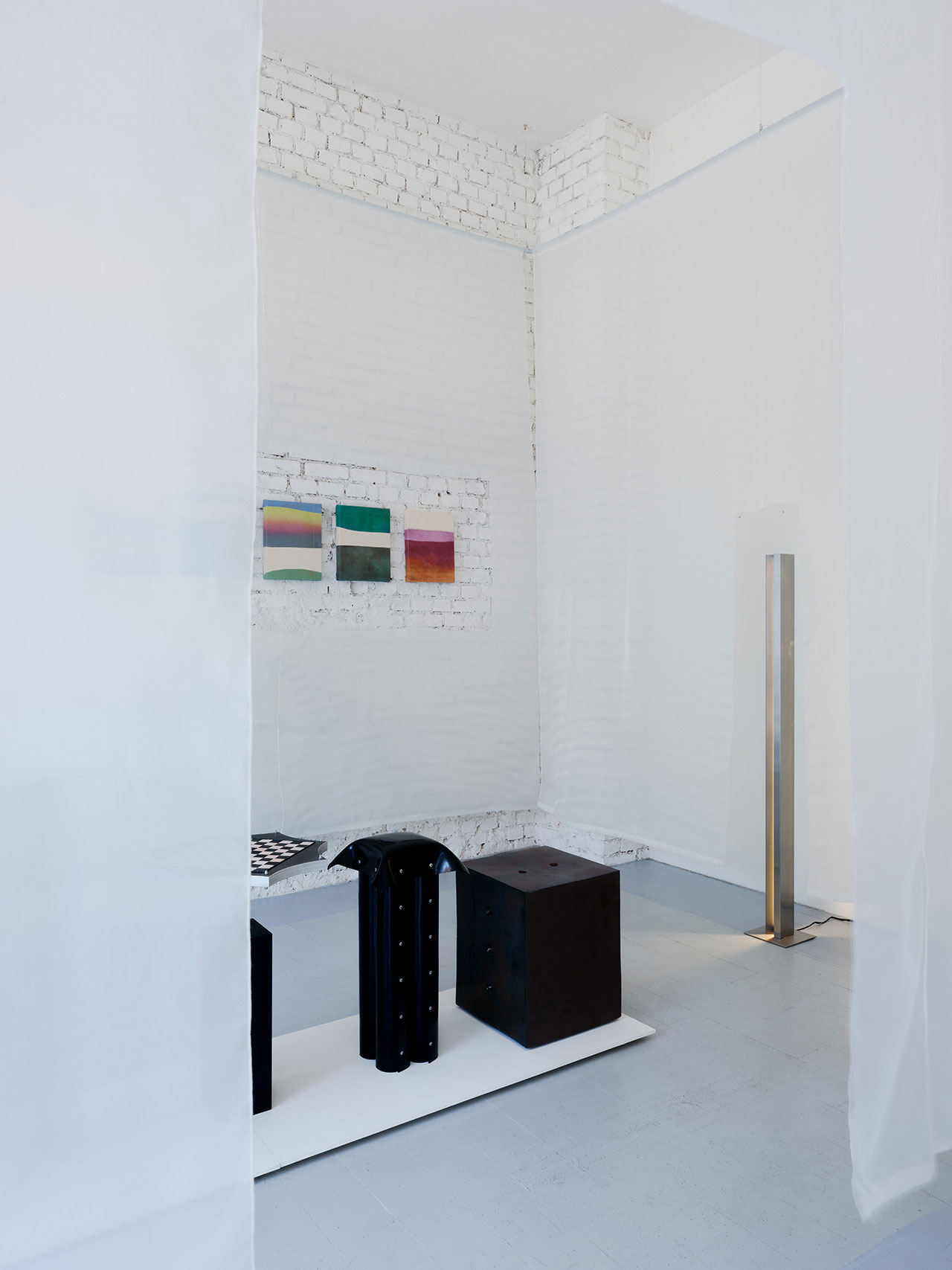
Perhaps most emblematic of the exhibition’s title, Francesco Rosati’s Table For a Married Couple offered a poignant commentary on interaction and connection. Composed of two perpendicularly positioned "tête-à-tête" chairs crafted from metals, the piece emphasized a shared yet distinct experience, reflecting the intimacy and occasional friction inherent in close relationships. Its metallic construction resonated with the industrial environment, while its conceptual depth added a layer of human narrative to the otherwise stark setting. The raw materiality and the challenging forms of these pieces in the Certosa District not only paid homage to the site’s history but also pushed the boundaries of what constitutes "design" within an exhibition context, demonstrating that even non-traditional spaces can be platforms for profound artistic expression.
Playinghouse’s Vision: Function, Familiarity, and Invention
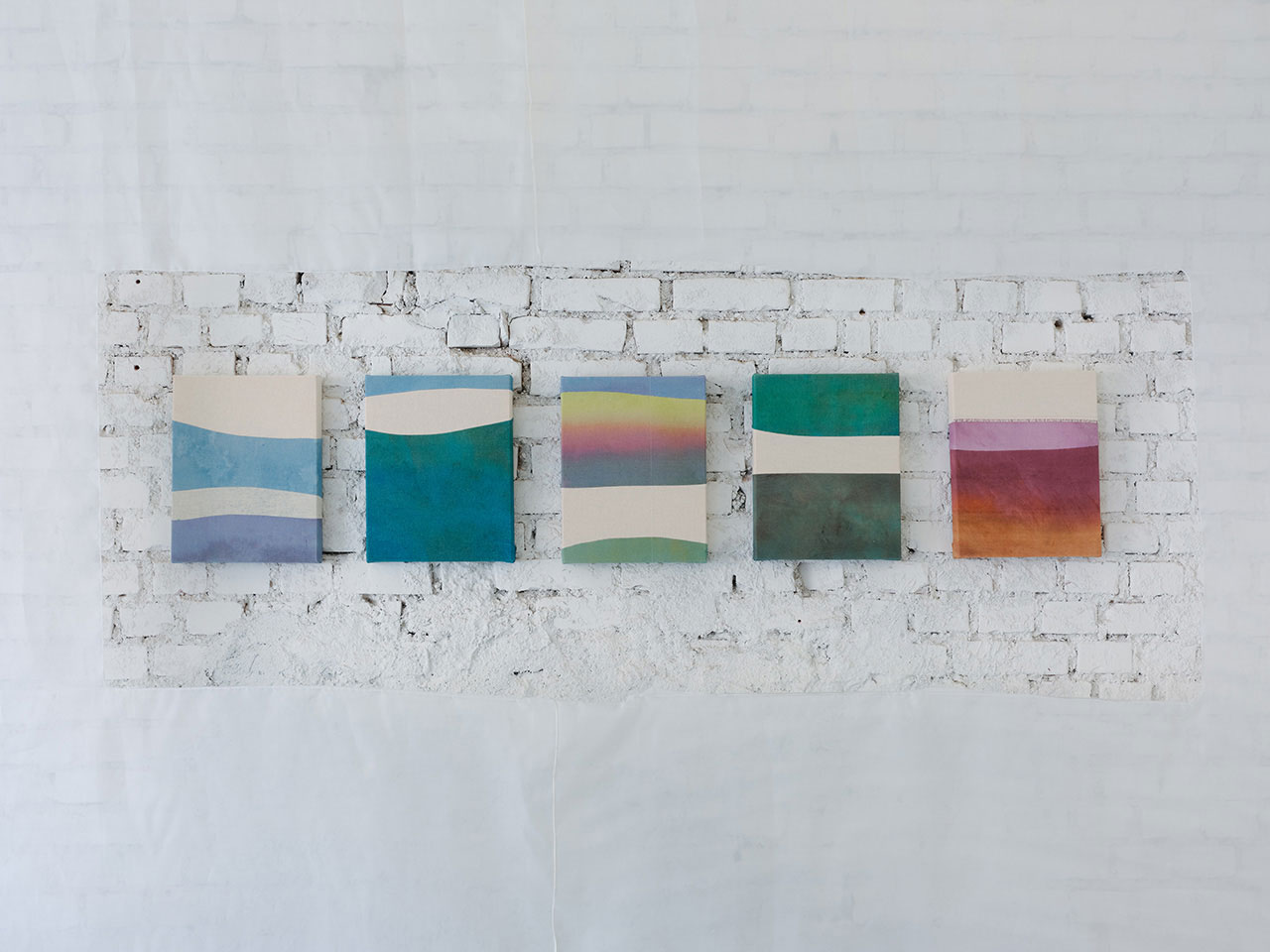
At its core, Playinghouse is dedicated to highlighting the intricate intersection between function, familiarity, and invention. The "tête-à-tête" exhibition perfectly embodied this mission, showcasing works where playfulness carried as much weight as practical rigor. The platform champions independent designers who are not afraid to experiment, to imbue their creations with a sense of wonder, and to challenge conventional perceptions of utility and aesthetics.
By presenting a range of objects that spanned the spectrum from purely sculptural to subtly functional, Playinghouse asserted that design can be both deeply considered and delightfully whimsical. This philosophy resonates deeply with a growing segment of the design market that values uniqueness, narrative, and an emotional connection to objects over mass-produced uniformity. The platform’s emphasis on "emergent New York art and design" signals its commitment to fostering new talent and providing a vital launchpad for voices that might otherwise be overlooked in a crowded industry. The success of "tête-à-tête" during Milan Design Week firmly establishes Playinghouse as a significant player in this evolving landscape.
Broader Impact and Implications for the Design World
The "tête-à-tête" exhibition by Playinghouse stands as a powerful testament to the efficacy and growing importance of site-responsive, contextualized design displays. It reinforces a critical industry trend that moves beyond mere product presentation to create immersive, narrative-rich experiences for the audience. This approach not only enhances the viewer’s understanding of how design objects function and integrate into various environments but also deepens their appreciation for the artistic intent and craftsmanship behind each piece.
For the independent talents featured, such platforms are invaluable. Exhibiting at Milan Design Week, especially under the thoughtful curation of Margherita Dosi Delfini and the innovative vision of Playinghouse, provides unparalleled international exposure. It connects emerging designers with a global network of collectors, gallerists, journalists, and potential collaborators, often serving as a pivotal moment in their careers. The opportunity to have their work juxtaposed with historical architecture or raw industrial spaces offers a unique narrative that elevates their pieces beyond simple objects to meaningful cultural contributions.
The dual-venue strategy employed by "tête-à-tête" also offers a compelling model for future exhibitions. It demonstrates that by thoughtfully engaging with diverse architectural and historical contexts, curators can unlock new layers of meaning and create dynamic relationships between contemporary design and its surroundings. This versatility proves that the same design objects can evoke entirely different sensations and interpretations depending on their setting, encouraging a more flexible and imaginative approach to exhibition design. This innovative curatorial choice provided a holistic view of the designers’ capabilities and the objects’ adaptability, proving that truly exceptional design transcends a single context.
Ultimately, Playinghouse’s "tête-à-tête" exhibition was more than just a showcase of contemporary design; it was a curated journey through contrasting narratives, a thoughtful exploration of how objects interact with space and history, and a vibrant affirmation of playfulness and rigor in design. It signals a future where design exhibitions are not just about showing what’s new, but about telling compelling stories, fostering deep connections, and challenging perceptions within richly contextualized worlds. The success of this exhibition sets a high bar for immersive design experiences and firmly positions Playinghouse at the forefront of this exciting evolution in the design world.







