Cintya Tara Annisa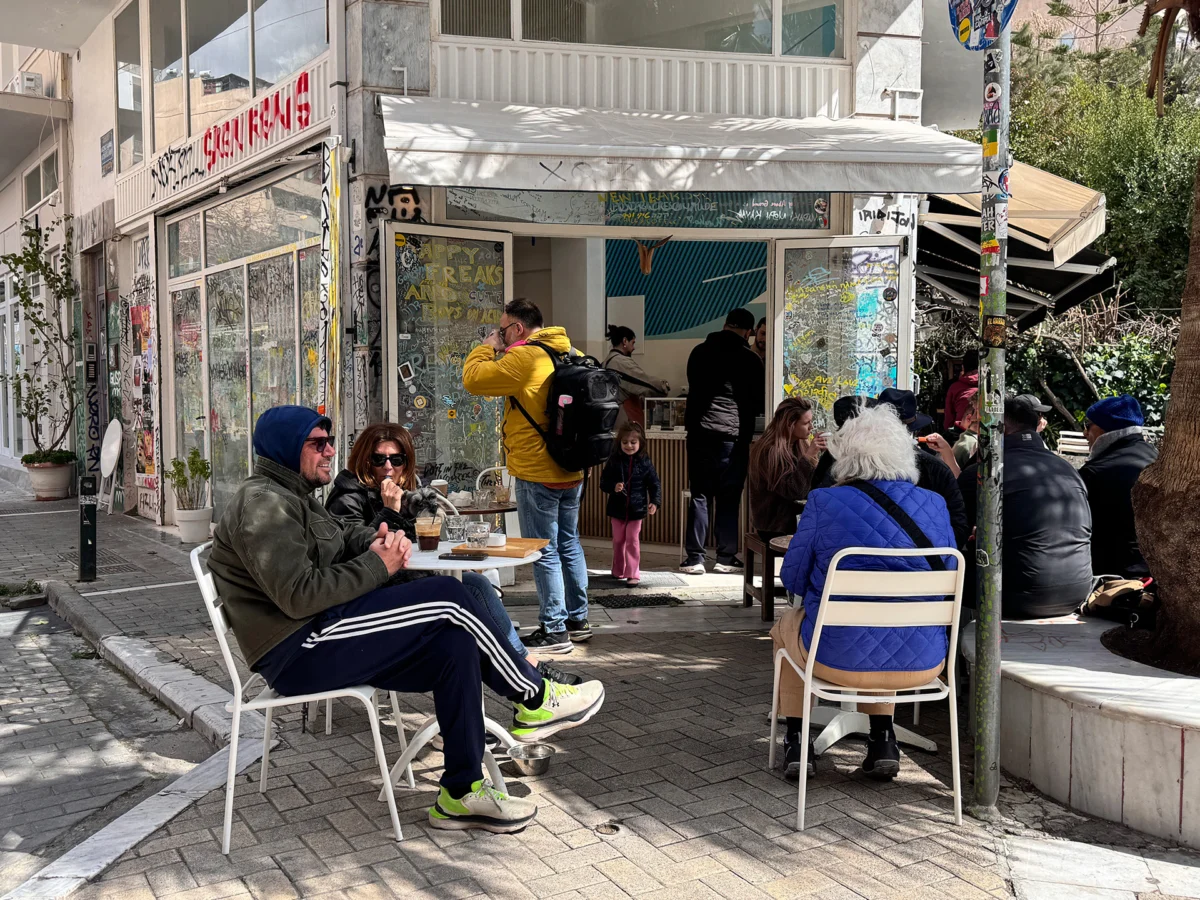
The specialty coffee landscape in Athens, Greece, has undergone a profound transformation over the last two decades, evolving from a culture rooted in traditional coffee houses to a global hub for third-wave coffee innovation. For generations, the social fabric of Athens was woven within the walls of the Kafeneia—traditional establishments where locals gathered to discuss politics, handle Komboloi (worry beads), and consume thick, unfiltered Greek coffee. However, a significant shift in consumer preferences has seen the city embrace medium-roast espresso drinks and, more recently, a burgeoning interest in high-end filter and single-origin offerings.
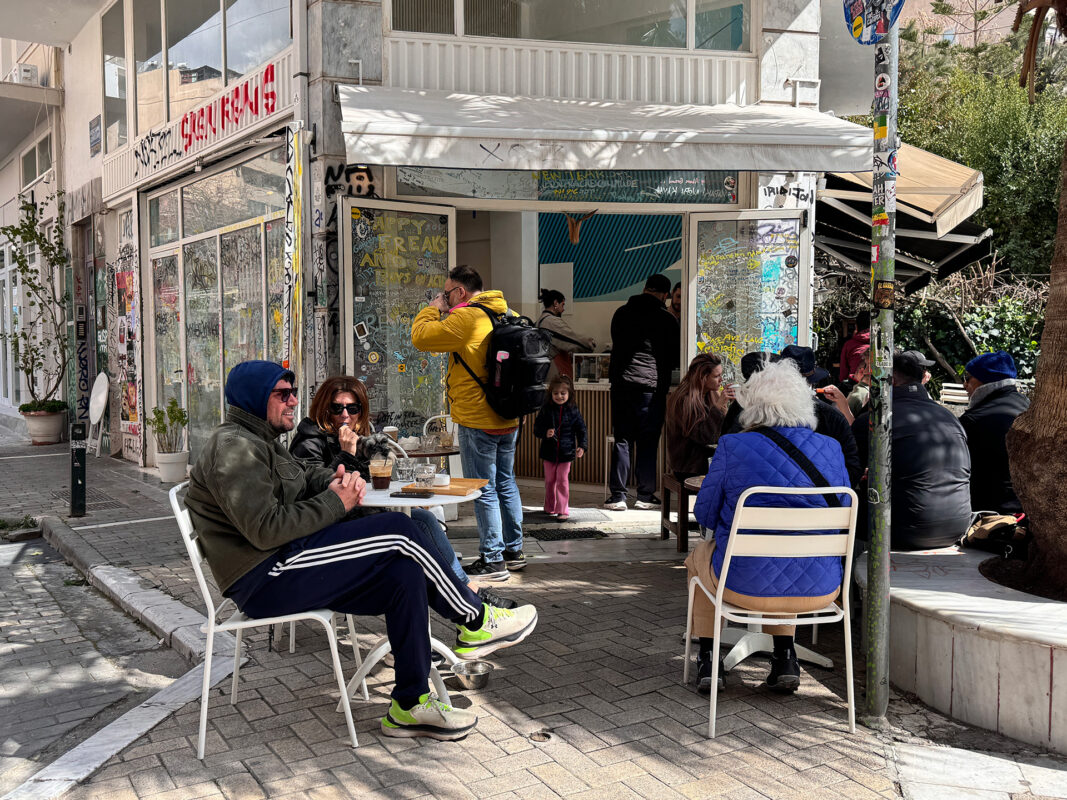
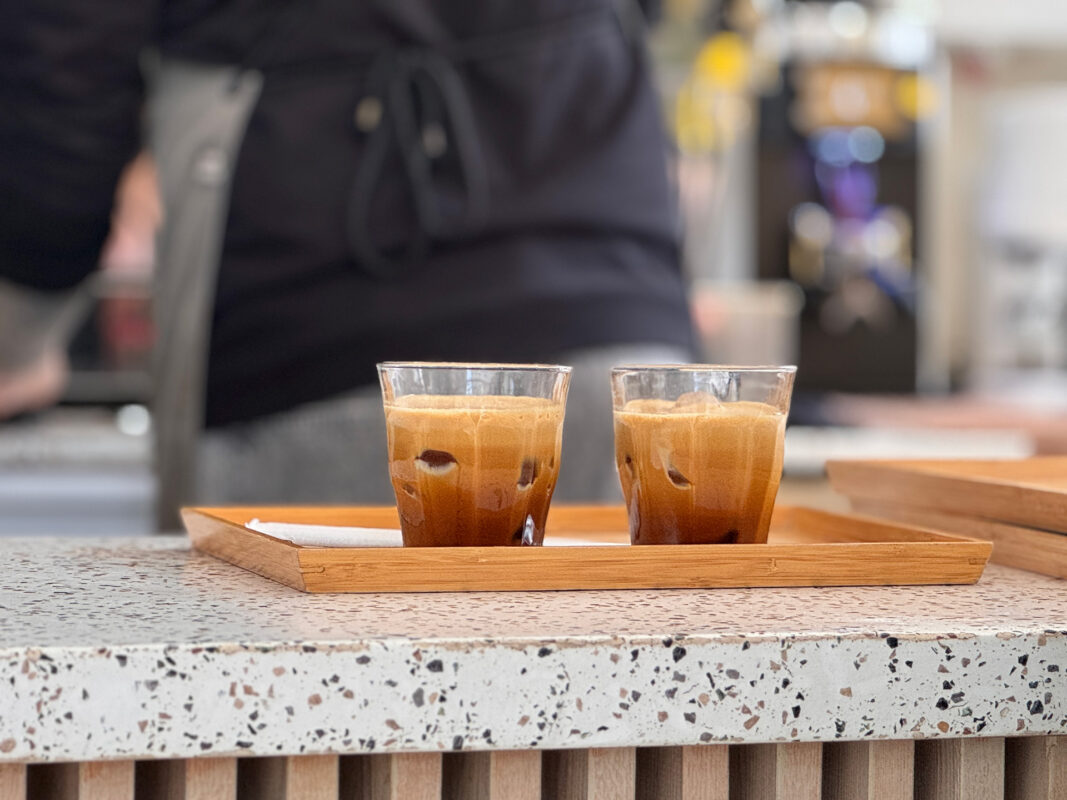
This transition is characterized by a unique demographic blend. In the city’s most contemporary cafes, it is common to observe elderly pensioners enjoying a cappuccino alongside younger professionals in minimalist attire. This juxtaposition highlights a broader cultural acceptance of specialty coffee, where the pursuit of quality transcends generational divides. The local market is currently dominated by the "Freddo" phenomenon—specifically the Freddo Espresso and Freddo Cappuccino—which has become a national staple. To cater to the local palate, which often favors a touch of sweetness, many specialty roasters utilize medium-light roast blends that maintain structural integrity when paired with sugar or aerated milk.
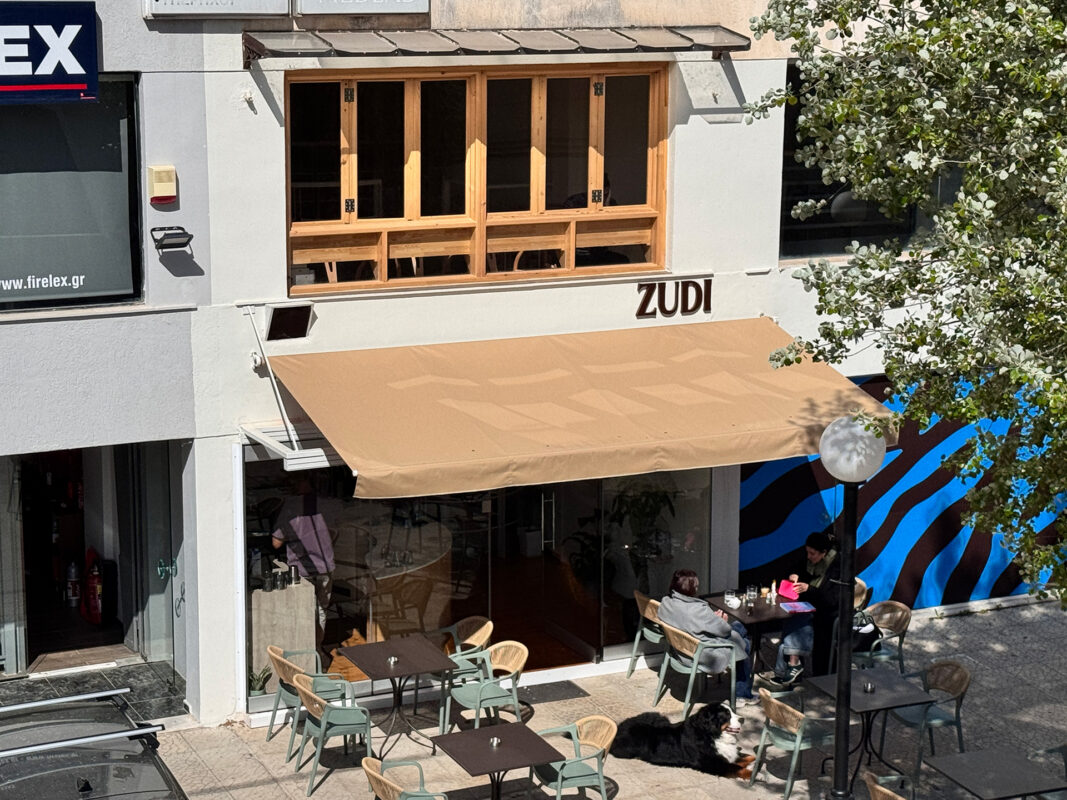
Historical Context and the Patriarchs of Specialty Coffee
The modern specialty movement in Athens can be traced back to a few pioneering figures and institutions that established the standards for quality and direct trade. Chief among these is Taf, often described as the "university" of the Athenian coffee scene. Founded by Yannis Taloumis, Taf was instrumental in introducing the concept of direct trade to the Greek market, ensuring that farmers at the origin were compensated fairly while providing Greek consumers with access to elite-tier beans.
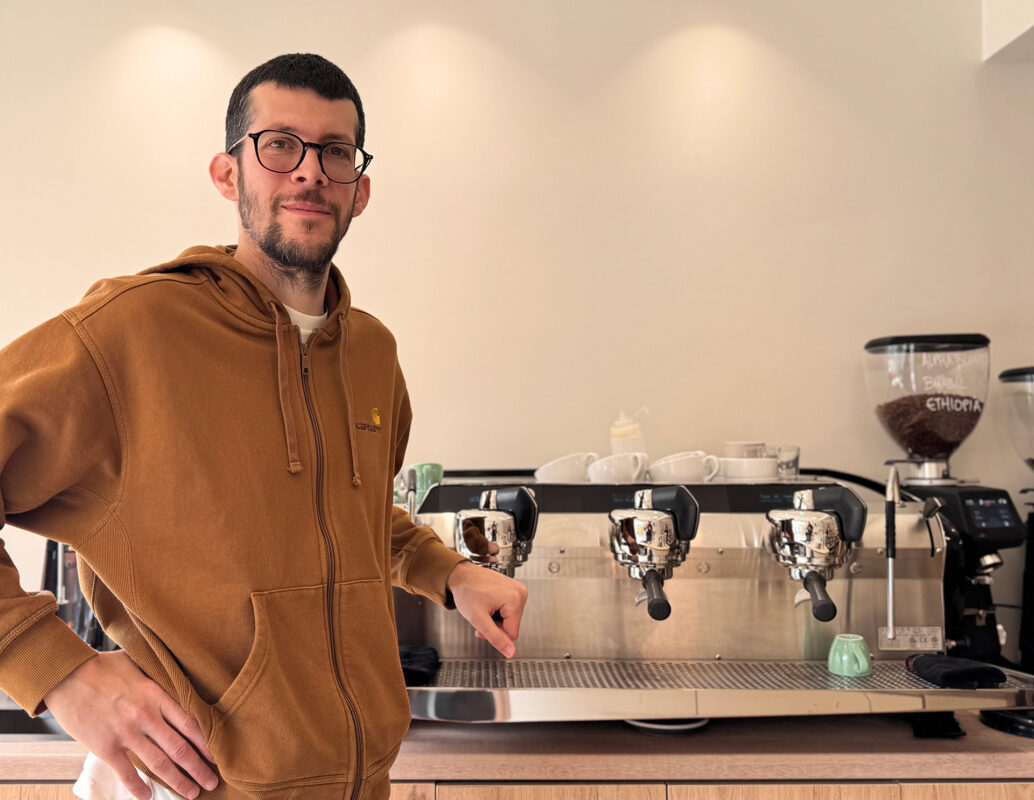
Taf’s influence is measurable by the number of champion baristas and successful shop owners who began their careers within its walls. The institution continues to lead the market, recently showcasing rare varieties such as the Alida Gesha and employing sensory experts like Grigoria Katsikarou, a recognized coffee championship judge. This focus on education and technical precision set the stage for Athens to become a consistent contender on the world stage of coffee competitions.
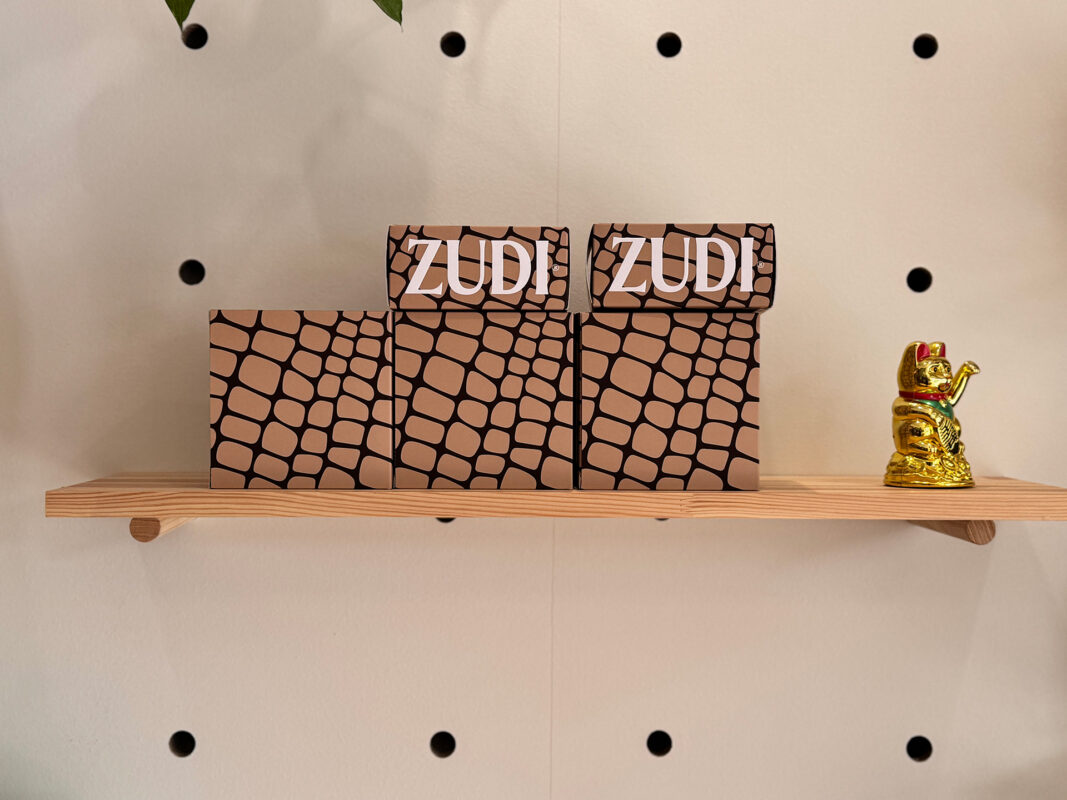
Following in this tradition of excellence is The Underdog, a flagship operation located near the Acropolis in the Thiseio district. Founded by Tasos Delichristos—a winner of the 2007 Barista Championship and the 2008 World Coffee in Good Spirits championship—The Underdog serves as both a high-volume cafe and a training ground for competition finalists. The establishment operates across multiple floors, featuring a dedicated coffee station where staff engage with customers on technical details such as water mineral content and brewing ratios.
The Rise of the Neighborhood Micro-Roastery
As the specialty scene matured, it expanded beyond the city center into residential suburbs, bringing high-end roasting and brewing to local communities. This decentralization is exemplified by establishments like Zudi Coffee Co in the northern suburb of Marousi. Managed by Orestis Sfiris, a four-time Hellenic Cup Taster champion (2019, 2020, 2023, 2024), and Nikos Kanakaris, a WCC certified judge, Zudi represents the professionalization of the neighborhood cafe.
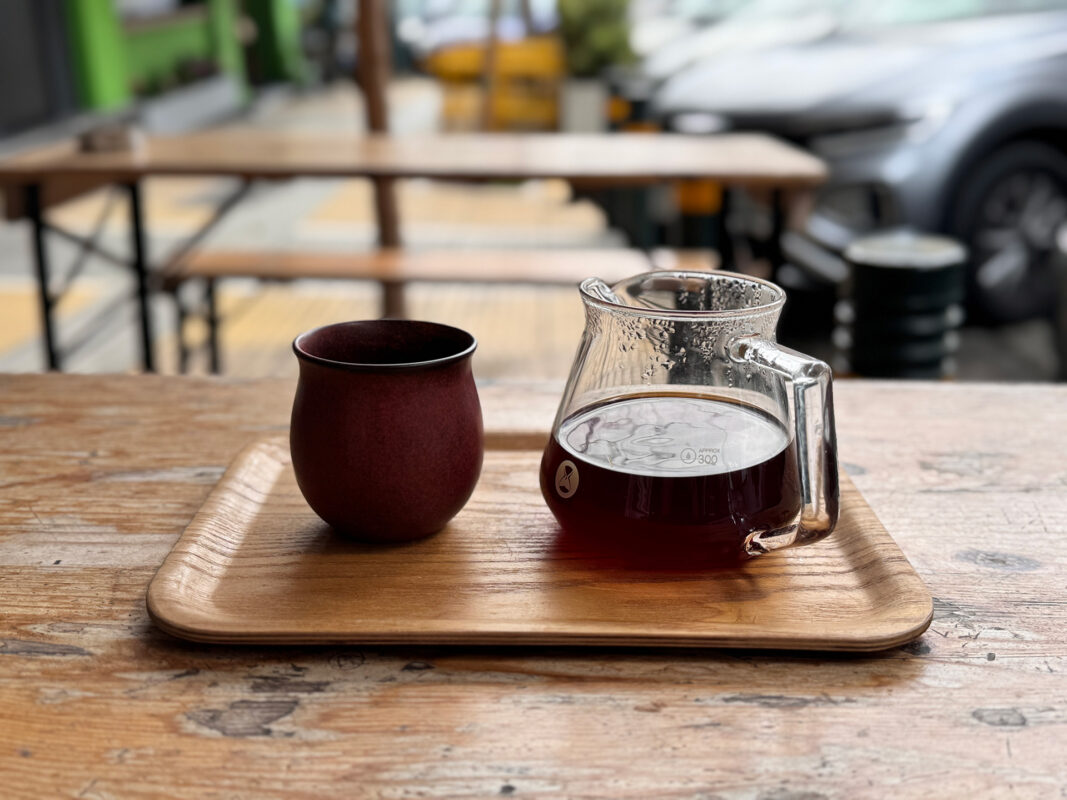
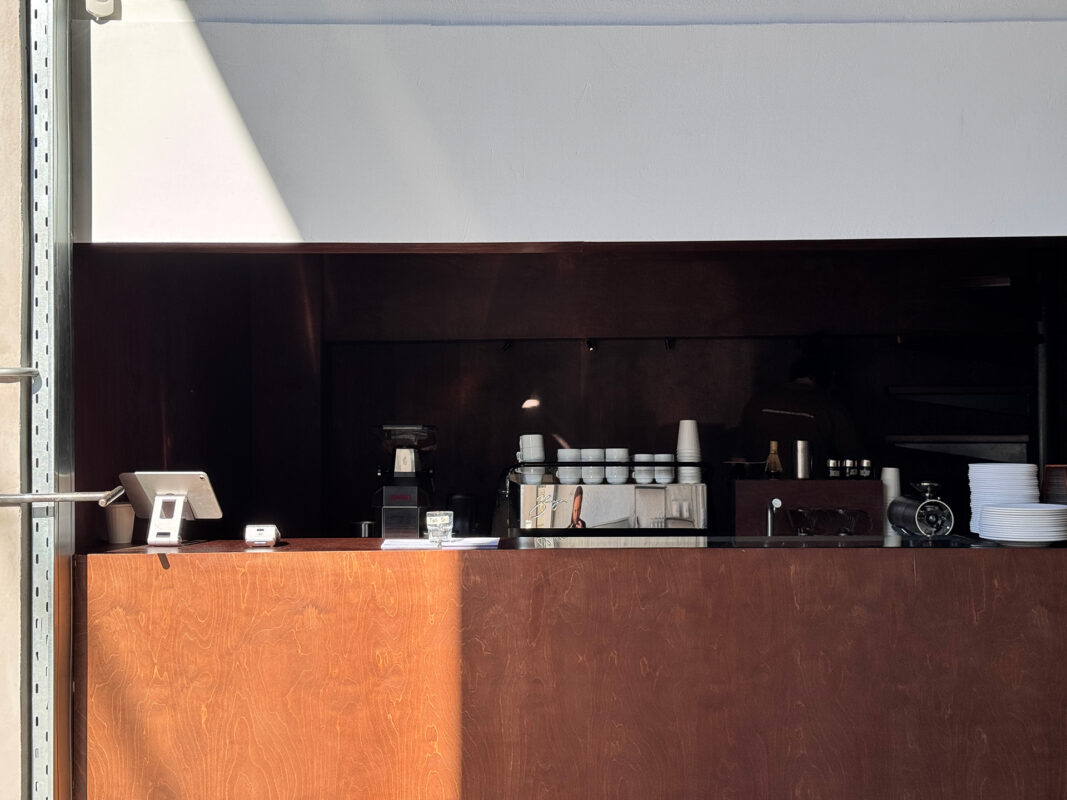
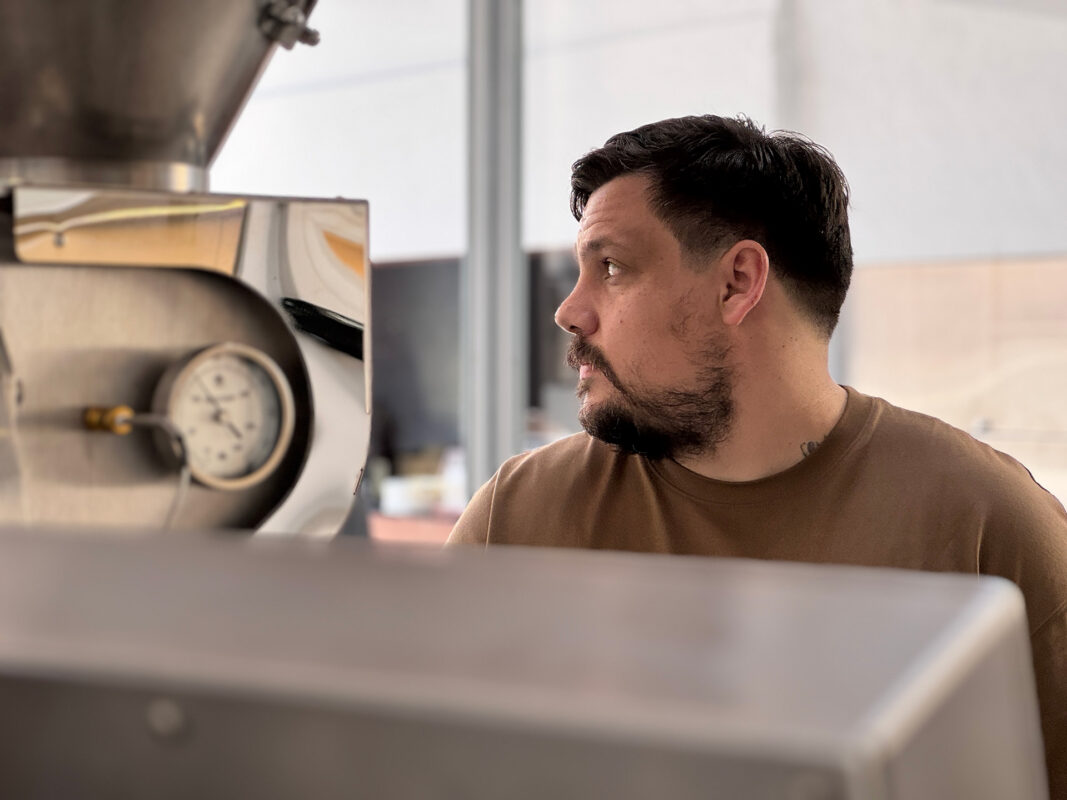
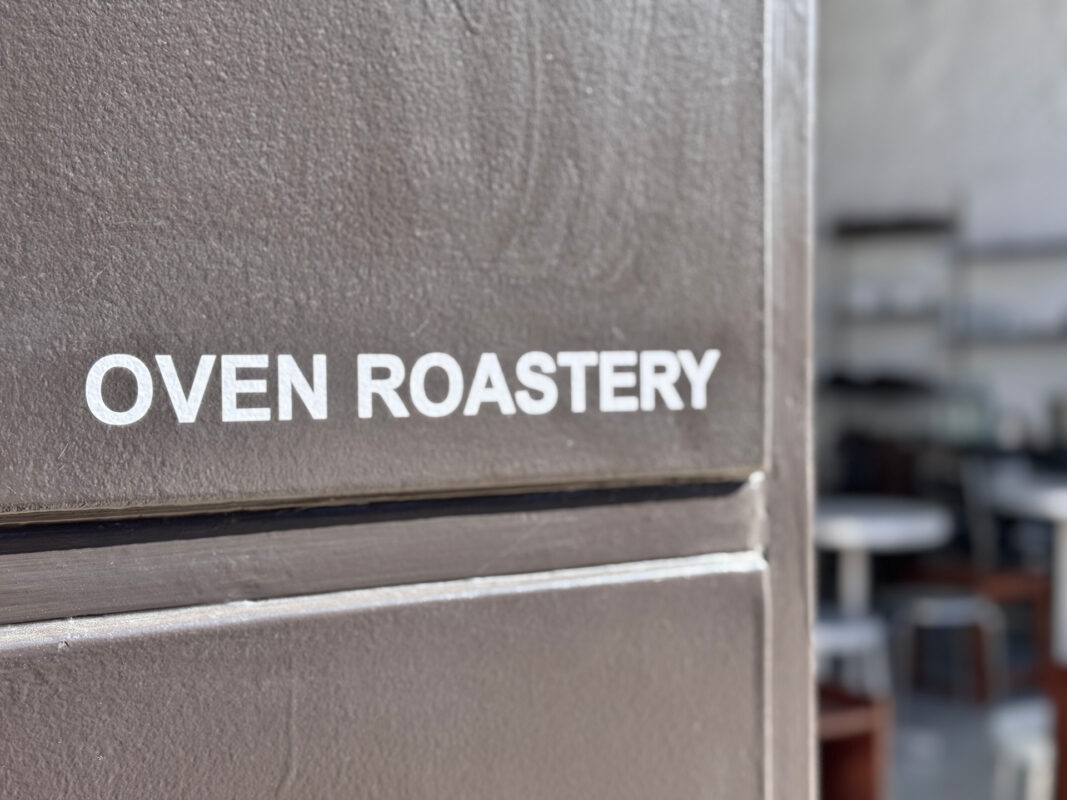
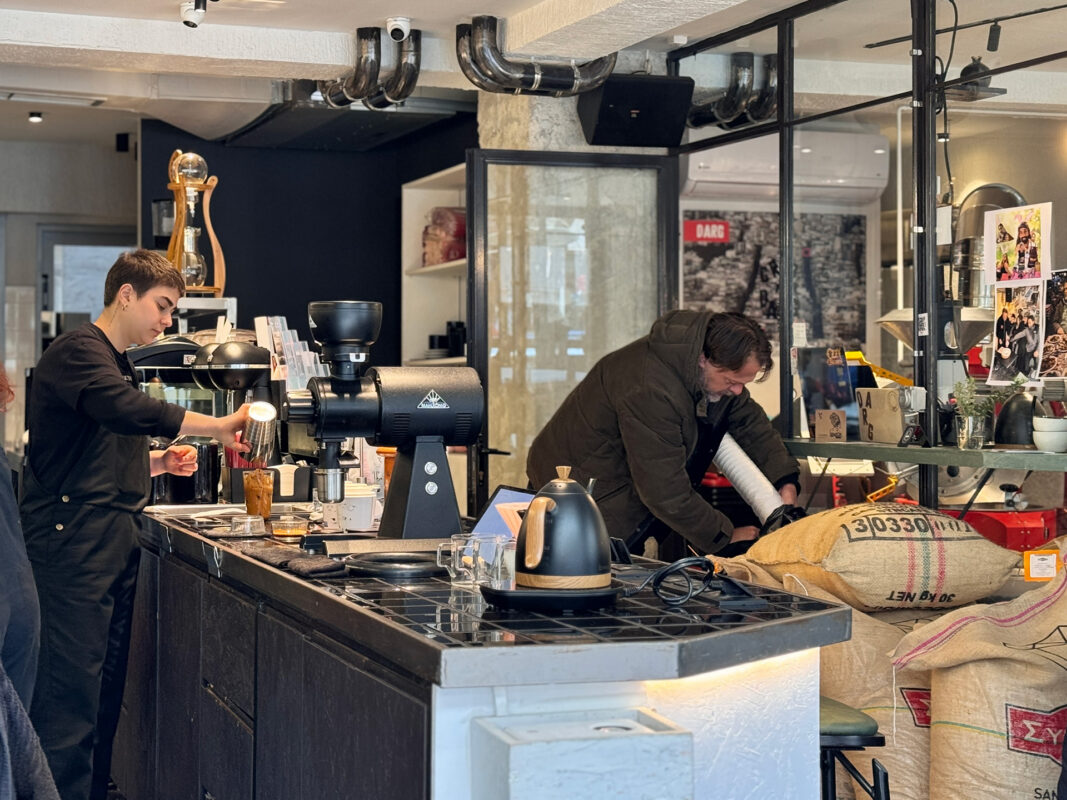
The move toward micro-roasting is a defining trend of the 2020s. Oven Roastery, which opened its warehouse-style facility in early 2026, illustrates this shift. Head roaster Dimitris Pantelis, who refined his craft at Samba Coffee Roasters, invested in advanced technology, such as the 15kg Loring machine, to pursue a "sweet-forward" roasting profile. This trend is mirrored by Darg, led by 2024 Greek Roasting Champion Anargyros Fakos. Operating out of a specialized facility on Evridamantos Street, Fakos utilizes a Silon ZR7 roaster to achieve a delicate balance between light-medium roasts and the inherent sweetness of the bean, catering to a sophisticated clientele that avoids commercial chains.
Urban Revitalization and Cultural Impact
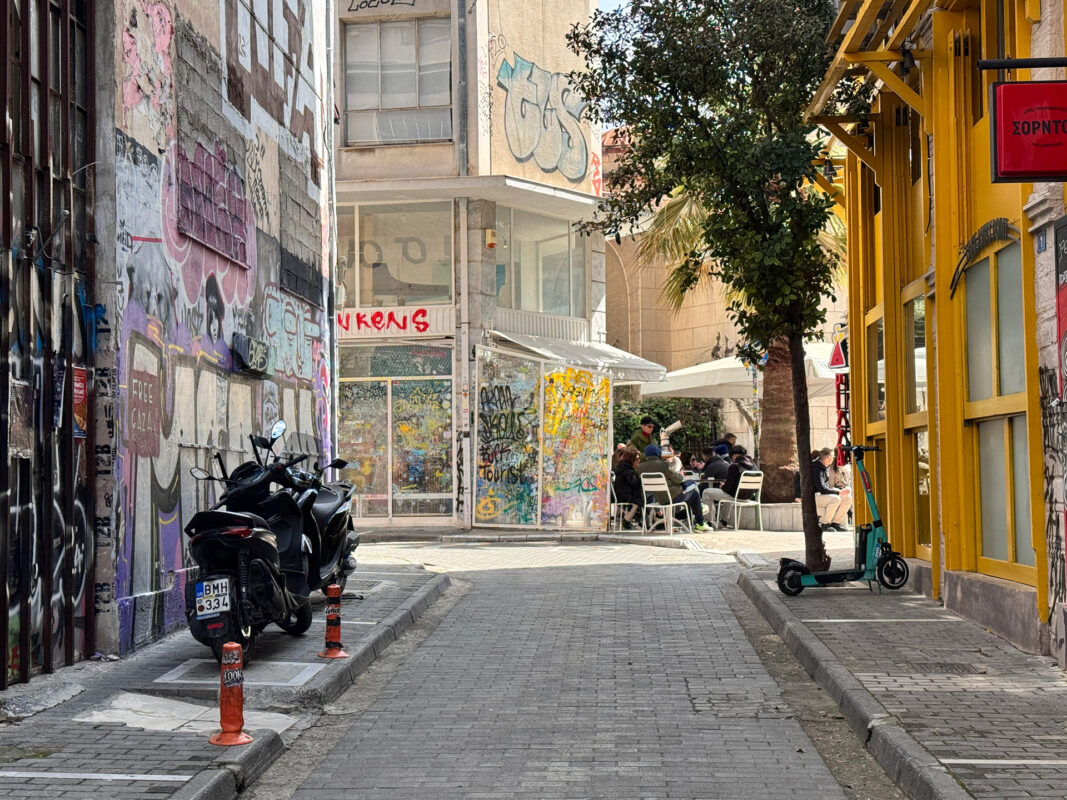
The proliferation of specialty coffee has also acted as a catalyst for urban renewal in previously overlooked or "sketchy" areas of Athens. Myller Coffee Shop, located in a former cobbler’s shop downtown, is a prime example. According to owner Nikos Vasiloudis, the area underwent a significant turnaround following the shop’s opening, eventually becoming a popular destination for locals and tourists alike. Myller sources its beans from Handpickers, a roaster based in the Kallithea neighborhood, further illustrating the interconnected nature of the local specialty ecosystem.
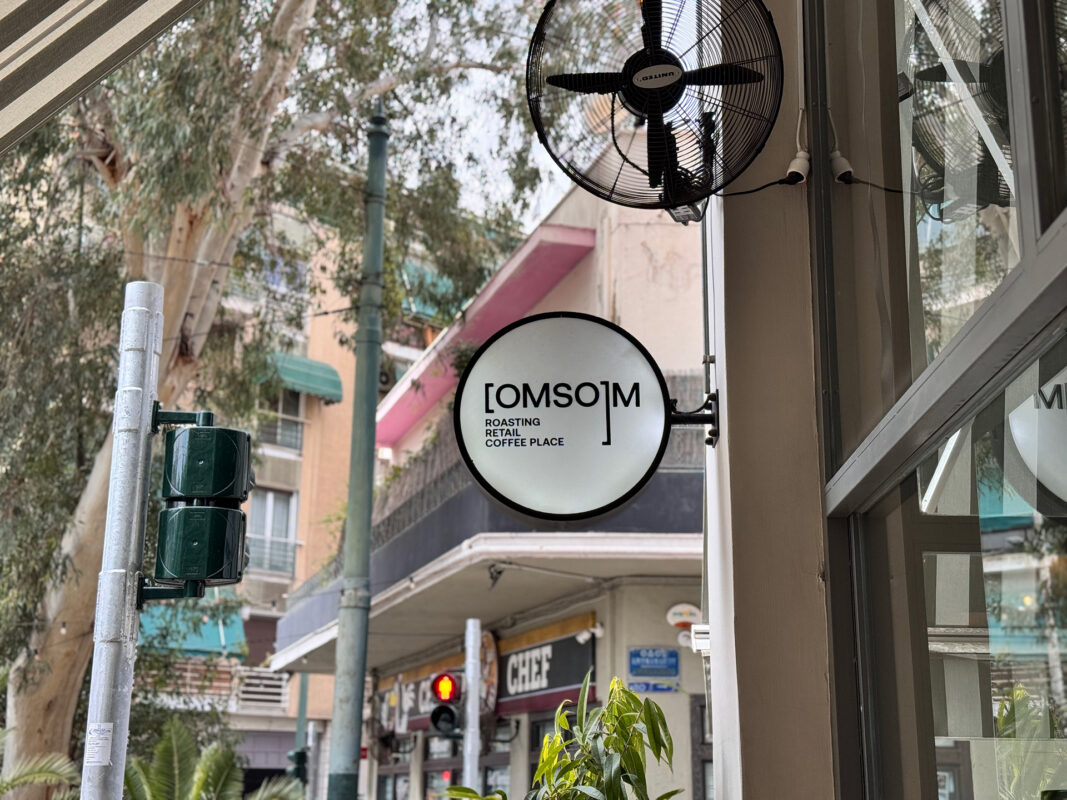
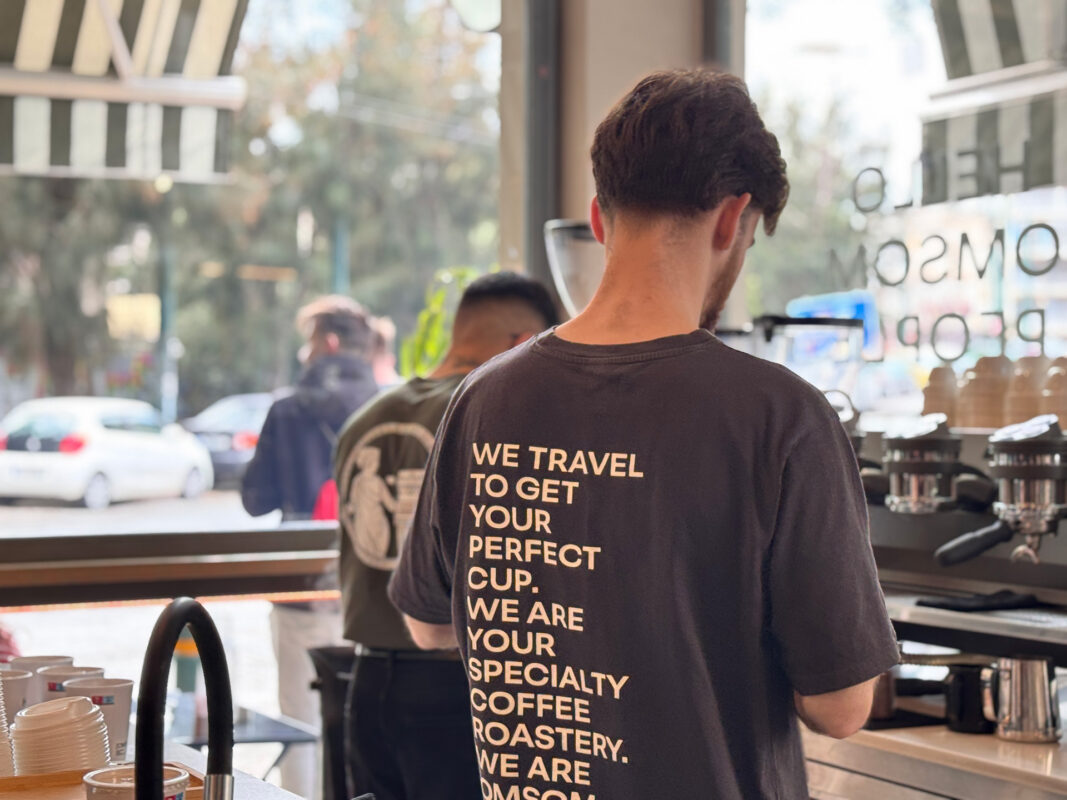
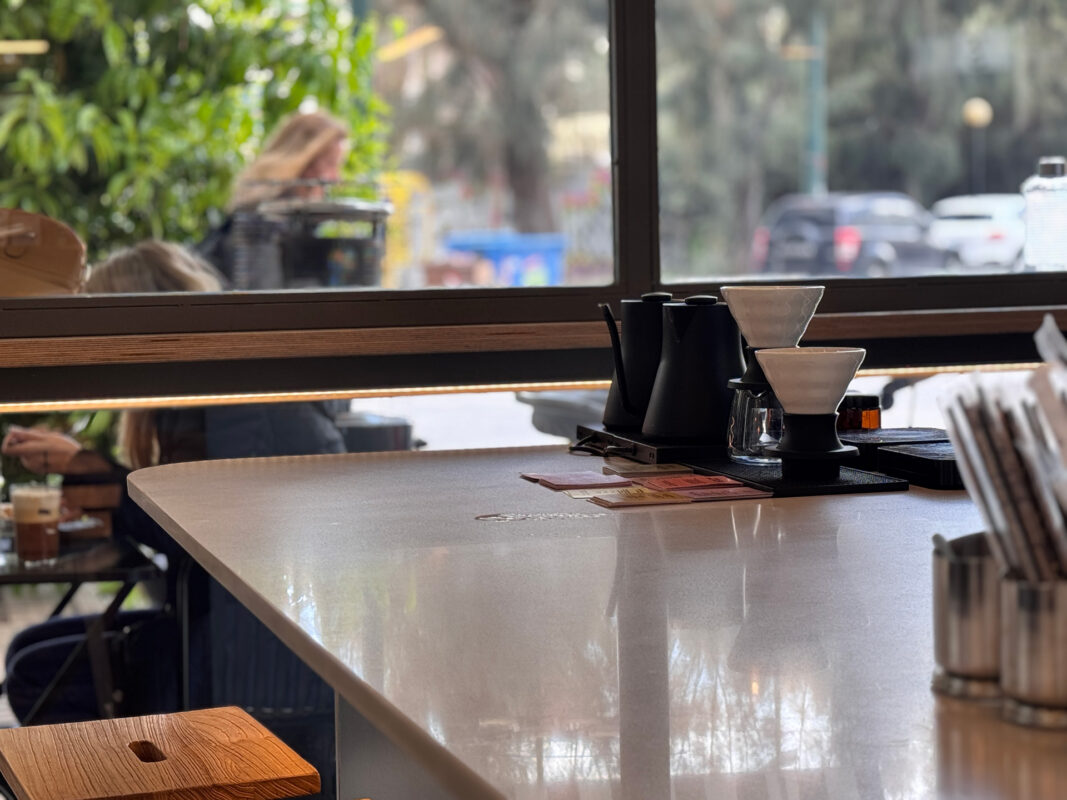
In the Koukaki and Peristeri districts, Omsom has played a similar role in bringing "city center vibes" to local neighborhoods. Under the guidance of head roaster Nikos Bellis, Omsom offers a dedicated pour-over counter designed to mimic an omakase experience, where guests can interact with baristas regarding roast profiles and origin stories. These spaces serve as modern-day Kafeneia, maintaining the social function of the traditional coffee house while elevating the product to international specialty standards.
Technical Innovation and Diverse Brewing Methods
While espresso remains the dominant force in Greek coffee consumption, there is an increasing diversification of brewing methods. Foyer Espresso Bar, located near the National Garden, has gained a reputation for its curated menu of filter coffees. Co-owner Giorgos Papantoniou, the 2025 Hellenic Brewers Cup champion, emphasizes rare natural processed varieties, such as those from the Kamavindi estate in Kenya.
Conversely, Mokka, situated near the Varvakios Central Market, preserves traditional methods while applying specialty-grade standards. Mokka is one of the few institutions in Athens where consumers can experience Ibrik-style coffee prepared in a Hovoli—a traditional bed of hot sand. By using single-origin Ethiopian beans for this ancient brewing method, Mokka bridges the gap between Greece’s historical coffee identity and the modern pursuit of flavor clarity and acidity.
The plant-based movement has also found a home within the Athenian coffee scene. Anana, a cafe with a focus on vegan-friendly offerings, has introduced innovative processing techniques to its menu. This includes double-fermented coffees, such as a Pacamara fermented with watermelon, and high-end varieties like Nicaraguan Finca Idealista Gesha. The success of Anana highlights the market’s readiness for experimental flavors and non-traditional pairings.
Economic Implications and Global Standing
The Athenian coffee industry is a significant contributor to the local economy, supported by large-scale training and supply operations like Cafeistas. Operating out of a major factory in Peristeri, Cafeistas has been foundational in providing the infrastructure and education necessary for the city’s numerous independent roasters and baristas to thrive.
The high concentration of award-winning professionals in Athens—ranging from roasting champions to sensory judges—has placed the city on par with established coffee capitals like London, Berlin, and Melbourne. The presence of international roasters, such as People Possession (a 2025 Sprudgie Award finalist), roasting in the city further cements its global reputation.
Future Outlook: The Shift Toward Filter Coffee
Industry analysts observe that while the "Freddo" and espresso-based drinks currently hold a "national infatuation," the foundations for a filter coffee revolution are being laid. The increasing availability of hand-brews and the success of filter-focused competitions suggest that the Athenian palate is becoming more receptive to the lighter, tea-like qualities of high-altitude single origins.
For the international coffee community, Athens serves as a model of how a deeply ingrained traditional culture can evolve without losing its social essence. The city’s ability to integrate high-tech roasting and world-class brewing into the daily lives of its citizens—from the elderly pensioner to the specialty enthusiast—remains a sight to behold. As more micro-roasteries open and more baristas return from international competitions with accolades, the Athens specialty coffee scene is poised for continued growth and influence on the global stage.
Summary of Notable Establishments
For those navigating the Athenian coffee landscape, the following establishments represent the pinnacle of the current scene:
- Taf: The industry benchmark for direct trade and education.
- The Underdog: A hub for competition-level brewing and barista training.
- Zudi Coffee Co: A northern suburb leader in technical cup tasting and community engagement.
- Foyer Espresso Bar: A destination for rare filter coffees and award-winning brewing.
- Oven Roastery: A modern roastery focused on sweetness and variety-specific profiles.
- Mokka: A bridge between traditional Ibrik methods and specialty-grade beans.
- Anana: A leader in plant-based food and experimental coffee processing.
- Darg: A roaster-centric cafe emphasizing light-medium profiles and technical range.
The Athens specialty coffee scene is no longer just a local trend; it is a sophisticated, multi-billion euro industry that continues to push the boundaries of what coffee can be in a Mediterranean context. Whether through the preservation of the Ibrik or the innovation of the Freddo, Athens has secured its place as one of the world’s most dynamic coffee destinations.