
 Ali Ikhwan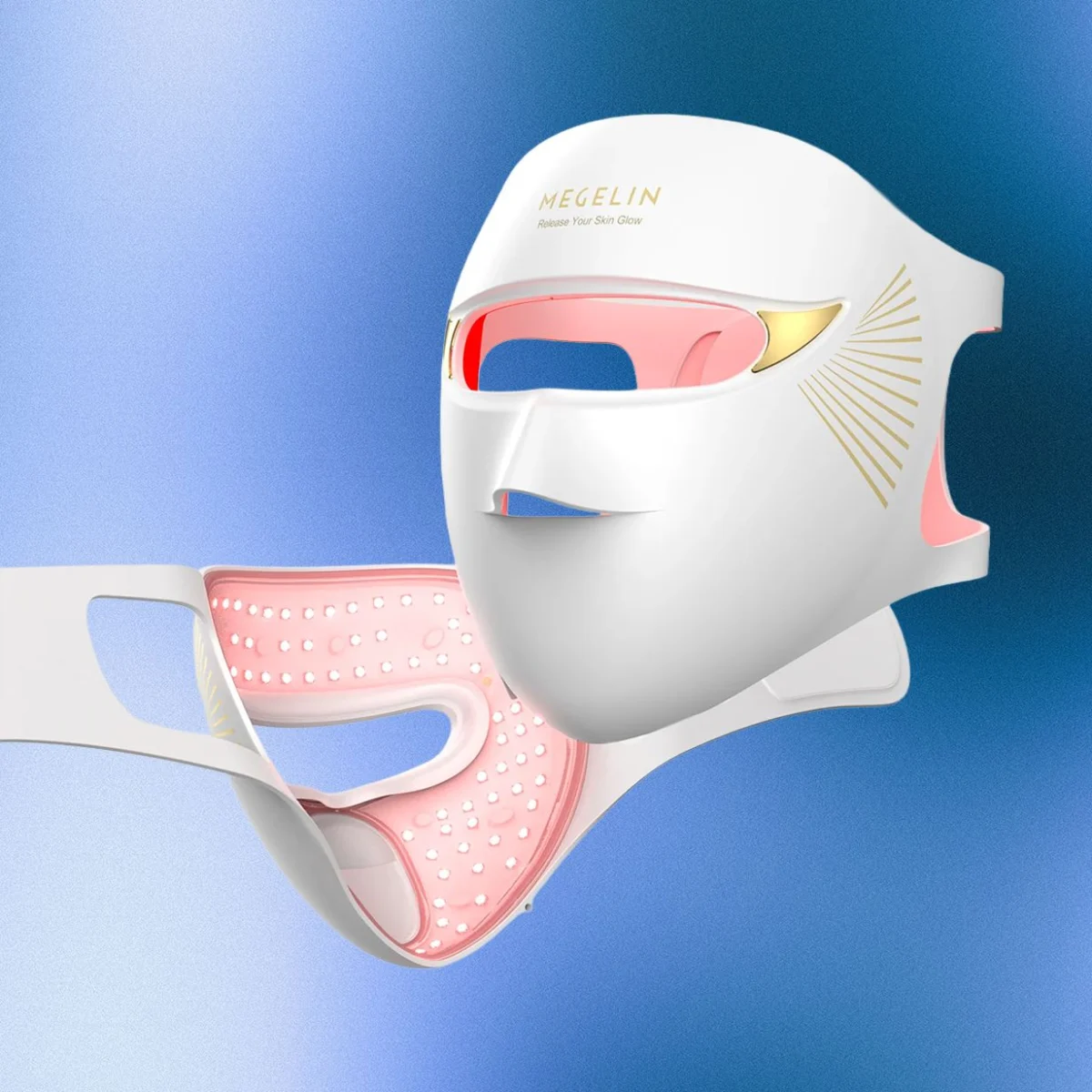
The Evolution of Photobiomodulation in Consumer Skincare
The core of the current industry surge lies in the refinement of photobiomodulation, a process where specific wavelengths of light are used to trigger biological changes at the cellular level. Megelin’s flagship offering, the Duo Lux Laser & LED Light Therapy Mask, represents a hybrid approach to this technology. Unlike many standard consumer masks that rely solely on LED bulbs, the Duo Lux integrates 660-nanometer (nm) and 1,064-nm lasers alongside 660-nm LED lights.
The distinction between these light sources is critical for informed consumers. LEDs provide a diffuse light that is effective for treating the surface layers of the skin, such as the epidermis, to address redness and minor inflammation. Lasers, conversely, offer a more concentrated and coherent beam of light, which proponents claim can penetrate deeper into the dermal layers to stimulate collagen production and cellular repair. By combining these two modalities, Megelin is positioning the Duo Lux as a high-intensity alternative to the single-source devices currently dominating the mid-range market.
Strategic Market Positioning and Economic Context
Megelin’s decision to implement a $270 discount on its premium mask—bringing the price down from $799 to $529—comes at a time of high competition. The $500 to $800 price bracket for wearable skincare tech is increasingly crowded with established players such as Dr. Dennis Gross Skincare, CurrentBody, and Omnilux. By slashing prices during the Mother’s Day window, a period traditionally associated with high-ticket gift purchases in the wellness sector, Megelin is attempting to lower the barrier to entry for a product that features laser technology, which is often reserved for more expensive, professional-grade equipment.
The broader economic implications of this sale reflect a shift in how luxury wellness brands manage inventory and customer acquisition. As the light therapy market matures, brands are moving away from niche, early-adopter marketing toward mass-market appeal. The Mother’s Day sale serves as a dual-purpose mechanism: it clears inventory for upcoming 2025/2026 models while simultaneously building a user base that will likely invest in the company’s secondary tools, such as their EMS facial rollers and topical conductive gels.
Technical Specifications and User Experience Analysis
The Duo Lux Laser & LED Light Therapy Mask is designed to address a spectrum of dermatological concerns, including the smoothing of fine lines, the reduction of hyperpigmentation, and the mitigation of chronic redness. The inclusion of the 1,064-nm wavelength is particularly notable. In clinical settings, wavelengths in the 1,000-nm+ range are often categorized as "near-infrared" (NIR). These waves are invisible to the human eye but are highly valued for their ability to reach deep tissue, potentially aiding in muscle recovery and the reduction of deep-seated inflammation.
Initial user testing of the device highlights a mixture of high-end design and manufacturing hurdles. On the positive side, the mask is constructed from medical-grade, flexible silicone. This flexibility is a significant ergonomic advantage over the rigid plastic masks of the previous generation, as it allows the light sources to remain in closer proximity to the skin’s surface across various facial structures. The dual-strap system and cordless operation further enhance the utility of the device, allowing users to integrate the 10-to-20-minute treatments into their daily routines without being tethered to a wall outlet.
However, some early adopters and product testers have noted a distinct chemical odor upon unboxing the device—a scent often associated with the manufacturing and curing process of flexible polymers. While this odor typically dissipates after cleaning and airing out the device, it underscores a challenge for international brands in maintaining "premium" out-of-the-box experiences while scaling production. Megelin has addressed these concerns by highlighting their 60-day money-back guarantee and one-year warranty, providing a safety net for consumers wary of the significant upfront investment.

Chronology of the At-Home Light Therapy Trend
To understand the significance of Megelin’s current market push, one must look at the timeline of light therapy’s transition from the laboratory to the living room:
- The 1960s-1990s (The Clinical Era): Research into photobiomodulation was primarily conducted by NASA and medical researchers to aid in wound healing for astronauts and to treat side effects of chemotherapy. Equipment was bulky, expensive, and required professional supervision.
- The 2000s (The Spa Era): High-end dermatologists and luxury spas began offering "Red Light Facials." These treatments cost hundreds of dollars per session, establishing the technology as an aspirational beauty standard.
- 2015-2020 (The Early Consumer Era): The first generation of consumer LED masks entered the market. These were often rigid, underpowered, and lacked the sophisticated wavelength precision found in clinical machines.
- 2021-Present (The Professional-At-Home Era): Modern devices like the Megelin Duo Lux began incorporating higher-density light arrays, flexible materials, and multi-wavelength capabilities (including NIR and lasers), blurring the line between professional treatment and home maintenance.
Industry Implications and Regulatory Oversight
As the industry moves toward the $1.76 billion valuation projected for 2034, regulatory scrutiny is expected to intensify. In the United States, the Food and Drug Administration (FDA) classifies these devices under "Class II" medical devices, requiring specific clearances for safety and efficacy. Megelin and its competitors must navigate a complex landscape of international safety standards to ensure that the lasers used in their masks are "eye-safe" and do not cause thermal damage to the skin.
The success of Megelin’s current sale may also signal a shift in consumer behavior toward "skintelligence"—a trend where buyers prioritize technical specifications (such as nanometer precision and irradiance levels) over traditional brand marketing. The fact that Megelin explicitly lists its 660-nm and 1,064-nm specs is a direct response to a more educated consumer base that demands data-backed results.
Analysis of Long-Term Efficacy and Consumer Sentiment
While the immediate financial appeal of a $270 discount is clear, the long-term success of devices like the Duo Lux depends on sustained efficacy. Clinical studies generally suggest that red light therapy requires consistency, often involving three to five sessions per week over a period of six to twelve weeks to show visible improvements in collagen density.
Early feedback from the current trial of the Duo Lux suggests that while the device is comfortable and non-irritating, visible changes in pigmentation and wrinkle depth are not instantaneous. This "slow beauty" approach contrasts with the "instant gratification" marketing often seen in the cosmetics industry, requiring brands to manage customer expectations through educational content and robust customer support.
Future Outlook for the Wellness Tech Sector
The Megelin Mother’s Day sale is more than a seasonal promotion; it is a snapshot of a maturing industry. As technology continues to advance, we can expect to see further integration of "smart" features, such as app-controlled treatment protocols that adjust light intensity based on a user’s specific skin type or goals.
Furthermore, the expansion of Megelin into EMS tools indicates a holistic approach to facial fitness. EMS technology, which uses low-voltage electricity to stimulate facial muscles, complements light therapy by addressing the underlying structural integrity of the face, while light therapy focuses on the surface and dermal quality.
For the consumer, the current market environment is highly favorable. The combination of intense competition, rapid technological iteration, and aggressive promotional cycles—like the one currently offered by Megelin—means that high-performance skincare technology is becoming more accessible than ever. As the market heads toward its 2034 peak, the "clinic-at-home" will likely transition from a luxury novelty to a standard component of the modern health and beauty regimen. Megelin’s current positioning suggests they intend to be at the forefront of this transition, leveraging both technological innovation and strategic pricing to secure their place in the future of global wellness.







