
 Ali Ikhwan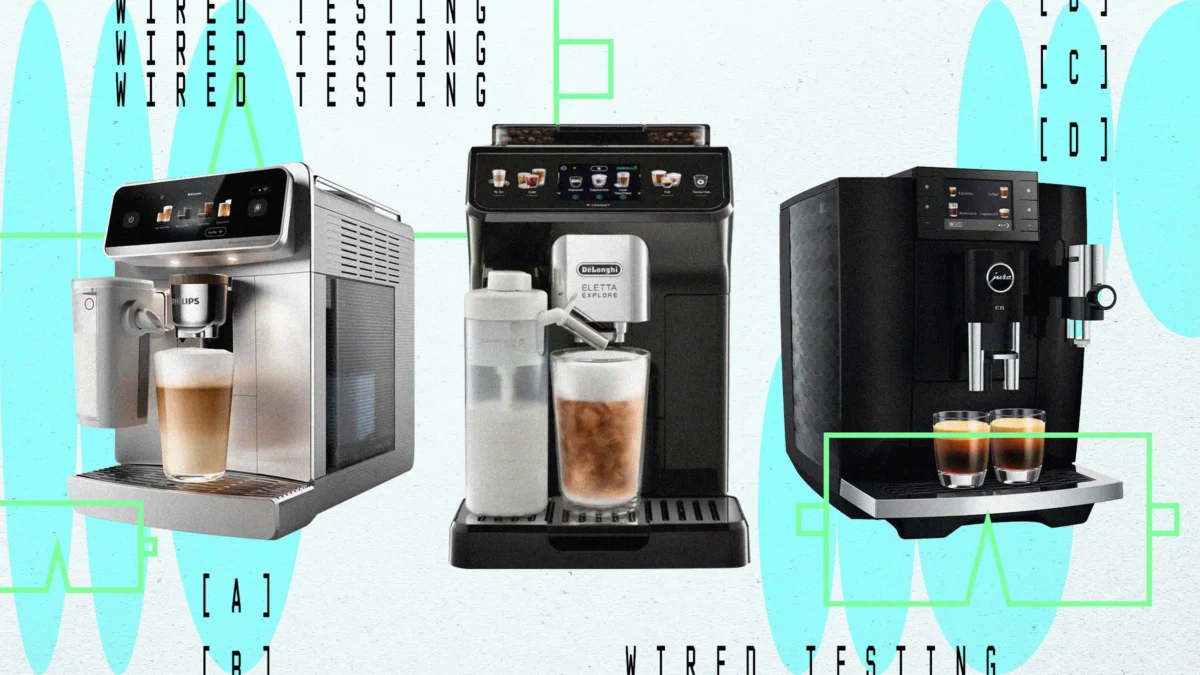
The evaluation was led by Adam Cozens, co-founder of Perky Blenders—a specialty coffee brand originating from East London—and business manager Calum Hunt. With nearly a decade of experience in the specialty coffee sector and a network of cafes across the United Kingdom, Cozens and Hunt provided the sensory expertise necessary to dissect the subtle nuances of extraction and milk texturization. The test utilized the brand’s Forest Blend, a specific roast characterized by notes of dark chocolate, molasses, and walnut. Because the testers were intimately familiar with the flavor profile of these beans when prepared on professional-grade equipment, they were uniquely positioned to identify which machine most accurately translated the intended characteristics of the roast.
Methodology and Technical Parameters
The experiment focused on two staple beverages: the classic espresso and the caffè latte. These choices were deliberate; the espresso serves as a litmus test for the machine’s ability to manage pressure, temperature, and extraction time, while the latte tests the sophistication of the automated milk-steaming systems. According to industry standards, a perfect espresso requires water forced at approximately 9 bars of pressure through finely ground coffee at a temperature between 194 and 205 degrees Fahrenheit. A successful extraction typically occurs at a 1:2 ratio over 25 to 30 seconds, resulting in a syrupy body topped with a dense, golden crema.
For the latte, the professionals looked for a specific thermal and textural window. "We’re aiming for about 66 degrees Celsius (140°F)," Hunt noted, explaining that this is the chemical "sweet spot" where milk sugars are most perceptible and the proteins have denatured enough to create a silky microfoam without becoming scalded. The experts assessed each beverage based on visual presentation, crema quality, milk consistency, and flavor balance, ultimately ranking the machines from best to worst.
The Contenders: A Spectrum of Innovation and Price
The four machines selected for the trial represented a broad cross-section of the current premium market, ranging in price from $1,500 to nearly $2,800.

Machine A: Terra Kaffe TK-02 ($1,595 – $1,995)
A product of a New York-based startup, the TK-02 emphasizes modern aesthetics and digital integration. It is one of the few machines on the market capable of transitioning between espresso-based drinks and traditional drip coffee. Featuring a monochrome touchscreen and a glass milk carafe, it targets the "prosumer" who values kitchen design as much as functionality.
Machine B: Jura E8 ($2,779 – $2,799)
The Swiss-made Jura E8 represents the high-water mark for price in this group. Jura has been a dominant force in the automatic coffee industry since 1931, and the E8 reflects that heritage with a 3.5-inch color display, 10 coffee strength levels, and a specialized syrup dispenser for flavored drinks.
Machine C: De’Longhi Eletta Explore ($1,500 – $2,000)
The Eletta Explore is designed for versatility, offering over 50 one-touch recipes, including a cold brew function that produces results in just three minutes. It utilizes two separate milk carafes—one for hot foam and one for cold—to ensure the texture matches the beverage temperature.
Machine D: Philips Café Aromis 8000 Series ($1,700)
Despite being the most affordably priced machine in the lineup, the Philips flagship model boasts a 15-bar pump and a "Virtual Barista Assistant." It features the LatteGo Pro system, which is designed for easy cleaning and consistent milk aeration.
Detailed Results: The Triumph of the Underdog
The most significant finding of the study was the inverse relationship between price and performance. The Philips Café Aromis 8000, despite its lower MSRP, was the unanimous winner among the professional tasters. It was the only machine capable of balancing the acidity and bitterness of the Forest Blend while maintaining a "coffee-forward" profile in the latte.

"I have the chocolate-nutty taste I’m looking for here," Hunt observed regarding the Philips latte. "There’s a bit more coffee coming through, with the right level of sweetness." Cozens agreed, noting that while some bitterness was present, the intensity and balance were superior to the more expensive competitors. The espresso from the Philips was the only shot that achieved a proper "sweet-bitter" equilibrium, a feat that typically requires a human barista to manually "dial in" the grind.
The De’Longhi Eletta Explore secured the second position, primarily due to its superior milk texturization. Cozens described the De’Longhi’s microfoam as the best in the group, which enhanced the natural sweetness of the latte. However, the espresso was more polarizing; while Hunt enjoyed the nuttiness and extraction, Cozens found it to be overly sharp and sour—a sign of technical inconsistency in the extraction process.
The Failure of Premium Pricing
The most surprising result involved the Jura E8, the most expensive machine in the test. Despite its "Swiss precision" branding, it failed to impress the professionals in either category. Both experts identified the milk as being significantly overheated, which destroyed the delicate flavor profile of the specialty beans. Furthermore, the espresso was described as "salty and sour," a classic indicator of under-extraction. Cozens noted that the taste was almost "seaweedy," suggesting that the machine’s factory settings were unable to handle the complexities of a specialty dark roast.
The Terra Kaffe TK-02 occupied the middle ground. While praised for its sleek appearance and "coffee-forward" lattes, it was ultimately deemed forgettable. The experts found the drinks lacked intensity and strength. The milk texturizing was also a point of contention, with Hunt noting a lack of foam that detracted from the drink’s aesthetic and mouthfeel.
Chronology of the Testing Environment
The test took place over a single afternoon in a controlled cafe environment. To ensure the integrity of the blind test, the following steps were taken:

- Bean Synchronization: All machines were loaded with the same batch of Forest Blend beans to ensure no variance in freshness.
- Water Calibration: Filtered water was used across all devices to prevent mineral content from affecting the taste.
- Milk Standardization: Organic whole milk was used for all lattes to maintain a consistent fat-to-protein ratio.
- Blindfolding: Testers were blindfolded before the drinks were presented to eliminate "brand bias" or influence from the machines’ physical designs.
- Recovery: Palate cleansers were used between samples to prevent sensory fatigue.
Fact-Based Analysis: The Automation Gap
The results of this test highlight a critical gap in the "bean-to-cup" industry: the struggle to balance automation with the chemical volatility of coffee. Unlike a pod-based system, which uses pre-measured, shelf-stable grounds, a bean-to-cup machine must grind, dose, tamp, and extract on the fly. This introduces variables that most consumer-grade software struggles to manage without manual intervention.
The failure of the Jura E8 suggests that a higher price point often pays for brand prestige, build materials, and a wider variety of menu options rather than the fundamental quality of the extraction. Conversely, the success of the Philips machine indicates that some manufacturers are finding better ways to calibrate their internal algorithms for the "average" high-quality bean.
However, the overriding conclusion from the professional tasters was that even the best automatic machines offer only a "good approximation" of a barista-made drink. The "automatic" nature of these machines is their greatest selling point but also their ultimate limitation. By removing the "faff and fiddle," these machines also remove the ability to react to the specific needs of a particular roast on a particular day.
Broader Implications for the Home Coffee Market
This experiment arrives at a time when the global home coffee machine market is projected to continue its steady growth, driven by the "premiumization" of home appliances. Consumers are increasingly willing to invest in machines that offer a "cafe experience" to save money on daily retail coffee purchases.
Yet, as this test demonstrates, the promise of "café quality at the touch of a button" remains partially unfulfilled. For the true aficionado, the results suggest that money cannot entirely replace skill. While a $1,700 Philips machine can produce an "enjoyable" latte, it still falls short of the precision achieved by a trained professional using a manual espresso machine.

For the average consumer, the convenience of these machines—the fact that they clean themselves, offer dozens of recipes, and require zero technical knowledge—will likely outweigh the subtle flaws in extraction. But for those seeking the perfect cup, the lesson is clear: there is no shortcut to the complexity of a perfectly pulled shot. The technology is getting closer, but the human element remains the "secret ingredient" that these machines have yet to fully replicate.







