
 Indra Kusuma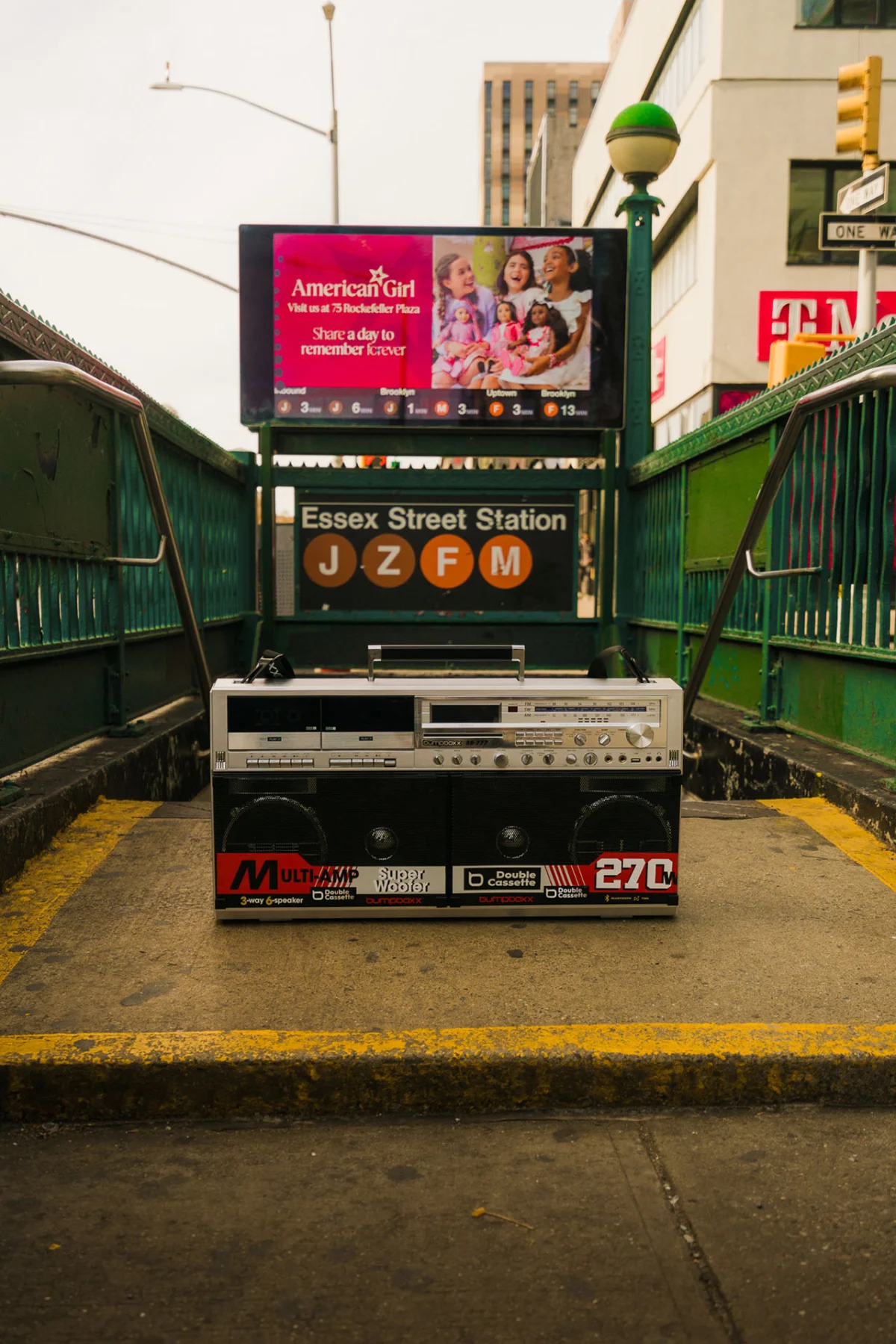
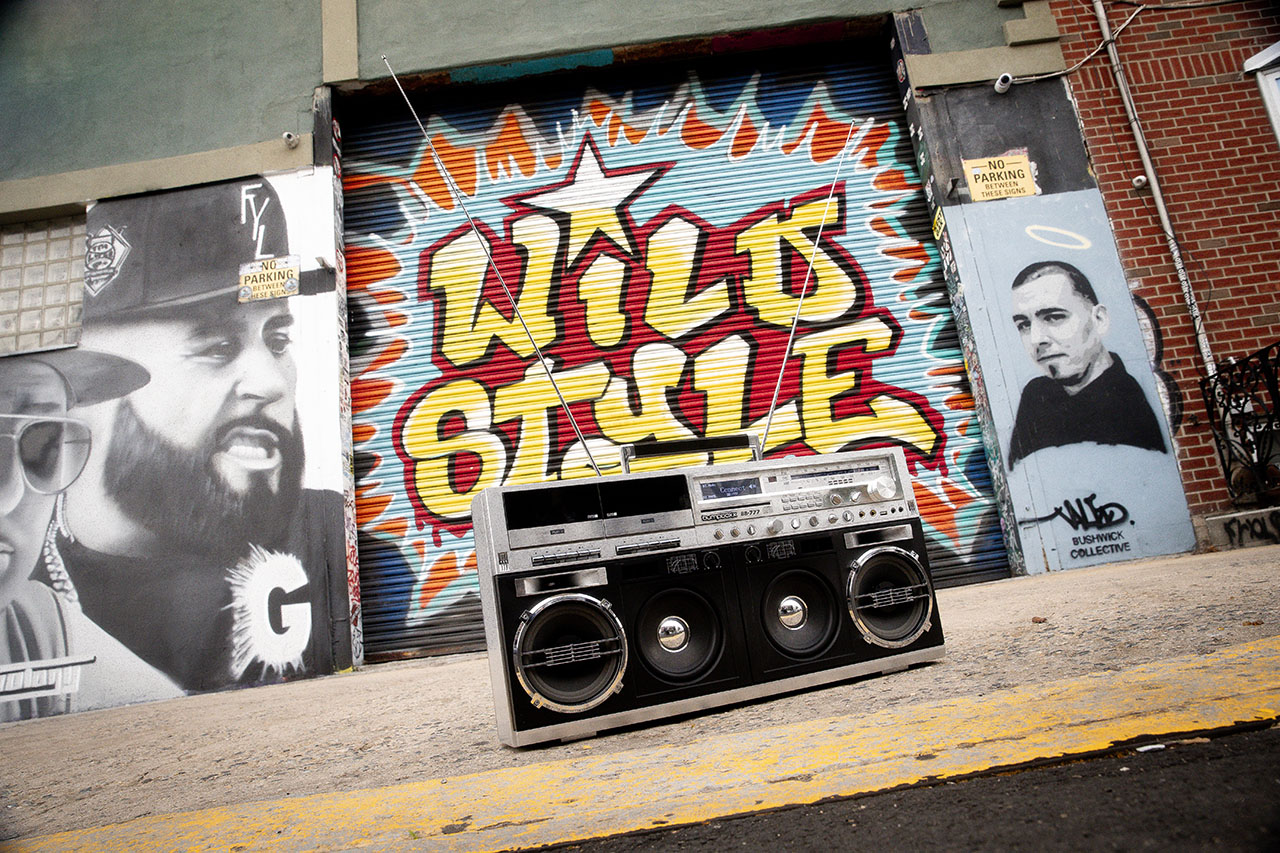
In the annals of portable audio technology, few devices command the iconic status of the Sharp GF-777 boombox. Released in 1983, this formidable apparatus transcended its function as a mere music player, evolving into a potent symbol of 1980s street culture, technological prowess, and individual expression. While not the inaugural portable stereo, its distinctive blend of rugged aesthetics and advanced features set it apart, firmly embedding it in the collective memory of a generation. Today, specialized producer Bumpboxx has meticulously re-engineered this legend, introducing the BB-777, a device that harmoniously integrates classic analog formats with cutting-edge digital performance, seeking to rekindle the glory of physical sound without succumbing to overt nostalgia.
The Cultural Resonance of the Sharp GF-777: An 80s Icon Defined
The 1980s were a transformative decade for music and youth culture, marked by the ascendance of genres like Hip Hop, R&B, House, and Techno. In urban landscapes, the boombox emerged as the quintessential soundtrack provider, a portable amphitheater for communal gatherings, block parties, and impromptu dance-offs. Amidst a burgeoning market of portable stereos, the Sharp GF-777, launched at a then-premium price point, quickly distinguished itself. Its imposing stature, often carried on the shoulder, projected an image of confidence and defiance, making its owner an instant focal point.

Technologically, the GF-777 was a marvel of its time. It boasted a four-speaker configuration, delivering a robust sound profile that was essential for outdoor playback. Crucially, it featured a dual-cassette deck, a groundbreaking innovation that allowed users to not only play their favorite mixtapes but also to record from radio broadcasts or duplicate cassettes on the fly. This recording capability was particularly vital for the burgeoning DJ culture and for artists in genres like hip-hop, who often used boomboxes to record demos, sample sounds, and disseminate their music independently. The device also offered tone controls for customized sound, allowing audiophiles and music creators to fine-tune their listening experience. Its design, characterized by a sleek chrome finish juxtaposed with bold primary color accents, exuded an effortless elegance that belied its rugged build, solidifying its status as a coveted possession and a clear marker of discerning taste within the street culture. For the music mavericks and aficionados of the era—the pioneers shaping the soundscapes of Hip Hop, R&B, and nascent electronic music—the GF-777 was more than an electronic gadget; it was a testament to a keen understanding of quality audio and a commitment to sonic exploration.
The Evolution of Portable Sound: From Cassette to Digital Stream

The journey of portable music playback is a fascinating chronology of innovation. Before the GF-777, portable radios and early mono cassette players provided rudimentary personal audio. The advent of the stereo boombox in the late 1970s, pioneered by brands like JVC and Sanyo, brought richer sound to public spaces. However, the GF-777, arriving in 1983, represented a significant leap forward in both functionality and cultural integration. Its dual-cassette mechanism, superior speaker array, and durable construction made it a dominant force, influencing subsequent boombox designs and solidifying its place in popular culture through its frequent appearance in films, music videos, and photography of the era.
As the 1990s dawned, the CD player began its ascent, gradually supplanting the cassette as the preferred format. Boomboxes evolved to include CD players, becoming "CD boomboxes." The early 21st century witnessed the rise of MP3 players and, subsequently, smartphones, shifting music consumption towards digital files and streaming services. Bluetooth technology further untethered music from physical media, making wireless streaming ubiquitous. In this landscape, the original boombox, with its reliance on cassettes and radio, became a nostalgic relic, cherished by collectors but largely impractical for modern daily use.

Bumpboxx’s Vision: Reimagining the Icon for the Modern Era
Recognizing the enduring legacy of devices like the Sharp GF-777, but also acknowledging the limitations of pure retro-tech in a contemporary world, specialized producer Bumpboxx embarked on a mission to revive the boombox experience. The result is the BB-777, a reimagined device that seeks to capture the spirit and aesthetic of its predecessor while integrating the full spectrum of modern audio technologies. Rob Owens, founder of Bumpboxx, articulated this vision: "We wanted to build the boombox we grew up with, but engineered for today; something powerful, reliable, and complete. The BB-777 is our way of proving that physical sound still matters."

This philosophy underscores a critical design challenge: how to pay homage to a beloved classic without falling into the trap of "overly nostalgic reverence" that often defines retro-tech. Bumpboxx’s approach was to blend, rather than merely replicate. They aimed for a device that feels historically cued but is unequivocally future-forward. This meant maintaining the iconic dual cassette deck – a nod to its roots and a functional component for enthusiasts of analog media – while simultaneously incorporating the connectivity and playback options demanded by today’s consumers. The design ethos likely involved sourcing high-quality, durable materials that resonate with the original’s rugged yet elegant appeal, ensuring the BB-777 stands as a robust and premium offering.
The BB-777: A Symphony of Analog and Digital Engineering

The Bumpboxx BB-777 is engineered to be a comprehensive audio solution, meticulously tracking the evolution of music technology over the past three decades within a single, portable unit. It is a testament to how traditional formats can coexist and thrive alongside digital innovations.
At its core, the BB-777 retains the defining dual cassette deck, allowing users to relive the tactile experience of loading tapes, recording, and mixing. This feature alone distinguishes it from most modern audio players and appeals directly to a niche of audiophiles and collectors. However, its capabilities extend far beyond analog. It includes a fully functional radio tuner, a CD player for disc-based media, and seamless Bluetooth streaming for wireless connection to smartphones and other devices. Additionally, USB playback offers compatibility with digital music files, ensuring that no popular format is left behind.

The power and portability of the BB-777 are equally impressive. It is equipped with a TSA-approved rechargeable battery that provides up to 15 hours of cordless power, making it ideal for extended outdoor use, travel, or events where power outlets are scarce. Furthermore, its multi-voltage 100–240V AC compatibility ensures that the BB-777 can be used almost anywhere around the world, making it a truly global companion for music lovers.
Sound quality, a paramount consideration for any boombox, is where the BB-777 truly shines. It delivers a formidable 270 watts of power output, an impressive figure for a portable device, capable of filling large spaces with rich, dynamic sound. This is achieved through a sophisticated speaker configuration:

- Two 6.25-inch Super Woofers: These are responsible for delivering deep, resonant bass, complete with independent channel gain control, allowing users to fine-tune the low-frequency response to their preference.
- Two 6.25-inch Coaxial Speakers: These speakers are designed to emit balanced mid-range frequencies and detailed clarity, ensuring that vocals and instruments are reproduced with accuracy.
- Two Horn Tweeters: Positioned to project crisp, high-frequency sounds, these tweeters add sparkle and detail to the overall audio presentation, ensuring no nuance is lost.
To maintain optimal performance during prolonged use, the BB-777 features a fan-cooled amplifier, providing essential thermal stability and preventing overheating. The device also caters to creative and interactive uses with two wired microphone inputs, complete with volume and echo controls, making it suitable for karaoke, public address, or vocal performances. Additionally, built-in microphones offer added convenience. Naturally, a headphone output is included for private listening.
Market Implications and the Future of Physical Sound

The launch of the Bumpboxx BB-777 arrives at a fascinating juncture in the audio market. While digital streaming dominates consumption, there is a discernible resurgence in the appreciation for physical media – vinyl records, and to a lesser extent, cassettes and CDs. This trend reflects a desire for a more tactile, intentional, and high-fidelity listening experience, moving away from the ephemeral nature of digital files. The BB-777 taps directly into this sentiment, offering a tangible connection to music that streaming alone cannot provide.
The BB-777 is strategically positioned to appeal to multiple demographics. For those who grew up with the original Sharp GF-777, it offers a powerful wave of nostalgia, but crucially, it provides an upgraded, relevant experience that integrates seamlessly with their current digital lives. For younger generations, it represents a unique entry point into the rich history of portable music, offering a distinctive aesthetic and a powerful sound that stands out from ubiquitous Bluetooth speakers. It suggests that design and functionality from past eras, when thoughtfully reinterpreted, can find new relevance and create unique value propositions in contemporary markets.

Rob Owens’ assertion that "physical sound still matters" resonates deeply with a growing segment of consumers. In an age of compressed audio and digital convenience, there is a renewed appreciation for the depth, warmth, and ritual associated with physical formats. The BB-777 not only celebrates this by including a cassette deck but elevates the entire experience with its powerful, multi-speaker system and robust build quality, demonstrating that the future of audio might not be solely digital, but rather a rich hybrid.
The broader implications of products like the BB-777 extend to the cultural preservation of design and technology. By meticulously recreating and enhancing an iconic device, Bumpboxx contributes to keeping a significant piece of audio history alive and relevant. It highlights how certain designs transcend mere utility to become cultural artifacts, worthy of reinterpretation and continued celebration. This approach could influence other sectors of consumer electronics, encouraging a thoughtful fusion of heritage and innovation rather than a constant churn of entirely new, often disposable, products.

In conclusion, the Bumpboxx BB-777 is more than a modern boombox; it is a meticulously crafted bridge between eras, a homage to the legendary Sharp GF-777 that defined 1980s street culture. By seamlessly integrating the cherished analog formats of the past with the advanced digital capabilities of the present, the BB-777 delivers an unparalleled audio experience. It is a powerful statement about the enduring appeal of physical sound, the timelessness of iconic design, and the potential for technological evolution to honor its roots while forging a path forward. For audiophiles, music enthusiasts, and cultural connoisseurs, the BB-777 is poised to reclaim its predecessor’s status as a symbol of both style and substance, proving that some legends never truly fade, they merely evolve.







