Cintya Tara Annisa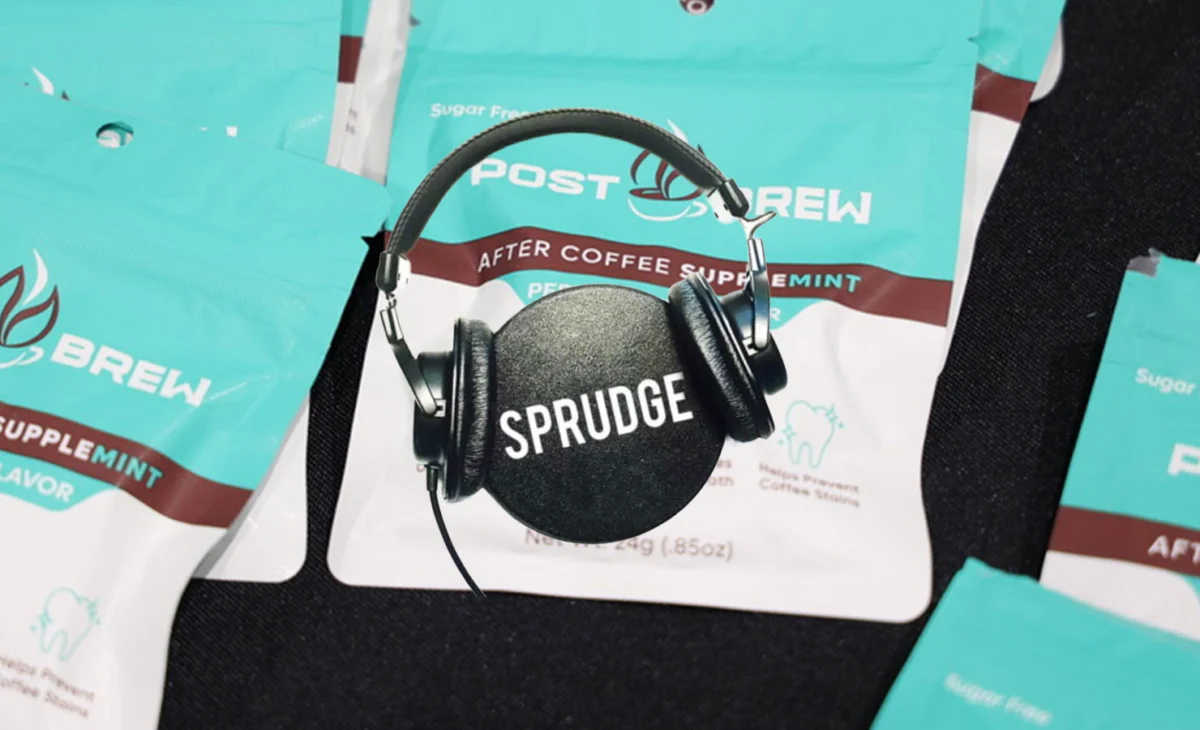
In the latest installment of the Coffee Sprudgecast, the flagship audio program of the specialty coffee news publication Sprudge, hosts Jordan Michelman and Zachary Carlsen provide an in-depth exploration of modern beverage deconstruction, focusing specifically on the quintessential vanilla latte. The episode, recorded following the industry’s significant gathering at the World of Coffee event in San Diego, serves as both a product showcase and a technical analysis of current trends in coffee processing, brewing technology, and post-consumption oral care. By dissecting the components of a luxury vanilla latte and interviewing James Castrataro, the founder of Post Brew Coffee Mints, the program highlights a shifting landscape where high-end gastronomy meets domestic brewing convenience.
The Evolution of the Deconstructed Beverage: A Technical Breakdown
The centerpiece of the episode is a "deconstructed" vanilla latte, a concept that moves beyond the standard espresso-and-steamed-milk format to highlight the individual quality of each ingredient. The hosts utilize a sophisticated array of components that reflect the current premiumization of the coffee industry. This particular iteration features the Sava Madagascar Vanilla Simple Syrup, known for its focus on single-origin botanical sourcing, paired with the Pacific Barista Series Pistachio Milk.
The choice of pistachio milk is significant within the broader context of the alternative milk market. According to recent market research, the global dairy alternatives market is projected to reach over $40 billion by 2030, with nut-based milks leading the transition. Pistachio milk, specifically the Barista Series by Pacific Foods, is engineered to provide the structural integrity required for latte art while offering a distinct savory-sweet profile that complements high-acidity coffees.
The coffee component of this deconstructed beverage represents one of the most controversial and exciting trends in modern viticulture: co-fermentation. The Supremo Coffee Blackberry Co-ferment from Colombia is utilized to provide a punchy, fruit-forward backbone. Co-fermentation involves adding fruit, spices, or essential oils to the fermentation tanks alongside the coffee cherries, allowing the beans to absorb complex aromatic compounds at a cellular level. While traditionalists argue that this masks the "terroir" of the coffee, proponents suggest it opens new avenues for flavor consistency and creative expression in the cup.
Sourcing and Collaboration: The Lasso Influence and World of Coffee San Diego
The episode also highlights a specific collaboration coffee featured at the World of Coffee San Diego, a major trade show organized by the Specialty Coffee Association (SCA). This coffee is a result of a partnership between Verve Coffee Roasters and noissue, a sustainable packaging company. The beans themselves were produced by Nestor Lasso, a renowned Colombian producer whose farm, El Diviso, has become synonymous with high-end competition coffees.
Nestor Lasso has gained international acclaim for his innovative processing methods, particularly his use of thermal shock and anaerobic fermentation. His coffees have frequently appeared on the world stage, used by competitors in the World Barista Championship to achieve complex flavor profiles involving notes of tropical fruit and high-clarity acidity. The inclusion of Lasso’s coffee in this episode underscores the podcast’s commitment to highlighting producers who are pushing the boundaries of what is possible in coffee fermentation and drying.
Technological Advancements in the Home Brewing Sector
To prepare the featured coffees, the hosts utilized two pieces of equipment that represent the pinnacle of the "prosumer" (professional-consumer) market: the Mahlkönig x64 Home Coffee Grinder and the Miir Pourigami.
The Mahlkönig x64 is a significant release from the German manufacturer, historically known for its industry-standard commercial grinders like the EK43. By scaling down their precision burr technology for a single-dose home unit, Mahlkönig is responding to a 25% increase in demand for high-end home brewing equipment observed since 2020. This shift indicates a permanent change in consumer behavior, where coffee enthusiasts are willing to invest in commercial-grade precision for their daily domestic routines.
Complementing the grinder is the Miir Pourigami, a portable travel coffee dripper. This device highlights the trend toward "adventure brewing"—the desire for high-quality coffee in outdoor or mobile settings. The Pourigami’s design focuses on minimalism and durability, constructed from stainless steel and designed to fold flat, addressing the needs of a demographic that values both portability and the ritual of the pour-over.
Addressing the "Coffee Breath" Phenomenon: The Post Brew Interview
A primary highlight of the episode is Zachary Carlsen’s interview with James Castrataro, the founder of Post Brew Coffee Mints. The product, marketed as "After Coffee Supple-mints," aims to solve a long-standing social issue within the coffee community: halitosis resulting from coffee consumption.
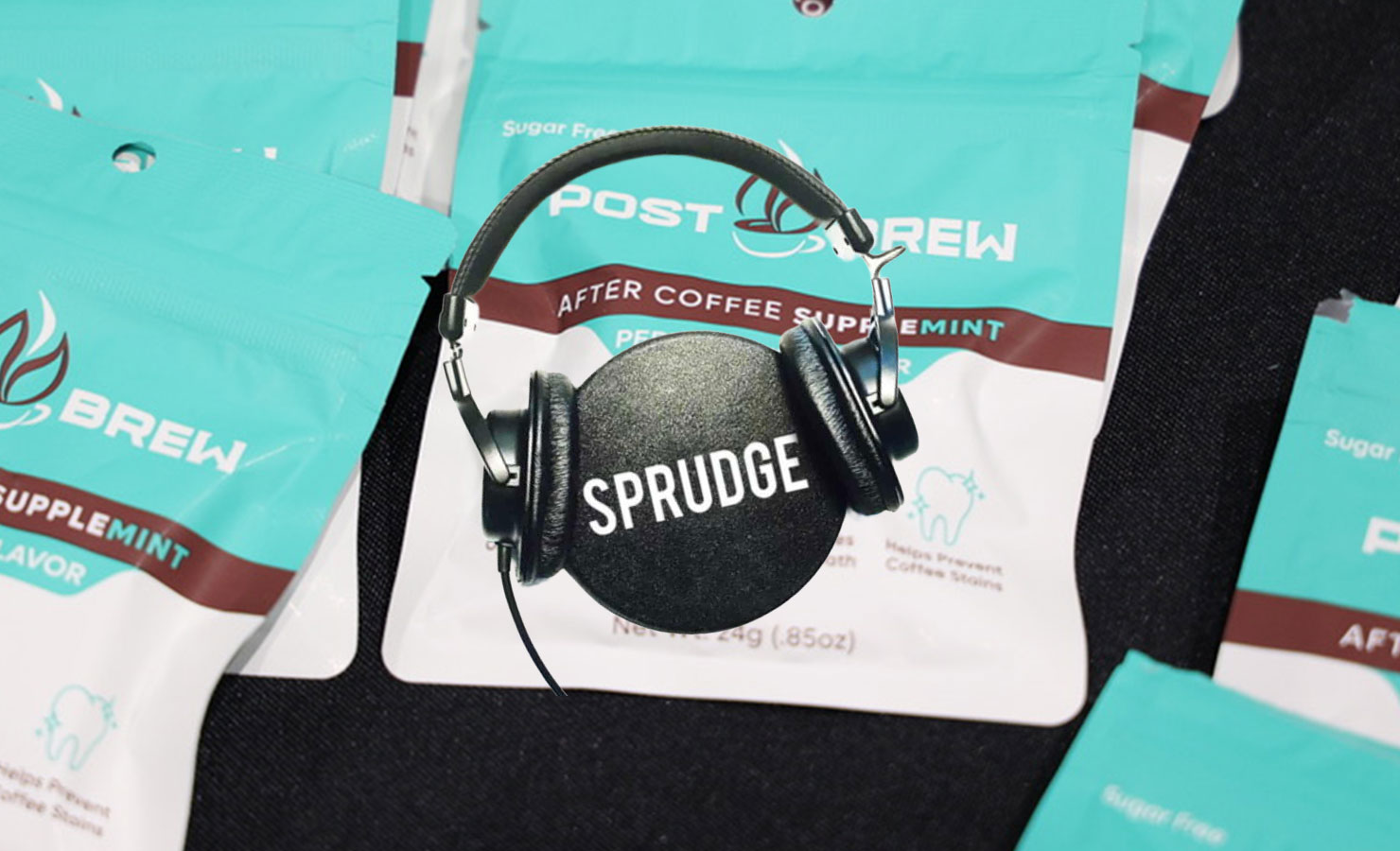
"Coffee breath" is a scientifically recognized condition caused by the combination of coffee’s high acidity, sulfur-containing compounds, and the drying effect of caffeine on the salivary glands. Traditional mints often rely on high sugar content, which can exacerbate the problem by providing fuel for oral bacteria once the mint dissolves. Castrataro’s product was a visible presence at the World of Coffee San Diego, where thousands of attendees were tasting hundreds of coffee samples daily.
During the interview, Castrataro discusses the development of the product, emphasizing the need for a solution that does not clash with the palate of a specialty coffee professional. The mints are designed to neutralize acidity and refresh the mouth without leaving a lingering artificial sweetness that would interfere with subsequent coffee tastings. This intersection of oral hygiene and sensory professional requirements marks a niche but growing segment of the auxiliary coffee market.
Chronology of the Event and Industry Context
The episode’s release follows a busy period in the international coffee calendar. The World of Coffee San Diego event served as a hub for product launches and networking.
- Day 1: The debut of the Verve x noissue collaboration, showcasing sustainable packaging solutions alongside Nestor Lasso’s high-altitude Colombian beans.
- Day 2: Live demonstrations of the Mahlkönig x64, signaling the brand’s aggressive move into the luxury home market.
- Day 3: The widespread distribution of Post Brew Mints, which became an essential tool for judges and exhibitors navigating the sensory-heavy environment of the trade show floor.
This timeline reflects a broader industry recovery and expansion post-pandemic, with a renewed focus on in-person engagement and the physical experience of new flavor profiles and technologies.
Market Implications and Broader Impact
The themes discussed in the Coffee Sprudgecast episode reflect several macro-trends in the global beverage industry. First is the "premiumization" of the home experience. As consumers become more educated about coffee origins and processing methods, their willingness to pay for specialized ingredients like Madagascar vanilla and pistachio milk increases.
Second is the rise of "functional" additions. The use of co-fermented beans and the development of specialized mints for coffee drinkers suggest that the industry is no longer just selling a drink; it is selling a comprehensive sensory experience that includes the preparation, the consumption, and the post-consumption aftermath.
Finally, the episode highlights the importance of the producer-roaster-consumer triangle. By naming Nestor Lasso and Supremo Coffee, the hosts provide transparency and credit to the beginning of the supply chain, a practice that is essential for maintaining the ethical and economic sustainability of the specialty coffee sector.
Official Responses and Industry Reception
While the podcast is a medium for discussion rather than a formal press release, the involvement of major sponsors like La Marzocco, Pacific Barista Series, and DONA indicates a high level of industry support for these narratives. La Marzocco, a leader in espresso machine manufacturing, has increasingly aligned itself with content that bridges the gap between professional baristas and home enthusiasts.
Industry reactions to the "deconstructed" approach have been largely positive, with many viewing it as an educational tool. By separating the elements of a latte, professionals can better explain to consumers why certain milks work with certain beans, ultimately elevating the consumer’s palate and appreciation for the craft.
The Coffee Sprudgecast continues to serve as a vital archive of the current state of the industry. This episode, through its focus on Nestor Lasso’s innovative farming, Mahlkönig’s engineering, and the entrepreneurial spirit of James Castrataro, provides a snapshot of a vibrant, evolving market. As specialty coffee moves further into the mainstream, the deconstruction of classic drinks and the scientific approach to oral care are likely to become standard topics of conversation for the modern coffee professional and enthusiast alike.