Muhammad Hendra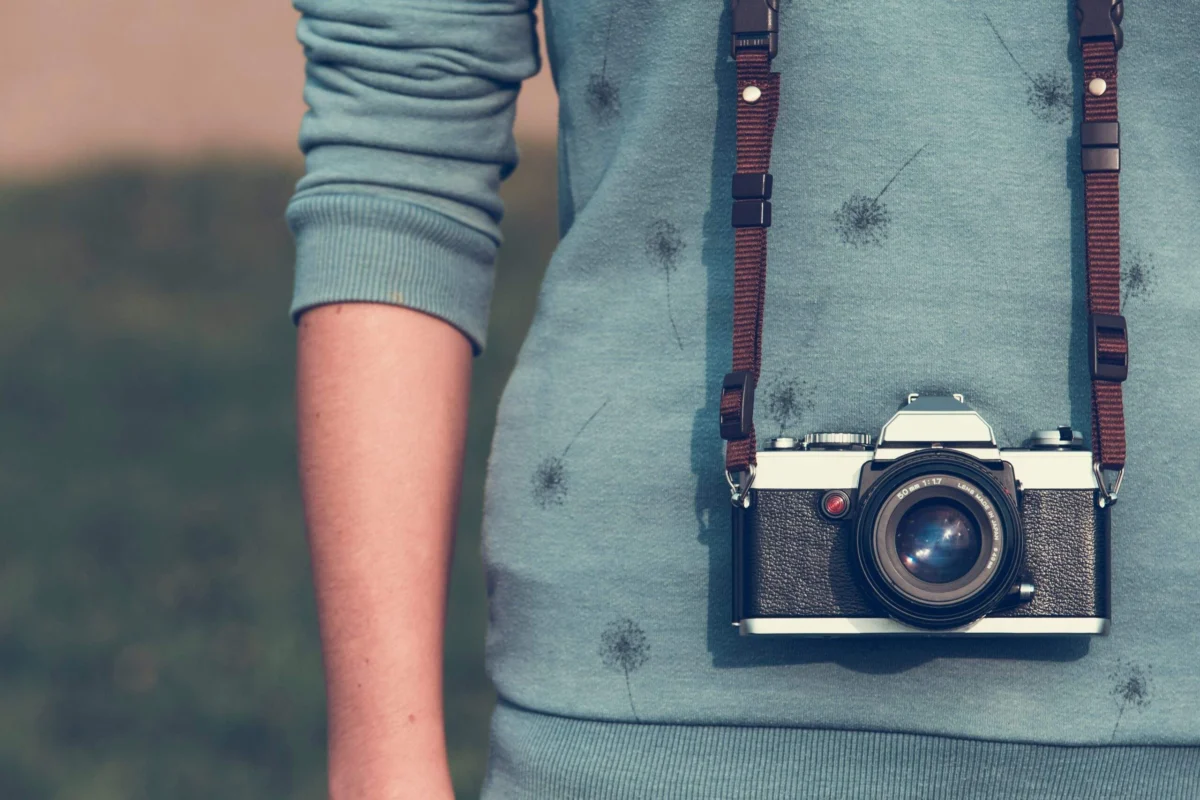
A quiet but profound cultural shift is underway, as individuals increasingly turn away from the relentless pace of digital life towards the tactile engagement and deliberate friction of analog experiences. This growing movement, dubbed "Analog Living" by Forbes and observed across various sectors from leisure to interior design, signals a collective yearning for deeper engagement, mental clarity, and a respite from digital overwhelm. The trend manifests in surging sales of film cameras, a renewed interest in manual crafts, and the deliberate adoption of screen-free hobbies, all underpinned by a quest for genuine presence in an increasingly fragmented world.
The Observable Shift: From Digital Saturation to Tangible Engagement
The anecdotal experience of a first-time abstract art class participant, grappling with a blank canvas and an initial surge of anxiety, serves as a microcosm for this broader societal phenomenon. The act of dipping a brush into paint, feeling the bristles drag across the canvas, and observing a streak of color emerge, offered a rare moment devoid of algorithms, notifications, or metrics of success. This experience of "full engagement," where "there had been nowhere else to be," resonates with millions seeking refuge from the omnipresent demands of digital platforms.
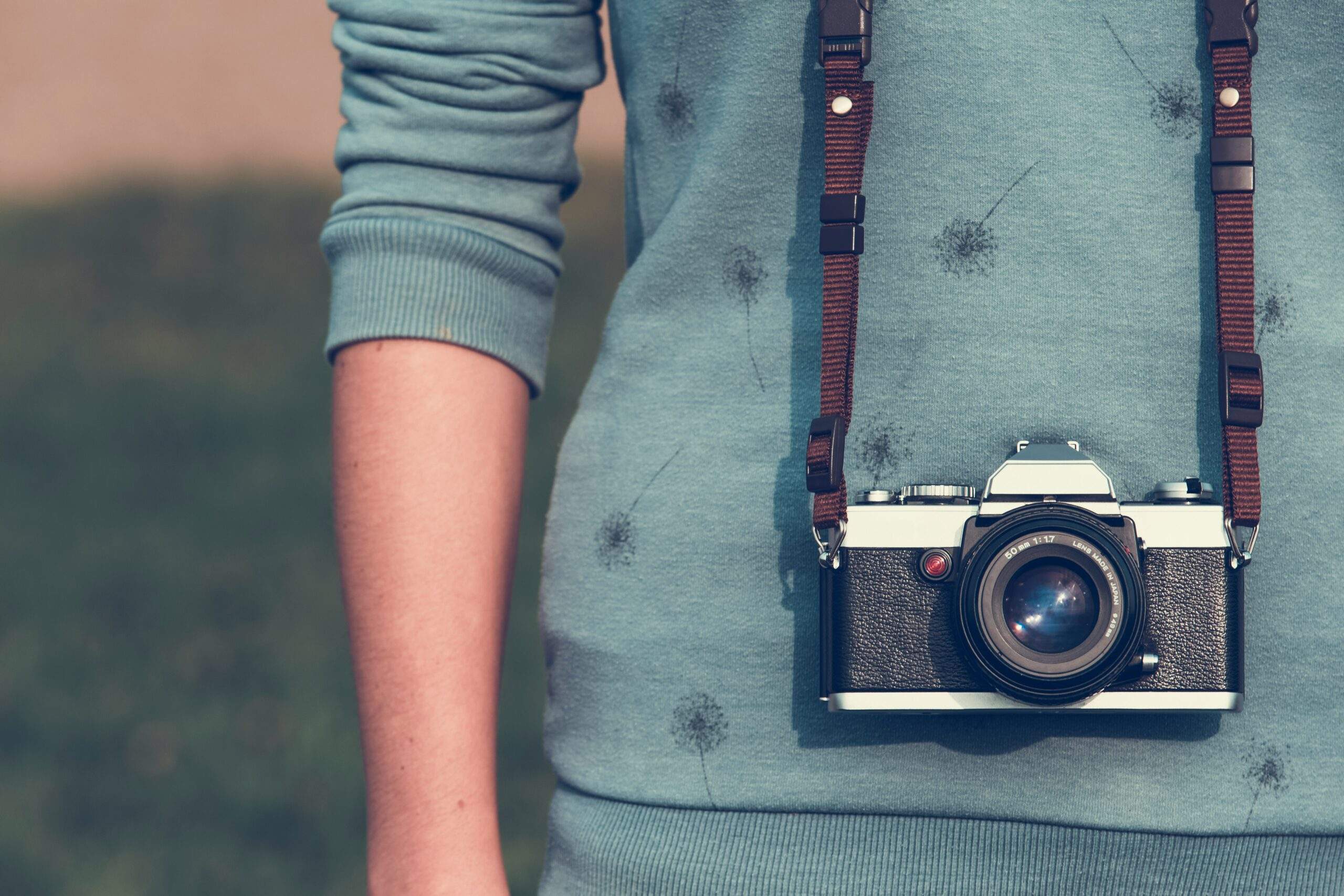
Market data unequivocally supports this cultural pivot. Since 2020, sales of film photography equipment have reportedly more than doubled, driven not by affordability, but by a desire for the "grain" and the inherent uncertainty of not immediately knowing the outcome. Similarly, craft kits are experiencing unprecedented demand, flying off shelves as consumers seek hands-on activities. The emergence of trends like "the Analog Bag"—a curated collection of physical essentials such as a journal, puzzle book, or magazine designed to replace spontaneous phone grabbing—underscores a conscious effort to reclaim attention and occupy idle moments with tangible alternatives.
This re-evaluation extends beyond hobbies into aesthetics and lifestyle. Design platforms are championing "imperfect visuals," embracing grain, hand-drawn lines, and messy textures as a counterpoint to sterile digital perfection. Interior design has seen a migration from minimalist austerity to "dopamine decor," favoring bold colors, personal heirlooms, and physical collections that evoke emotion and character over purely photogenic appeal. These shifts collectively indicate a societal re-prioritization of authentic experience over curated digital representation.
The Cognitive Imperative: Brain Wealth and Digital Detox
Beneath the surface of aesthetic preferences and leisure pursuits lies a deeper concern for cognitive health and mental longevity. The concept of "brain wealth," highlighted by experts, links mental resilience and sustained cognitive function to "slow, attentive activities" such as long-form reading, handwriting, and manual creation. These activities are seen as antidotes to the rapid-fire, low-attention demands of digital consumption, which can contribute to cognitive fatigue and a diminished capacity for sustained focus.
A recent survey in the UK revealed that approximately a quarter of Britons are actively seeking creative, non-digital hobbies specifically to "switch off" after work. This statistic, if extrapolated globally, points to a widespread, implicit acknowledgment that current digital consumption patterns are unsustainable for mental well-being. It represents a significant portion of the population silently questioning the prevailing digital-first lifestyle, recognizing an imbalance that digital tools alone cannot rectify.
The Paradox of Friction: Digital Seamlessness vs. Analog Engagement
A core tenet of digital technology design is the elimination of friction—to make interactions faster, smoother, and more seamless. From instant messaging to one-click purchases, every digital innovation aims to reduce waiting times, minimize effort, and remove uncertainty. While seemingly beneficial, this relentless pursuit of frictionless experiences inadvertently strips away opportunities for patience, deliberation, and genuine engagement.
"Some friction is the point," argues cultural critic Dr. Evelyn Reed, reflecting on this trend. "The deliberate slowness of analog processes forces us to engage more deeply. It cultivates patience and a unique form of presence that digital immediacy often bypasses." The act of winding a film camera, with its limited 36 exposures, compels a photographer to truly "look" before pressing the shutter, fostering intentionality over volume. Handwriting, inherently slower than typing, encourages a more thoughtful selection of words, allowing ideas to gestate rather than being hastily discharged. In these moments, the external world’s demands—deadlines, notifications, the crowded inbox—recede, yielding to the immediate task and demanding full, undivided attention.
This embrace of friction aligns with the mindfulness concept of "beginner’s mind"—approaching an experience freshly, without the pre-loaded expectations or habits. Analog activities, by their very nature, invite this state, offering no predictive algorithms or predetermined paths, only the unfolding moment and the individual’s interaction with it.
Beyond the Hobby: Addressing the Root of Restlessness
While engaging in analog hobbies offers tangible benefits, experts suggest that this cultural shift points to a more profound underlying question: "Who is the one who wants to switch off?" This inquiry moves beyond viewing digital overwhelm as an external problem—attributing it solely to apps and algorithms—and delves into the internal landscape of restlessness. The pervasive "low-level mental buzz," the constant internal commentary, and the sense of never being fully present are increasingly recognized as intrinsic drivers behind the search for analog alternatives.
Digital platforms, while not the sole cause of this restlessness, have amplified it by providing an endless outlet for its expression. The infinite scroll, the constant stream of comparisons, and the pressure to perform online offer temporary distraction but no lasting relief from the internal agitation. "The phone made the restlessness visible," notes Dr. Liam Chen, a psychologist specializing in digital well-being. "It gave the restless mind somewhere to go, constantly, without genuine respite."
This inherent restlessness, often manifesting as a desire to escape the "relentlessly me"—the self-monitoring, the constant performance, the quiet undercurrent of "not-good-enough"—is a subject meditators and contemplatives have explored for centuries, long before the advent of digital technology. The modern analog movement, therefore, acts as a contemporary manifestation of an age-old human quest for inner calm and self-transcendence.
Craft as Therapy: Sensory Engagement and Mental Stillness
The therapeutic efficacy of craft and other hands-on activities lies in their capacity to absorb the chattering mind through sensory engagement. When hands are physically occupied—with clay, yarn, or paint—the mind’s attention is naturally drawn to immediate, tangible sensations. This redirection allows the thinking mind to rest in sensory experience, effectively interrupting anxiety loops and fostering a state of calm.
Activities like gardening, cooking from scratch, and various crafts are meditative because they align with the mind’s natural inclination towards sensory processing. They provide a constructive outlet for mental energy that does not fuel the internal commentary or the cycle of comparison. The experience in an abstract art class, where the focus shifts from judging the painting’s "goodness" to simply being "with the color, with the canvas, with whatever wants to emerge," mirrors the settling observed in meditation when the breath transitions from an object of observation to a natural, unfolding phenomenon.
However, experts caution that while analog hobbies are powerful "doorways" to presence, they are not the ultimate "destination." The restlessness may return after the activity concludes, underscoring the need for a deeper, more sustained practice. Mindfulness, in this context, offers the tools to not merely escape restlessness but to "meet it," to inquire into its nature, and to gently ask, "Who is this restless one?" This profound inquiry elevates analog living from a mere trend to a complementary path for deep mindfulness practice.
Strategies for Mindful Analog Engagement
For individuals seeking to integrate this cultural shift into their lives more mindfully, several practical strategies emerge:
- Embrace Intentional Friction: Deliberately choose slower, more effortful versions of routine activities. This could mean writing a handwritten card instead of an email, reading a physical book chapter over a digital article, or cooking a meal from scratch instead of ordering takeout. The value lies in the friction itself, which cultivates patience and presence.
- Let the Activity Be the Meditation: When engaging in an analog pursuit, resist the urge to layer on additional digital input, such as podcasts or background music. Allow the activity itself to be the sole focus, paying close attention to sensory details: the weight of a pen, the scent of paint, the sound of a page turning. This is practical mindfulness in action.
- Prioritize Presence Over Prestige: The chosen analog hobby does not need to be Instagram-worthy or impressive. Simple, everyday activities like making a slow cup of tea, folding laundry without screen distraction, or walking without headphones can be equally potent. The objective is not the hobby itself, but the presence it cultivates.
- Heed Your Hands’ Instincts: Observe what your hands naturally gravitate towards during idle moments. Whether it’s doodling, fiddling with objects, tidying, or exploring textures like fabric or wood, these unconscious actions often reveal innate preferences for analog engagement.
- Challenge the Inner Critic: The voice that dismisses certain activities as "silly," "frivolous," or "unproductive" can often be a crucial indicator of what the nervous system truly needs. Overcoming this internal resistance to non-goal-oriented activities can unlock significant therapeutic benefits.
- Integrate a Quiet Inquiry: During analog activities, gently hold a contemplative question in mind, such as "Who is the one noticing this?" without seeking an immediate answer. This subtle inquiry encourages self-awareness and can lead to deeper insights into the nature of consciousness.
- Celebrate Imperfection: The grain in a photograph, the slight wobble in handwriting, or an unplanned streak of color in a painting are not flaws to be corrected but authentic marks of human engagement. These imperfections are signatures of a life actively lived and embraced.
The Seven Strengths Global Event: Anchoring in Inner Calm
In response to this widespread longing for deeper engagement and inner resilience, the "Seven Strengths Global Event" is scheduled for May 13–19, 2026. This free, seven-day online event, hosted by Mindfulness.com in collaboration with Sounds True and DailyOM, aims to provide tools and insights for individuals to "slow down and anchor in an interior calm," particularly amidst a frantic and uncertain world.
The event features an impressive roster of highly respected teachers, including Sharon Salzberg, Rick Hanson, Kristen Neff, Tami Simon, Mamphela Ramphele, and Melli O’Brien. Their collective expertise will guide participants through practices designed to cultivate inner strength and compassion. Crucially, all proceeds from the event support the Global Compassion Coalition, reinforcing the idea that personal growth in mindfulness and resilience contributes directly to building a more compassionate and resilient world.
The organizers highlight that the contemporary world does not need more anxious and exhausted individuals struggling to maintain control. Instead, it requires calmer, wiser, and more compassionate human beings capable of engaging with life from a place of genuine inner strength. This event represents a structured, collective effort to foster such qualities, aligning perfectly with the broader cultural movement towards analog living and mindful presence.
The analog movement, therefore, is more than a fleeting trend; it is a profound societal indicator of a deep-seated human need for presence, authenticity, and mental well-being in the digital age. It offers millions a daily taste of embodied "here-ness," acting as a crucial doorway. Mindfulness, then, provides the guidance to walk through that door, transforming these deliberate choices into a path towards a life truly lived, imperfectly, but fully present.