
 Ali Ikhwan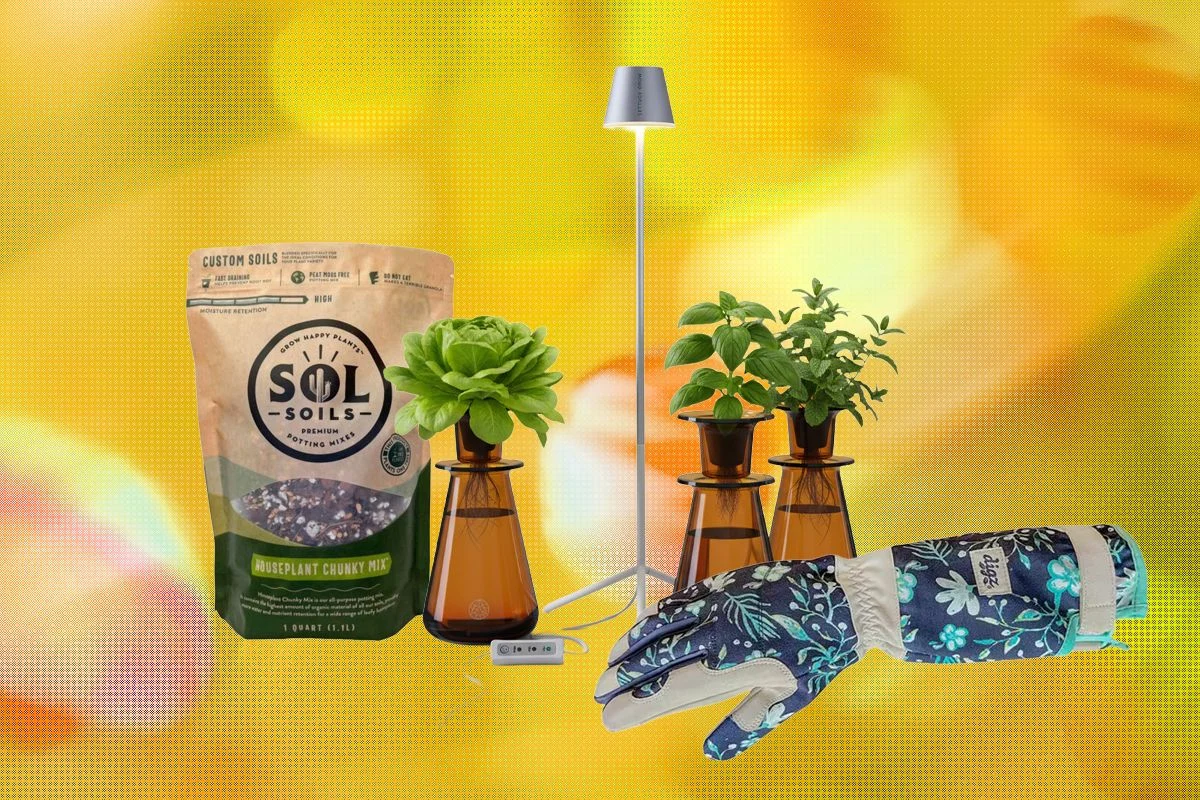
The global home gardening market has undergone a significant transformation over the past decade, evolving from a traditional outdoor pastime into a high-tech, multi-billion-dollar indoor industry. As of May 2026, industry analysts report that "plant parenting" has transitioned from a pandemic-era trend into a permanent lifestyle choice for millions of urban and suburban residents. This shift has created a complex consumer landscape where the simple gift of a potted plant is often secondary to the specialized tools, automated systems, and scientific amendments required to maintain a thriving domestic ecosystem. Professional horticulturists and industry reviewers, many with decades of experience in indoor gardening and hydroponic systems, emphasize that the most effective gifts in the current market are those that integrate seamlessly with existing collections or solve specific care challenges.
The Rise of Smart Indoor Cultivation Systems
A primary driver of the 2026 gardening market is the democratization of hydroponics. No longer reserved for commercial greenhouses or large-scale "farmstands," the technology has been miniaturized for countertop use. A notable example of this trend is the Lettuce Grow Counterstand Set, a system that utilizes the Kratky method of passive hydroponics. Unlike more complex units that require pumps and constant electrical monitoring, the Kratky method relies on a stagnant nutrient solution and a wick system. Market data suggests that these low-maintenance systems are particularly popular among "vacation-conscious" consumers who require systems that can function autonomously for weeks at a time.
The Lettuce Grow system utilizes amber glass beakers—evocative of laboratory equipment—and a 7-watt, 18-inch LED lamp that provides full-spectrum light for 16 to 18 hours daily. While these systems are designed for decorative appeal, they are capable of producing edible yields of basil, lettuce, and cilantro within a 21-day window. Similarly, the AeroGarden Harvest remains a staple in the minimalist segment of the market. Its single-button interface and five-color palette cater to the "hydroponic-curious" demographic, offering a entry point for those intimidated by pH testing and nutrient management.

Digital Integration and Artificial Intelligence in Horticulture
As the "Internet of Things" (IoT) continues to permeate the home, gardening has not been left behind. The integration of artificial intelligence into plant care has significantly reduced the failure rate for novice gardeners. The Planta app, which offers a Premium subscription model, has emerged as a leader in this space. Utilizing more than 30 distinct parameters—including localized weather data, pot size, and species-specific light requirements—the app functions as a central clearinghouse for plant management.
Recent updates in 2026 introduced the "Quick Add" tool, an AI-driven feature that uses the smartphone’s camera to assess light conditions and pot dimensions instantly. Furthermore, the "Dr. Planta" diagnostic tool allows users to submit photos of symptomatic plants for immediate pathological analysis. This technological intervention addresses a major pain point in the industry: the "black thumb" syndrome, where consumers abandon the hobby after the death of their initial acquisitions.
Advances in Soil Science and Biological Inoculants
While hardware and software dominate the headlines, the fundamental science of growing media has also advanced. Premium soil manufacturers like Sol Soils have moved away from generic peat-based mixes toward specialized "chunky" substrates. These mixes, often retailing around $13 per bag, utilize coconut husk chips, bark, and pumice to optimize aeration and drainage.
Industry experts point to the increasing use of biological additives as a sign of a more sophisticated consumer base. Mycorrhizal fungi inoculants, such as the Monthly Myco, are now standard in high-end gift bundles. These beneficial fungi form a symbiotic relationship with plant roots, enhancing nutrient absorption and resilience against repotting shock. The popularity of these products reflects a broader trend toward "regenerative" indoor gardening, where the focus is on soil health rather than just chemical fertilization.

The Circular Economy: Mycology and Indoor Composting
The 2026 gardening season has seen a surge in interest regarding the circular economy of the home. This is best exemplified by the rise of domestic mycology and high-speed composting. North Spore, a leader in the fresh-shipped mushroom kit market, has reported significant growth in its oyster and lion’s mane mushroom categories. Unlike previous generations of dehydrated kits, modern units are shipped "colonized and fresh," allowing for multiple "fruitings" or harvests from a single block.
For more advanced mycologists, the introduction of automated monotubs—priced at approximately $165—has streamlined the process of maintaining precise airflow and humidity. This allows for the cultivation of more challenging species that were previously difficult to grow outside of a laboratory environment.
Parallel to the mushroom trend is the evolution of the kitchen composter. Devices like the Reencle Prime have moved beyond simple dehydration to microbial decomposition. These "heated trash cans" use specific microbe strains to break down food waste into a loamy pre-compost mixture in a matter of weeks. This output can then be mixed with potting soil at a 1:4 ratio, effectively closing the loop on household organic waste and providing a sustainable source of nutrients for both indoor and outdoor plants.
Structural Support and Aesthetic Evolution
As houseplants mature, the need for structural support becomes a functional necessity that consumers are increasingly looking to solve with aesthetic grace. The 2026 market has seen a move away from "jerry-rigged" solutions like duct-taped dowels toward laser-cut, hand-finished trellises. Treleaf, a specialist in this sector, has popularized modular supports made from sustainably sourced redwood. These products, such as the Zella extendable support, provide the necessary structure for vining species like Monstera and Philodendron while serving as a design element in the home.

In the realm of plant propagation, the trend has shifted toward verticality. Mkono’s hanging propagation tubes address the limited shelf space in urban apartments. These systems allow gardeners to multiply their collections through water propagation while creating a "stained-glass" effect when hung in windows. This intersection of horticulture and interior design is a key growth area, with online marketplaces like Palmstreet facilitating the trade of rare cuttings and mystery boxes to fill these propagation stations.
Outdoor Utility and Durable Infrastructure
For the outdoor gardener and small-scale farmer, the focus remains on durability and ergonomic efficiency. The 2026 gardening season highlights the Gorilla Poly Garden Dump Cart as a standout in the utility category. With a hauling capacity ranging from 600 to 1,200 pounds and a quick-release dump latch, these carts have largely replaced the traditional wheelbarrow in modern landscaping. Their pneumatic tires are designed to handle varied terrain, from mud to sand, making them indispensable for transporting mulch, soil, and heavy equipment.
Landscaping aesthetics have also been simplified through the use of modular, faux-stone edging. Products like Beauta’s PolyRock blocks offer a "Lego-like" assembly process that requires no digging or leveling. Made from high-durability plastics that resist string-trimmer damage, these blocks provide the visual appeal of real stone walls at a fraction of the cost and labor.
Ergonomics and Sensory Experience
The physical toll of gardening has led to a renewed focus on high-quality personal gear. Hand-sewn goat-leather gloves from heritage brands like Vermont Glove represent the "buy it for life" ethos that is gaining traction in 2026. These gloves offer a balance of extreme durability and tactile sensitivity, standing in contrast to the disposable synthetic options that dominated the market in previous decades. For lighter work, brands like Digz have introduced long-cuff gloves designed to protect the forearms from thorns and sticky weeds, incorporating soft, ergonomic materials.
-Reviewer-Photo-SOURCE-Kat-Merck.jpg)
Finally, the sensory experience of gardening has extended into the home through the "vegetal fragrance" market. Scented candles that replicate the smell of tomato vines—produced by luxury brands like LAFCO and Flamingo Estate—have become unexpected bestsellers. These products use high concentrations of essential oils to mimic the sun-warmed, vegetal aroma of a summer garden, providing a psychological connection to nature during the winter months or for those without outdoor space.
Market Implications and Future Outlook
The diversification of the gardening gift market in 2026 reflects a deeper cultural shift. Gardening is no longer viewed as a seasonal hobby but as a continuous engagement with technology, biology, and design. The success of products ranging from $13 soil mixes to $649 electric composters indicates a high level of consumer willingness to invest in the longevity of their plants.
Industry analysts predict that the next five years will see further integration of automation, with "set-and-forget" systems becoming the standard for the mass market. However, the high demand for hand-sewn gloves and artisan trellises suggests that the tactile, "hands-on" element of gardening will remain a core component of its appeal. For the gift-giver, the challenge lies in identifying where a recipient falls on the spectrum between the tech-dependent "smart" gardener and the traditional, soil-under-the-fingernails horticulturalist. In either case, the 2026 market offers a wealth of vetted, high-performance options that go far beyond the simple gift of a plant.







